EduNanny The Near Home Model for Safe Joyful Infants in Singapore
Introduction: What is EduNanny
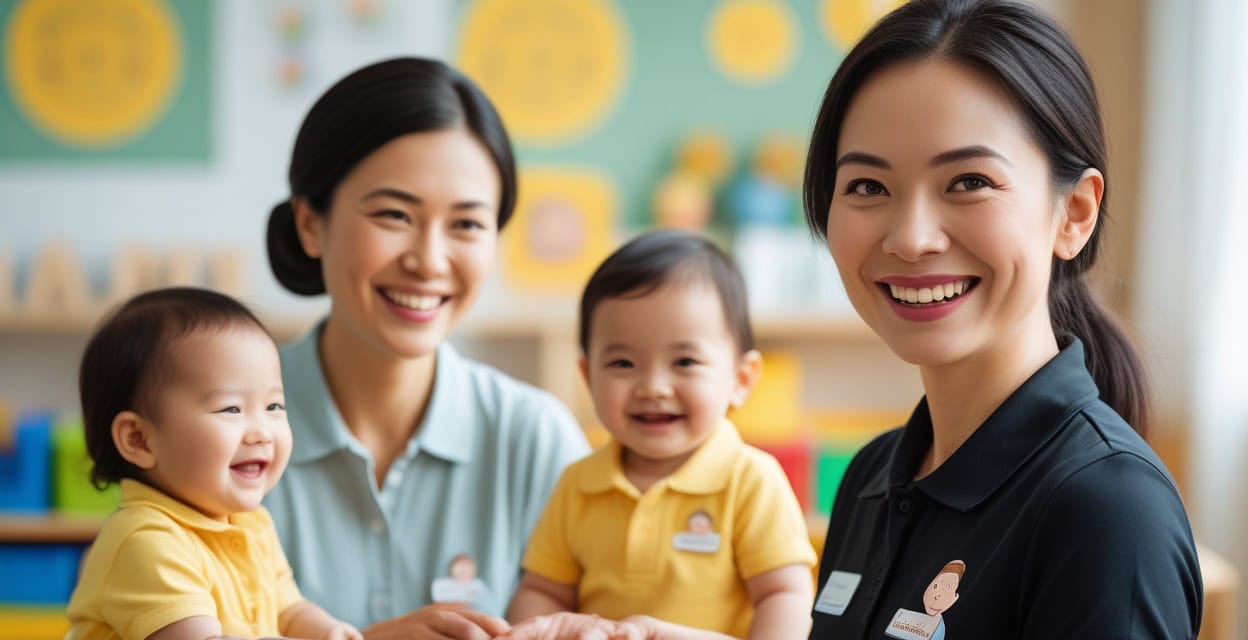
EduNanny by BUTLER is a modern childminding and infant care service designed for the lived rhythms of Singaporean families. We exist so that the most important years of life—those early months when brains form at lightning speed—unfold with safety, warmth, and intelligent play. We operate Monday to Friday, 7am to 7pm, islandwide. We serve in centre-based settings, home-based settings, and distance formats for families who need expert guidance from home. We do this as part of a National Social Initiative with a Maximum Employment Mandate to professionalise and uplift caregiving work. And through the ECDA Childminding Pilot, we are shaping a high-trust model that is transparent (with parent-consented innovation CCTV), equitable (fees payable by CDA/Baby Bonus), and remarkably accessible (affordable from $33/day).
EduNanny is more than a service; it is a framework for turning everyday moments into meaningful learning. We translate a canon of child development theories into practical routines that work in modern Singapore—whether in HDB corridors, community rooms, block estates near MRTs, or through distance coaching when on-site care is not feasible. This article dives deep into how EduNanny operates, why its approach matters, and how parents and caregivers can implement its principles at home and in professional settings.

How EduNanny makes infant care and childminding great in Singapore
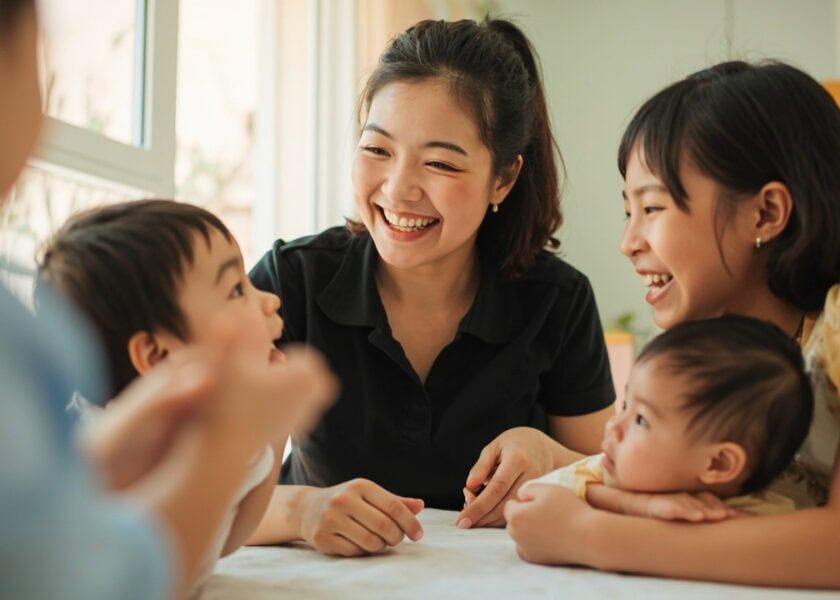
- Ultra-low 1:3 infant ratio for continuous, attuned presence. A smaller group means caregivers can notice subtle cues, respond quickly, and tailor interactions to each infant’s temperament and developmental stage.
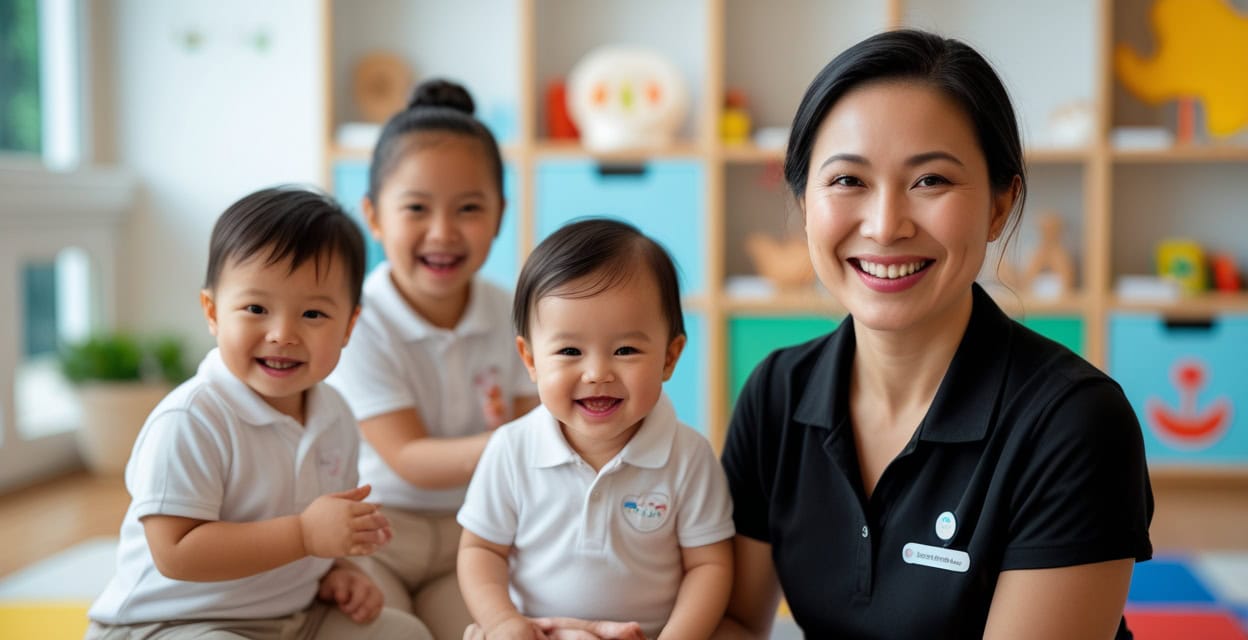
- Prepared environments with modern layouts. Calm, hygienic, beautiful spaces with low shelves, natural textures, and safe floor areas enable infants to explore confidently and authorship of discovery to emerge.
- Transparent, parent-consented CCTV and daily documentation. Real-time visibility builds trust and creates a durable learning partnership between families and caregivers.
- Centre-based, home-based, and distance support. Flexible delivery models match family needs, commutes, and work schedules while maintaining professional rigour.
- Islandwide availability, Monday–Friday, 7am–7pm. Schedules designed around real working lives, not just a slot on a calendar.
- Fees payable by CDA/Baby Bonus; affordable from $33/day. A financing model that recognises both family needs and the value of skilled caregiving.
- Part of the ECDA Childminding Pilot and a National Social Initiative. A forward-looking framework that standardises quality, trust, and accessibility across Singapore.

Four Topics That Matter Most for Infants and the People Who Love Them
1) The Responsive Spiral: A Pedagogy of Everyday Learning
Infants learn in spirals, not straight lines. A hundred times a day, their curiosity loops through the senses: I see, I reach, I taste, I listen, I laugh. Our pedagogy grows from this spiral.
- Prepared spaces. Drawing on Montessori and Froebel, arrange rooms with low shelves, natural textures, simple mobiles, and safe floor areas for rolling, reaching, and cruising. The infant becomes the author of discovery when everything is within reach.
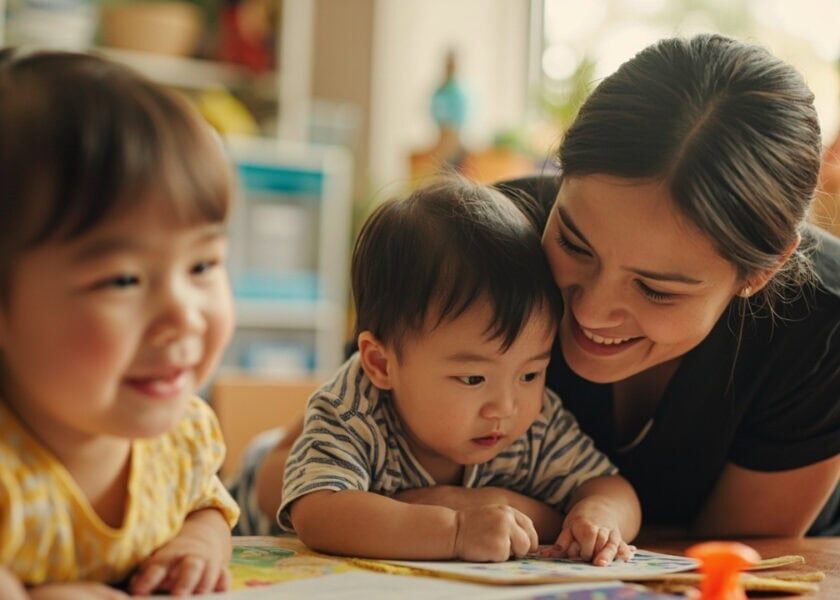
- Serve-and-return. Building secure attachment means the adult watches, waits, and responds. Each coo is answered; each gaze is met. This is not spoiling; it is the architecture of resilient brains.
- Scaffolding within reach. Following Vygotsky’s zone of proximal development, place slightly out-of-reach objects, narrate the effort, and celebrate small triumphs that grow confidence and problem-solving skills.
- Care as curriculum. Nappy changes, feeds, and baths become conversations, eye contact, and song. Name emotions, respect consent, and slow down to elevate the dignity of caregiving moments.
- Observation-led planning. Like Malaguzzi’s documentation, record micro-moments—what captures attention, how a grip evolves, how a texture is explored. Use these notes to design tomorrow’s invitations to play.
2) Safety as a Culture, Not a Checklist
Safety is a corridor of well-lit doors, not a single gate. A culture of safety supports natural, joyful exploration without unnecessary fear.
- Environments. Modern layouts with rounded corners, secured furnishings, non-toxic materials, sanitised soft zones, and clean air with measured ventilation.
- Safe sleep. Back-to-sleep recommendations, firm sleep surfaces, no loose items, comfortable temperatures and lighting for restful naps.
- Health and hygiene. Meticulous hand hygiene, proper bottle handling, clear illness policies, and daily sanitation logs visible to families.
- Training and drills. Regular reviews of choking response, allergy management, and evacuation procedures; practice scenarios that educate without alarming children.
- Ratios and watchfulness. A 1:3 ratio ensures constant, attentive supervision and rapid response to cues from a child’s mood, posture, and breath.
- Transparent partnership. Parent-consented CCTV and clear incident communication so families understand what happened and how it was addressed.
3) Development in Motion: Building Brains Through the Body
Piaget recognised the early stage as sensorimotor—movement drives the foundations of language, memory, and self-regulation. EduNanny emphasizes active, embodied learning.
- Movement repertoire. Daily floor time, tummy time, gentle vestibular play (rocking, swaying), and open space for creeping and cruising. Avoid restrictive containers; bodies are built for exploration.
- Language immersion. Speak, sing, and point—label actions, emotions, and objects. Bilingual and mother-tongue greetings support phonemic awareness and cultural roots.
- Micro-milestones. Track grasp patterns, visual tracking, bilateral coordination, and joint attention as predictors of later literacy and self-help skills.
- Sensory intelligence. Calibrate sound, light, and texture to stimulate without overwhelm; joyful experiences should feel bright, not harsh.
- Rest as growth. Consistent care supports trust and improves learning readiness; design routines to honour restorative cycles and predictable sleep windows.
4) Joy as a Vital Sign
Joy is developmental nutrition. A settled, curious infant engages longer, learns more, and copes better with change and challenge.
- Emotional check-ins. Monitor three indicators—Smiles, Engagement, Ease. If one dips, adjust stimulation, environment, or caregiving approach.
- Attuned rituals. Predictable greetings, transitions, and warm goodbyes signal safety and respect for routines.
- Outdoor micro-walks. Short, shaded walks or nature windows reset senses and introduce patterns, rhythms, and colour that foster curiosity.
- Peer presence. Tiny groups of three let infants observe peers, echo actions, and seed early empathy and social learning.
- Parent partnership. Daily notes and short video snippets (with consent) keep parents emotionally in the room; joy shared is joy multiplied.

The Purpose and Professionalism of Childminders
Childminders are not “backup plans.” They are civic artists of attachment—the first guides of how the world feels. EduNanny elevates their calling through training, mentorship, reflective practice, and decent work under a Maximum Employment Mandate.
- Five vows of our craft:
- Watchfulness: See the whole child, not just the schedule.
- Gentleness: Handle bodies and emotions with care.
- Steadiness: Be the constant in a world of newness.
- Curiosity: Observe first, then act.
- Partnership: Parents are experts on their child; we are experts on the day.
We also use distance support for families who need guidance at home—virtual coaching, safety walkthroughs, and personalised routines—so even when care is delivered by parents or grandparents, they are not alone. This blended model keeps professional quality accessible to all families while supporting caregivers with ongoing learning and reflection.
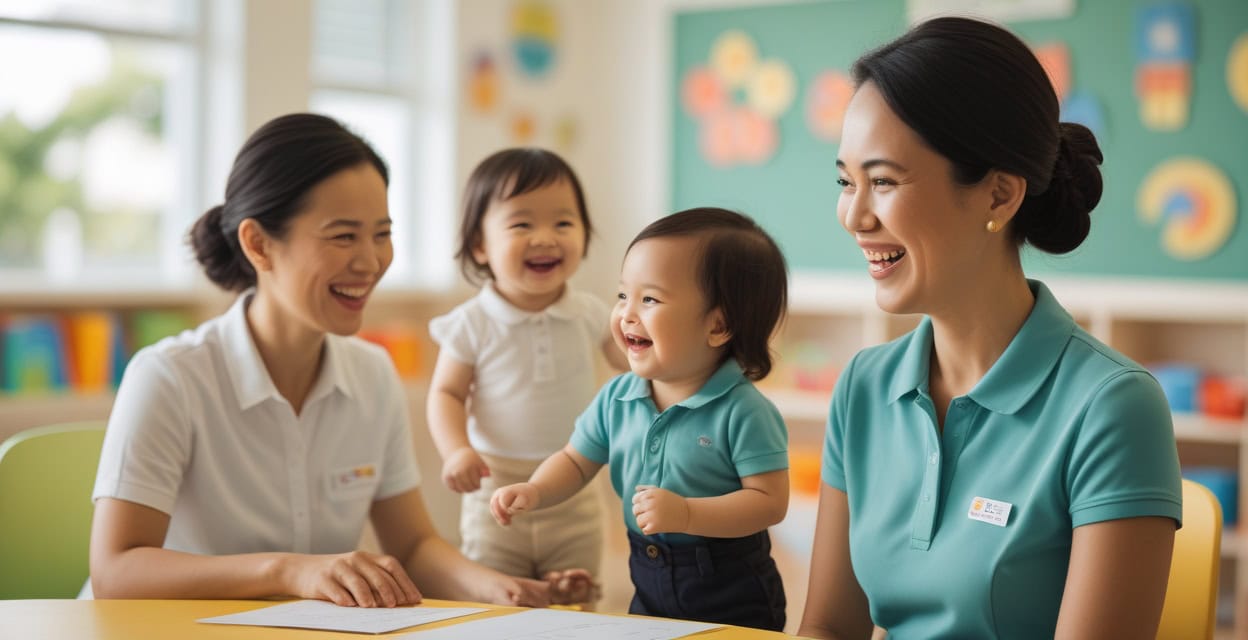
Access, Affordability, and Trust—Designed for Singapore
- Islandwide availability, Monday–Friday, 7am–7pm. Care that fits real work-life schedules across Singapore.
- Centre-based and home-based care; distance support when needed. Flexible delivery channels to suit family needs and geography.
- 1:3 infant ratio for attunement and safety. Close, responsive supervision that supports secure attachment and early learning.
- Parent-consented innovation CCTV for transparency. Real-time visibility with privacy safeguards and clear consent protocols.
- Modern, calming layouts built for exploration and rest. Environments designed to support calm alertness and focused play.
- Affordable from $33/day; fees payable by CDA/Baby Bonus. A pricing model aligned with family support schemes and public benefits.
- Part of the ECDA Childminding Pilot and a National Social Initiative. A model designed to uplift the workforce and raise industry standards.
- Learn more or register at EduNanny.com or Childminding.EduNanny.com. Direct pathways to access, guidance, and enrollment.
A Short Story of What This Looks Like
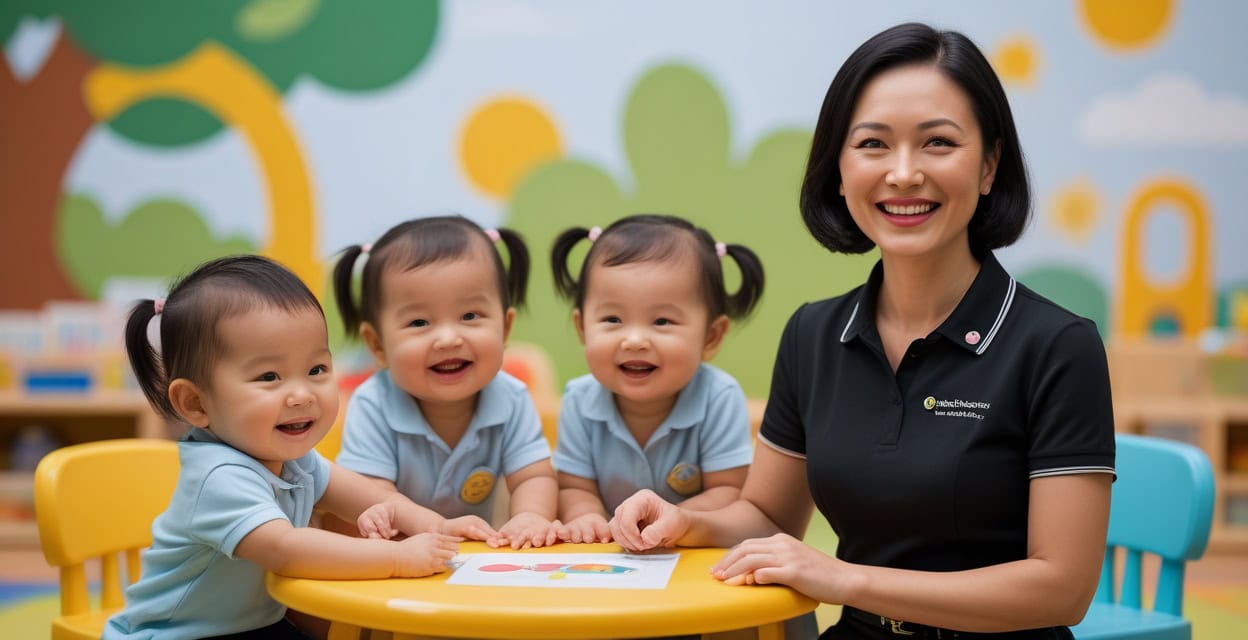
Picture a morning in Clementi. A caregiver kneels to welcome a baby at eye level. “Good morning, Aiden. I’m happy to see you.” Aiden’s parent signs in, glances at the live feed on their phone, and heads to work at ease. Inside, a low shelf offers a soft rattle, a wooden ring, a fabric book. Aiden reaches, tests, repeats. Later, a diaper change becomes dialogue: “I’m lifting you now,” the caregiver narrates. After a warm feed, Aiden naps in a quiet corner—no loose blankets, just steady breathing and a hand on the back until sleep lands. In the afternoon, the group explores light and shadow on the wall. Aiden’s eyes widen; he squeals softly. The caregiver documents that moment; that night, a short note and clip reach the parent: “Aiden tracked light longer today and initiated a smile with a peer.” Care is curriculum. Trust is visible. Joy is routine.
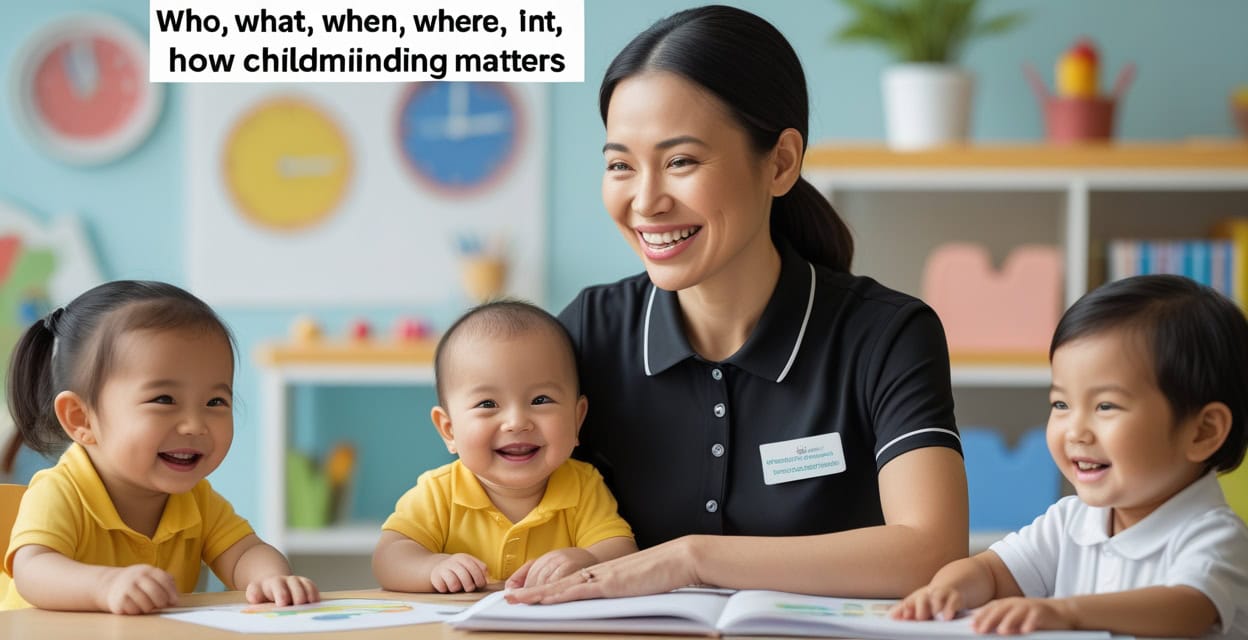
Conclusion: Who, What, When, Where, How Childminding Matters
Who: Infants, parents, and professional childminders—each indispensable. Infants deserve continuity; parents deserve confidence; childminders deserve respect, training, and fair work.
What: Responsive, attachment-led care with safety as culture and play as pedagogy. Treat routines as golden learning moments that scaffold curiosity, language, and social competence.
When: Every weekday, 7am–7pm—aligned with working families and infants’ wakeful hours. Begin support as soon as help is needed, not just when a slot opens.
Where: In thoughtfully designed centres, prepared homes, and through distance support that keeps families connected to expertise islandwide.
How: Through a 1:3 ratio, prepared environments, calm routines, observational documentation, parent-consented CCTV, professional training, and a financing model that respects families (CDA/Baby Bonus) and the workforce (Maximum Employment Mandate).
Why does childminding matter? Because the earliest relationships teach our children what to expect from people and from life. If those lessons are about safety, responsiveness, and joy, they grow into citizens who trust, explore, and contribute. EduNanny’s philosophy is simple and serious: excellence is not a luxury; it is a duty we owe to every baby and every parent in Singapore.
Together, let’s make this city the easiest place on earth to be very young and very loved. Visit EduNanny.com or Childminding.EduNanny.com to begin. Your child brings the curiosity. We’ll bring the science, the heart, and the everyday greatness that turns small moments into strong futures.
Thank you.
[#EduNanny, #InfantCareSingapore, #ChildmindingSingapore, #EarlyChildhoodDevelopment, #SingaporeParents]