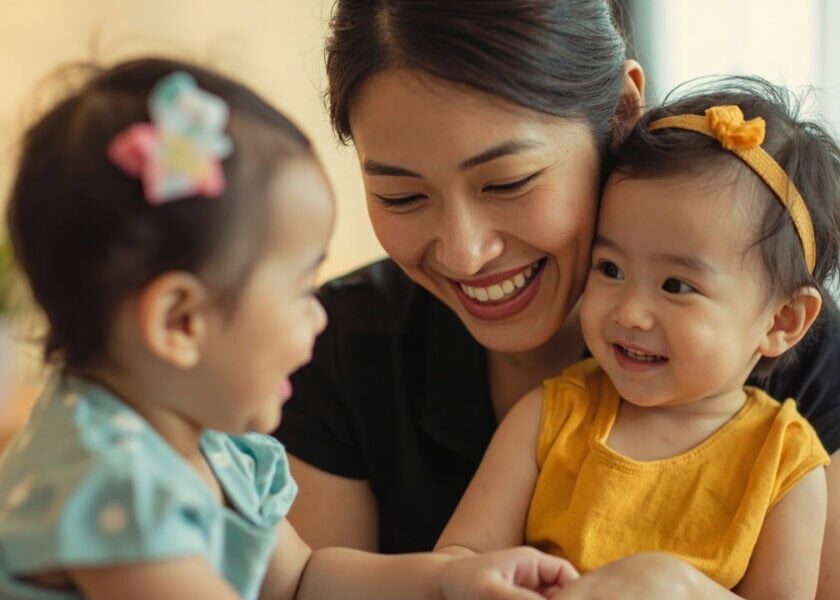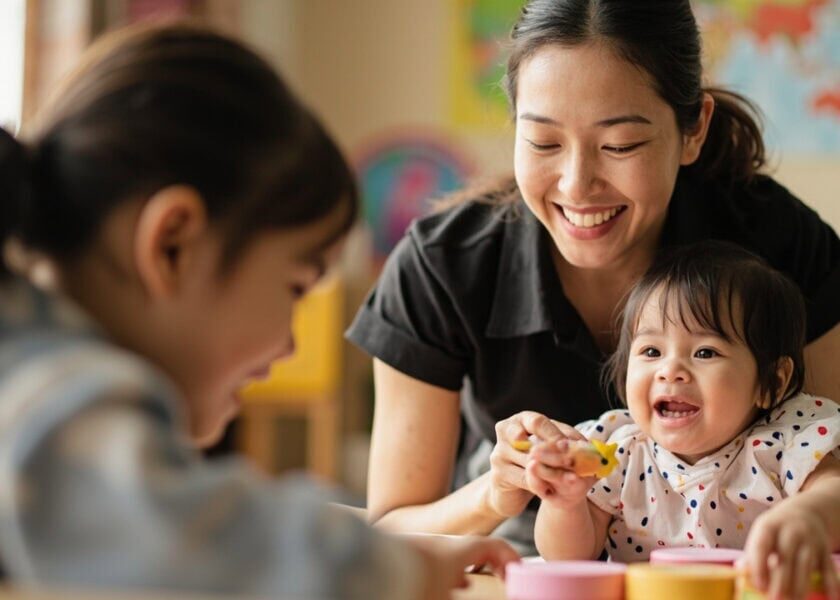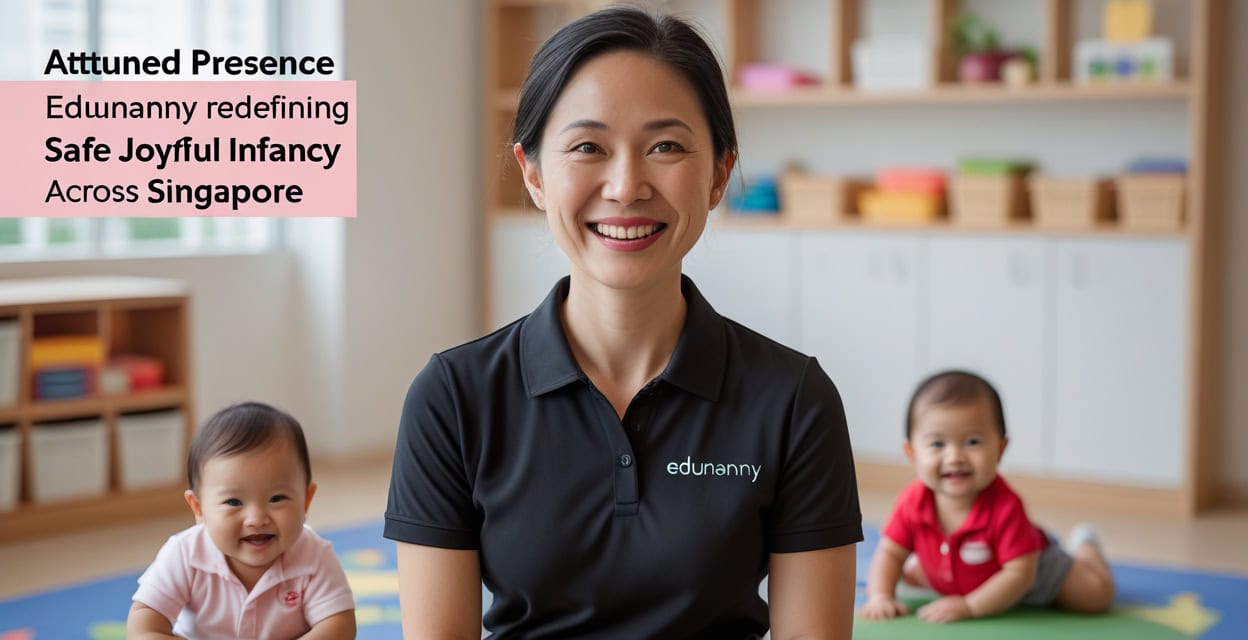
Attuned Presence and Public Promise EduNanny Redefining Safe Joyful Infancy Across Singapore
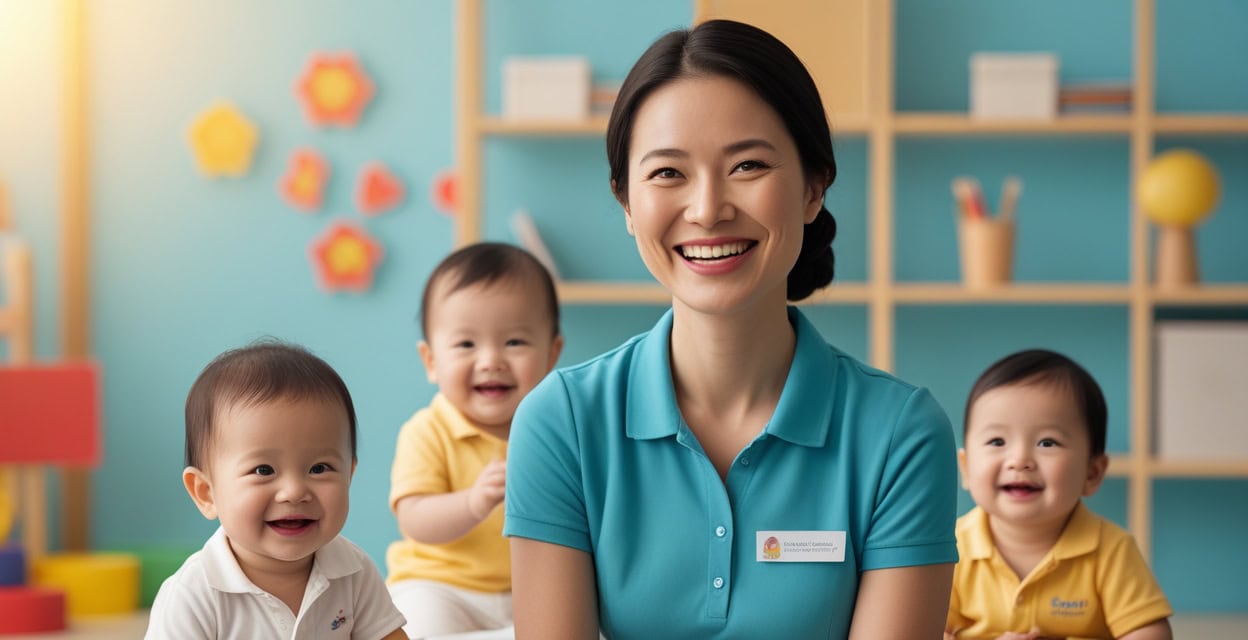
Introduction: A Conviction That Shapes Our Future
When a society organizes itself around the dignity of its babies, it quietly organizes itself around its best future. EduNanny by BUTLER is born from that conviction. We are more than a childminding operator—we are a public promise for Singapore: every infant can be safe, soothed, curious, and confident, without parents sacrificing tenderness for logistics or quality for convenience. This article expands on how EduNanny translates that conviction into daily practice, practical guidance for families, and a blueprint for caring that elevates early childhood as national priority.
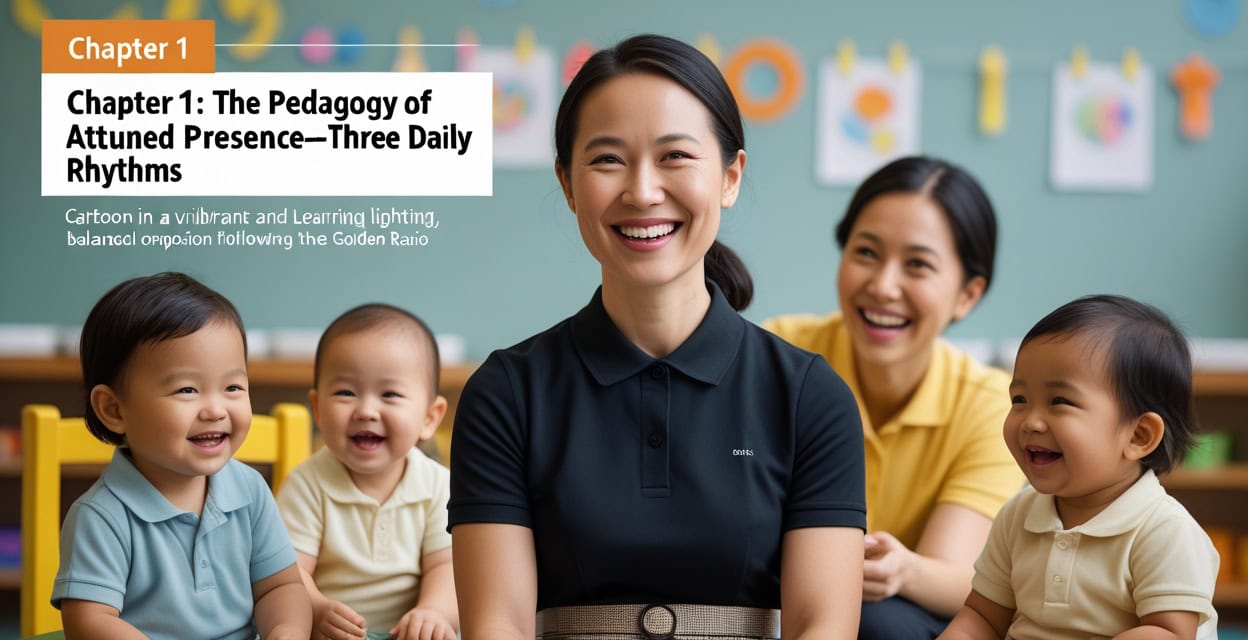
Chapter 1: The Pedagogy of Attuned Presence—Three Daily Rhythms
Observe
Observation is the quiet engine of trust. Caregivers begin by noticing posture, breathing, gaze, and sound, recognizing early signals before a request is voiced. For families at home, cultivate a daily micro-observation routine:
- Begin with a neutral check-in: “How did you sleep?” and “What did you enjoy most today?”
- Record a brief note on mood, energy, and feeding cues, then adjust the day’s plan accordingly.
- Practice open-ended language: narrate your surroundings during routines to build language scaffolding.
Actionable at-home example: Set up a simple observation window each morning using a small notebook or a note on your phone to jot two signals you notice about your child (e.g., “stretches when waking” or “enjoys mirror play”). Use these notes to guide transitions and activities later in the day.
Co-regulate
Co-regulation is a duet: when adults remain calm, infants borrow that calm and learn to self-regulate over time. Strategies families and caregivers can use include:
- Tone and tempo: soften voice, slow breathing, and steady pacing during transitions (waking, feeding, diapering).
- Gentle touch and presence: use a comforting touch and a steady gaze to reduce distress during change times or unfamiliar environments.
- Predictable routines: keep nap times, feeding windows, and play periods consistent to anchor a sense of safety.
Practical tip: Create a “nervous system bridge” kit at home—soft fabrics, a familiar song, and a short breathing cue (inhale 4 counts, exhale 4 counts)—to use during transitions when baby shows signs of overstimulation.
Invite
Invite is about curated discovery, not bombardment. After a baby is settled, offer developmentally meaningful choices and materials that invite exploration and autonomy, while avoiding overstimulation.
- Rotate play materials to emphasize different senses: soft textures, mirrors, and age-appropriate toys that encourage grasping and cause-and-effect.
- Space and pace: allow time for processing—pause between activities to observe the child’s response.
- Documentation and storytelling: narrate what the child is exploring so they build language and comprehension.
Home practice: Instead of directing every moment, rotate one new activity daily (e.g., water play on a warm day, a safe scaffolded tummy-time ramp, or simple cause-and-effect toys) and watch for spontaneous curiosity to grow.
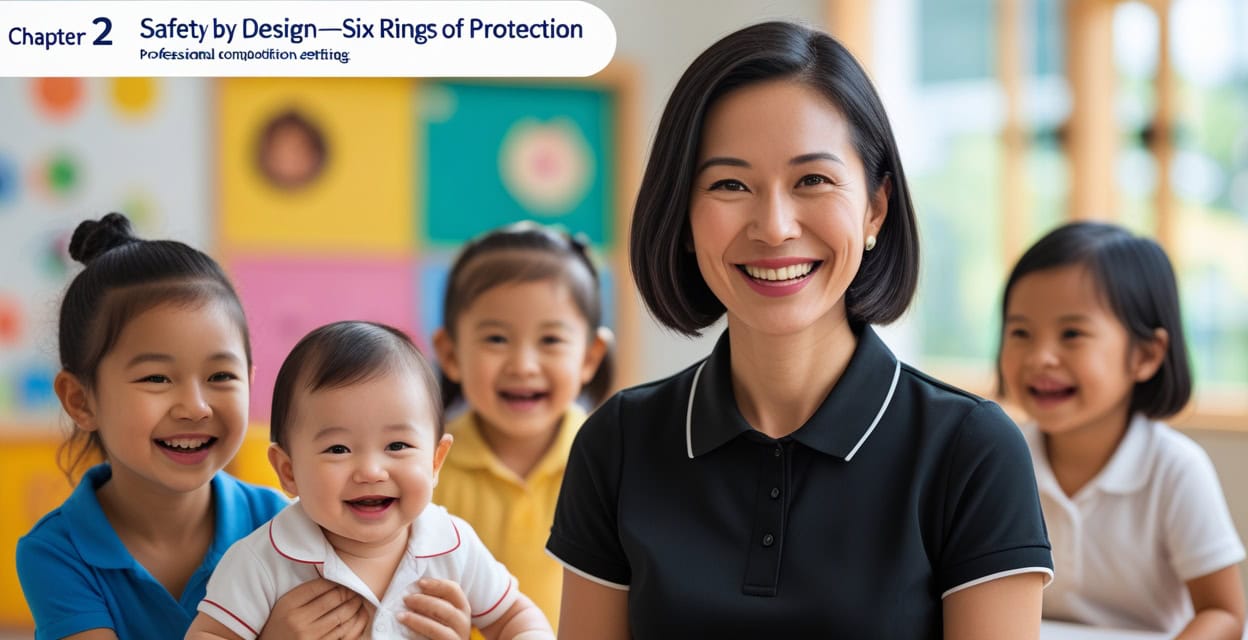
Chapter 2: Safety by Design—Six Rings of Protection
Environment
- Design spaces with sightlines, rounded edges, non-toxic materials, and proper ventilation; ensure light levels support wakefulness and calm.
- Daily environment checks for choke points, loose cords, small objects, and slippery floors.
- Post clear zones for feeding, resting, and play to reduce confusion and risk during transitions.
Protocols
- Hygiene cycles with hospital-grade standards; keep bottle preparation logs and nap checks; track diaper changes to monitor health status.
- Incident drills and written policies for common scenarios; ensure families are informed and aligned.
- Counter-signatures for medication and feeding plans to guarantee accuracy and safety.
People
- Maintain a 1:3 infant ratio to ensure genuine supervision and relational safety.
- Hire for temperament as well as technique; invest in ongoing coaching and professional development for caregivers.
- Foster strong parent-caregiver partnerships through regular, transparent communication.
Health
- Daily wellness checks, clear sick policies, and prompt escalation pathways.
- Written plans for feeding, allergies, and medications with counter-signatures and regular reviews.
Technology
- Secure, role-based access to CCTV feeds to build trust; use digital logs to maintain continuity of care between home and caregiver.
- Respect privacy: implement clear guidelines on viewing times, access, and data protection for families.
Community
- Structured handover rituals during drop-off and pick-up to ensure information flows smoothly.
- Educate families on home safety continuity so that transitions stay low-risk and high-trust.
When all six rings hold, a baby experiences a reliable sense that the world is safe enough to explore—a foundation for deep learning and curiosity.

Chapter 3: Development and Happiness—The Joy Architecture
Nourish
- Support family choices on breastmilk, formula, and solids with evidence-based guidance and respectful routines.
- Preserve feeding as attachment time: prioritize eye contact, warmth, and responsiveness during feeding sessions.
- Share practical tips with parents on planning healthy, developmentally appropriate meals and snacks for infants and toddlers.
Sleep Well
- Protect nap windows and practice gradual self-soothing with consistent cues and routines.
- Explain sleep architecture to families: predictable daytime activity supports better nighttime rest.
- Offer a gentle fading plan for self-regulation milestones, from soothing methods to independent settling as appropriate for age.
Sense and Move
- Offer a curated menu of sensory experiences: water play, textures, mirror exploration, tummy-time ramps, and light tracking.
- Recognize motor development as cognition in motion: activities should link to problem-solving and exploration.
- Ensure safety in all movement-rich activities with appropriate mats, supervision, and environmental padding.
Go Out, Come Back
- Provide age-appropriate outdoor experiences: short, supervised visits to nearby courtyards, shaded walks, and observation of nature.
- Create a consistent return ritual: a calm hug, a brief recap, and a prepared transition back to home routines.
- Integrate city textures and sounds as safe, guided classroom-like experiences that root curiosity in real-world context.
Measure happiness through indicators of flourishing: deeper naps, balanced feeding, attentive gaze, growing curiosity, and confident transitions at goodbye.
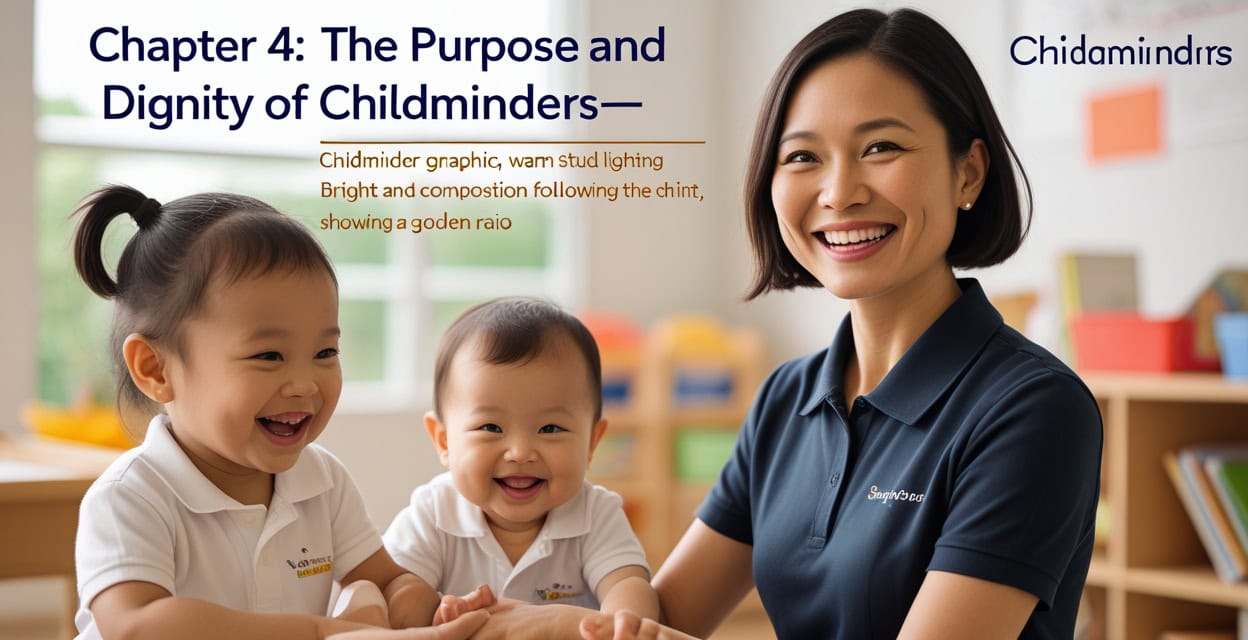
Chapter 4: The Purpose and Dignity of Childminders—A Civic Craft
- EduNanny’s Maximum Employment Mandate builds a respected talent lattice for caregivers: clear training, mentorship, progression, and professional pride.
- Why this matters: infants reflect the calm, competence, and dignity of the adults who hold them.
What we train caregivers to do
- Micro-observation: identify subtle cues that signal changing needs or states of arousal.
- Relational language: speak to infants with respect, specificity, and warmth.
- Playcraft: design play that teaches without intruding—scaffolding growing independence.
- Family partnership: listen well, communicate clearly, and align routines between home and care settings.
This is more than workforce development; it is a statement about who we are as a nation: a place where those who care for our youngest are valued and supported.

Chapter 5: Access Without Compromise—A Singapore Promise
Quality care should be accessible, not a luxury. EduNanny makes this possible through three pathways:
- Centre-Based Childminding: Light-filled, modern spaces with a full safety stack and social learning with peers.
- Home-Based Childminding: Intimate settings within communities—fewer transitions, familiar routines, near-home comfort.
- Distance Support: Tele-guidance, virtual check-ins, and customized routines for families who prefer to keep baby at home but stay connected to experts.
Operational promise: Monday to Friday, 7am–7pm, islandwide across Singapore. Fees start from $33/day, with CDA/Baby Bonus support. The aim is to provide convenience without compromising quality, choice without confusion, and transparency without theatre.
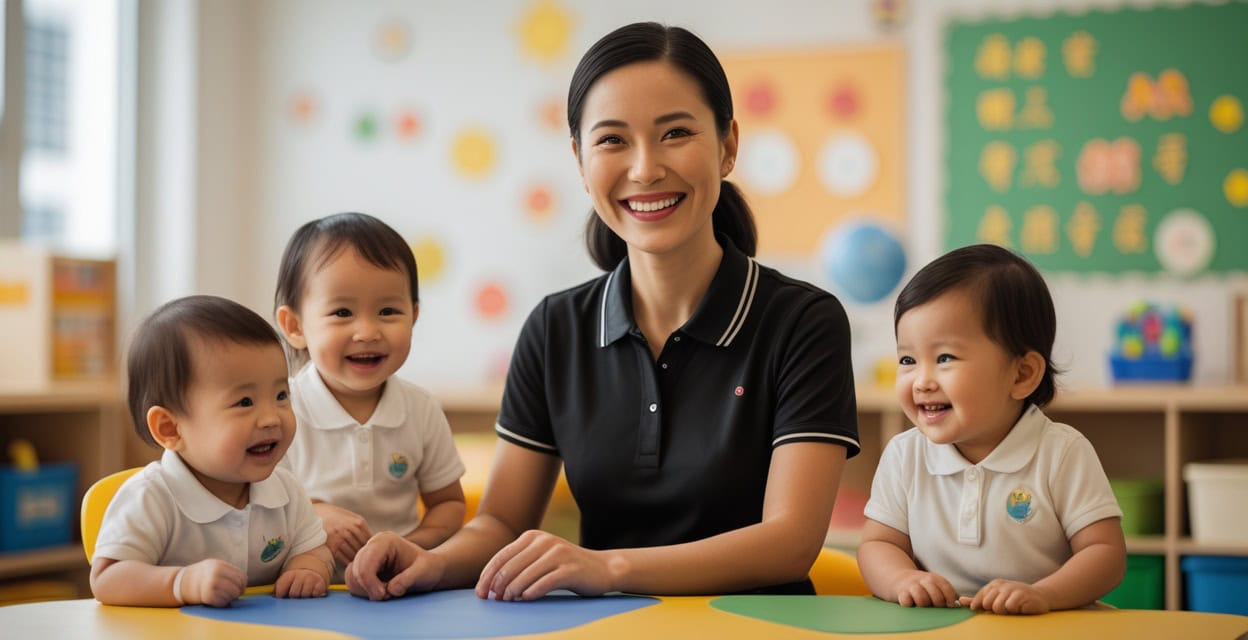
What Does This Look Like in a Day?
Morning
- A calm greeting, temperature check, and a brief note on last night’s sleep.
- A gentle sensory invitation: scarves, mirror play, and soft textures to welcome the day.
- A nap prepared with familiar cues from home; caregivers log details and parents can view a secure live window if desired.
- Following wake, a responsive feed and a quiet courtyard stroll with narration: “Warm breeze, red kite, auntie waving.”
Midday
- Tummy time as a victory: gradually increasing chin elevation and purposeful movement.
- Timely diaper changes with a language of care: “I’m lifting you; I’m wiping; warm wipe.”
- A second nap on time, guided by calm and comfort in a dimly lit room with a soothing lullaby.
Afternoon
- Water play under careful supervision; fine-motor play with large beads for hand-to-hand transfer.
- A concluding cuddle and a short daily recap with the parent at pickup.
- Unhurried, kind handover that leaves the baby ready to go home regulated and ready for a calmer evening.
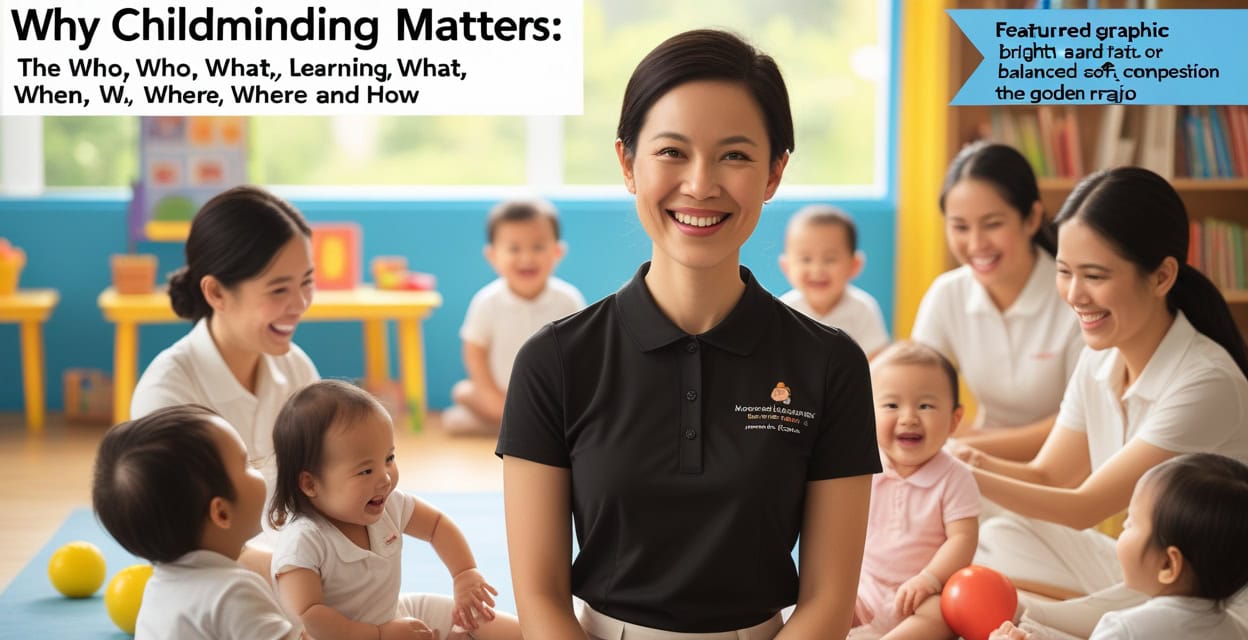
Why Childminding Matters: The Who, What, When, Where, and How
- Who: It matters to infants wiring trillions of connections, to parents juggling careers and love, to caregivers seeking a respected path, and to a nation investing in its future.
- What: Everyday care becomes developmental gold—safety, attachment, language, motor growth, and the beginnings of autonomy.
- When: Every weekday, reliably—7am to 7pm—when working families need it most and infants benefit most from rhythm and predictability.
- Where: Centres designed for visibility and calm; neighbourhood homes with intimate routines; distance support that reaches families who prefer home care but not isolation.
- How: Through 1:3 infant ratios, secure CCTV, modern layouts, clear protocols, trained caregivers, a pedagogy of attuned presence, and strong parent partnerships—plus affordability from $33/day via CDA/Baby Bonus.

EduNanny’s Philosophy and Purpose
Our plainspoken yet profound philosophy guides every decision: every infant deserves a safe lap and open invitation to explore; every caregiver deserves training, respect, and a career ladder; every parent deserves transparency, convenience, and relief in knowing the day was meaningfully lived. Our purpose is to turn early care into public good—one baby, one family, one neighbourhood at a time—so that today’s infants become tomorrow’s responsible, curious citizens who remember a country that took their earliest needs seriously.

A Closing Invitation
If this vision aligns with the life you are trying to build—stable, loving, ambitious, and sane—come visit EduNanny. Tour a centre, meet a home-based carer, or explore distance support. Ask hard questions. Look through the glass and into the day. You will see small hands reaching, small chests steadying, and small eyes bright with the first confidence.
Because the quiet truth at the heart of EduNanny is this: when care is excellent and near to your life, the morning rush softens, the evening reunites, and the day in between becomes an engine of growth. That is not just good childcare—that is good nation-building.
Thank you. And welcome to EduNanny by BUTLER—where excellence is daily, safety is designed, joy is intentional, and your child’s first steps are the first steps of our shared future.
For enrolment and information: EduNanny.com and Childminding.EduNanny.com. We are ready when you are.
Conclusion
In embracing a pedagogy of attuned presence, a safety framework built in six rings, and a joy-focused developmental architecture, EduNanny offers a practical blueprint for families and a model for national care. By integrating home routines with professional support, we create environments where infants thrive, caregivers grow in dignity, and parents experience reassurance. If you seek a care partner that treats your child’s early years as the cornerstone of lifelong possibility, explore EduNanny’s centre, home-based, and distance-support options, and engage with a care philosophy that puts your child—and Singapore’s future—at the center of every decision.
[#keyword1, #keyword2, #keyword3, #keyword4, #keyword5]