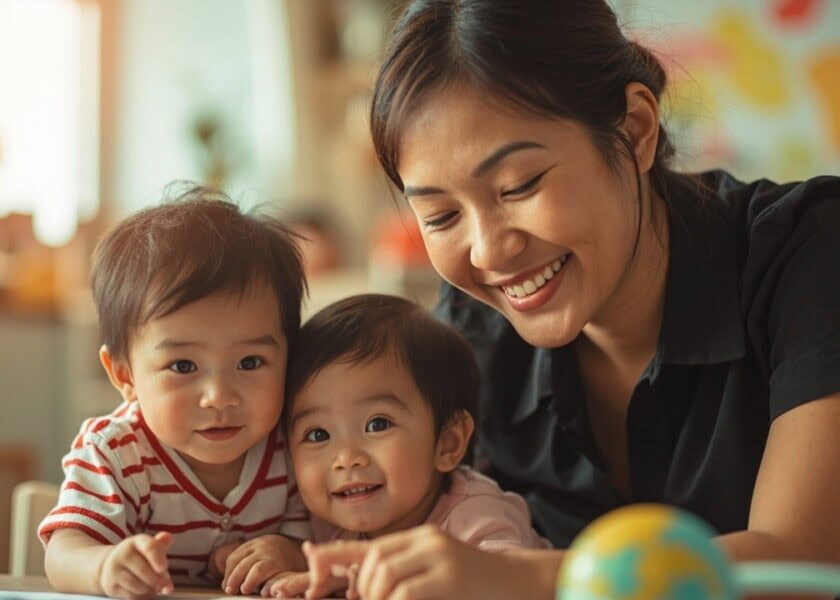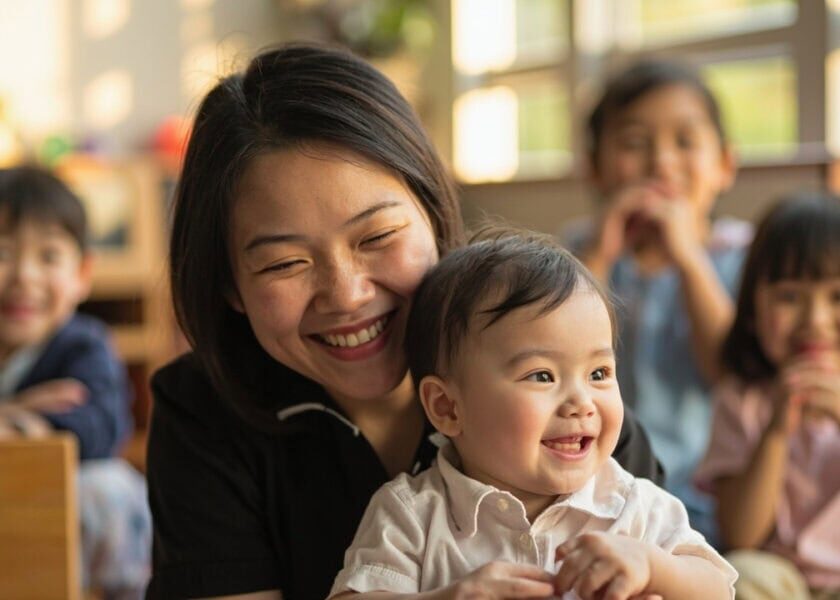
Near Home Care and the First Thousand Days The EduNanny Five Anchors for Safe Joyful Infancy in Singapore
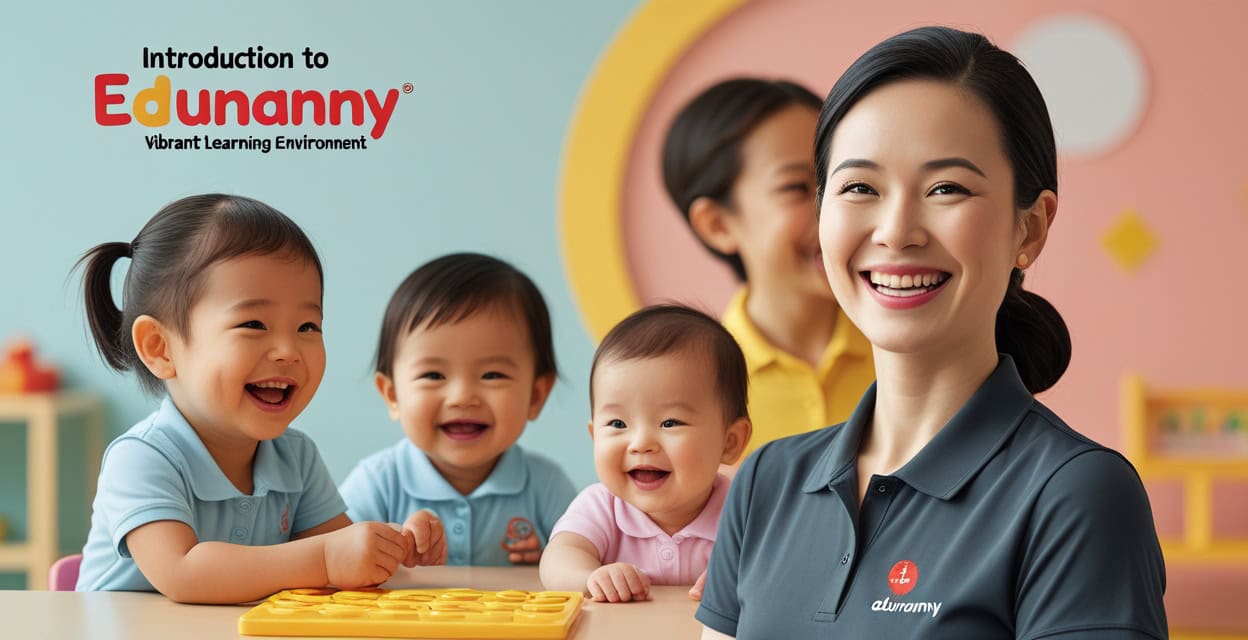
Introduction to EduNanny
Good evening, parents, caregivers, neighbors, and friends of Singapore’s youngest citizens. From the first door‑step handovers at 6:58 a.m. to the moment a child smiles at the day’s end, EduNanny by BUTLER stands as a civic‑m minded movement: near home, near heart, near learning. This is not just care; this is partnership—between families, communities, and professionals dedicated to the first thousand days.
EduNanny by BUTLER is a Singapore‑born initiative that treats infancy as a public trust and a family partnership. We blend established theories of child development with Singapore’s spirit of precision, inclusivity, and community. Our offering spans three modalities—Centre‑Based Childminding, Home‑Based Childminding, and Distance support—operating islandwide from Monday to Friday, 7 a.m. to 7 p.m.
Philosophy in Practice
- We ground every interaction in respected approaches: Montessori’s independence, Piaget’s sensorimotor learning, Vygotsky’s scaffolding, Pikler’s respect for natural movement, and Bowlby’s secure attachment.
- Childminding is a public partnership; we pursue dignified roles for caregivers, affordable access for families, and transparent care for communities.
Who We Serve and How We Help
- Infants and toddlers receive ultra‑low 1:3 ratios to ensure presence and attention.
- Transparency is tangible through CCTV‑based, privacy‑by‑design channels and real‑time learning journals.
- Care environments are modern, safety‑forward, and near home to minimize transitions and maximize growth.
- Fees are accessible and payable via CDA/Baby Bonus schemes, with affordable starting rates from $33/day.
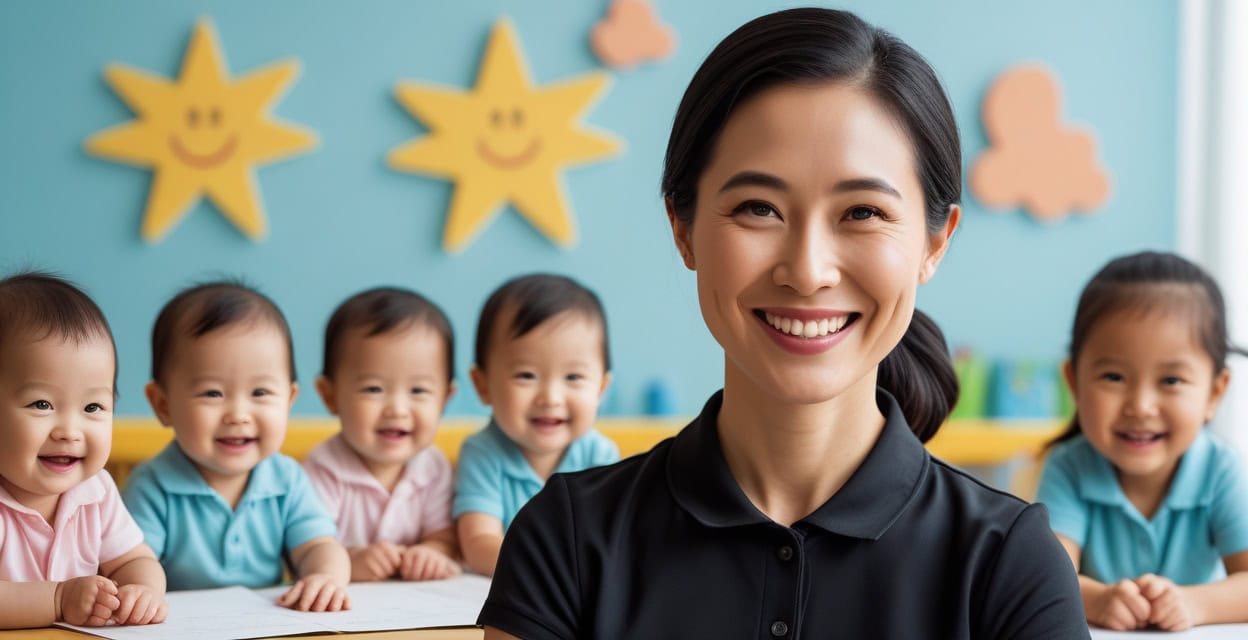
Five Topics That Anchor Our Practice
Topic One: The Three Circles Pedagogy—Observe, Co‑Regulate, Invite
Infancy is a choreography of invitation rather than a sprint to milestones. We train every EduNanny to operate within three concentric circles:
- Observe — Slow down to notice signals: gaze shifts, open hands, foot flexes, and the hum of attention. Observation reveals the child’s current hypothesis about the world.
- Co‑Regulate — Calm is a shared state. Slow breathing, lowered tones, and a safe space for rest help a child feel secure enough to explore.
- Invite — Guided challenges within the child’s zone of proximal development. Present real objects, encourage autonomy, and avoid over‑direction.
Practical tips for parents at home:
- When a baby locks eyes with you, narrate what they’re likely thinking: “You’re looking at the spoon how it shines; what color is it?” This supports joint attention and language.
- Offer a choice between two safe options to foster autonomy: “Would you like to shake the rattle or look at the mirror?”
- Slowly mirror the child’s pace during play; if they pause, pause with them and label the moment: “You’re taking a breath.”
Topic Two: Safety as a Layered Net—Physical, Procedural, Relational, Digital
Safety is a system, not a policy. We build safety as a living habit that operates on multiple layers:
- Physical: Modern layouts with clear sightlines, safe‑sleep practices, discipline of floor time, sanitation routines, fresh air checks, and materials chosen for sensory regulation.
- Procedural: Confirmed handover rituals, strict allergy and medication controls, incident logs, regular drills, and explicit ratio discipline (1:3, always).
- Relational: Consistent primary caregivers to foster secure attachments, calm communication, and rapid repair after incidents.
- Digital: Real‑time transparency through CCTV, daily learning journals, and privacy‑by‑design protocols.
Practical tips for parents:
- Ask about the handover routine: who will receive your child, how transitions are managed, and what signals indicate readiness to leave.
- Inquire about sleep safety: nap place, lighting, temperature, and comforting routines that signal rest and security.
- Review digital privacy policies and how information is shared with families; ensure you can access updates on any device.
Topic Three: The Micro‑Moments Method—200 Chances an Hour
Infants thrive on tiny, meaningful interactions. We translate neuroscience concepts into practical daily practice:
- Language — Name the child’s focus: “The light moves; you’re watching the wall.” This aligns speech with attention and accelerates vocabulary growth.
- Motor — Prioritize floor time and free movement over devices. Allow rolling, pivoting, and crawling to emerge naturally; avoid over‑assistance.
- Sensory — Balance stimulation with stillness using high‑contrast objects, natural textures, and a rotating set of materials to reduce overstimulation.
- Routines — Predictability lowers stress hormones; warm greetings, unhurried feedings, protected naps, and gentle goodbyes build trust.
Home application ideas:
- Turn a routine into a sequence: “We wash hands, we pick a snack, we sing a goodbye song.”
- Use a simple language map: label objects and actions consistently across caregivers to reinforce word meaning.
Topic Four: Joy as a Vital Sign—Measuring What Matters
Joy is a developmental indicator—an outward sign of internal security and meaningful engagement. We track joy through tangible, observable markers:
- Settling time after arrival and the child’s ability to re‑center after a mild upset.
- Quality of engagement: sustained gaze, vocal play, and reciprocal interactions with caregivers.
- Relationship depth: does the child seek the caregiver’s eyes when uncertain?
- Recovery speed: how quickly a child returns to calm after a startle or surprise?
- Sleep integrity and feeding ease as indicators of overall well‑being.
Practical applications for families:
- Create a joy ritual at pick‑up: a favorite song, a special handshake, or a tiny triumph celebration to reinforce security and motivation to return.
- Provide language and culturally resonant songs in mother tongues to support bilingual development and identity.
Topic Five: The Purpose of Childminders—Profession, Neighbor, Nation‑Builder
A childminder is a professional with a public mission. We honor this through training, compensation, career pathways, and pride in service:
- Profession — Ongoing learning in infant development, responsive caregiving, safe sleep, first aid, and family partnership.
- Neighbor — Proximity strengthens relational continuity and supports a familiar rhythm on the block—lifting stress and increasing trust.
- Nation‑Builder — The ECDA Childminding Pilot’s Maximum Employment Mandate translates dignified work into broad social impact; excellence becomes standard.
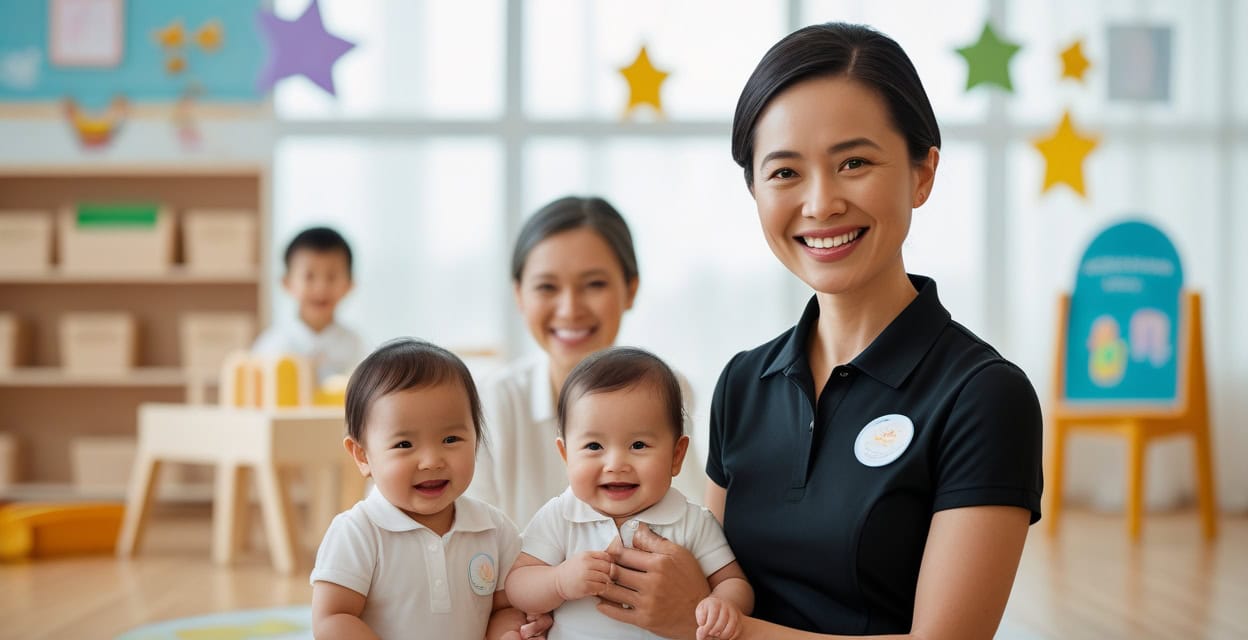
Program Features that Turn Promise into Practice
- Availability — Monday–Friday, 7 a.m.–7 p.m., islandwide Singapore.
- Modalities — Centre‑Based, Home‑Based, and Distance coaching with daily digital check‑ins.
- Ratio — 1:3 for infants; presence and attention cannot be rushed.
- Environments — Modern layouts, safe sleep zones, and natural materials tuned to sensory regulation.
- Transparency — Innovation CCTV and daily learning journals for real‑time trust.
- Accessibility — From $33/day, with CDA/Baby Bonus support where eligible.
- Social Mission — ECDA Pilot participation and National Social Initiative status to widen access to quality care.
- Next Steps — Visit EduNanny.com and Childminding.EduNanny.com to inquire and enroll.
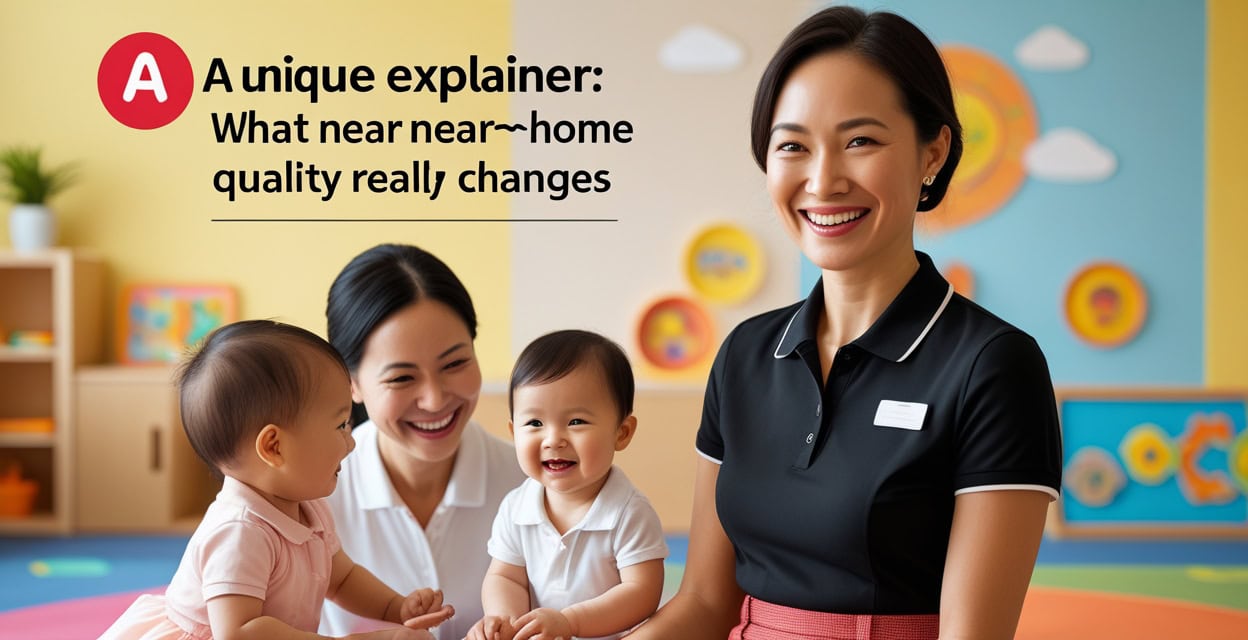
A Unique Explainer: What Near‑Home Quality Really Changes
- For Infants — Fewer transitions, stronger secure attachment, better sleep, faster stress recovery, and richer language development through consistent serve‑and‑return with the same trusted adults.
- For Parents — Shorter commutes, calmer handovers, transparent oversight, and a caregiver who understands your child’s morning mood and afternoon appetite.
- For Communities — Local employment grows, blocks become safer through regular presence, and the city network becomes more supportive and watchful—in the best possible way.
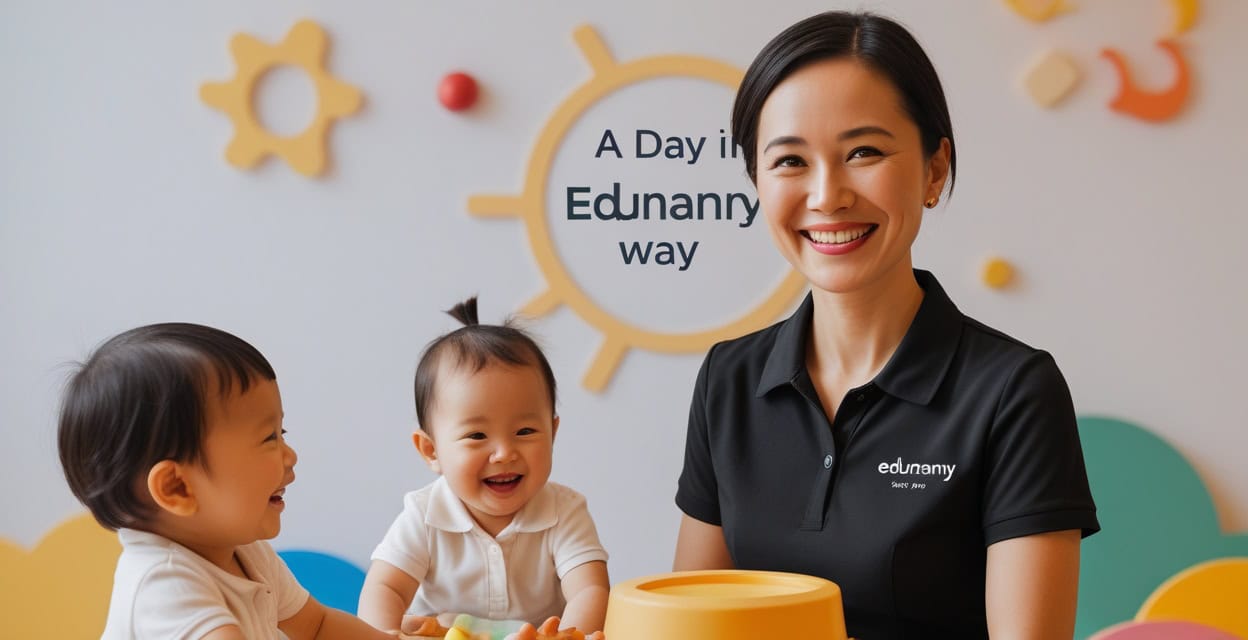
A Day in the Life, the EduNanny Way
Sample day highlights that illustrate the rhythm and practice:
- 7:03 a.m. A caregiver kneels to a child’s level. “Good morning, Kai. Mum will be back after your afternoon nap.” Goodbye is clear, predictable, and kind.
- 9:20 a.m. Floor time with simple materials. The caregiver narrates Kai’s actions: “Your fingers found the edge; you’re reaching.”
- 12:05 p.m. Unhurried feeding. “We pause when you pause.” Autonomy begins here.
- 2:15 p.m. Nap time. Dim room, comfortable temperature, low white noise, safe sleep checked twice.
- 5:40 p.m. Pickup debrief. Today’s cues, tomorrow’s plan, one small victory. The triangle of parent, child, and caregiver grows closer in trust.
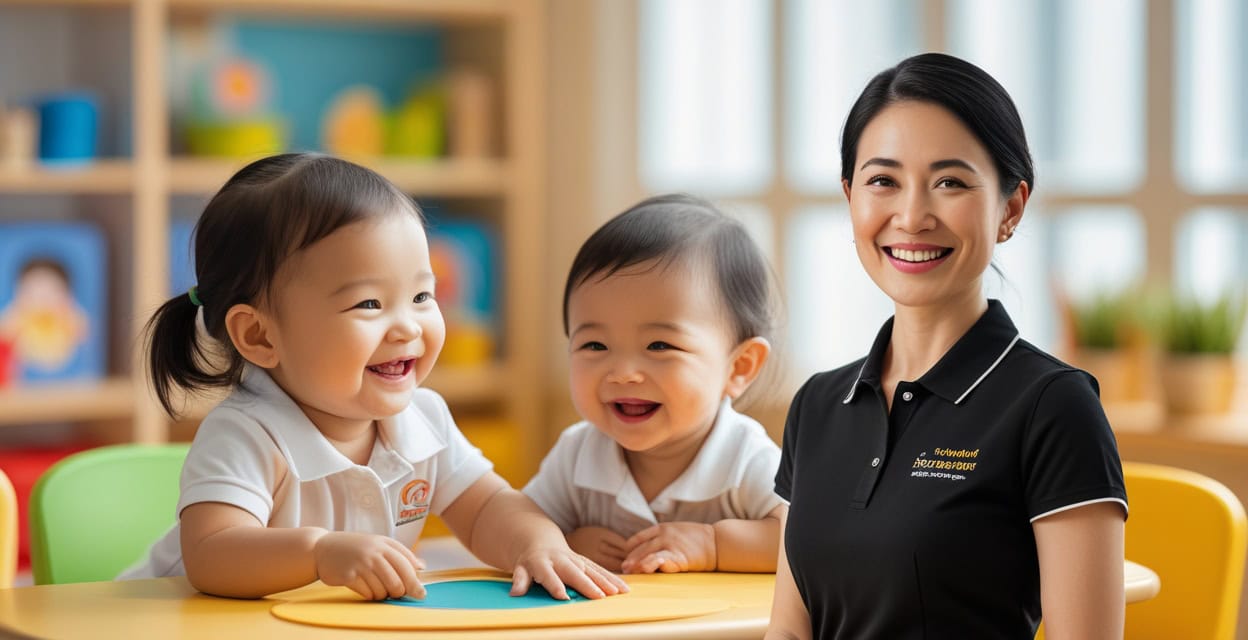
Why This Matters Now
Singapore’s commitment to planning generations ahead aligns with EduNanny’s focus on the first thousand days—the window of maximum developmental return. Nearby, attuned, consistent care reduces parental stress, boosts workforce participation, strengthens neighborhood bonds, and helps infants form healthy expectations: “Adults respond. The world makes sense. I am safe. I can try.”
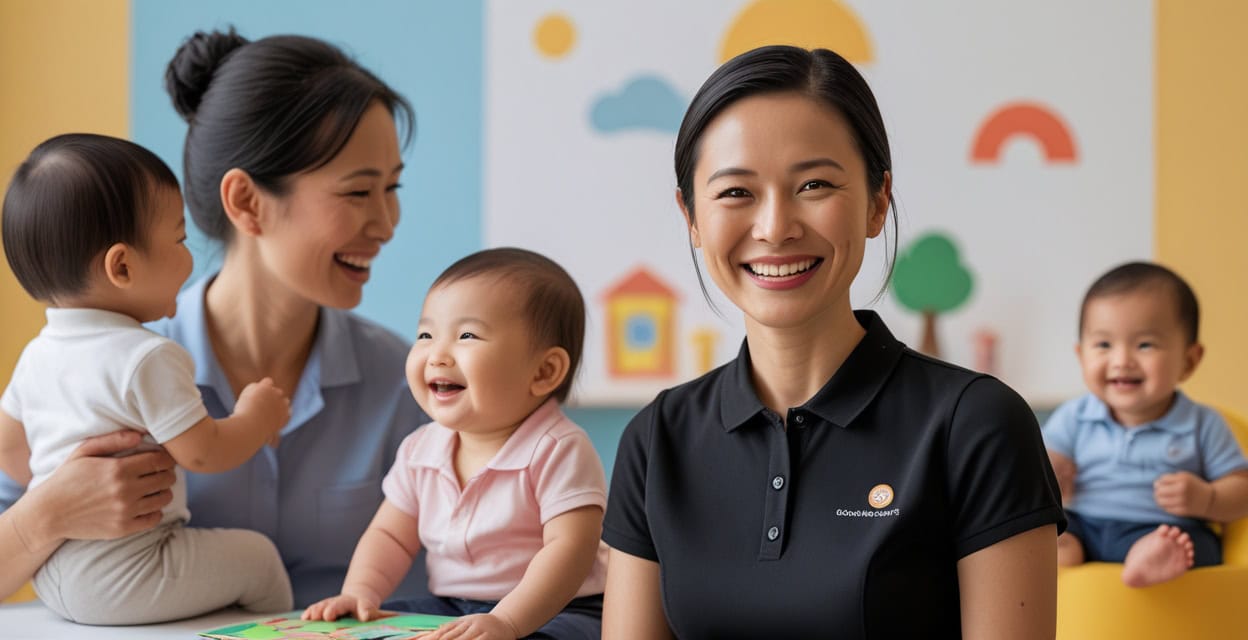
Concluding Call: Who, What, When, Where, and How Childminding Matters
- Who — Infants and families across Singapore; professional childminders who bring skill and heart; communities that become kinder through proximity.
- What — Childminding as a disciplined, science‑guided, love‑expressing practice that protects safety, deepens attachment, and sparks development.
- When — Weekdays, 7 a.m.–7 p.m., with emphasis on the first thousand days of life.
- Where — Near home, in centres and home premises islandwide, with distance support for families wherever they are.
- How — Through ultra‑low 1:3 ratios, Observe–Co‑Regulate–Invite pedagogy, layered safety, CCTV transparency, modern environments, and a social mission that dignifies the profession and lowers barriers for parents.
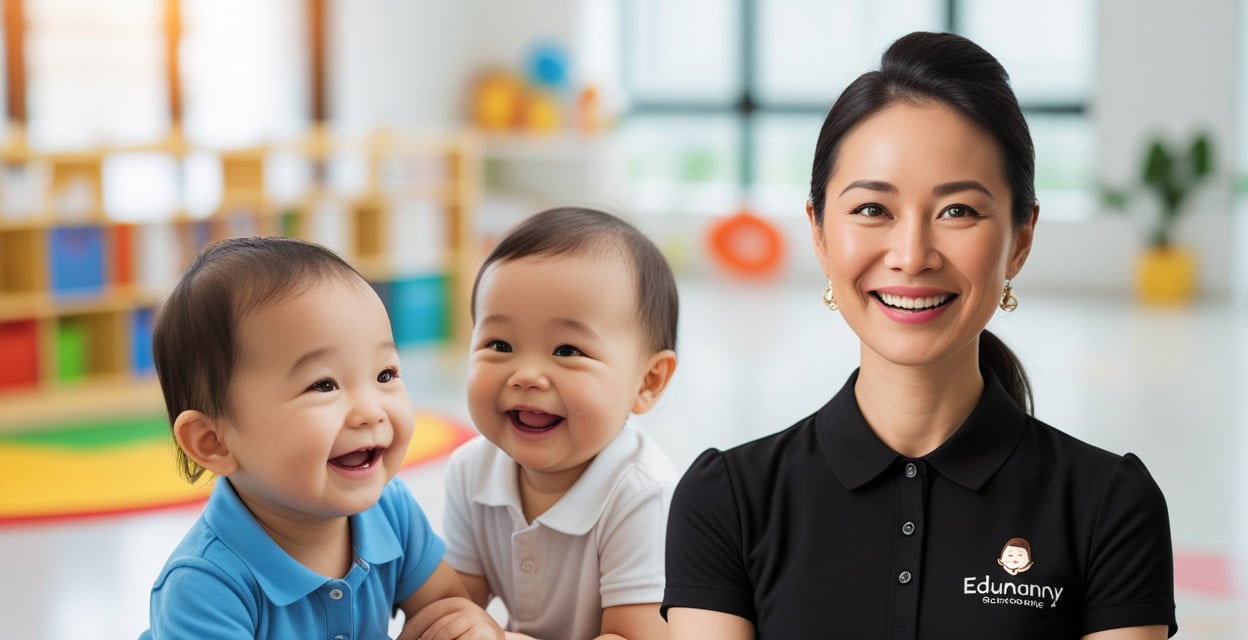
The Philosophy and Purpose of EduNanny Childminding
We believe every infant is a citizen now, and every caregiving exchange is a moment of civic education. Confidence is learned in small rooms before it is demonstrated on big stages. Care should be near home, delivered by trained professionals who know your child and your street; safety should be visible and verifiable; joy is a vital sign; and partnership with parents is the curriculum beneath the curriculum.
To the parent at 6:58 a.m., know this: when your hand leaves your child’s back, ours is already there. The room is ready. The ratio is right. The eyes are warm. The plan is personal. And the future—quietly, confidently—begins.
Conclusion
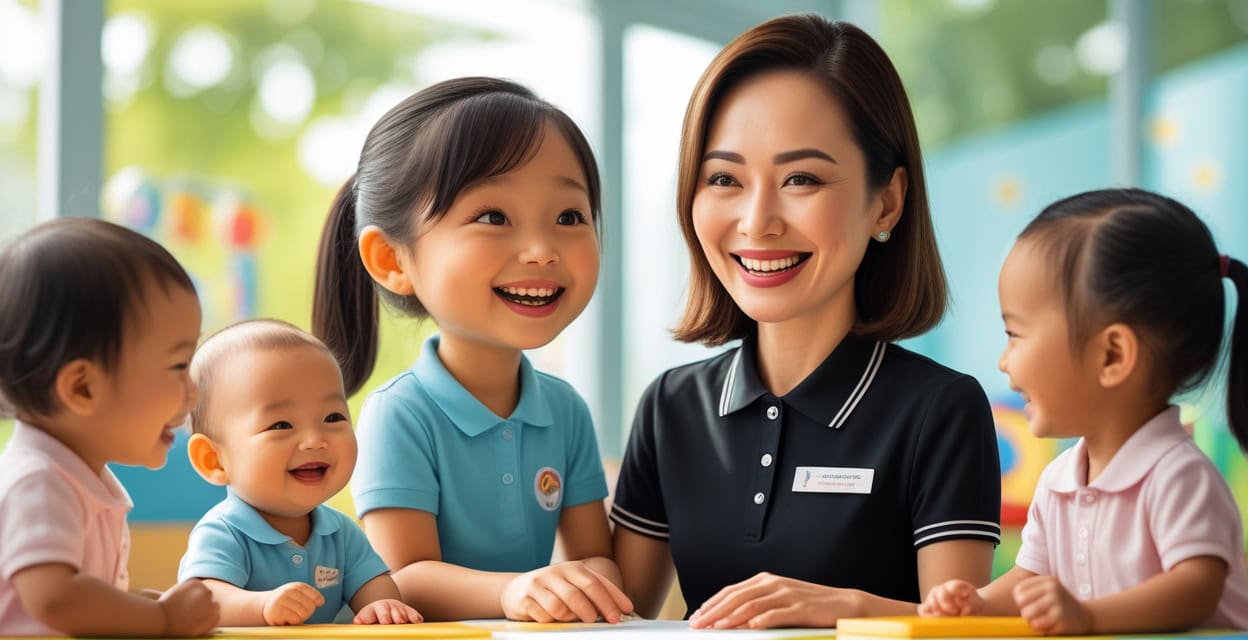
EduNanny is more than a service; it is a framework for nurturing capable, confident, and socially connected young Singaporeans. By placing care near home, prioritizing rigorous pedagogy, and measuring joy as a developmental signal, we create a scalable model that benefits children, families, and communities alike. If you seek a trusted partner for your child’s earliest days—one that combines research, heart, and practical support—join us in shaping a brighter future, one small moment at a time.
Join us. EduNanny.com | Childminding.EduNanny.com
[#EduNannySingapore, #InfantCareSingapore, #NearHomeCare, #EarlyChildhoodDevelopment, #ChildmindingSingapore]