
Shaping the First Thousand Days in Singapore Through EduNanny Near Home 1 to 3 Infant Pods December 2024 to December 2027
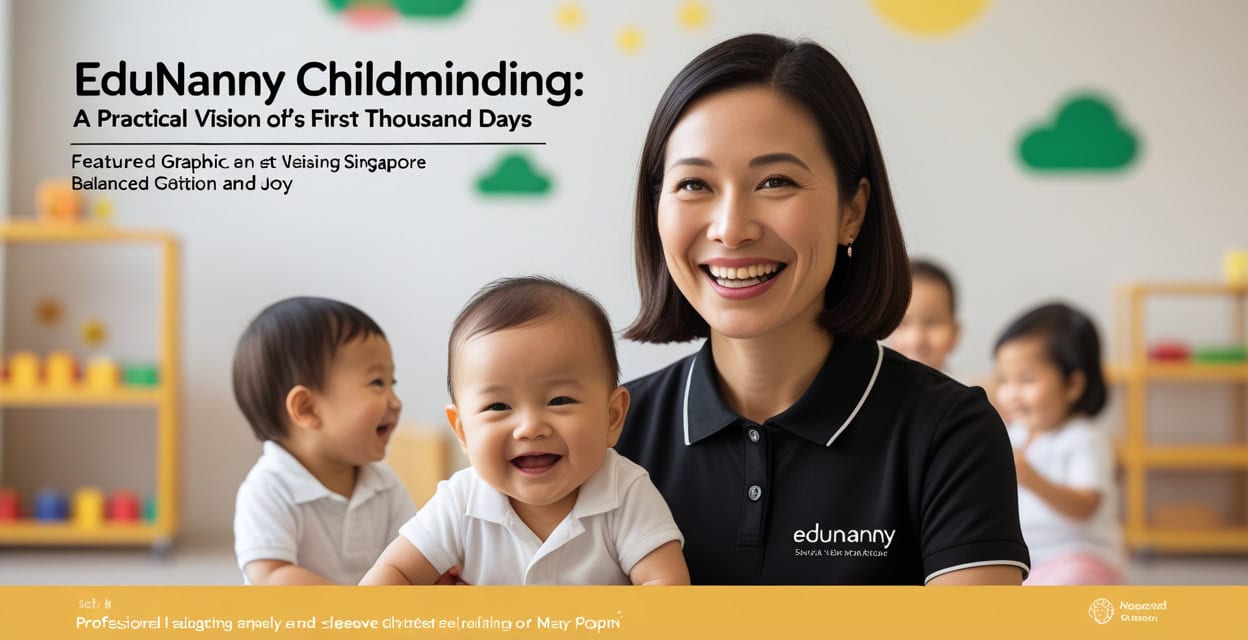
EduNanny Infant Childminding: A Practical Vision for Singapore’s First Thousand Days
Good evening, parents, caregivers, neighbours, and partners in Singapore’s future. This article expands on the speech that introduced EduNanny Infant Childminding Service—an entrusted operator under ECDA’s three-year Childminding Pilot (1 December 2024 to 31 December 2027). We translate that vision into a comprehensive, actionable guide for families seeking near-home care that blends heart, science, safety, and community.

Introduction to EduNanny Infant Childminding Service
EduNanny makes infant care and childminding great in Singapore by combining three essentials that matter most to families in the first thousand days:
- Tiny groups, big attention. We uphold an ultra‑low ratio of 1 childminder to a maximum of 3 infants. Fewer transitions, calmer days, and a caregiver who notices the quiet signals that matter.
- Near‑home access, national standards. Care occurs in warmly prepared community spaces or in childminders’ homes—always vetted, always prepared, always designed around infant safety. ECDA conducts background checks on our childminders and household members with regular access for home‑based care. Our childminders complete mandatory training, including Infant First Aid and Basic Infant Care.
- Transparency you can feel. We pair highly trained childminders with practical tools—structured routines, health and hygiene protocols, daily updates, and CCTV in centres. CCTV is offered in designated home caregiving areas during hours of care where families and childminders consent. Safety is visible, not just promised.
This is a national, people‑first effort. Under the ECDA pilot, infant childminding is subsidised and affordable during typical working hours; parents may tap CDA/Baby Bonus funds. Parents choose half‑day (5 hours) or full‑day (10 hours) blocks between 7am and 7pm, Monday to Friday, islandwide—so that family life and work life can both breathe.
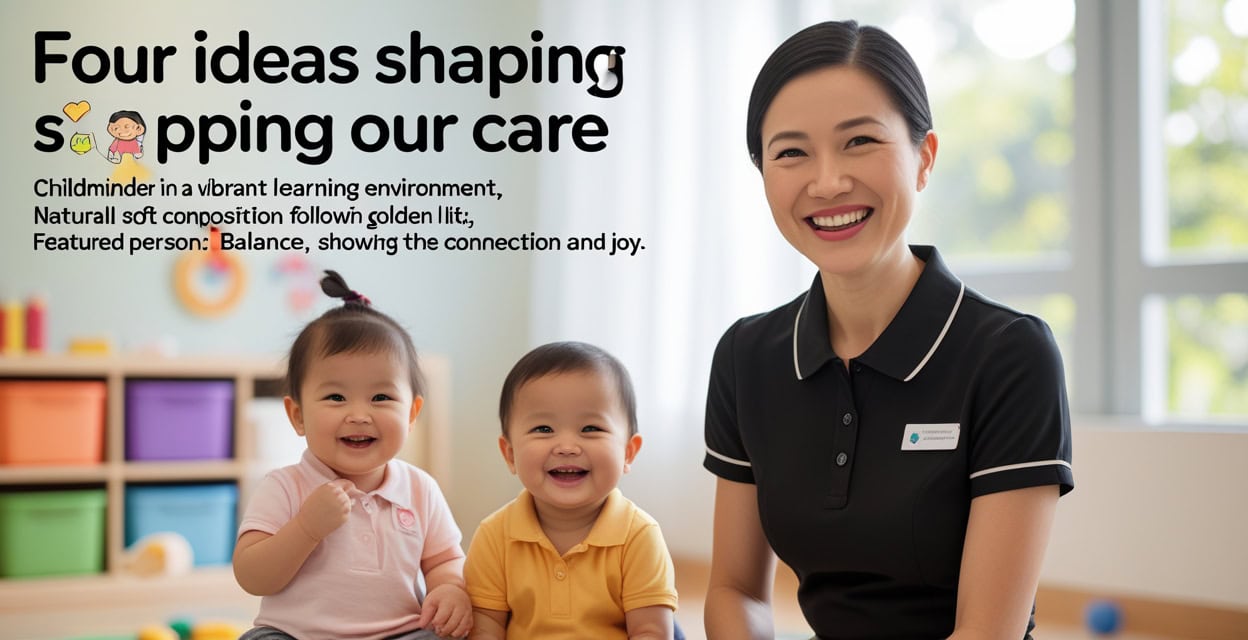
Four Ideas Shaping Our Care
1) Attunement in Action: A Living Pedagogy for the First Thousand Days
We translate the wisdom of Pikler, Montessori, Vygotsky, and Bowlby into minute‑by‑minute practice.
- Attentive handling: Every care moment—feeding, changing, settling—is slow, narrated, and responsive. Your child is not managed; your child is met. Example: During diaper changes, a caregiver narrates, “You’re being wiped clean—nice and soft,” while maintaining eye contact and a gentle touch to support regulation.
- Prepared micro‑environments: Low, safe mirrors; open floor space; soft textures; and age‑appropriate materials that invite movement, grasp, and gaze. Actionable home tip: set up a simple “exploration mat” with a few safe textures and a mirror at infant height.
- Gentle scaffolding: We offer just enough support and just enough challenge to invite agency—because competence begins with trust. Practical idea: gradually increase the duration of independent play with a fixed routine, then slowly extend as the infant shows readiness.
2) Safety as a System, Not a Slogan
Safety lives in our ratios, rooms, and routines.
- Environment: Edge guards, outlet covers, secured storage, hygienic surfaces, and sleep areas aligned with safe‑sleep guidelines.
- People: Certified EduNanny Childminders; ECDA background checks; mandatory Infant First Aid; food safety training; ongoing supervision and refresher courses.
- Process: Daily “Safe Start” checklists, sanitation cycles, incident protocols, and real‑time escalation pathways. CCTV is available in centres; CCTV can be offered for home caregiving areas during hours of care with consent, balancing visibility with privacy.
- Health: A No Sick Child Policy safeguards tiny groups. If medication is needed, require clear written instructions on dosage, timing, method, and signs to watch for.
3) Development Woven into Daily Life
In infancy, the curriculum is care—and care is the curriculum. Practical daily focuses:
- Motor: Unhurried floor time, tummy time with graded challenge, soft‑structure transitions for rolling and crawling readiness.
- Language: Constant rich talk, songs, name‑recognition games, and caregiver narration that builds receptive language long before first words.
- Social‑emotional: Predictable routines, consistent caregivers, and tiny peer groups that nurture turn‑taking, soothing, and shared delight.
- Rest and regulation: Sleep environments that respect circadian cues; feeding and napping as co‑regulated rhythms rather than rigid clocks.
4) The Civic Craft of Childminding
Childminders are skilled professionals stewarding early bonds, not merely assistants.
- Certification and coaching: Structured onboarding, mentorship, and ongoing observation‑feedback cycles elevate daily practice.
- Professional identity: A clear code of practice, reflective logs, and parent conferencing uphold trust.
- Community contribution: Near‑home care reduces commute strain for families and creates meaningful work pathways for caregivers—supporting Singapore’s broader employment goals. EduNanny calls this our “maximum employment mandate.”

Service Snapshot and Benefits
- Ultra‑Low Ratio: 1:3 infant ratio (one childminder to a maximum of three infants).
- Ultra‑Low Density: Calm, small‑group settings for safer, more attentive care.
- Certified and Background‑Checked: All EduNanny childminders are trained; ECDA conducts background checks on childminders and relevant household members.
- Safety and Visibility: CCTV in centres; CCTV offered for home‑based caregiving areas during hours of care with consent.
- No Sick Child Policy: Protects the wellbeing of all infants; clear pathways for care continuity.
- Centre‑Based and Home‑Based Options: Islandwide availability in community and home premises.
- Modern Layouts: Clean, light, infant‑first environments prepared for safe exploration.
- Affordable and Flexible: Government‑subsidised during typical working hours—Half‑day (5 hours) at $16.50; Full‑day (10 hours) at $33.00 (before GST); payable with CDA/Baby Bonus for subsidised hours.
- Hours that Work: Monday to Friday, 7am–7pm, excluding public holidays; parents may choose number of days and blocks of hours.
- Islandwide Convenience: Near‑home locations reduce travel, stress, and transition time.
- National Initiative: Appointed under the ECDA Childminding Pilot (1 Dec 2024–31 Dec 2027).
- Quality and Excellence: Structured oversight, continuous training, and detailed daily updates.
- Innovation and Transparency: CCTV and digital touchpoints that strengthen trust while respecting privacy.
- EduNanny by BUTLER: A dedicated operator offering a concierge‑level parent experience.
- Two Delivery Models: Home base and centre based, with one standard of care.
- Maximum Employment Mandate: Enabling more parents to work with peace of mind while building a skilled caregiving workforce.
- Learn More: EduNanny.com and Childminding.EduNanny.com.

A Day in the Life of an EduNanny Infant
Understanding a typical day helps families imagine a smooth transition between home and EduNanny care.
- Arrival and “Safe Start”: Health screening, settling ritual, and a quick handover chat.
- Gentle Transitions: Predictable flow of play, care, and rest—calm, never rushed.
- Developmental Moments: Tummy time, quiet exploration, songs, finger plays, and daily outdoor strolls where suitable.
- Nourish and Nap: Feeding as connection; rest as restoration—responsive to cues.
- Parent Updates: Photos or notes highlighting growth, mood, and milestones.
- Thoughtful Handover: A concise debrief—sleep, feeds, nappies, notable moments—so you go home informed.

Who, What, When, Where, How—Why It All Matters
- Who: Singapore Citizen infants aged 2 to 18 months who are not concurrently enrolled in ECDA‑licensed infant care centres.
- What: Infant childminding in tiny groups—1:3—in home or community settings meeting national safety expectations.
- When: Weekdays, 7am to 7pm (excluding public holidays), in half‑day or full‑day subsidised blocks—so your schedule can flex.
- Where: Near your home, islandwide Singapore—shorter journeys mean smoother landings for infants and parents alike.
- How: Certified EduNanny Childminders, ECDA background checks, infant‑first environments, safety systems, and parent transparency tools.
- Why: Secure attachment, safety, and joyful curiosity in the first thousand days build the inner architecture for learning, empathy, and resilience—families thrive when they can work and care without compromise.

How to Sign Up
- Visit https://edunanny.com/edunanny-ecda-childminding-service/ and fill the form, or enquire via WhatsApp from the same page.
- Receive a response from our EduNanny Concierge Team.
- Confirm your appointment for a site visit (community space or home‑based setting).
- Enroll and choose the days and blocks of hours that suit your family.

Practical Guidance for Parents: Maximising Early Care Outcomes
Beyond the structure EduNanny provides, here are actionable steps families can take to support development during the first thousand days:
- Building secure attachment: Maintain consistent caregiving; if possible, preserve the same caregiver across weeks. Even brief daily rituals—a goodbye song, a favorite blanket—support emotional regulation.
- Language-rich routines at home: Narrate activities during care moments, describe actions, and name emotions. Short, frequent talk builds receptive language and later expressive skills.
- Responsive feeding and sleep: Follow cues rather than rigid schedules. Observe hunger signals, fussiness patterns, and nap rhythms to align care with your infant’s internal clock.
- Active, safe exploration: Create safe spaces for crawling, reaching, and grasping. Introduce varied textures and objects to support fine and gross motor development.
- Home‑school partnerships: Use daily updates as a conversation starter with your caregiver. Share milestones, concerns, and routines to harmonise approaches.
- Transition planning: Prepare infants for transitions with familiar cues (a special toy, a consistent goodbye routine) to reduce stress at drop‑off and return.
- Health and safety at home: Maintain a clean, clutter‑free environment; designate a safe sleep space; ensure small objects are out of reach; monitor for fever or contagious symptoms and follow No Sick Child Policy guidance.

Conclusion
EduNanny stands at the intersection of science, safety, and human connection—delivering care that respects the infant’s pace while supporting families to work, learn, and grow. By adopting ultra‑low group sizes, near‑home access, and transparent safety practices, we turn the first thousand days into a foundation for lifelong learning, empathy, and resilience. If you are seeking care that treats your child’s early days as sacred—near your home, with professional carers, and with a clear path to peace of mind—EduNanny invites you to explore a site visit and begin a partnership that truly supports your family’s needs.
Thank you for considering EduNanny as part of Singapore’s national effort to make infant caregiving affordable, reliable, and deeply human. We look forward to welcoming you and your little one for a warm hello and a meaningful first experience together.
Learn more and sign up today at EduNanny: edunanny.com/edunanny-ecda-childminding-service.
[#infantcareSingapore, #earlychildhooddevelopment, #tinygroupcare, #EduNannySingapore, #ECDApilot]