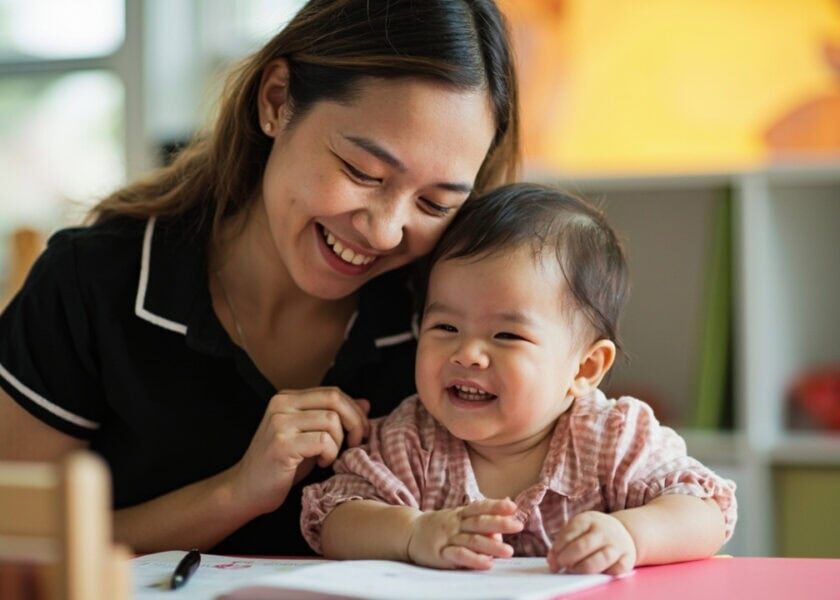
EduNanny Near Home Pods Redefining the First Thousand Days in Singapore 1 December 2024 to 31 December 2027

EduNanny: A New Standard for Singapore’s First Thousand Days
Good evening to all parents, caregivers, partners, and friends. This article expands on EduNanny Infant Childminding—our near-home, ultra–low-ratio caregiving service designed for Singapore’s youngest citizens. We are proud to be appointed by ECDA under the Childminding Pilot for Infants (1 December 2024 to 31 December 2027). EduNanny operates islandwide, Monday to Friday, 7am–7pm, in childminders’ homes and selected community premises transformed into micro‑centers. This piece dives deeply into how our model works, why it matters, and how families can use it to support their child’s development from 2 to 18 months.
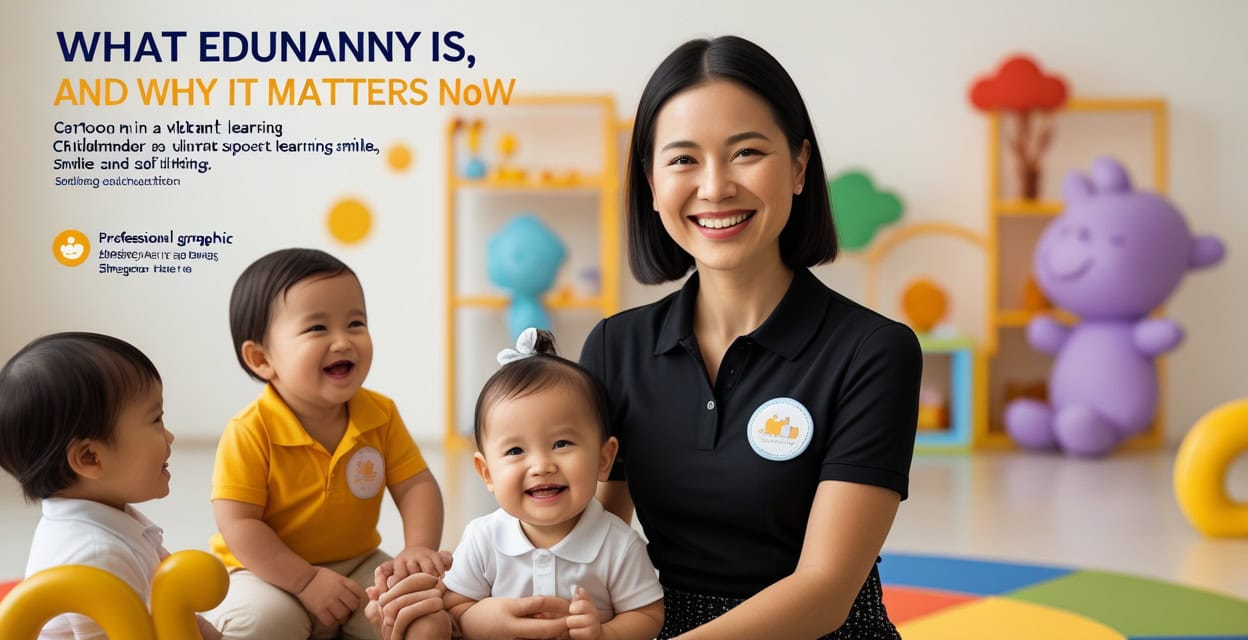
Introduction: What EduNanny Is, and Why It Matters Now
EduNanny Infant Childminding is a near-home, ultra–low-ratio caregiving service designed for Singapore’s youngest citizens—infants aged 2 to 18 months—delivered through tiny, human-centered “micro‑pods” of one childminder to a maximum of three infants. The aim is to transform infant care from a transient phase into a living curriculum of safety, attachment, and discovery. Our approach reflects decades of developmental science and practice—from Maria Montessori and Emmi Pikler to John Bowlby, Erik Erikson, and Loris Malaguzzi—united around one core truth: infancy is not a waiting room for childhood; infancy is childhood in motion.
EduNanny blends three commitments into daily practice: a science of attachment and development, an uncompromising safety culture, and radical convenience and affordability for working families. The result is a system that respects infants’ rhythms, honors families, and strengthens communities by bringing high-quality care closer to home.
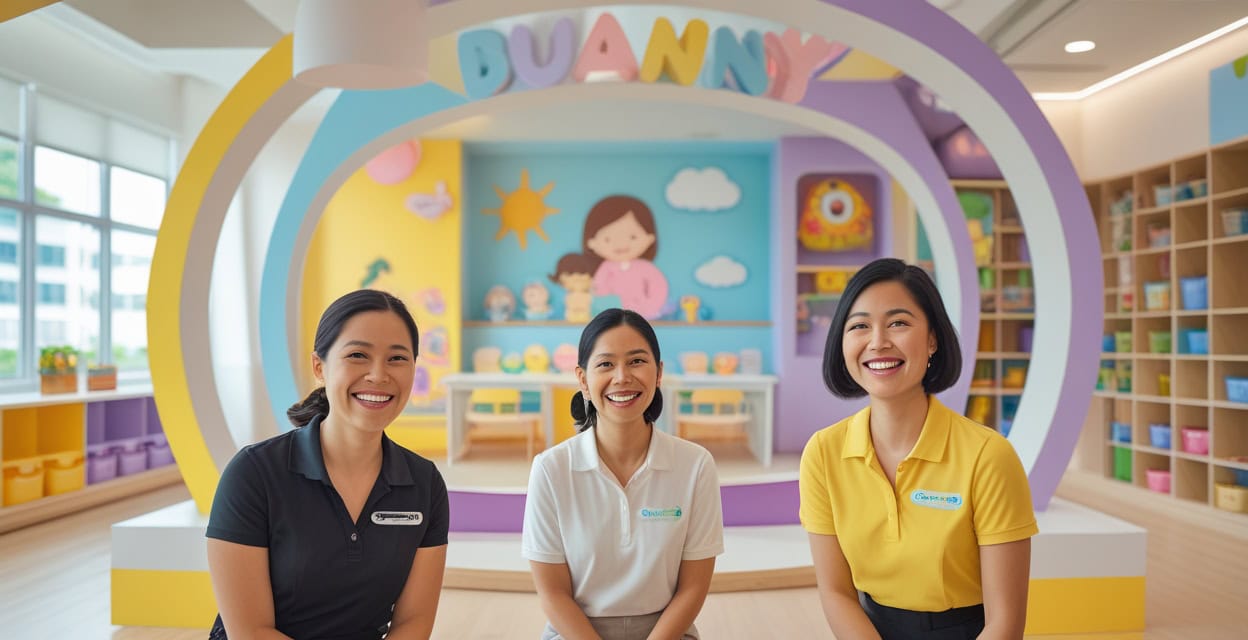
Five Pillars: What Happens Inside an EduNanny Pod
1) The Attunement Arc: A Micro‑Pedagogy of Relationship
One childminder with up to three infants enables responsive caregiving—reading cues, pacing feeds, supporting sleep, and inviting exploration. Practices draw from Pikler’s respectful caregiving and Bowlby’s secure base to turn caregiving routines—diapering, bathing, feeding—into moments of dialogue. We slow down, name what we’re doing, and wait for the infant’s response. Developmental observation is woven into the day. We don’t “teach to the test”; we teach to the child. The childminder curates the environment rather than over‑directing the infant.
2) The Safety Continuum: From Architecture to Action
Safety begins with space and flows into protocols and people. Our approach includes:
- Spaces: Non-slip floors, gated zones, cot-sleep guidelines, separate preparation areas for milk/food, and well-ventilated micro‑pods.
- Protocols: Hygiene cycles, bottle and food safety, safe sleep checks, incident reporting, allergy management, and medication-by-protocol only with parent agreement.
- People: Every EduNanny childminder is certified and background checked. ECDA conducts checks on minders and household members with regular access. Mandatory infant first aid and basic infant care training are baseline, with EduNanny modules in safe sleep, responsive caregiving, and developmental scanning.
- Transparency: CCTV in community premises; opt‑in caregiving-area CCTV in home-based care during care hours with consent to balance privacy with peace of mind.
3) The Rhythm of Care: A Day Built for Brains and Hearts
We design daily rhythms that support robust development without rushing families. A typical day emphasizes gentle transitions, uninterrupted floor play, and responsive caregiving:
- Morning: Gentle handover, health checks, first feed; floor time that invites reaching, rolling, and sensory exploration.
- Midday: Unrushed feeds, safe naps in a secure space, and stroller-free indoor movement to practice core strength and balance.
- Afternoon: Song, babble, book, cuddle; early language and socioemotional bonding; closing ritual and daily notes for parents.
This is not “busywork.” It is the choreography of development: repetition without rush, novelty without overwhelm.
4) The Joy Index: Measuring What Matters
We track the quiet signals that indicate wellbeing and growth:
- Steady sleep-wake patterns and interest in play.
- Growing tolerance for brief separations and eager reunions with caregivers.
- Daily moments of curiosity, social smiles, and active exploration.
We partner with families on shared goals: identifying near milestones, home self-soothing strategies, and small changes that ease stress for both child and caregiver. Happiness emerges from safety plus competence—a child’s confident exploration leads to joyful learning.
5) The Civic Circle: Why Childminding Has a Public Purpose
Near‑home pods reduce commuting stress, strengthen neighborhood networks, and create dignified employment for trained childminders in heartland neighborhoods. Ultra‑low ratios elevate quality, while affordability through the ECDA Pilot expands access. Childminding is not simply care coverage; it is a public good. When communities invest in the first thousand days, they seed empathy, resilience, and social trust for the long term.

What Sets EduNanny Apart
- Ultra Low Ratio: 1 childminder to a maximum of 3 infants—ensuring true individualized attention.
- Ultra Low Density Environments: Quiet, calm micro‑pods reduce overstimulation and infection risk.
- Certified and Background Checked: ECDA checks plus EduNanny’s advanced care curriculum, including infant first aid and specialized caregiving modules.
- Transparency and Safety Technology: CCTV in community premises; opt‑in caregiving‑area CCTV with consent for home-based care during care hours.
- No Sick Child Policy: Contagious symptoms require recovery at home; we provide return‑to‑care guidance in partnership with families.
- Public Initiative: Part of the ECDA Childminding Pilot (1 Dec 2024–31 Dec 2027) to balance safety, reliability, and affordability.
- Centre-Based and Home-Based Options: Choose a nearby home micro‑pod or a community micro‑center designed for infant safety and comfort.
- Islandwide Operating Hours: 7am–7pm, Monday–Friday, to fit modern working lives.
- Affordability: Subsidies under the Pilot keep costs accessible—half-day (5 hours) from $16.50, full-day (10 hours) from $33.00 (before GST). CDA/Baby Bonus can be used for subsidised hours.
- Modern Layouts and Tools: Purposeful sleep, feeding, and play zones; developmentally appropriate materials; parent-friendly communication tools.
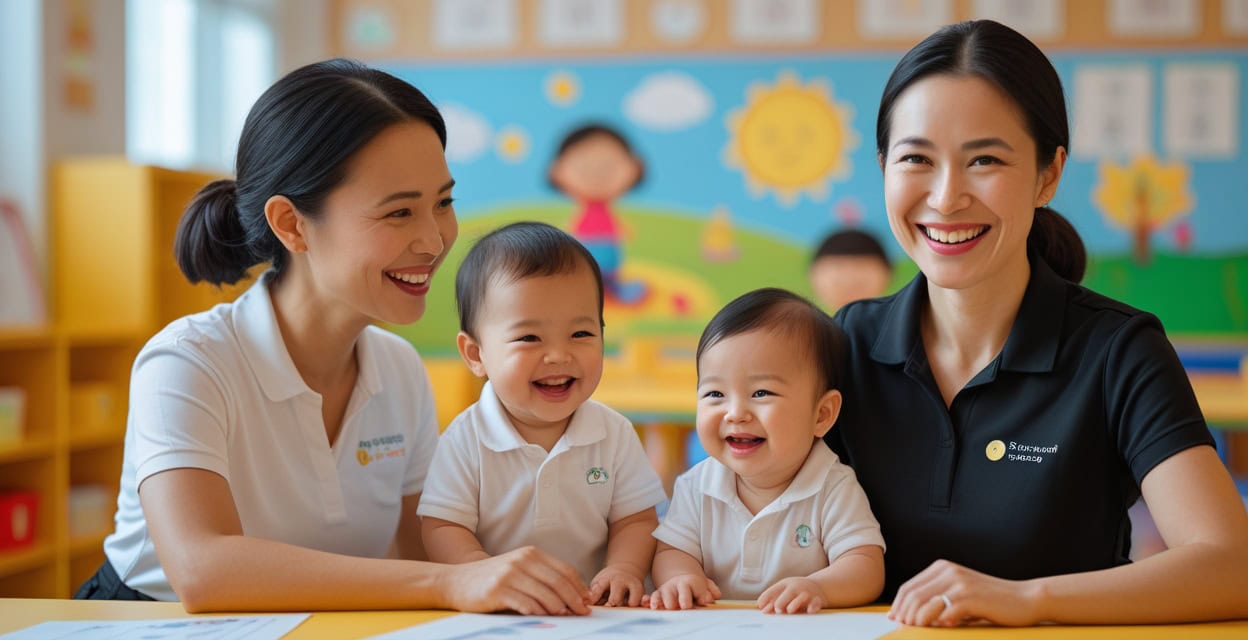
Eligibility and Fees at a Glance
- Who: Singapore Citizen infants aged 2–18 months who are not concurrently enrolled in ECDA-licensed infant care centres.
- When: Mondays–Fridays, 7am–7pm (excluding public holidays), from 1 Dec 2024 to 31 Dec 2027.
- Where: Childminders’ homes and selected community premises across Singapore.
- How Much: Half-day 5 hours at $16.50; full-day 10 hours at $33.00 (before GST). CDA/Baby Bonus monies can be used for subsidised hours.
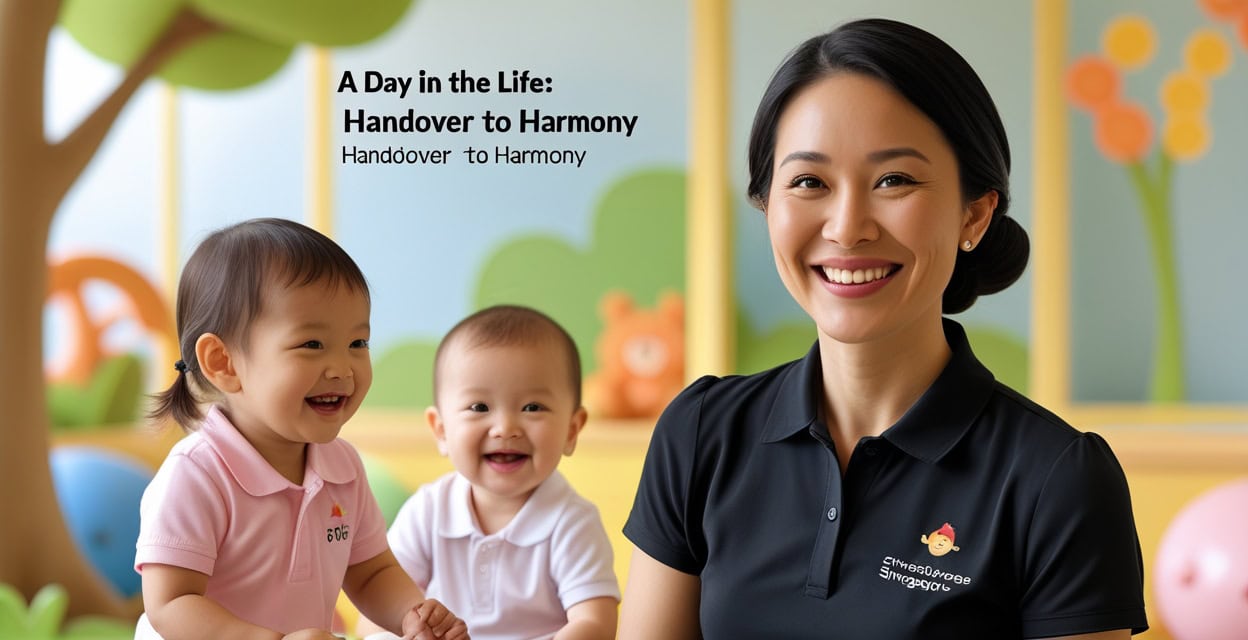
A Day in the Life: Handover to Harmony
This is a practical snapshot of how EduNanny organizes the day to support infants’ developing systems and caregiver-parent partnerships:
- 7:45–8:30am: Arrival, health check, warm handover, first feed.
- 9:00–10:00am: Floor play with careful observation; infants choose reachable materials; childminder narrates actions and feelings.
- 10:00–12:00pm: Nap according to each infant’s rhythm; safe sleep checks at intervals; wake-to-cuddle transition.
- 12:00–2:00pm: Unhurried feeding; fresh diapering with verbal cues; gentle sensory exploration.
- 2:00–3:30pm: Books, songs, finger play; tummy time or supported sitting to build core strength.
- 3:30–4:30pm: Second nap window or quiet rest; closing feed and calm-down routine.
- 4:30–6:30pm: Parent debrief, daily notes, tomorrow’s plan; environment reset and sanitisation.
Practical tip for families: maintain a simple transition ritual—hand over a small item from home, share a signal you both understand, and keep a consistent name for care routines to support sense of security.

Our Safety Promise—What Parents Can Expect
- Clean, hazard-minimised spaces with safe sleep as standard practice.
- Infant first aid readiness and clear incident protocols.
- Transparent communication on feeding, naps, diapers, mood, and milestones.
- Respect for family culture and routines; medications only with written instructions and agreed protocols.
- Proactive illness prevention: No Sick Child Policy for contagious symptoms, with supportive return guidance.
How to Sign Up
Joining EduNanny is straightforward and family-centered. Here are practical steps to get started quickly:
- Visit the official page: https://edunanny.com/edunanny-ecda-childminding-service/ and fill out the inquiry form, or contact us via WhatsApp.
- Our EduNanny Concierge Team will reach out to understand your precise needs and help you explore options near you.
- Schedule a site visit—choose between a home-based pod or a community micro‑center that suits your routines.
- Enrol and secure your preferred schedule and start date; receive a care plan, onboarding checklist, and parent‑minder communication templates.
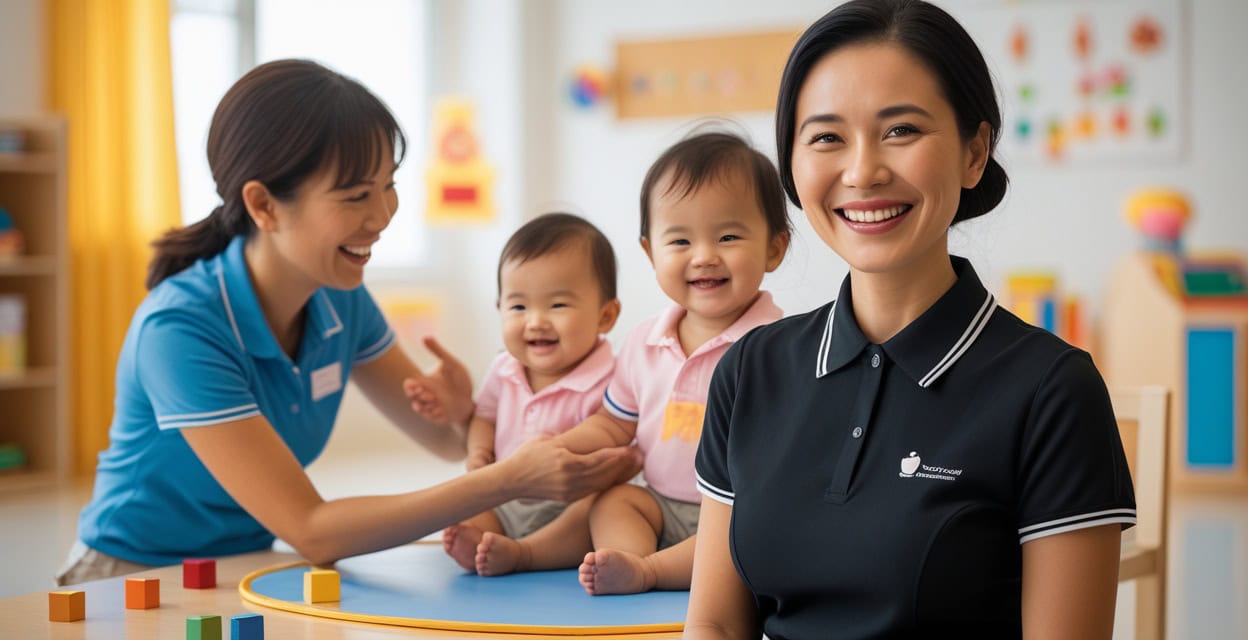
Why Childminding Matters: The Who, What, When, Where, and How
- Who: Singapore Citizen infants, 2–18 months, during the most sensitive window for brain, body, and bond building.
- What: Consistent, attachment-informed care in ultra‑low ratio micro‑pods that prioritize safety, responsiveness, and joyful exploration.
- When: The ECDA Pilot runs from 1 December 2024 to 31 December 2027, weekdays 7am–7pm, with half-day or full-day blocks.
- Where: Near your home—either in a trained childminder’s home or in a selected community micro‑center—with CCTV in community premises and opt-in home-based CCTV by consent.
- How: With certified, background-checked childminders; clear standards; affordable fees; CDA/Baby Bonus support; and a philosophy that turns everyday care into the earliest education.

The Philosophy and Purpose of EduNanny
EduNanny exists to keep the first thousand days human—intimate, predictable, and purposeful. Our guiding beliefs are:
- Safety is the precondition for learning; secure attachments enable exploration.
- Attachment is the engine of development; consistent, responsive caregiving builds trust.
- Play is the work of infancy; play is tolerated and guided as a meaningful pathway to learning.
- Families are co‑educators, not bystanders; transparent collaboration yields better outcomes.
- Community is the classroom beyond walls; social ecosystems support lifelong well-being.
When care comes closer to home and the right relationships are in place, care becomes confidence—trust that grows into curiosity and compassion.

Closing
Let us choose a beginning worthy of our children. Let us shorten the commutes, warm the care, quiet the rooms, and deepen our attention. Let us demonstrate that high quality can be both excellent and affordable, that safety can be rigorous yet kind, and that transparency can be respectful and reassuring. EduNanny invites you to see infant care as a covenant—with your child, with your family, and with the future of Singapore. Visit a pod, watch a smile form, and feel the confidence of a trusted routine. From the first handover to the first hello, we will be there—attuned, prepared, and proud to care.
To register: visit https://edunanny.com/edunanny-ecda-childminding-service/, WhatsApp our Concierge, receive your match and site visit, and enrol.
From the first handover to the first hello, EduNanny will be there—attuned, prepared, and proud to care.
[#keyword1, #keyword2, #keyword3, #keyword4, #keyword5]