
EduNanny A Covenant of Care for Singapore Infants December 2024 to December 2027

EduNanny: A Covenant of Care for Singapore’s Infants
Good evening to all parents, grandparents, caregivers, and friends of Singapore’s youngest citizens. I stand before you not merely to introduce a service, but to extend a covenant of care. EduNanny by BUTLER—appointed under ECDA’s three‑year Childminding Pilot—exists for one clear purpose: to make daily life kinder, safer, and more developmentally rich for infants and more workable and dignified for families across our island. From 1 December 2024 to 31 December 2027, we are bringing professional, science‑rooted infant care into small, neighborhood‑based settings where every baby is seen, known, and loved.
What follows is a deeper exploration of how EduNanny works, why it matters, and how families can make the most of this new model of near‑home, professional infant care.
What is EduNanny Childminding?
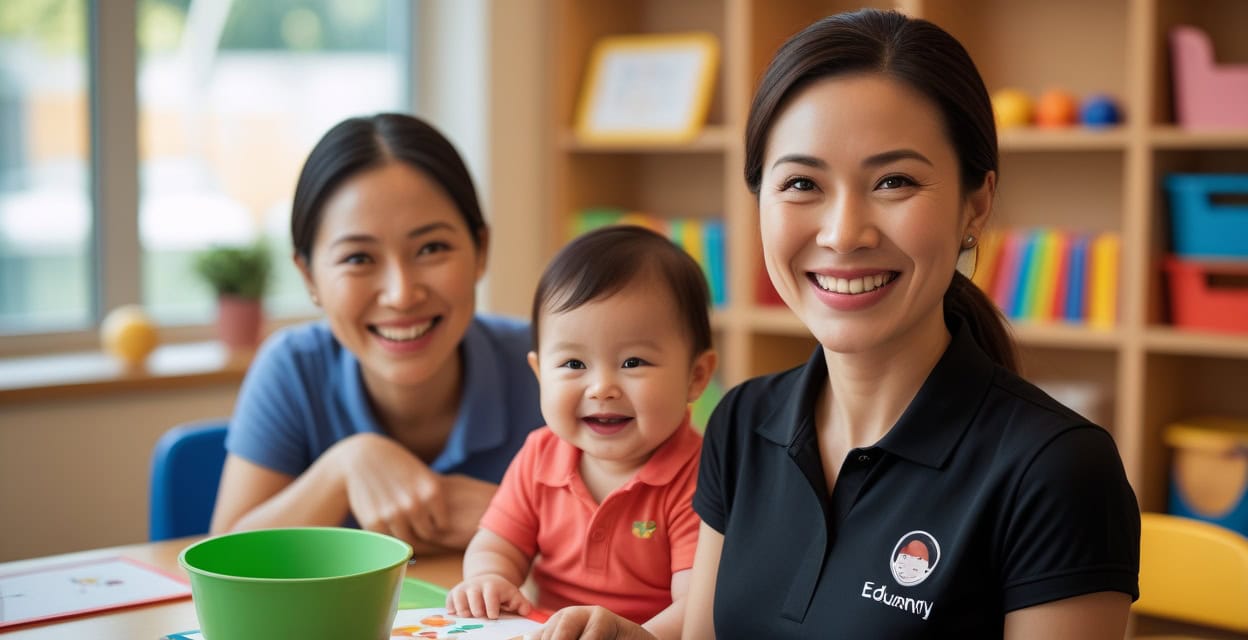
It is intimate care delivered in the smallest meaningful circle—one childminder to one, two, or at most three infants—offered in home‑based or community premises across Singapore. It is Monday to Friday, 7am to 7pm (excluding public holidays), arranged in half‑day 5‑hour or full‑day 10‑hour blocks so that working rhythms, baby rhythms, and household realities can finally align. It is affordable care—government‑subsidised within these hours, at $16.50 for half‑day and $33 for full‑day before GST—with fees payable by CDA/Baby Bonus to reduce worry and widen access. Most of all, it is an intentional blend of safety, attachment, and learning that translates decades of child development science into everyday gestures, routines, and environments.
Ultra‑low ratios and safe, low‑density spaces
We start with the infant—and refuse to scale beyond what human bond and attention can carry. Our ultra‑low ratio of 1:3 is not a marketing flourish; it is the condition for responsive care. We design clean, modern, low‑density spaces where infants move freely and safely. We equip certified EduNanny childminders—trained in infant first aid and basic infant care, assessed for caregiving skill, and background‑checked by ECDA, with checks extending to family members who have regular access in home‑based settings. We embed visibility and trust: CCTV is provided in our community premises as required; for home‑based care, we offer an opt‑in CCTV arrangement in caregiving areas and hours to balance privacy and peace of mind. And we practice health stewardship through rigorous hygiene standards and a No Sick Child Policy that protects little lungs and working rosters alike.
Subsidised, family‑friendly access
EduNanny is designed to fit working families’ realities: near home, predictable hours, and quality care within reach. Government subsidies apply for the defined blocks of care during typical working hours, with the aim of widening access while upholding high standards of safety and caregiver competence. The model explicitly includes support mechanisms such as CDA/Baby Bonus to reduce financial strain on families.
Four commitments at the heart of our pedagogy and practice
1) Attachment first: the architecture of trust
Infancy is built on dependable presence. Our childminders learn and live the discipline of responsive care: to notice cues, to answer cries promptly, to narrate what is happening, to return infants to calm before moving on. A baby who is comforted quickly learns the world is safe; a baby whose signals are answered learns their voice matters. Small ratios make this possible; daily consistency makes it lasting. Parents will meet the same caregiver, day after day, so the infant’s world remains coherent. Practical tips for families: arrange a consistent pick‑up routine; provide a brief cue sheet that helps the caregiver anticipate sleep, feeding, and comfort needs; ask to see the caregiver’s daily log and voice any concerns during the regular handover window.
2) Movement before milestones: freedom to unfold
We draw from Pikler‑inspired practice to protect a baby’s natural motor progression. Rather than propping or rushing, we create safe floor time, varied textures, low shelves, and just‑right challenges. Infants strengthen their core by rolling; integrate their senses by reaching; build balance by pulling up at their own pace. This is not a race to “sit by X months”, but a steady invitation to explore in a hazard‑free environment that has been deliberately prepared. Practical ideas for families: discuss daily floor play routines with the caregiver; share simple at‑home textures (soft mats, safe pillows, low‑height mirrors) that support exploration; ask for a short video or photo summary highlighting new movements and safe play ideas.
3) The talkative day: language as care, care as language
Every caregiving moment is a conversation. We practice “serve‑and‑return” interactions—meeting coos with words, pointing with names, curiosity with encouragement. Diaper changes are narrated; bottle feeds are a duet of eye contact and rhythm; songs, finger plays, and stories seed attention and emerging literacy. In Singapore’s multilingual tapestry, we honor the home language and gently introduce English where families desire, so identity and comprehension grow together. Practical guidance for families: establish a daily “narration routine” during care handovers, label objects in home languages, and gradually introduce bilingual songs or rhyme time during feeding and play.
4) Safety as culture: designed, rehearsed, and seen
Safety is not only equipment; it is a system of habits. We conduct daily environment scans; uphold safe‑sleep checks and bottle‑feeding protocols; sanitize high‑touch surfaces; rehearse emergency responses; and keep medication administration precise and documented when parents request it. CCTV supports accountability—mandatory in community spaces, available by arrangement in home settings during hours of care. Our No Sick Child Policy reduces transmission; our incident protocols ensure clear, timely communication if anything needs attention. Practical action steps for families: review the No Sick Child Policy, prepare a simple “food, sleep, sickness” alert system with the caregiver, and ensure you have an up‑to‑date emergency contact list on hand at every site visit.

A day in the life of an EduNanny micro‑circle
You arrive to a warm greeting and a brief health check. Your infant is settled with their caregiver—one who knows yesterday’s naps, today’s appetite, and the lullaby that always works for the last five minutes before sleep. Morning floor play is unhurried and purposeful: grasping rings here, soft climbing mat there, a song that invites imitation. Feeds are held, not propped; naps follow safe‑sleep guidance; movement happens on the ground, not in gadgets. The day is punctuated by documentation—a brief log, photos where permitted, and notes on cues and milestones. At pick‑up, you receive a considered handover: what was learned, what soothed, what tomorrow might bring. Practical tips for families: request a weekly activity snapshot, ask for a milestone log, and leave a message on the caregiver’s communication notebook if you have evolving routines to share.
Why childminding matters now
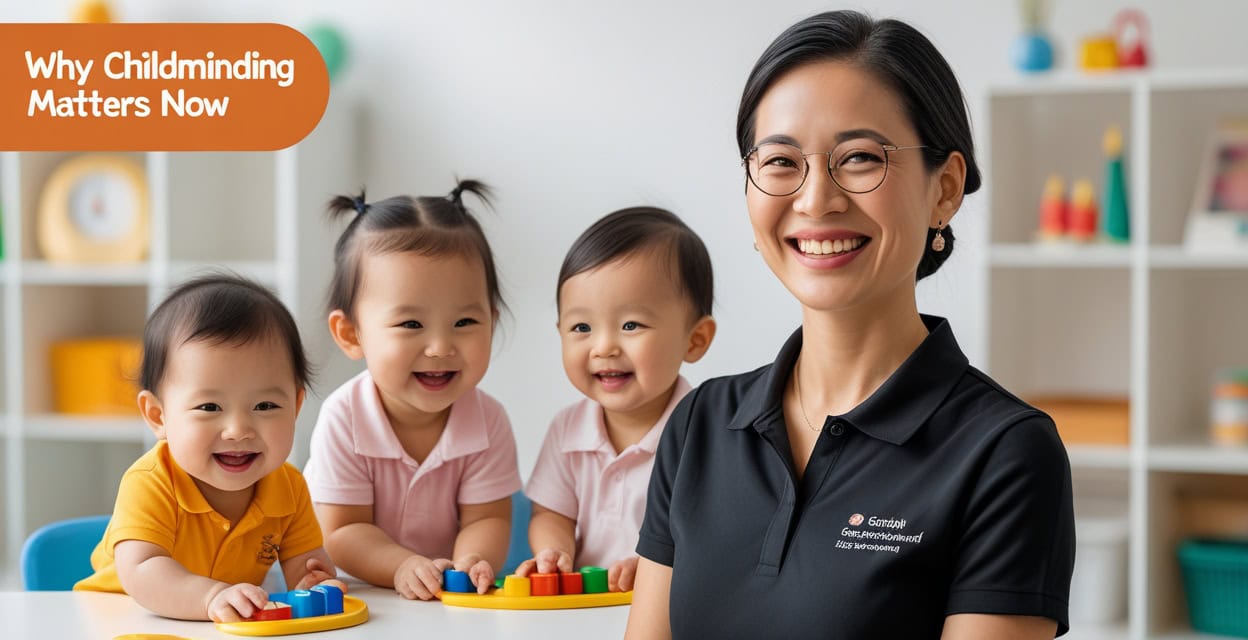
Because in the early months, scale is the enemy of attunement. Scale can erode the finely attuned sensitivity that infants need. Because many families need care that is near home, predictable, and attainable without sacrificing quality. Because infants flourish when a known adult holds the center of their day. And because Singapore’s social promise is kept one neighborhood at a time—when every baby, regardless of postal code, starts life with safety, joy, and a chance to explore. EduNanny is designed to bring high‑quality infant care into communities, with a model that respects both the science of development and the realities of modern families.

The EduNanny advantages at a glance
- Ultra low density, ultra low ratio: never more than 1:3, so every cue is seen and answered
- Certified EduNanny childminders: trained in infant first aid and basic care, assessed and supported
- Certified and background‑checked: ECDA conducts checks, including household members with regular access in home‑based settings
- CCTV provided: installed in community premises; opt‑in in home‑based caregiving areas and hours to balance privacy and reassurance
- Health stewardship: No Sick Child Policy, strong hygiene routines, safe‑sleep vigilance
- Two settings for convenience: home‑based childminding and community/centre‑style premises with modern layouts
- Affordable access: government‑subsidised blocks during typical working hours; half‑day $16.50, full‑day $33 before GST; CDA/Baby Bonus payable
- Working‑day coverage: Monday to Friday, 7am–7pm islandwide (excluding public holidays), with flexible half‑day or full‑day blocks
- Designed for working families: short distances, neighborhood convenience, consistent caregivers
- Part of a national initiative: EduNanny by BUTLER is appointed under the ECDA Childminding Pilot (Dec 2024–Dec 2027)
- Service ethos: excellence, quality, transparent communication, and a culture of continuous improvement
- Social mission: a national initiative that grows professional childminders and raises sector standards
- Learn more: EduNanny.com and Childminding.EduNanny.com
Who, what, when, where, how—so every family can say “this works for us”
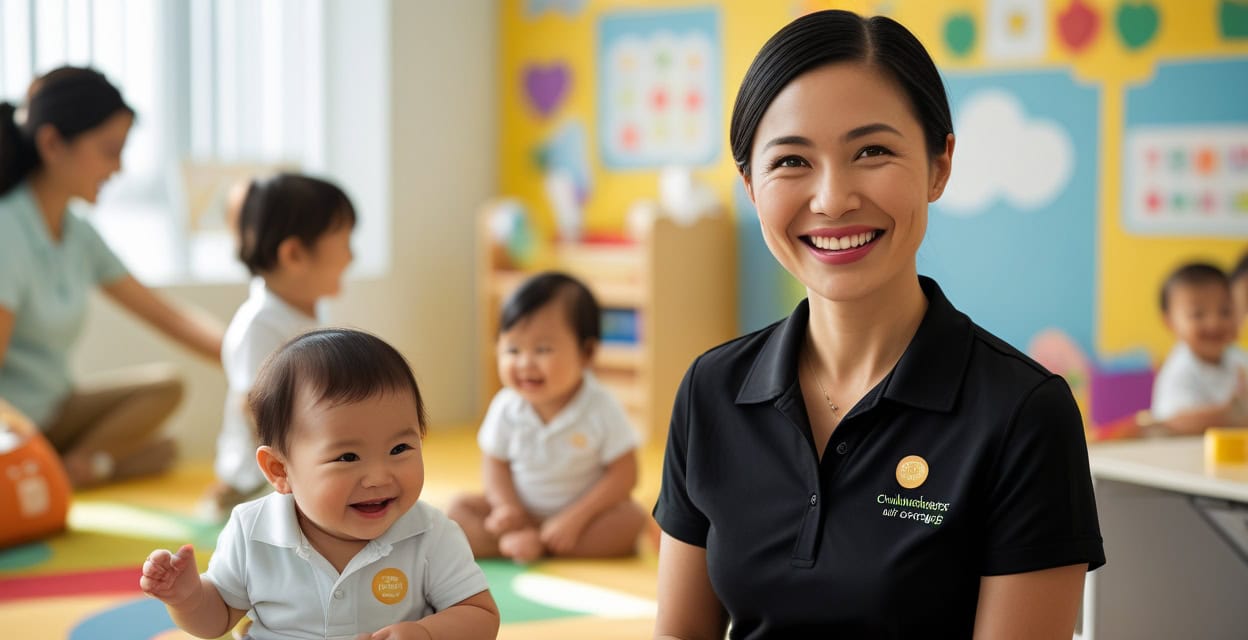
- Who: Singapore Citizen infants 2–18 months not concurrently enrolled in ECDA‑licensed infant care; families seeking trusted, near‑home care
- What: professional, small‑group childminding that blends safety, attachment, and early learning in daily routines
- When: weekdays, 7am–7pm, in 5‑ or 10‑hour subsidised blocks; discuss extended needs with us beyond these hours at regular rates
- Where: home‑based caregiving or modern community premises across the island
- How: certified, background‑checked childminders; low ratios; CCTV in community spaces and opt‑in at home; clear protocols; partnership with parents anchored in respect and transparency
- Why: because infants deserve deep attention and families deserve care that is safe, joyful, nearby, and financially sensible

The philosophy and purpose that guide us
We believe care is curriculum. A soothing voice grows language; a steady hand grows trust; a safe floor grows courage. The point is not to accelerate childhood but to protect its integrity—so that exploration is safe, emotions are welcome, and milestones unfold naturally. Our role is to be the secure base from which your child ventures and the reliable partner to whom you return. When families are supported and infants are known, communities become kinder and the future becomes brighter. Practical implications for families: view daily care as a collaborative partnership; stay involved through regular updates and visits; participate in parent education sessions that accompany the pilot.

How to sign up
Visit https://edunanny.com/edunanny-ecda-childminding-service/ and fill up the form or enquire via WhatsApp. Receive a prompt response from our EduNanny Concierge Team. Confirm your appointment for a site visit (home‑based or community setting). Enrol and begin your child’s gentle start with EduNanny.

In closing
Childminding is not a stopgap; it is a craft. In these small, well‑held circles of care, we honor the science of early development and the soul of family life. Together—with parents as partners, childminders as professionals, and ECDA’s national pilot as a shared platform—we can give Singapore’s infants a daily experience of safety, joy, and discovery that will echo through a lifetime. Thank you for trusting EduNanny by BUTLER to cradle those beginnings with excellence and heart.
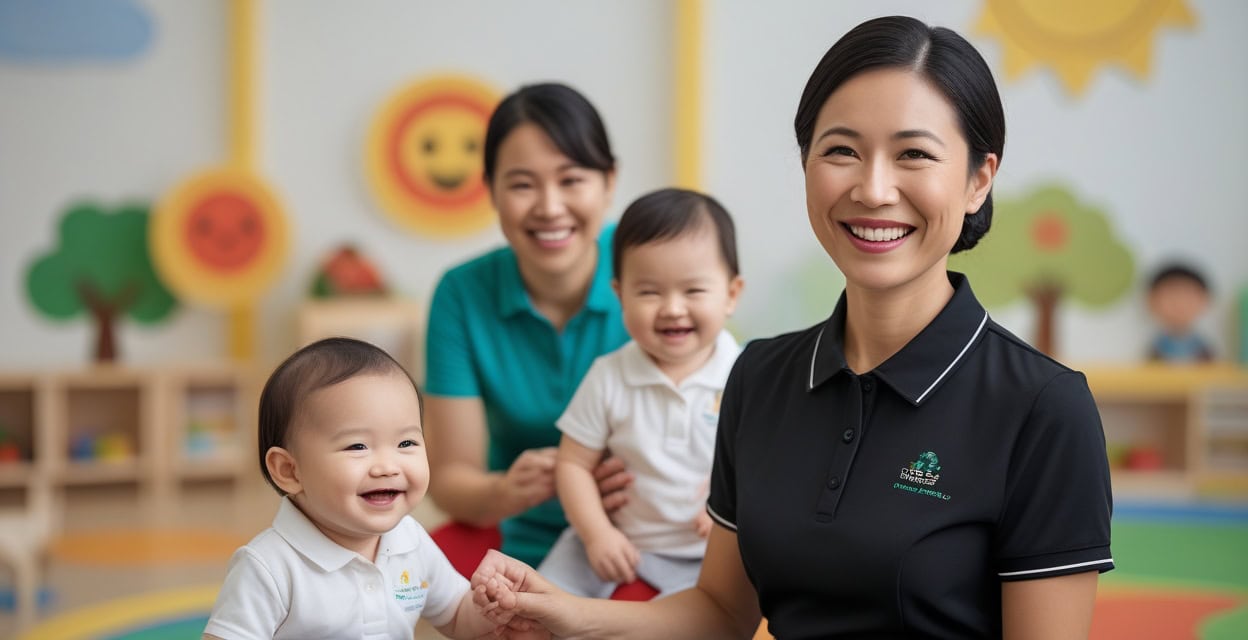
Practical resources and next steps for families
- Prepare for a site visit by listing your infant’s routine, feeding preferences, and any special care needs.
- During a visit, observe the caregiver’s interactions: responsiveness, narration, and warmth; check the cleanliness and safety of the environment.
- Ask about daily documentation: what logs are kept, how milestones are recorded, and what the handover looks like.
- Discuss transition plans: how to introduce your infant to the caregiver, what comfort cues are most effective, and how to maintain continuity if a caregiver is temporarily unavailable.
- Clarify policies on sick days, emergencies, medication administration, and referrals to ECDA resources if concerns arise.
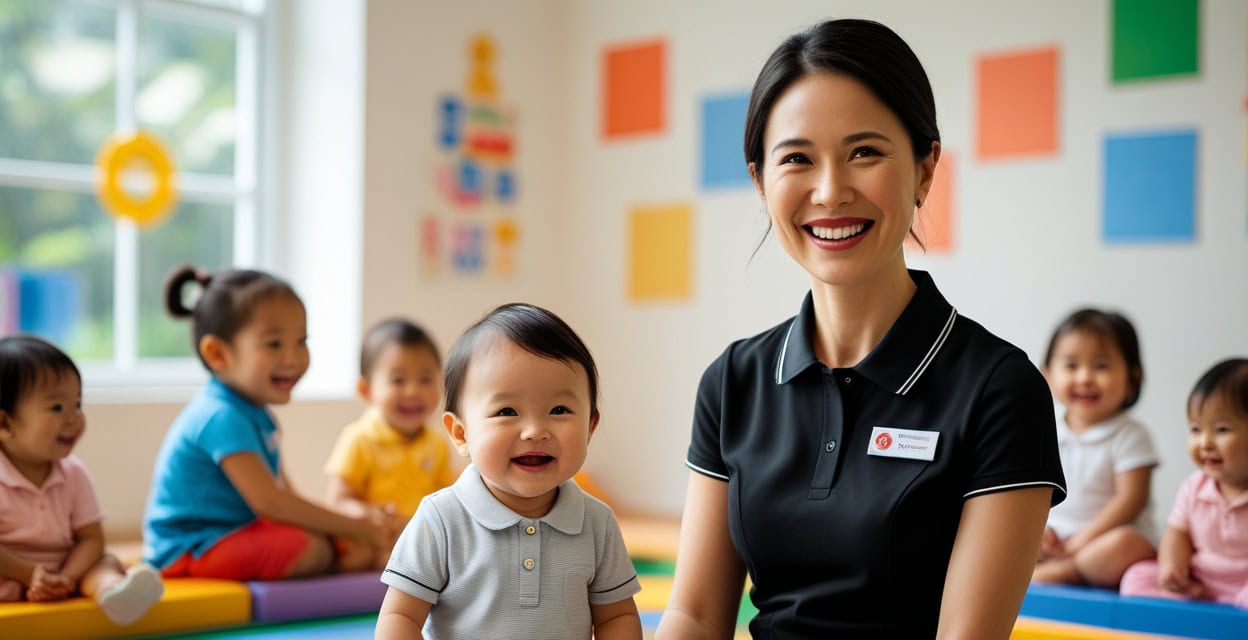
Frequently asked questions (FAQs)
- How is the 1:3 ratio maintained across different settings?
- What training do EduNanny caregivers receive beyond initial certification?
- How does CCTV balance safety and privacy in both community and home settings?
- What happens if my infant becomes ill while at EduNanny, and how are communications handled?
- What kind of parental involvement is encouraged in the EduNanny model?
*Note: All information above reflects the EduNanny model during the ECDA Childminding Pilot period (Dec 2024–Dec 2027) and is subject to ECDA regulations and government subsidies.
[#EduNannySingapore, #InfantCareSingapore, #LowRatioCare, #EarlyChildhoodDevelopment, #HomeBasedChildminding]