Cradling the Nation EduNanny Near Home Model for Safe Joyful Infant Care in Singapore
Overview: EduNanny Singapore and the Public Good of Early Care
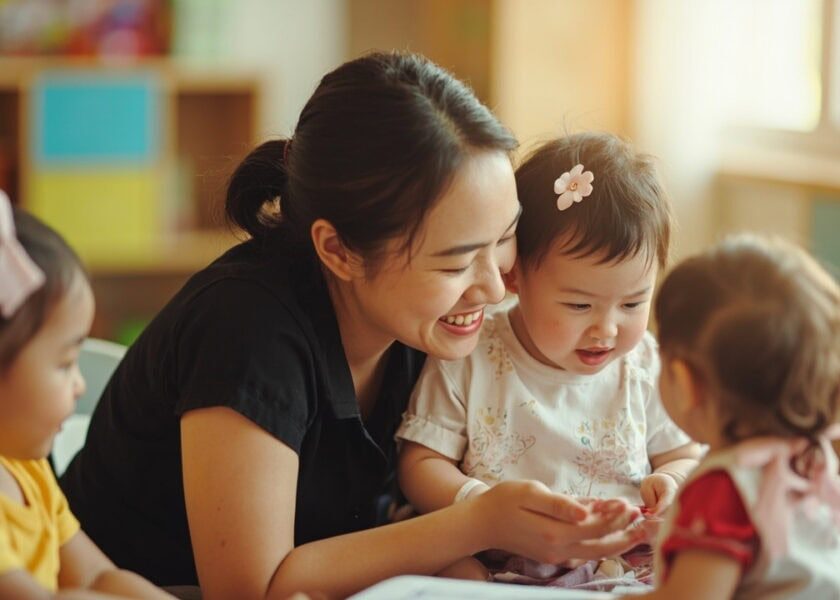
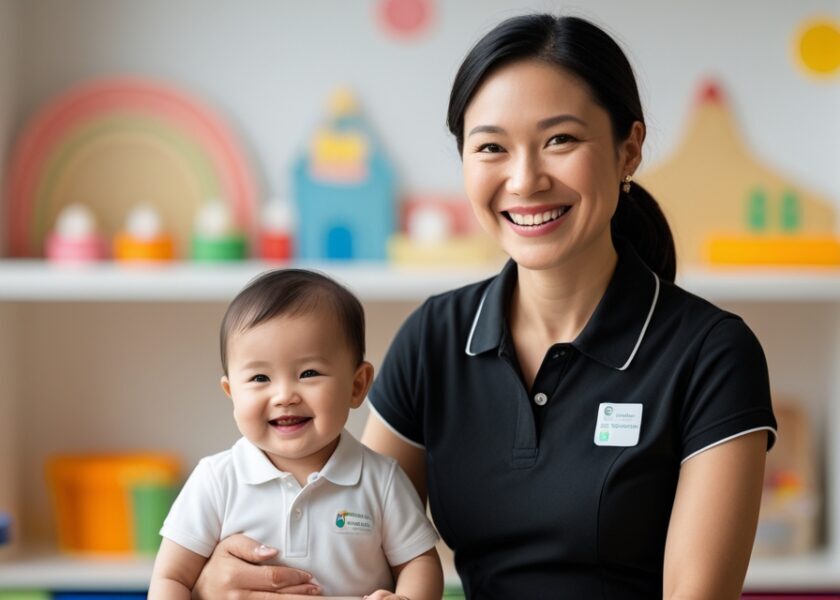
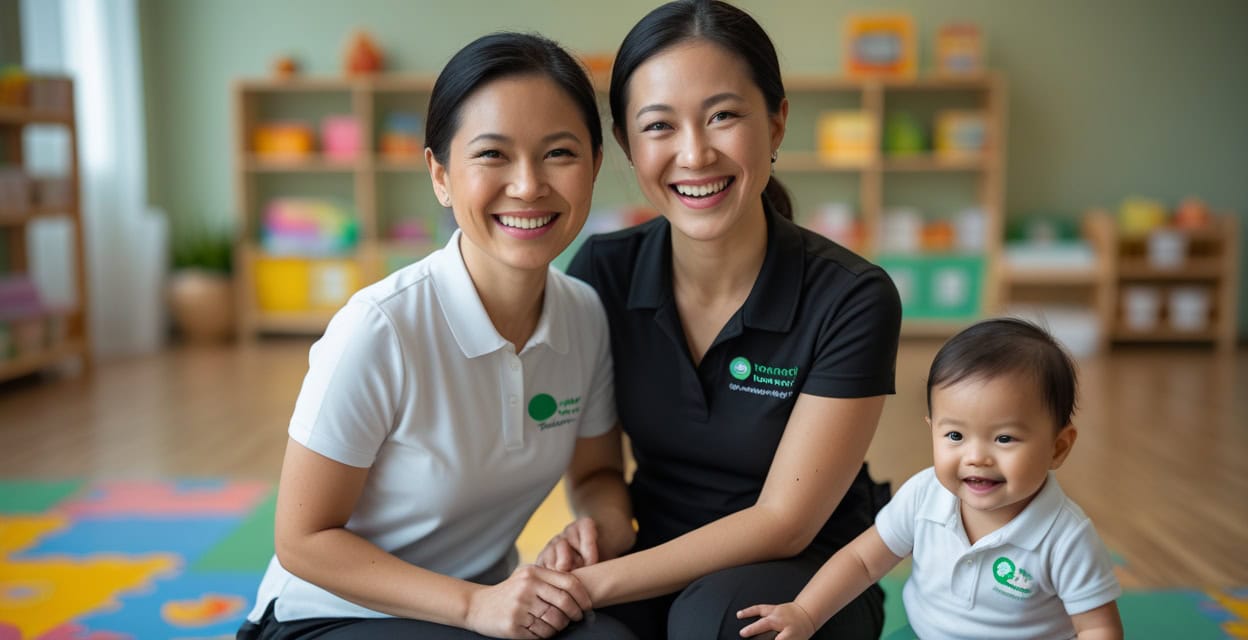
Good evening, parents, caregivers, community leaders, and friends of the youngest among us. EduNanny was founded with a simple, uncompromising belief: a nation’s future is held, quite literally, in human arms. EduNanny by BUTLER is Singapore’s childminding and infant care model that brings evidence-based practice into neighbourhood life—small, calm, and close to home—so families are supported and babies are known, not managed. Aligning with the ECDA Childminding Pilot, EduNanny builds a dignified standard of care that is safe, joyful, and practical for working families. Our promise is clear: low ratios, high trust, and everyday excellence you can see, feel, and afford.
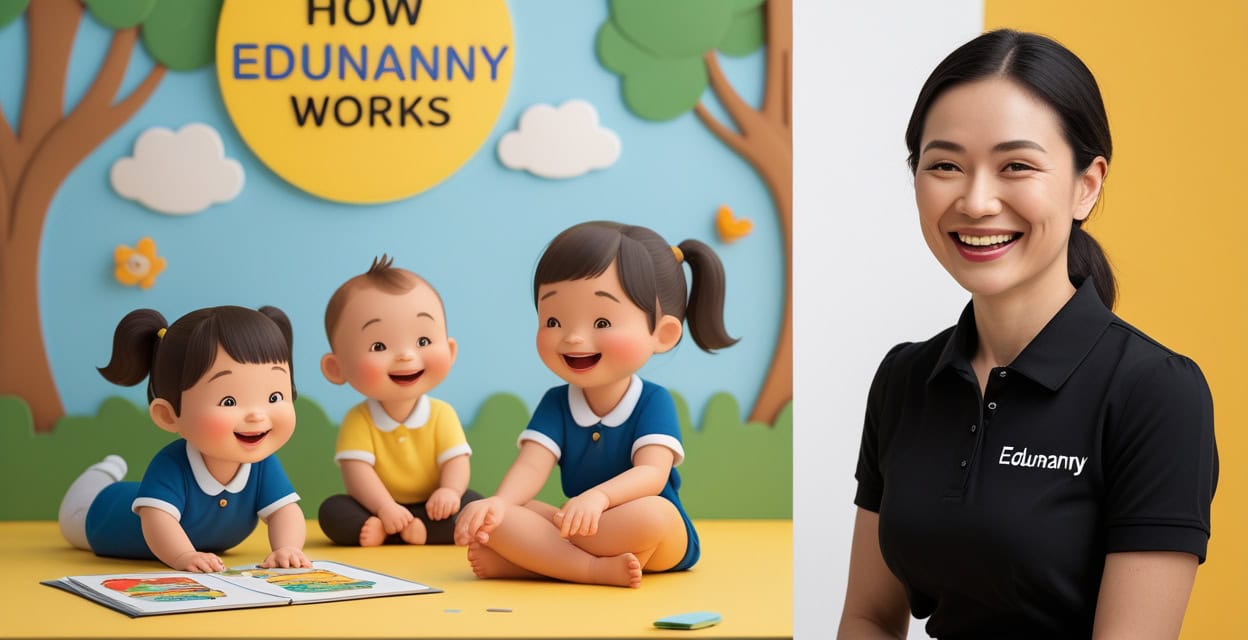
How EduNanny Works: Structure, Access, and Standards
EduNanny designs for what matters most: consistency, safety, development, and family peace of mind. Our programs operate Monday to Friday, 7am to 7pm, islandwide, in centre-based and home-based settings—because care should be present where families actually live and work. We maintain an exceptional 1:3 infant ratio so every child has a primary caregiver who knows their cues, rhythms, and stories. We use modern layouts and privacy-respecting CCTV to make safety visible without turning childhood into a stage. Fees are intentionally accessible—affordable from $33/day—and payable via CDA/Baby Bonus. And because caregiving is a profession, not a fallback, we uphold a Maximum Employment Mandate to train, mentor, and build careers for childminders who anchor our communities.
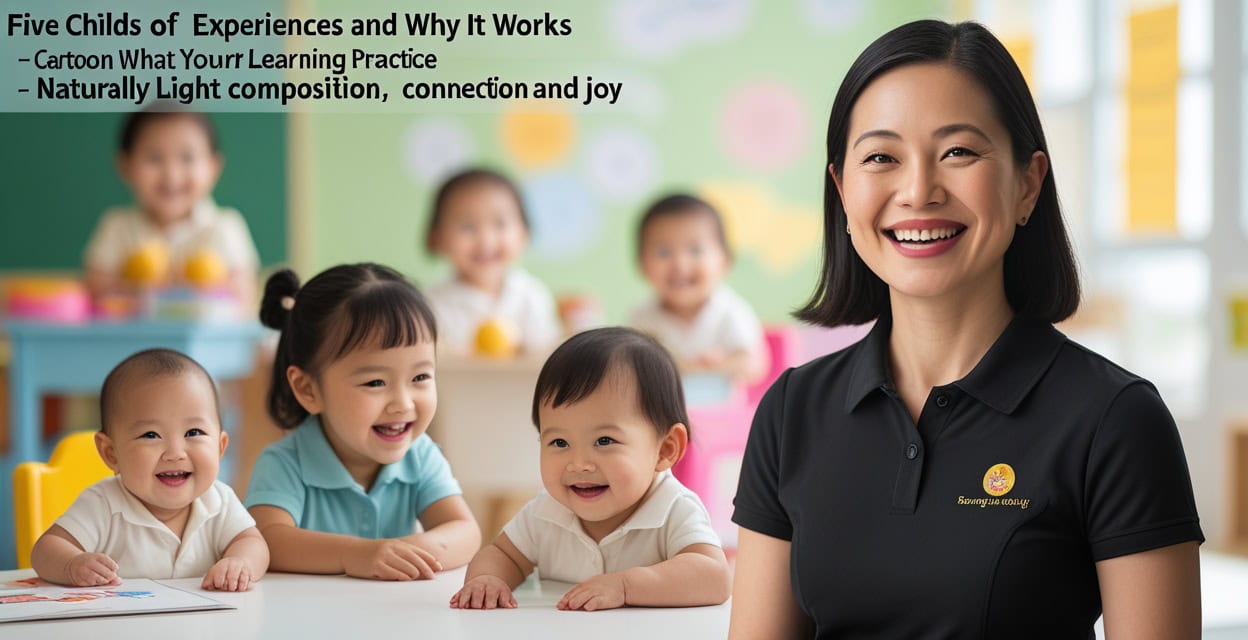
Five Pillars of Practice: What Your Child Experiences and Why It Works
1) Attachment at the centre, learning in the flow
Infants learn through relationships. A small, stable caregiving team paired with a 1:3 ratio allows each child to have a consistent “key person”—a trusted adult who reads signals, co-regulates emotions, and creates a predictable daily rhythm. Practical implications for families:
- Identify and share your child’s key person with your EduNanny team, including cues your child uses when tired, hungry, or overstimulated.
- Ask for a simple daily rhythm overview posted in your child’s room or provided digitally, so you can anticipate transitions at a glance.
- Support secure attachment at home by naming emotions, narrating routines, and responding calmly to needs—your caregiver can mirror these practices for consistency.
- Encourage unhurried moments: feeding, diapering, and settling should be calm, predictable, and relational—this is the true curriculum of early development.
2) Safety you can audit, design you can feel
Safety is architecture, training, and culture:
- Architecture: modern, age-appropriate layouts; soft zoning for sound and light; safe-sleep spaces with clear airway protocols; supervised floor time that respects natural movement.
- Systems: daily hazard sweeps; safe-handling and hygiene routines; infant-specific emergency drills; precise handovers; real-time incident logging.
- Visibility: CCTV with parent access windows and strict privacy controls; standardized checklists you can review; transparent ratios and attendance summaries.
Practical actions for parents:
- Request a safety tour or layout plan of the care environment and ask to review the safety checklists prior to enrollment.
- Ask how handovers are conducted to ensure you receive accurate, timely updates on your child’s day.
- Inquire about privacy protections for CCTV data and how parent access works in practice.
3) Development that respects the infant
Our pedagogy honours the infant’s agency. We offer clean, simple materials and time for uninterrupted exploration. We prioritise:
- Movement: generous, safe floor spaces; guided tummy time; freedom to roll, reach, pivot, and pull to stand without restrictive contraptions.
- Language: warm narration, songs, finger plays, and conversational turns; rich bilingual soundscapes responsive to family context.
- Sensory balance: careful balance of light, texture, and natural sound; intentional management of overstimulation.
- Micro-rituals for learning: unhurried caregiving invites joint attention, cause-and-effect play, and early turn-taking—the quiet beginnings of executive function.
4) Joy as a measurable outcome
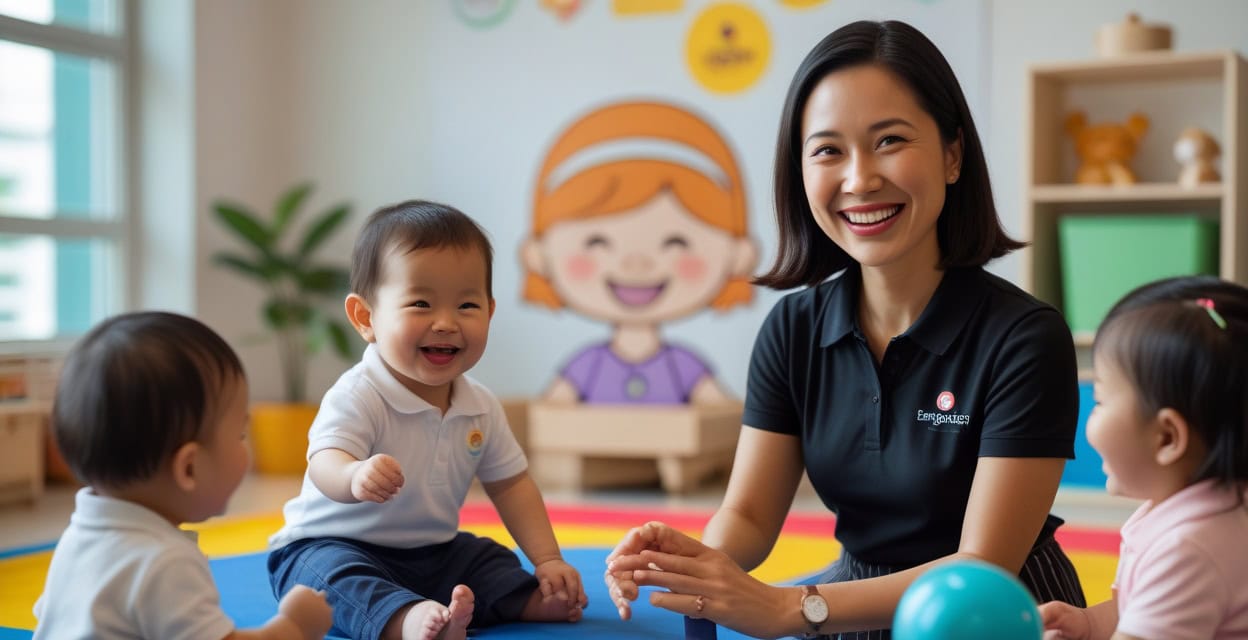
Joyful infancy is evidenced by soft shoulders, bright eyes, and steady sleep. We design for delight without noise: gentler transitions, outdoor time when possible, and shared rituals—morning hellos, goodbye songs, and celebration of milestones. Practical guidance for families:
- Help caregivers observe and name feelings; model patience and reduce shame during waiting periods.
- Participate in small, predictable rituals that create a sense of belonging, such as a special handshake or a goodbye routine.
- Track small milestones with your caregiver in a simple, shared diary to celebrate progress together.
5) The civic purpose of childminding
Childminding is public purpose done privately well. Through the ECDA Childminding Pilot, EduNanny expands meaningful employment, professional training, and neighbourhood resilience. We offer both centre-based and home-based options that knit a “lattice of care” across the island, reducing travel time for families and strengthening community ties. Our Maximum Employment Mandate builds a respected pathway for caregivers—from induction to advanced practice—because the quality of early care rises on the shoulders of skilled adults who are supported and fairly employed.
A Day, in Practice
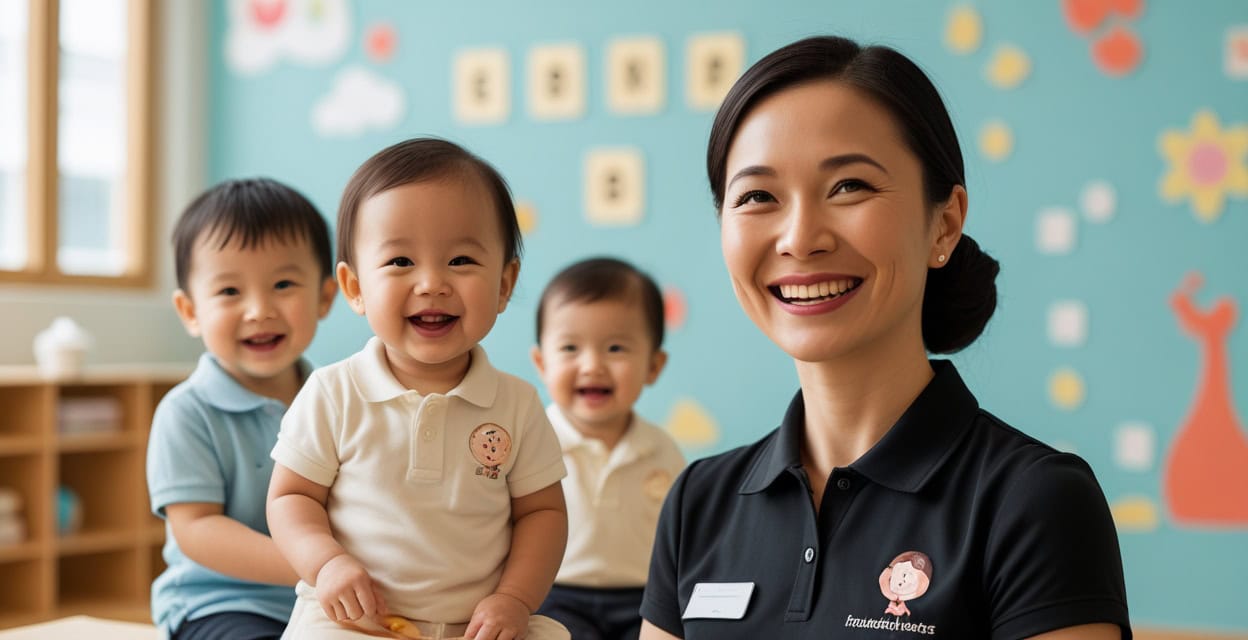
Picture an eight-month-old arriving at 8:10am. A familiar caregiver greets them at eye level, saying their name and mirroring their expression. A calm transition. Mid-morning brings floor exploration with natural objects, soft music, and language play. Rest is unhurried, with safe-sleep checks and light-touch soothing. Lunch is responsive feeding—not rushed, not coerced. Afternoon includes gentle sensory play and outdoor time when weather allows. Throughout the day, small documentation notes capture cues, preferences, and new attempts—from the first time a child lets go of a support to the moment they imitate a “bye-bye.” Parents see a summary they can trust; if they choose, they can view time-stamped CCTV windows for reassurance. Care looks ordinary. Ordinary is where excellence lives.
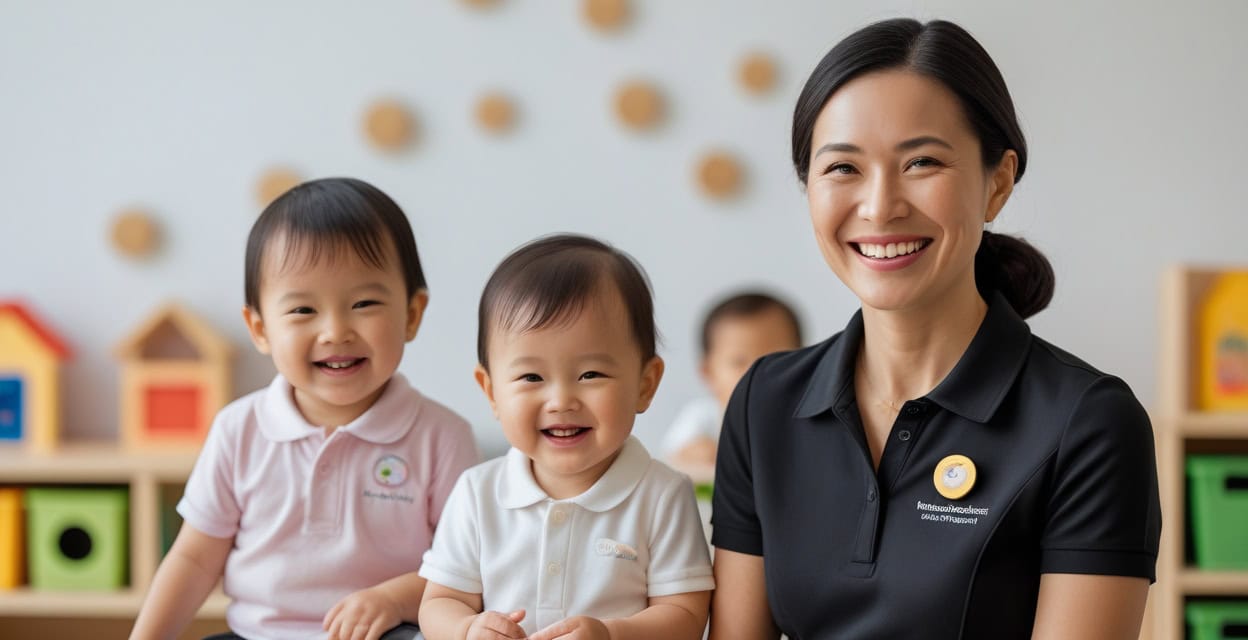
The Concrete Benefits Families Can Count On
- Excellence and quality embedded in daily routines, staff training, and clear standards.
- Centre-based and home-based options, plus distance guidance for families who need flexibility.
- Monday–Friday, 7am–7pm availability, islandwide across community and home premises.
- Ultra-low 1:3 infant ratio for attentiveness and safety.
- Innovation CCTV and modern layouts for transparent, respectful oversight.
- Affordable from $33/day, with fees payable via CDA/Baby Bonus.
- Part of a National Social Initiative under the ECDA Childminding Pilot.
- EduNanny by BUTLER: aligned operations, high service reliability, and a clear pathway for caregiver careers.
Details and enrolment: EduNanny.com and Childminding.EduNanny.com.
Why This Matters Now
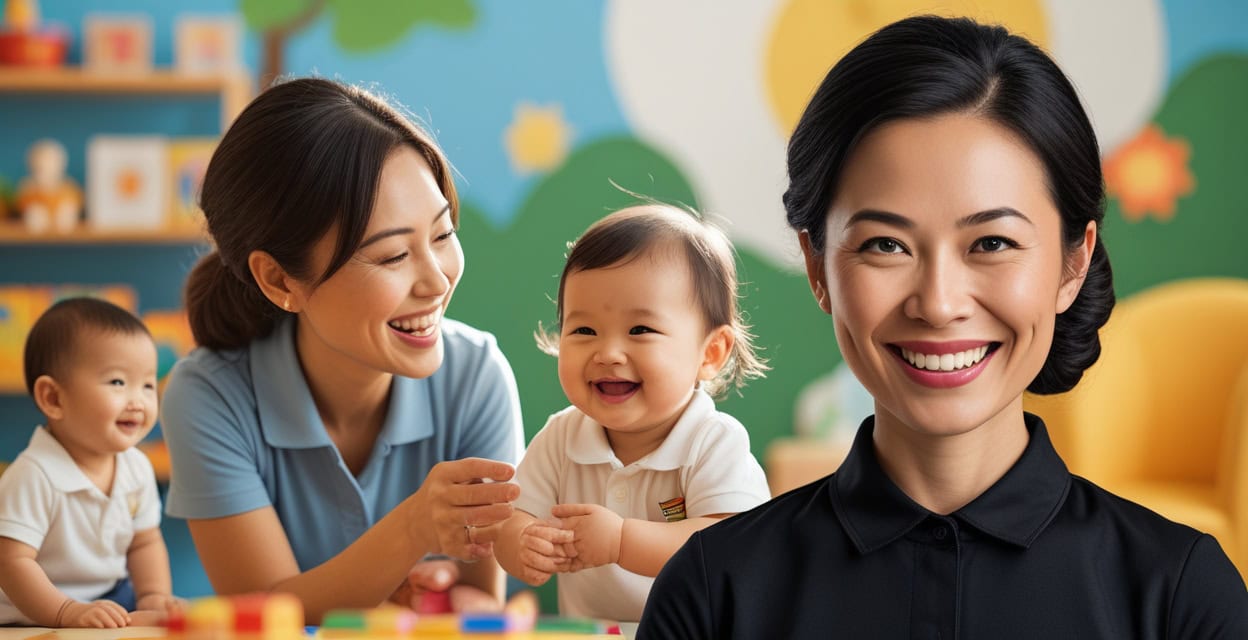
Singapore’s families carry real weight: long workdays, commuting, aging parents, and the financial commitments of city life. The answer is not to ask parents to stretch more; it is to bring care closer, make it simpler, and ensure that quality is not a luxury. EduNanny’s near-home network, extended hours, and transparent systems meet today’s realities with tomorrow’s standards. We do not treat infant care as an add-on to schooling; we treat it as a profound public good—where safety, tenderness, and learning are indivisible.
Closing: Who, What, When, Where, How—Why Childminding Matters
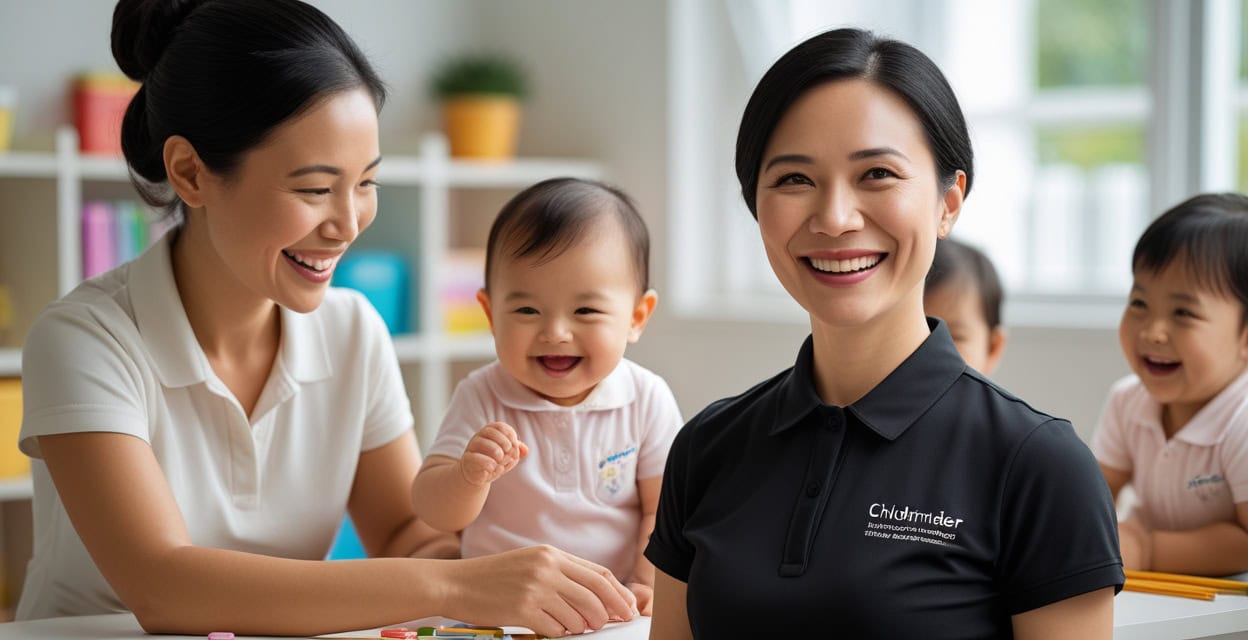
- Who: Every infant, every working parent, every caregiver who chooses this vocation. When adults are reliable, babies are brave.
- What: Daily acts of expert care—feeding, soothing, narrating, playing—that wire the brain for trust, language, self-regulation, and curiosity.
- When: The earliest months and years, every weekday from 7am to 7pm, the hours families actually need.
- Where: In the neighbourhoods where families live—home-based and centre-based, islandwide—so care is not a commute but a community asset.
- How: Through a 1:3 ratio, primary caregiving, safe design, professional training, clear standards, and family partnership you can see and verify.
- Why: Because secure, joyful infants grow into focused learners, sturdy friends, and citizens who can care for others. That is the national dividend of great childminding.
Conclusion
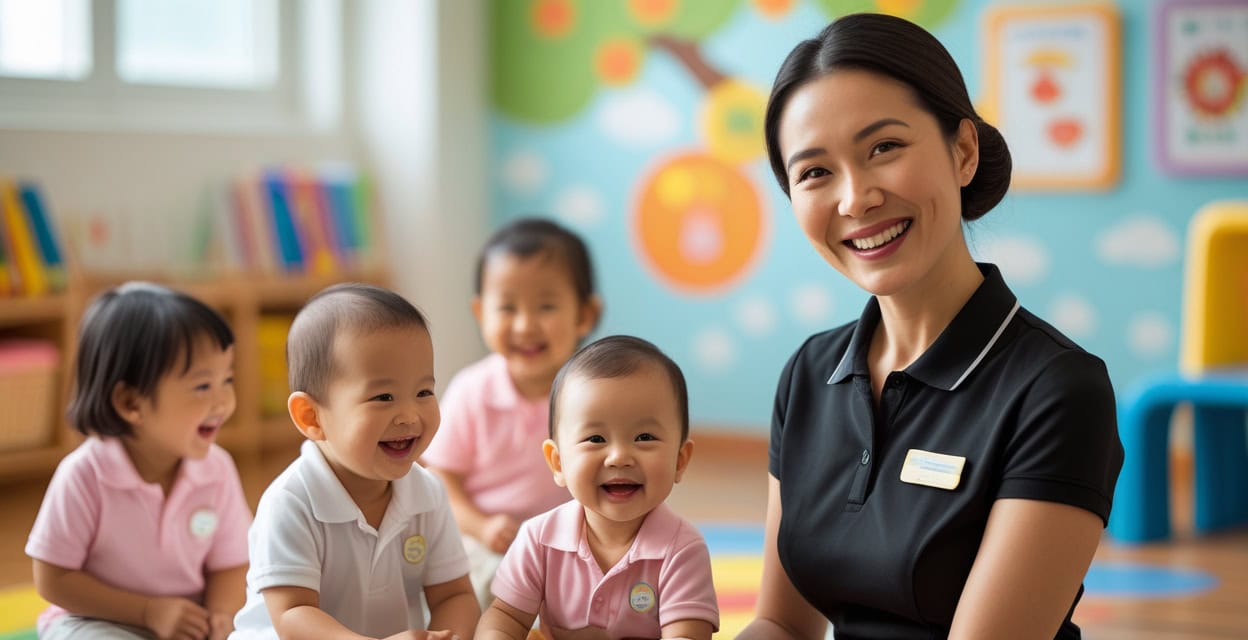
EduNanny’s philosophy is simple and demanding: presence over spectacle, relationships over programs, and care as the first curriculum. We stand for excellence you can afford, safety you can verify, and joy you can feel the moment you step across the threshold. We are here for parents who need a village and for infants who deserve a calm beginning. We are here for caregivers who want a meaningful, well-supported path. And we are here for Singapore, building a culture where every cradle is a place of dignity and promise. Join us. Choose centre-based or home-based care near you. Ask us the hard questions. Look through the window. Watch how ordinary moments—done right, every day—become the strongest start a child can have.
Details and enrolment: EduNanny.com and Childminding.EduNanny.com. Details and enrolment: EduNanny.com and Childminding.EduNanny.com.
SEO keywords: [#SingaporeChildminding, #EarlyChildhoodDevelopment, #InfantCareSingapore, #EduNannyBUTLER, #ECDAChildmindingPilot]