Trust at the Cradle A Science Driven Near Home Infant Pods Revolution for Singapore December 2024 to December 2027

Introduction and Vision
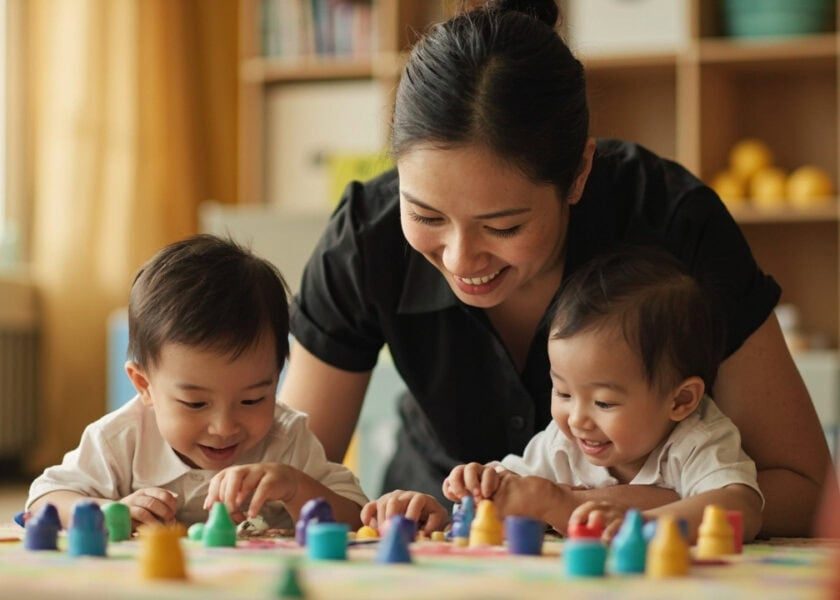
EduNanny by BUTLER presents a quiet, careful revolution in Singapore’s earliest years: an infant childminding service built on science, heart, and public purpose. This is not childcare as usual. It is a convergence of what Maria Montessori intuited about independence, what John Bowlby and Emmi Pikler proved about attachment and respectful care, what Piaget and Vygotsky mapped about early learning, and what Singapore needs today: safe, joyful, affordable infant care that is close by, community‑rooted, professionally delivered, and accountable. EduNanny Infant Childminding is designed as small circles of care near home, with an ultra‑low ratio of one childminder to three infants, tailored to the first thousand days when the brain writes its most enduring architecture.
In this article, you will find practical, actionable guidance from EduNanny’s perspective for parents and caregivers. We share the philosophy behind our approach, offer real‑world examples, and provide transparent insights into how early relationships, safety practices, and development‑forward routines translate into everyday life for families across Singapore.

What makes EduNanny different in Singapore
- Near home, ultra low density: one certified EduNanny childminder for up to three infants, cared for in either a childminder’s home or a modern community micro‑hub. Small by design to protect health, deepen bonds, and personalise care.
- A living pedagogy: responsive, attachment‑first routines that translate neuroscience into everyday caregiving—how we feed, comfort, speak, play, and rest.
- Safety as a system: from environment setup to daily checks, from infant first aid to sleep hygiene, from identity verification to recorded incident protocols, and CCTV in community premises for transparency.
- National alignment: EduNanny is appointed under the ECDA Childminding Pilot (1 December 2024 to 31 December 2027), a national social initiative to expand affordable, reliable near‑home infant care.
- Affordability with dignity: Government‑subsidised hours Monday to Friday, 7am to 7pm; half‑day (5 hours) at $16.50 and full‑day (10 hours) at $33.00 before GST. Parents may pay during subsidised hours with CDA/Baby Bonus monies.
Five pillars that guide our infant practice
1) Pedagogy of Attunement: the science of being seen
We notice micro‑signals—finger splay, gaze aversion, feeding satiety cues, and the flutter before sleep. Attuned care builds security, language growth, and stress resilience.
- Primary caregiver continuity: each infant has a lead caregiver who learns their rhythms and co‑regulates emotions. This continuity undergirds trust and healthy development.
- Gentle daily arc: predictable yet flexible routines—unhurried feeds, protected nap windows, sensory floor time, outdoor air when possible, and warm handoffs at drop‑off and pick‑up.
- Observation‑led planning: short daily notes become insights that shape next‑day plans for motor, social, and language milestones.
2) Safety as Infrastructure: prevention built into the day
- Environment: outlet covers, anchored furniture, finger‑safe doors, hazard‑free zones, and clean, sanitised surfaces. Safe sleep principles are observed consistently.
- Training: all EduNanny childminders are background‑checked and certified in basic infant care and infant first aid; food safety and hygiene are mandatory.
- Health: a strict No Sick Child Policy protects every infant and caregiver. Illness prompts isolation, parent notification, and a safe handover.
- Monitoring and accountability: CCTV in community premises; opt‑in CCTV for home settings during care hours; transparent incident reporting and escalation pathways.
- Identity and handover: secure pickup verification, authorised caregiver lists, and real‑time communications via our EduNanny Concierge.
3) Development you can feel and see
- Motor and senses: daily tummy time, bilateral coordination games, texture exploration, and safe cruising spaces.
- Language: narrated care, bilingual songs and fingerplays, book sharing, and contingent conversation to stimulate early phonology and turn‑taking.
- Cognition: cause‑and‑effect play, object permanence activities, and gentle problem‑solving sequences.
- Social‑emotional: named feelings, co‑regulation techniques, predictable routines that reduce cortisol, and joyful group moments that teach early empathy.
- Culture and belonging: Singapore songs, stories, and rituals to build identity and a sense of belonging from cradle to community.
4) Happiness as a measurable outcome
- Warm welcomes and soft landings: drop‑offs are bridges with comfort item baskets, consistent greetings, and parent updates.
- Sensory joy without overload: curated environments with natural light, soft soundscapes, high‑contrast visuals, and open‑ended materials.
- Meals and bottles with dignity: paced feeding, cue‑led timing, breastmilk handling standards, and responsive solids introduction aligned with parental preferences.
- Parent partnership: daily summaries, milestone snapshots, and quick consults with the EduNanny Concierge for informed, supported families.
5) Purpose and profession: elevating childminding as a national trust
- Civic role: the childminder safeguards a public good—secure attachment and healthy development in the first thousand days.
- Maximum employment mandate: expanded dignified work for trained caregivers while maintaining a single standard of excellence.
- Continuous learning: on‑the‑job coaching, reflective practice circles, and updated training in infant mental health, feeding, sleep, and play.

The EduNanny advantage at a glance
- Ultra Low Ratio and Ultra Low Density: 1 childminder to 3 infants—by design.
- Certified and Background Checked: ECDA‑vetted, trained in infant first aid and basic care.
- CCTV Provided: installed in community premises; opt‑in CCTV for home‑based caregiving areas during care hours.
- No Sick Child Policy: protects the cohort; clear return‑to‑care guidance.
- Modern Layouts: calm, age‑appropriate spaces with safe sleep and play zones.
- Centre‑Based and Home‑Based Options: across Singapore in approved settings.
- Hours and Subsidies: Monday–Friday, 7am–7pm; half‑day or full‑day options; affordable rates before GST under the ECDA Pilot.
- Subsidy Integration: fees payable by CDA/Baby Bonus during subsidised hours.
- Islandwide convenience: near‑home access reduces commuting stress for families.
- National Initiative: part of the ECDA Childminding Pilot (1 Dec 2024–31 Dec 2027).
- Transparency and Service: clear policies, incident protocols, and parent communication led by the EduNanny Concierge Team.

How the Pilot works for your family
- Eligibility: Singapore Citizen infants, 2 to 18 months, not concurrently enrolled in ECDA‑licensed infant care.
- Flexibility: select days per week and whether you prefer half‑day (5 hours) or full‑day (10 hours) blocks within 7am–7pm, Monday to Friday, excluding public holidays.
- Locations: care delivered in an approved home setting or at EduNanny community spaces; some childminders may care for their own young child; total number under 12 remains capped at three at any time.

Why this model works for Singapore
- Matches urban reality: near‑home care reduces distance and time, strengthening family routines.
- Scales trust: small, stable groups make safety observable and relationships reliable.
- Honours family culture: in the first thousand days, infants thrive on responsive, relationship‑anchored care rather than rigid activity schedules.
- Costs remain humane: small pods in homes and micro‑hubs, supported by public subsidy during working hours, keeps quality accessible.

A day in the life with EduNanny
Sample schedule to illustrate how a typical day unfolds:
- 7:45am: unrushed drop‑off; comfort ritual; brief health check; parent updates.
- Morning: tummy time, songs, and a sunshine stroll when weather permits; responsive feeds on cue.
- Midday: safe sleep with monitoring; calm wake; sensory exploration on the floor.
- Afternoon: language play, caregiver‑infant reading, gentle peer interaction; bottle/solid meal per plan.
- Evening handover: summary of feeds, nappies, naps, play notes, and any next‑day suggestions.
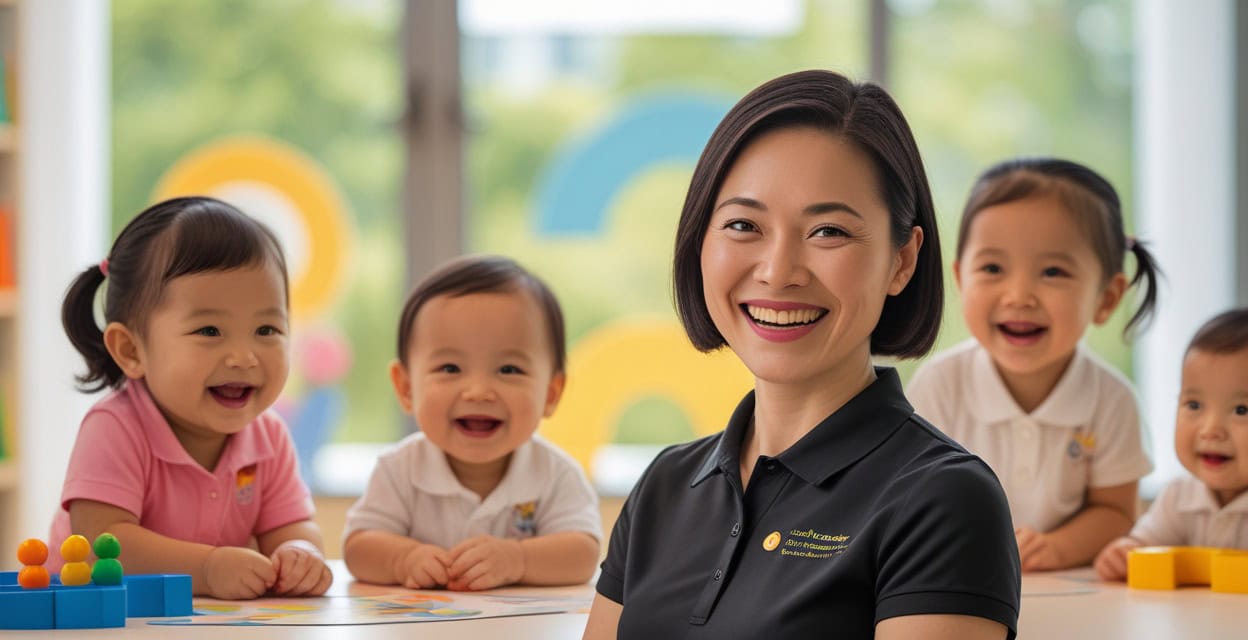
Our commitments in detail
Infection control
We implement strict hygiene practices: hand hygiene, cleaning schedules, toy rotation, and exclusion criteria aligned with our No Sick Child Policy. Practical tips for parents include teaching infants gentle hand‑washing rituals and bringing a personal comfort item that travels between home and EduNanny spaces.
Food safety
Breastmilk and formula are handled with care: labelled and dated storage, proper thawing and warming, and vigilance for allergies. When solids are introduced, we follow parental preferences and gradual, cue‑led progression to minimize discomfort and choking risk.
Emergency readiness
All caregivers hold infant CPR/first aid certification; we have clear emergency action plans and regular drills. Families receive guidance on how to respond to common incidents at home and when to seek medical advice.
Privacy and dignity
CCTV is used to promote safety and peace of mind in communal spaces; home CCTV is opt‑in and restricted to caregiving hours. We maintain strict data protocols to protect families’ privacy while ensuring transparent care practices.
Who, what, when, where, how—why childminding matters now
- Who: Singapore’s youngest citizens, working parents, professional childminders seeking dignified work, and a nation investing in early development.
- What: ultra‑low‑ratio infant childminding under a national pilot—attuned care, safety, and a practical curriculum of everyday love and learning.
- When: during the most consequential window—2 to 18 months—Monday to Friday, 7am to 7pm, from 1 December 2024 to 31 December 2027.
- Where: islandwide, in approved home settings and community micro‑hubs designed for infant wellbeing.
- How: certified caregivers, background checks, industry standards, CCTV in community premises, opt‑in CCTV for homes, clear health policies, and a neuroscience‑informed curriculum.
- Why: to nurture secure attachments, early learning, and a trusted infrastructure that supports families and communities alike.

How to sign up
- Step 1: Visit https://edunanny.com/edunanny-ecda-childminding-service/ and fill the enquiry form — or message us via WhatsApp from that page.
- Step 2: Receive a prompt response from our EduNanny Concierge Team to understand your needs, location, preferred hours, and start date.
- Step 3: Schedule a site visit (home‑based or community micro‑hub) to meet the childminder and view the environment.
- Step 4: Enrol and finalise your care plan; complete required forms; we’ll provide a gentle onboarding for you and your infant.
You may also explore: EduNanny.com and Childminding.EduNanny.com for more information.

Closing thoughts
Singapore thrives when its smallest circles are strong. The first thousand days should not be a race; they should be a protected garden — safe, warm, unhurried, and grounded in human connection. EduNanny exists to tend that garden with professional skill and neighbourly heart, one tiny pod at a time. If this sounds like the beginning you want for your child, we would be honoured to welcome your family. Thank you.
SEO keywords: [#keyword1, #keyword2, #keyword3, #keyword4, #keyword5]