
Tiny Circles and Strong Beginnings EduNanny Near Home Pods Redefine Singapore Infant Care

EduNanny Infant Childminding in Singapore: Small Circles, Strong Beginnings
Welcome to EduNanny by BUTLER—an innovative, government-supported approach to infant care that puts attachment, dignity, and developmental science at the center of every day. As Singapore charts a national path for high-quality, accessible childminding, EduNanny offers a practical, home-like alternative that remains rooted in national standards and community trust. This long-form guide expands on the vision presented in the pilot speech and provides actionable insights for parents, caregivers, and communities about how to maximize the impact of infant care that feels like home yet meets strict safety and development benchmarks.
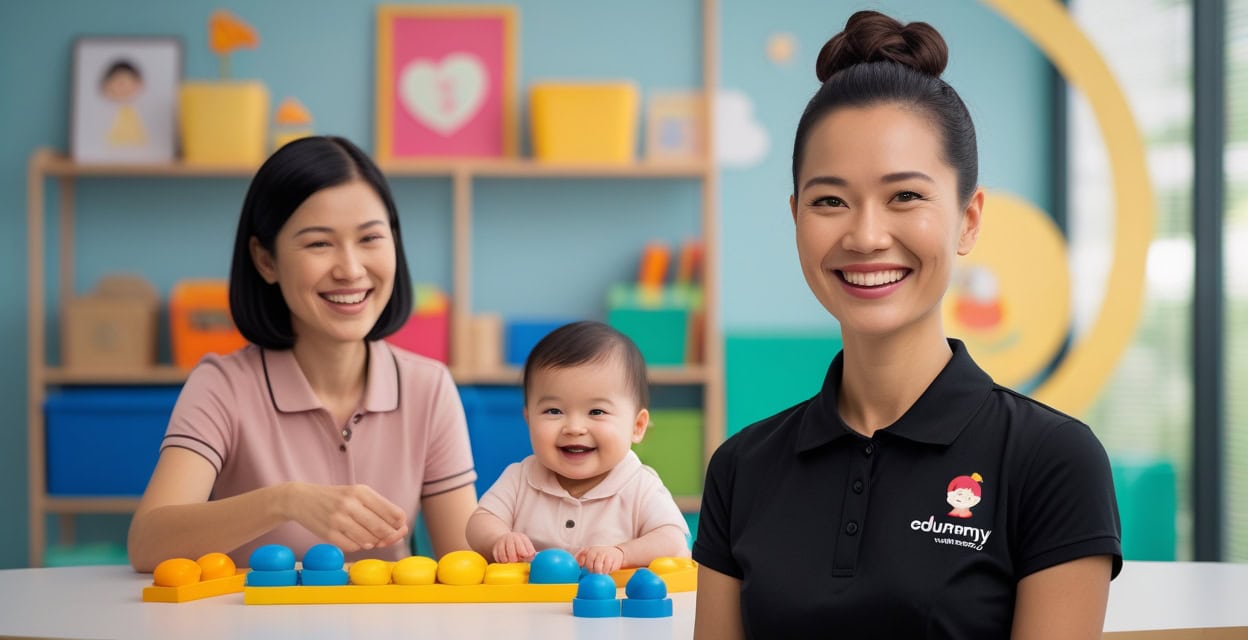
What is EduNanny Childminding?
EduNanny childminding is infant care that looks and feels like a family environment while adhering to rigorous national standards. The service is designed to be near where families live and work, small by design, and high on trust. Each pod operates with one certified EduNanny Childminder for one to three infants, in modern, child-safe home or community spaces islandwide. Operating hours are Monday to Friday, 7am to 7pm, with affordability starting from $33 per full day (before GST) and flexible options to choose half-day or full-day blocks, payable via CDA/Baby Bonus.
Our approach blends evidence from attachment science, respectful caregiving, prepared environments, social learning, and Erikson’s stages of trust. This synthesis informs five living commitments that guide every moment with our infants, shaping a foundation for lifelong well-being and curiosity.

The Five Living Commitments: How EduNanny Shapes Every Moment
Topic 1: The Small-Circle Advantage—1:3 as a science-backed standard
- Attachment you can feel: One consistent childminder creates a secure base for each infant, reducing transitions and increasing meaningful eye contact and co-regulation.
- Attunement as practice: With three or fewer infants, caregivers notice micro-cues—rooting, gaze aversion, hand squelches—that signal readiness, hunger, or a needed pause.
- Development by design: Tiny groups support richer language exposure, touch, and contingent responses—the building blocks of cognition and emotional health.
Practical tips for parents: observe the calm rhythm in a 1:3 pod, notice how the caregiver tracks each infant’s cues, and ask about how transitions are minimized during the day. When visiting, request a sample day timeline to see how the small circle supports language and social engagement.
Topic 2: Care Is Curriculum—Respectful routines that grow the brain
- Pikler-inspired caregiving: Diapering, bathing, feeding, and dressing are learning moments—one-on-one, narrated, and paced to the infant’s consent and cues.
- Montessori’s prepared environment: Low shelves, safe floor time, and open-ended objects encourage exploration, independence, and safe motor development.
- Language-rich moments: Singing, labeling, and serve-and-return interactions support early communication and bilingual pathways.
Practical tips for parents: request a daily routine that includes cue-based feeding, guided independent play, and shared activities with grown-up participation. Ask about how caregivers narrate routines and how language is introduced in both English and Mandarin/Tinglish/Hinglish as appropriate for your family.
Topic 3: Safety Without Compromise—Many layers, one promise
- Certified and background-checked: ECDA conducts background checks on childminders and household members; all EduNanny caregivers complete infant first aid, basic infant care, and ongoing coaching.
- Spaces that protect: Clean, hazard-minimised environments with safe sleep practices, secure entry, and strong sanitation protocols; ultra-low density reduces exposure risk.
- No Sick Child Policy: A clear policy with return-to-care criteria aligned to health guidance; transparent communication with families.
- Privacy and visibility: CCTV is provided in community/centre settings; home-based pods offer CCTV in caregiving areas as agreed—balancing safety with privacy.
- Clear incident protocols: Documented procedures for medication, emergencies, and timely reporting.
Practical tips for parents: review the safety policies before enrolling and discuss what happens if a child becomes unwell during care hours. Bring a care plan and medical information to the site visit and confirm what CCTV coverage looks like in practice.
Topic 4: A Day Built for Joy—Rhythms that honour each child
- Personalised routines: Nap windows, feeding plans, and soothing strategies are coordinated with parents and adjusted to the infant’s cues.
- Safe sensory play: Gentle explorations with soft lighting, natural textures, songs, stories, water play, and open-ended toys support cognitive and motor growth.
- Emotional learning starts now: Co-regulation during distress teaches self-regulation later; caregivers model calm, name feelings, and celebrate effort.
- Documentation you can see: Short daily reflections and photos (within policy) help parents witness milestones and growth.
Practical tips for parents: discuss a settling-in plan, agree on soothing techniques, and request sample daily sheets showing feeding, sleep, and activity patterns for the first two weeks.
Topic 5: The Purpose and Profession of Childminding—Dignity in the work of care
- Professionalised care: EduNanny Childminders are certified, coached, and supported; care is a respected, evidence-based profession.
- Maximum Employment Mandate: Stable roles across neighbourhoods, building a national bench of skilled caregivers.
- Family partnership: Care plans honor family routines, culture, and values; ongoing communication ensures alignment with parental expectations.
Practical tips for parents: inquire about caregiver qualifications, ongoing coaching, and how the program supports professional development. Ask to see how family routines and cultural practices are integrated into daily care.

What Parents Gain with EduNanny
1:3 infant ratio in small, calm environments enhances attunement and responsiveness. - Convenience near home: Home-based or community spaces islandwide reduce travel and stress for families.
- Flexible hours on a weekday schedule: Monday to Friday, 7am–7pm with half-day or full-day blocks tailored to your needs.
- Affordability and subsidies: From $33/day before GST; eligible for CDA/Baby Bonus subsidies during pilot hours.
- Certified educators: Background-checked, trained, and coached to national standards.
- Safety-first operations: No Sick Child Policy, safe sleep, hygiene protocols, and infant first aid readiness.
- Visibility and trust: CCTV coverage in community/centre settings; agreed-upon CCTV in home-based pods.
- Modern, infant-friendly environments: Prepared environments designed to support safe exploration and independence.
- Choice of setting: Centre-based or home-based options to fit your family’s preferences and neighbourhood.
- National initiative you can trust: EduNanny by BUTLER, part of the ECDA Childminding Pilot—bringing Excellence and Quality to families.

How It Works: Clear, Simple, Fast
Who is eligible?
Singapore Citizen infants aged 2 to 18 months, not concurrently enrolled in ECDA-licensed infant care centres.
Where does care happen?
In childminders’ homes, community spaces, and selected centre-based premises across Singapore. Pods remain small, safe, and near where families live.
When does care occur?
The pilot runs from 1 December 2024 to 31 December 2027. Care occurs during typical working hours, Monday to Friday, 7am–7pm, excluding public holidays.
What does it cost?
- Half-day (5 hours): $16.50
- Full-day (10 hours): $33.00
Subsidies are available through the CDA, with payments facilitated for subsidised hours.
How can families customise?
Families can select the number of days per week and block hours to match their schedules. Customisation is designed to fit both parental needs and infant rhythms.

The Sign-Up Process: A Step-by-Step Guide
- Visit the official EduNanny page: https://edunanny.com/edunanny-ecda-childminding-service/ or contact via WhatsApp for initial inquiry.
- EduNanny Concierge Team reviews eligibility and learns your preferences (location, schedule, home- or community-based).
- A matched pod and childminder are proposed; parents receive profiles, safety standards, and site details.
- Book a site visit to see the space, meet the childminder, and review the daily rhythm.
- Confirm your schedule and hours; complete the service agreement and set up CDA/Baby Bonus payment.
- Attend orientation day; share your infant’s cues, routines, and comfort items.
- Enroll and begin with a gentle settling-in plan; parents receive ongoing updates and progress reports.

Why Childminding Matters: A National Vision for Care

Our Philosophy and Purpose
EduNanny exists to turn the science of early development into daily dignity. Our core beliefs:
- Safety is non-negotiable.
- Attachment is infrastructure.
- Play is serious learning.
- Caregivers are professionals.
- Families are partners.
When these principles converge in a tiny circle of three, a nation’s future grows steadier. Infants who are seen, soothed, and supported become curious, confident children; nurtured adolescents; and adults who lead with care and empathy.

Practical Guidance for Parents: Making the Most of EduNanny
Gather medical history, feeding routines, sleep cues, and any special comfort items. Prepare a short “infant profile” to share with the caregiver on day one. Start with shorter settling times, gradually increasing to full hours. Share cues that indicate comfort or distress, and adjust the day’s rhythm accordingly. Establish a preferred cadence for updates (daily notes, photos, or weekly summaries). Define what a successful day looks like for your child. Request explicit incorporation of your family’s language exposure and cultural practices in routines and stories. Review safe sleep practices, diapering routines, and sanitation procedures. Ensure you understand the “No Sick Child Policy” and how illness is managed during care hours. Use daily reflections and milestone notes to celebrate progress. Discuss next steps in collaboration with the caregiver as your child grows.

Sample Daily Rhythm and Practical Routines
Note: Every infant’s day is unique, but a well-structured routine helps families anticipate care. A sample day might include:
- 7:00–7:30: Arrival, warm greeting, quiet check-in with caregiver.
- 7:30–8:00: Morning feeding and diapering; one-on-one cuddle and song.
- 8:00–9:30: Floor time and exploration with safe toys; language-rich interactions.
- 9:30–10:00: Snack or milk if appropriate for age; sign posting for movement or rest cues.
- 10:00–11:30: Contingent play, sensory experiences, and gross motor activities.
- 11:30–12:30: Lunch and soothing routines; safe sleep window if needed.
- 12:30–14:00: Nap or quiet time; caregiver models self-regulation strategies.
- 14:00–15:30: Return to exploration, language moments, and social interaction with peers.
- 15:30–17:00: Snack, gentle social play, data collection for daily reflection notes.
- 17:00–19:00: Departure routine; caregiver prepares brief handover and next-day plan.

Conclusion
EduNanny envisions a Singapore where infant care blends home warmth with professional excellence, rooted in science and guided by families. By prioritising small circles, deliberate routines, uncompromising safety, joyful daily life, and a respected caregiving profession, EduNanny aims to deliver a reliable, near-home option that supports each child’s development while easing parental responsibilities. If you are a parent seeking a safe, joyful, near-home option for your infant, explore EduNanny’s pilot program and discover a place where your child’s early days are met with attentiveness, dignity, and clear pathways for growth.
To enrol: Take the first step by visiting the EduNanny page at https://edunanny.com/edunanny-ecda-childminding-service/ or by sending an inquiry via WhatsApp. Our Concierge Team will guide you through eligibility, preferences, site visits, and orientation. EduNanny—Small circles, strong beginnings. For every family, in every neighbourhood, every weekday from 7 to 7—affordable from $33/day, with certified childminders, modern environments, and safety you can see.
[#keyword1, #keyword2, #keyword3, #keyword4, #keyword5]