Redefining Infant Care in Singapore: How EduNanny’s Holistic Innovation Is Shaping the Next Generation
A Fresh Vision for Infant Care: How EduNanny is Elevating Childminding in Singapore
In the rapidly evolving landscape of early childhood education, Singapore stands at a pivotal juncture. As a nation committed to nurturing future generations, the question is no longer merely about meeting standards but about redefining excellence in infant care. EduNanny emerges as a trailblazing movement, integrating scientific research, international best practices, and Singapore’s unique cultural fabric. This article explores how EduNanny is transforming childminding—what it means for parents, caregivers, and policymakers alike—and provides actionable insights to foster holistic development in Singapore’s youngest learners.
Understanding the EduNanny Difference in Infant Care
EduNanny is not simply a childcare service; it is a comprehensive philosophy that champions safety, development, happiness, and societal trust. Grounded in the finest pedagogical traditions and scientific insights, it prioritizes the well-being and growth of every child. Here’s how it redefines early childhood care:
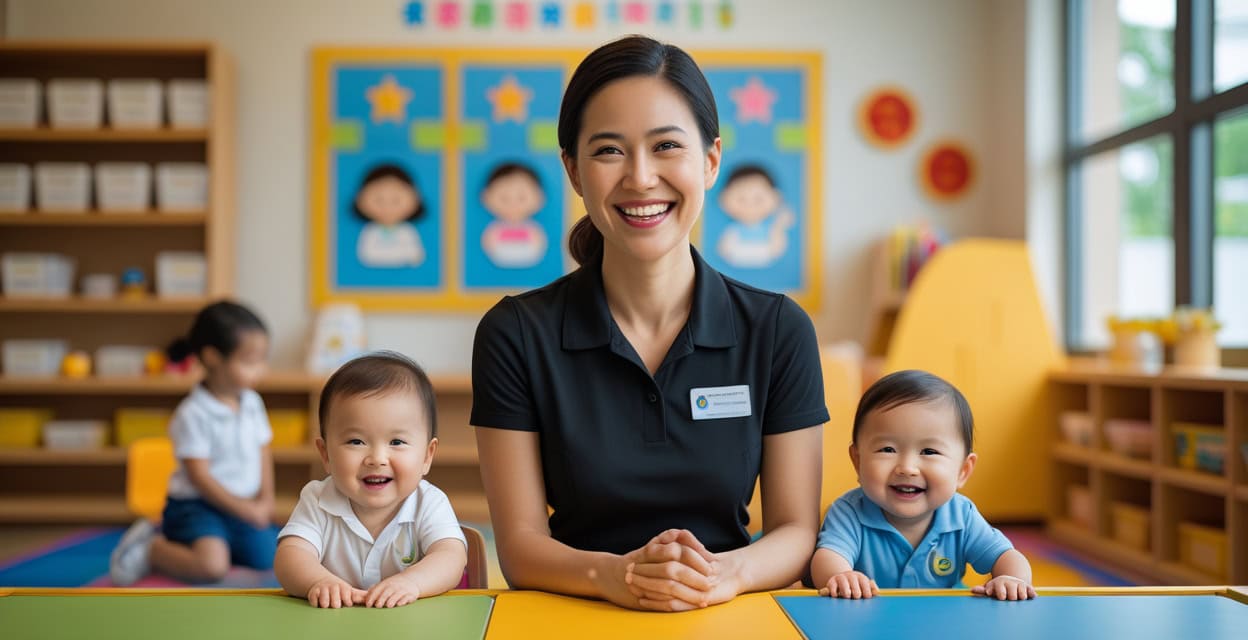
Reimagining Safety: From Supervision to Empowered Trust
Safety is the cornerstone of quality infant care—yet, it extends beyond basic supervision. EduNanny’s approach emphasizes creating environments and systems that inspire confidence and foster independence while ensuring security.
Innovative Technologies and Transparent Environments
- Secure Live CCTV Access: Parents can observe their child’s daily routines through encrypted live feeds, fostering transparency and peace of mind. For example, a parent working abroad can subtly check on their infant during work breaks, reinforcing trust and involvement.
- Designing for Safety: Modern centers incorporate antimicrobial surfaces, rounded furniture edges, and bio-friendly materials. At home, EduNanny encourages the use of non-toxic cleaning agents and child-proofed spaces.
Optimal Ratios and Rigorous Training
- Infant-to-Carer Ratio of 1:3: Such low ratios enable caregivers to respond swiftly, personalize routines, and build stronger attachments. For instance, during feeding, this ratio allows for meaningful interaction rather than hurried compliance.
- Continuous Professional Development: Caregivers undergo rigorous training aligned with ECDA standards, supplemented by workshops on child psychology, first aid, and cultural sensitivity. For example, a caregiver trained in multicultural communication can better support a child from diverse backgrounds.
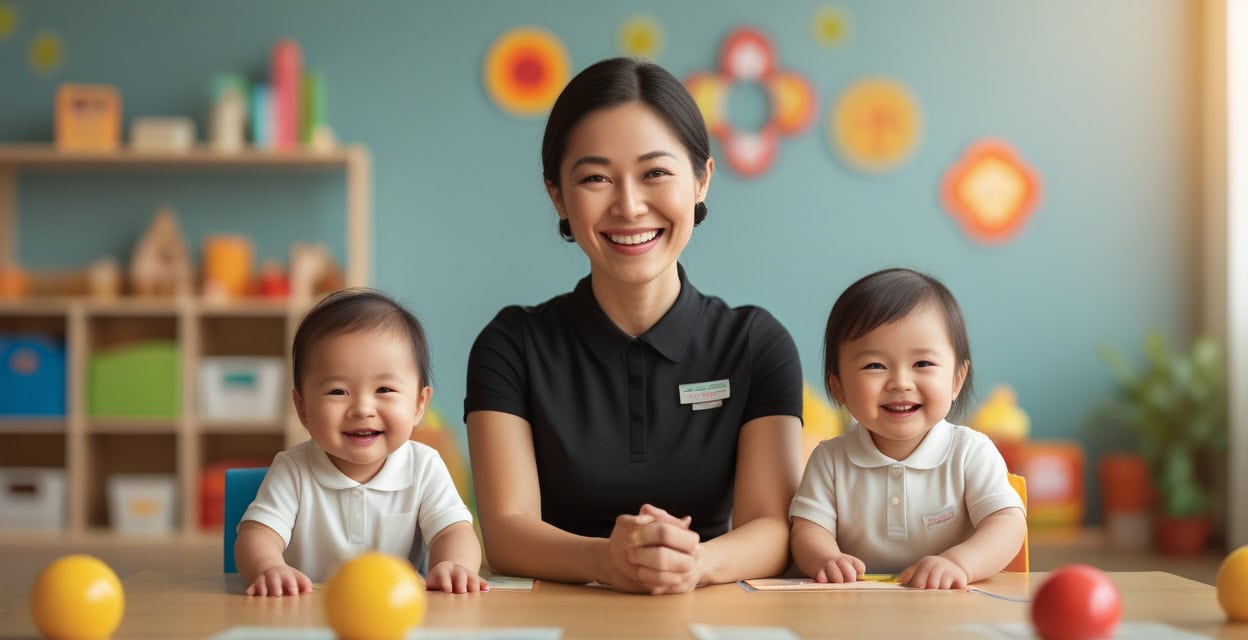
Holistic Development: Nurturing Mind, Body, Heart, and Identity
EduNanny’s approach recognizes the child as a whole—an evolving individual whose early experiences shape lifelong potential. Key strategies include:
Multi-Modal Stimulation and Purposeful Routines
- Engaging in Multi-Sensory Play: Activities such as textured tactile mats, music sessions, and movement games stimulate neural pathways. For example, a diaper change can be an opportunity to introduce gentle counting or naming body parts.
- Fostering Dignity and Trust: Routine activities are carried out with respect and mindfulness, reinforcing a child’s sense of safety. A caregiver might use soothing tones during feeding, making it a bonding moment rather than a task.
Personalized Care and Community Integration
- Attuning to Individual Cues: Observing and recording each infant’s developmental milestones enables tailored interventions and meaningful parent discussions. For instance, noting a child’s preference for certain toys informs future activities.
- Embedding Cultural Heritage: Incorporation of Singapore’s multicultural festivals, bilingual songs, and local stories helps children develop a sense of identity and belonging. Celebrating Chinese New Year or Hari Raya in classrooms fosters inclusivity.
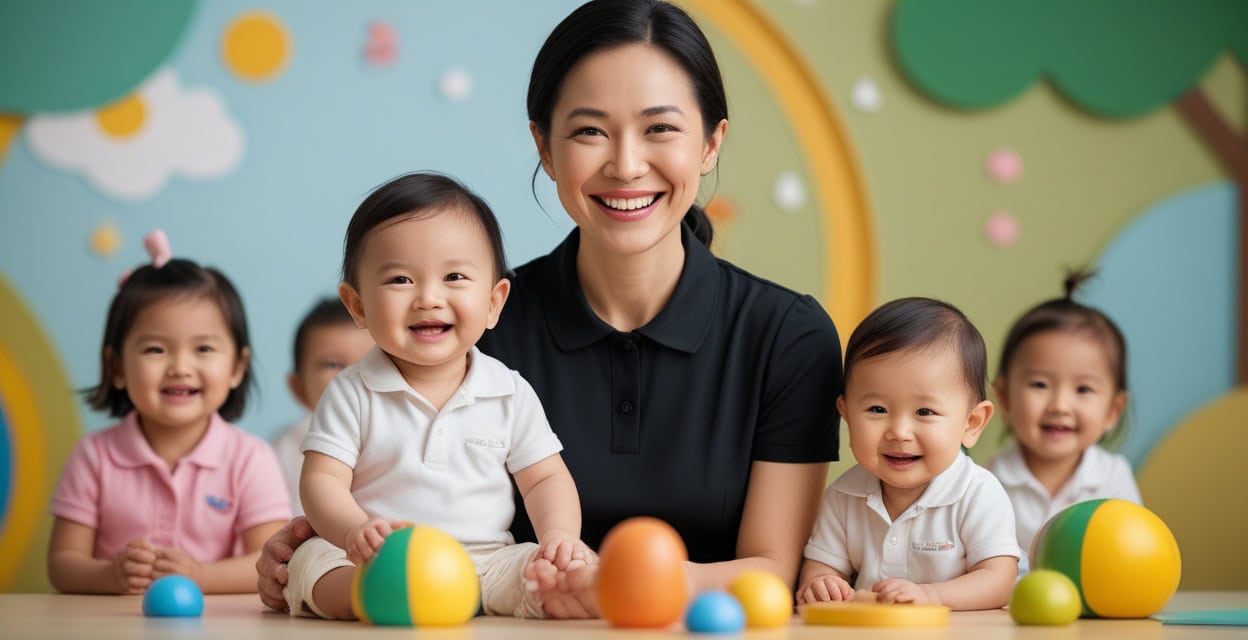
Creating Joy and Emotional Resilience
Happiness in early childhood is more than smiles; it’s rooted in secure attachments and positive emotional experiences.
Attachment-Based Practices
- Bonding Moments: Consistent caregiving fosters trust. For example, caregivers spend dedicated time holding and eye-gazing during routines, helping infants feel seen and valued.
- Responsive Caregiving: Attending to each child’s cues—whether they seek comfort, play, or exploration—builds emotional resilience. A caregiver may notice a baby’s withdrawal and gently prompt social engagement.
Promotion of Well-Being and Joyful Experiences
- Sensory-Rich Spaces: Bright, natural-light rooms filled with soft textures and calming sounds support emotional stability. For example, incorporating nature sounds can soothe a distressed infant.
- Flexible and Gentle Routines: Allowing children to develop routines that respect their individual temperaments ensures positive associations with daily activities.
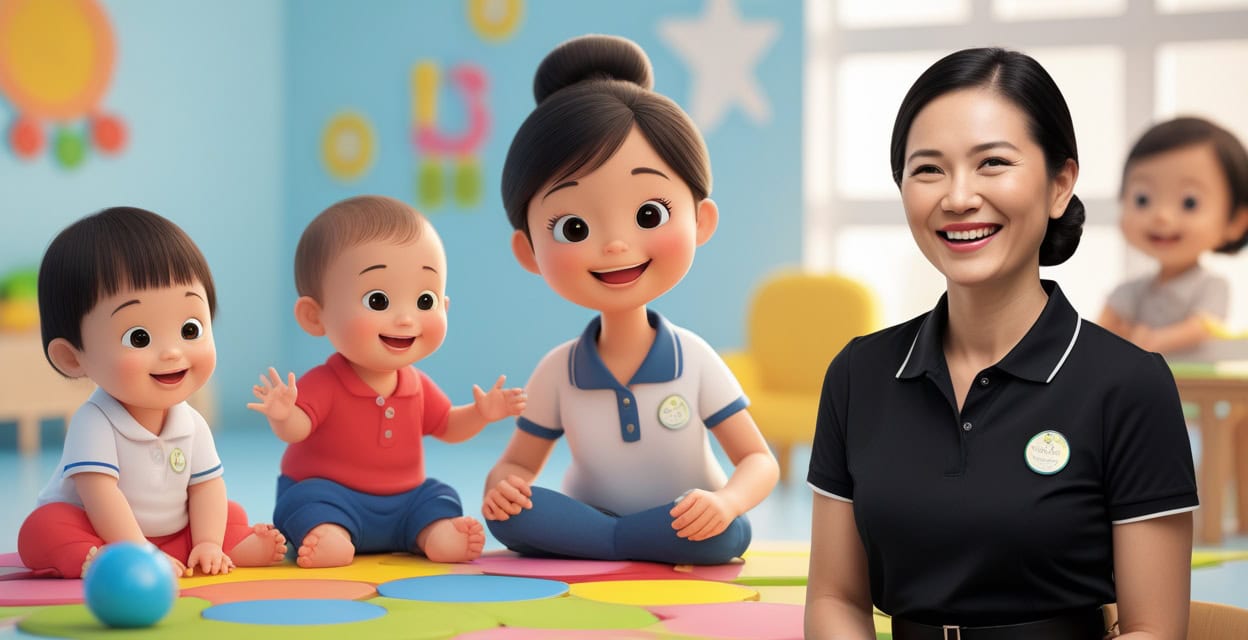
The Role of Professional Childminding as a Societal Trust
Professionalism elevates childminding from a cursory task to a nationally respected profession. EduNanny’s initiatives exemplify this transformation:
Building a Dignified and Sustainable Workforce
- Employment Pathways: Providing robust training, career development, and fair wages positions caregivers as valued professionals. For instance, certifications in early childhood psychology open pathways for career progression.
- Supportive Work Environment: Flexible schedules and peer support groups foster job satisfaction and retention, essential for consistency in care.
Accessible and Affordable Excellence
- Affordable Fees: At just $33/day, EduNanny makes top-tier care accessible through support programs like CDA and Baby Bonus, ensuring affordability does not compromise quality.
- Flexible Schedules and Locations: Centre-based, home-based, and hybrid options accommodate working families’ needs. For example, a parent studying at night can arrange home visits.
Embedding Purpose and Building Futures
Every moment in early childhood shapes a child’s future resilience, creativity, and community involvement. EduNanny emphasizes:
Intentional Practice and Lifelong Foundations
- Focus on Executive Function and Empathy: Activities encourage self-control—such as waiting turns—and social skills, like shared play and cooperative storytelling.
- Connecting Home and Society: Family engagement sessions, cultural celebrations, and community events foster a collective approach to growth. For example, parent workshops on positive discipline strengthen home-caregiver consistency.
Creating Trustworthy Legacies
- Consistent Quality Standards: Whether a child is in a city center or a HDB estate, EduNanny ensures uniform standards, embedding trust across neighborhoods.
- Building a Culture of Respect and Excellence: Recognition programs for caregivers and ongoing training promote a professional environment rooted in dignity and continuous improvement.
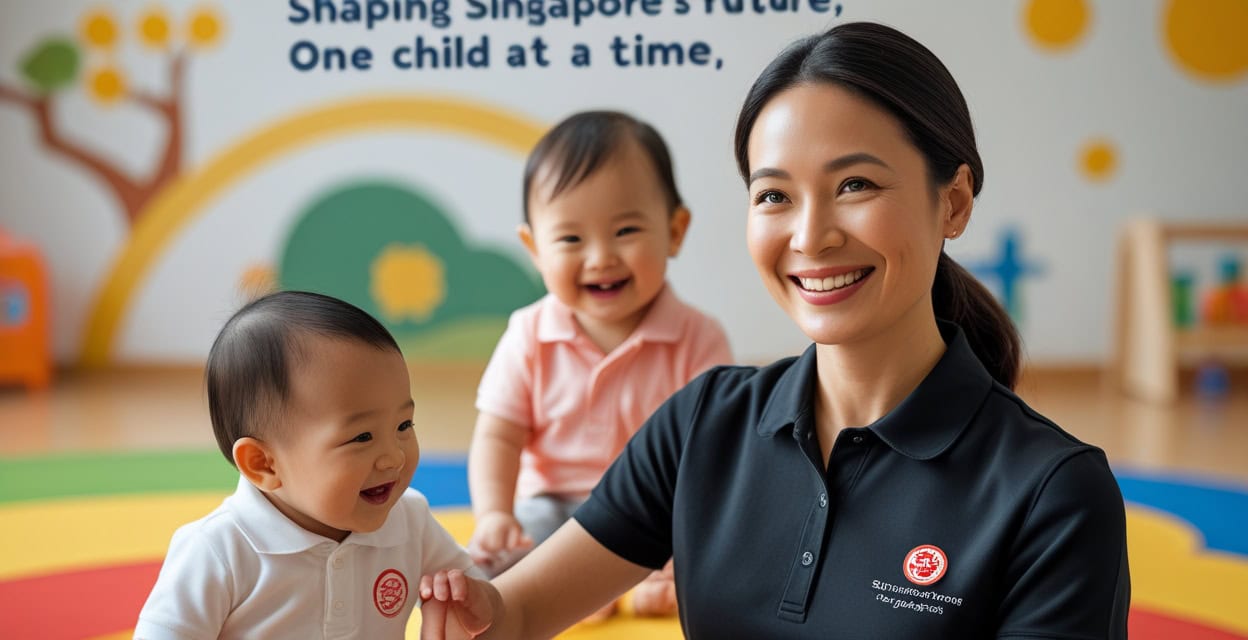
Conclusion: Shaping Singapore’s Future, One Child at a Time
In the earliest years, we lay the bricks of resilience, curiosity, and community. EduNanny embodies a revolution—not only in how we care for our children but in how we see their potential. By elevating childminding to a national craft rooted in science, heart, and professionalism, we prepare Singapore’s youngest for a future of limitless possibilities. Every parent, caregiver, and policymaker has a role in this transformative journey. Together, we can create environments where love, safety, and purpose flourish—in every crib, every smile, and every future citizen.
We invite you to think beyond the immediate. Invest in the next generation by choosing excellence in infant care. Advocate for policies that recognize childminding as a vital societal pillar. And support caregivers who nurture our children with dignity and dedication.
Let us nurture a future where every child’s early years are filled with love, discovery, and confidence. Because in shaping their foundations, we shape Singapore’s future.
For affordable, world-class childminding across Singapore, visit EduNanny.com and Childminding.EduNanny.com. Together, let’s nurture excellence, safety, and joy—one child, one day, one community at a time.