Proximity as Pedagogy EduNanny Near Home Revolution Redefining Singapore First Thousand Days in Every Neighborhood

EduNanny Singapore: A New Standard in Infant Care for Every Neighborhood
EduNanny is more than a program; it is a movement designed at human scale and Singapore’s scale, translating decades of child development science into everyday practice where babies learn: at eye level, in calm rooms, and within communities that feel like home. Grounded in the wisdom of pioneers in early childhood education, EduNanny brings theory into the floor—where infants grow through small moments, honest relationships, and a culture of proximity, predictability, and presence.
Foundations: Learning from Pioneers in Early Childhood
We stand on the shoulders of thinkers who shaped how we think about babies, attention, and belonging. EduNanny honors their contributions:
- Montessori: Respect for agency and the child’s right to explore with purpose.
- Pikler: Trust in the body’s wisdom and the importance of calm, unhurried caregiving.
- Bowlby: Secure attachment builds courage, resilience, and social confidence.
- Piaget and Vygotsky: Learning as a social, developmental dance—discovery within a community of learners.
EduNanny translates these insights into practical routines, environments, and relationships that families can see, feel, and trust. We bring these ideas down to the floor—literally—where babies learn best: in environments designed for safety, curiosity, and close attention.
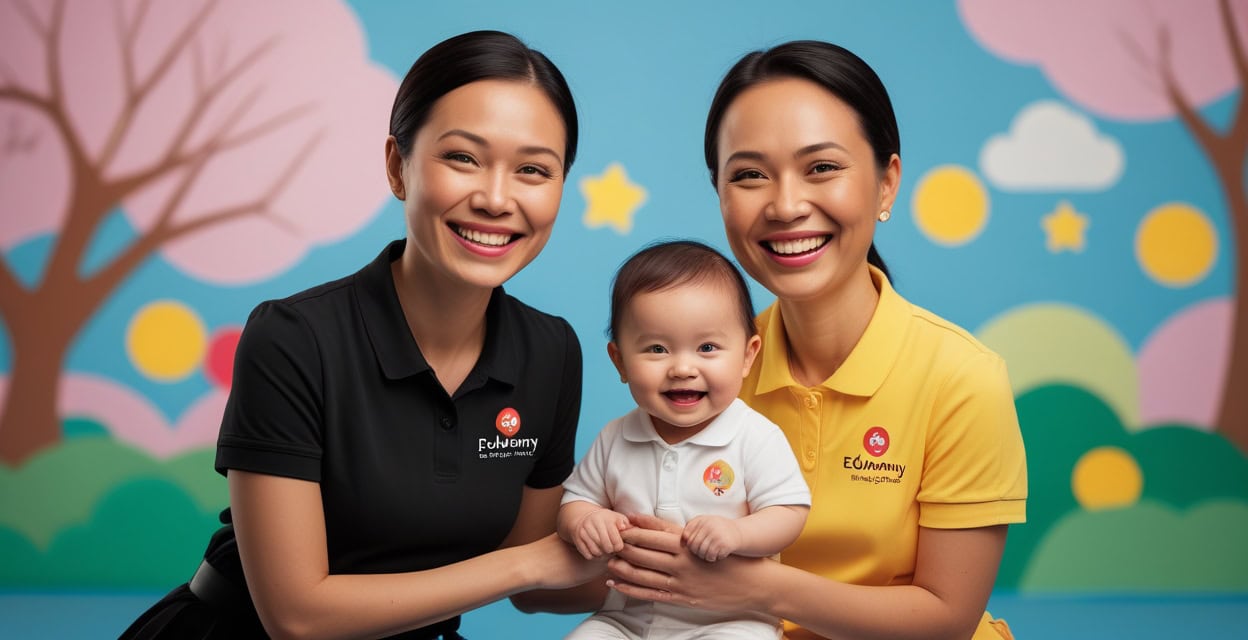
EduNanny: A Care Culture for Singapore
The strength of infant care in Singapore lies not in a single program or building, but in a culture of care that is near, predictable, and present. EduNanny makes that culture tangible through:
- Near-home care that blends centre-based routines with home familiarity.
- Flexible models: centre-based when community helps, home-based when familiarity heals, and distance-supported when a parent needs guidance from afar.
- An attention standard of 1 caregiver to 3 infants, ensuring depth of engagement and a right to attention for every child.
- Affordability and accessibility: from $33/day, with CDA/Baby Bonus support so quality care is within reach for ordinary families.
EduNanny is designed as a national social initiative—centred on excellence, but accessible to every family that desires a high-quality start for their child. It is “care with a compass”—attentive, transparent, and deeply Singaporean in its commitment to excellence.

Five Living Ideas That Guide EduNanny
Tonight, we share five living ideas that shape how EduNanny works day to day, and how families can partner with us to begin well.
1. Proximity as Pedagogy: Learning Within Reach
Infancy is a geography. The closer the care, the steadier the day, and the more frequent the small moments that build trust and brain networks. Practical applications:
- 1:3 attention translates into caregivers who pause to listen for every signal, whether a cry, a gaze, or a fluttering hand.
- Near-home routines: routines that mirror neighborhood rhythms—walks, music, and meals that fit local schedules and cultural practices.
- Environment design: low furniture, real, safe materials, open sightlines, and uncluttered floors that invite safe exploration.
- Distance support as a bridge: regular video check-ins, coaching, and remote feedback so parents stay informed even when they are apart.
Actionable tip for parents: observe how a caregiver follows a nap cue across a short transfer—note the calm voice, the steady hand, and the smooth transition. At home, replicate the rhythm: a warm bottle, a predictable nap routine, and a brief cue that signals “rest time” to your baby.
2. Safety Without Shadow: Transparent Trust, Safety by Design
Safety is a system, not a script. It protects curiosity while preventing harm, and it is open to observation and improvement:
- Environmental safety: rounded corners, non-toxic materials, secure storage, and clear pathways so exploration is safe and purposeful.
- Hygiene and health: visible, steady routines for cleaning, bottle preparation, nap checks, and safe sleep positioning that align with science and baby cues.
- Staff preparedness: ongoing infant CPR, first aid training, and practical drills that keep safety mechanisms familiar and ready.
- Privacy and openness: CCTV is a tool for trust, not fear—privacy-respecting, parent-accessible, and overseen by robust data-protection practices.
Practical insight for families: ask to see routine logs—nap checks, feeding times, and floor-cleaning schedules. See if caregivers can explain how a calming strategy works when a baby resists sleep, and whether communication is clear and timely.
3. Attunement in Action: The Developmental Choreography
Every baby carries a unique choreography of signals, needs, and interests. EduNanny’s micro-moment method centers on slow, intentional practice:
- Notice: Observe signals—eye gaze, body tension, or a shift in attention.
- Name: Label the experience in simple language to support thought development and vocabulary growth.
- Nurture: Extend the moment with a mindful step—additional texture, a gentle co-regulation pause, or a brief shared activity.
At home, this translates to unhurried feeding, predictable nap routines, and floor time that invites the child to explore with a caregiver’s presence. Practical home applications include narrating what you think your baby observes, then giving them a moment to respond, followed by a responsive action—like handing a favorite toy after acknowledging curiosity.
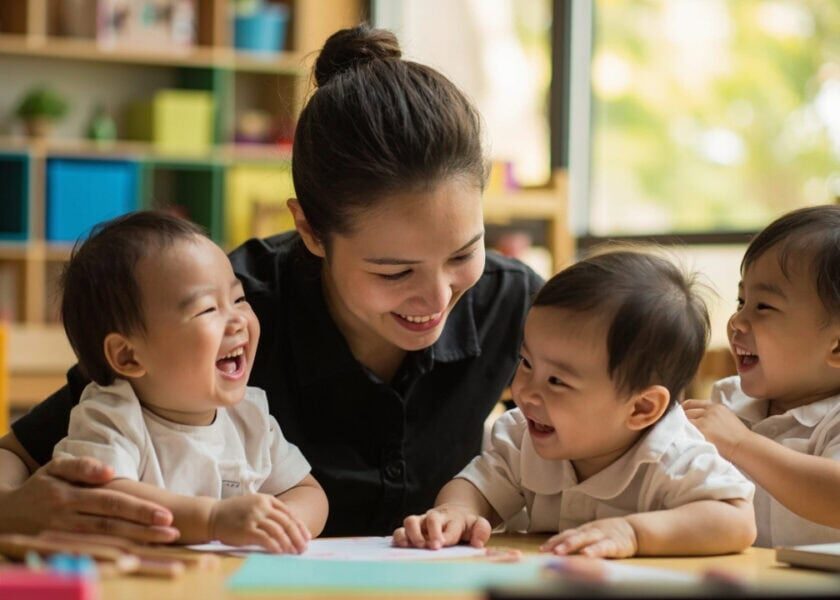
4. Joy as Curriculum: Happiness Built Into the Day
Joy is not mere entertainment; it is a sign of coherence, trust, and meaningful engagement. EduNanny’s daily rhythm is designed to cultivate joy through:
- Environment that makes sense to tiny minds: clear paths, reachable materials, warm light, and sensory-rich but uncluttered spaces.
- Culture embedded in routine: songs, stories, rituals, and languages that reflect Singapore’s diversity and the family’s values.
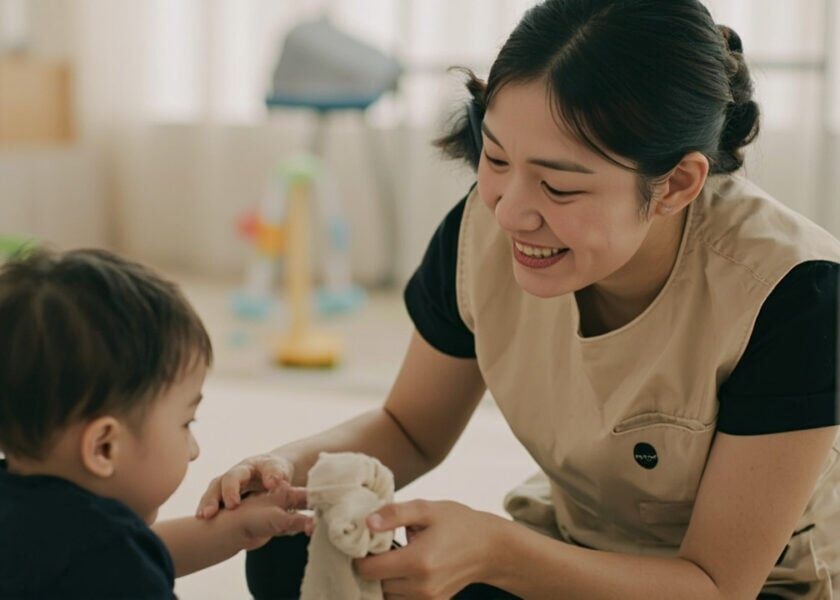
- Adult presence as a practice: caregivers kneel, wait for a baby to try, mirror when appropriate, and lead with sensitive pacing.
- Two-way partnership with parents: sharing specifics about naps, feeds, and new interests so home and care echo the same tune.
Practical tip for families: create a small “joy routine” at home—an after-feed cuddle, a short finger-plays moment, and a book in a familiar voice—so your baby experiences continuity between home and EduNanny care.
5. The Purpose of Childminding: A Civic Craft, A National Promise
Childminding is not a fallback; it is a professional craft that supports families and strengthens the nation. EduNanny emphasizes:
- Steady careers: meaningful, well-supported roles for those who care for the youngest learners.
- Professional growth: clear training pathways, ongoing mentorship, and opportunities to lead within the field.
- Public-standard alignment: the ECDA Childminding Pilot framework ensures transparent, public-facing standards that improve over time.
- Multiple care modes: centre-based, home-based, and distance-supported options that prioritize proximity and equity.
Action for aspiring caregivers: seek out formal training in infant care basics, safety, and responsive feeding; request mentorship from experienced caregivers; and participate in feedback loops that help the program evolve.
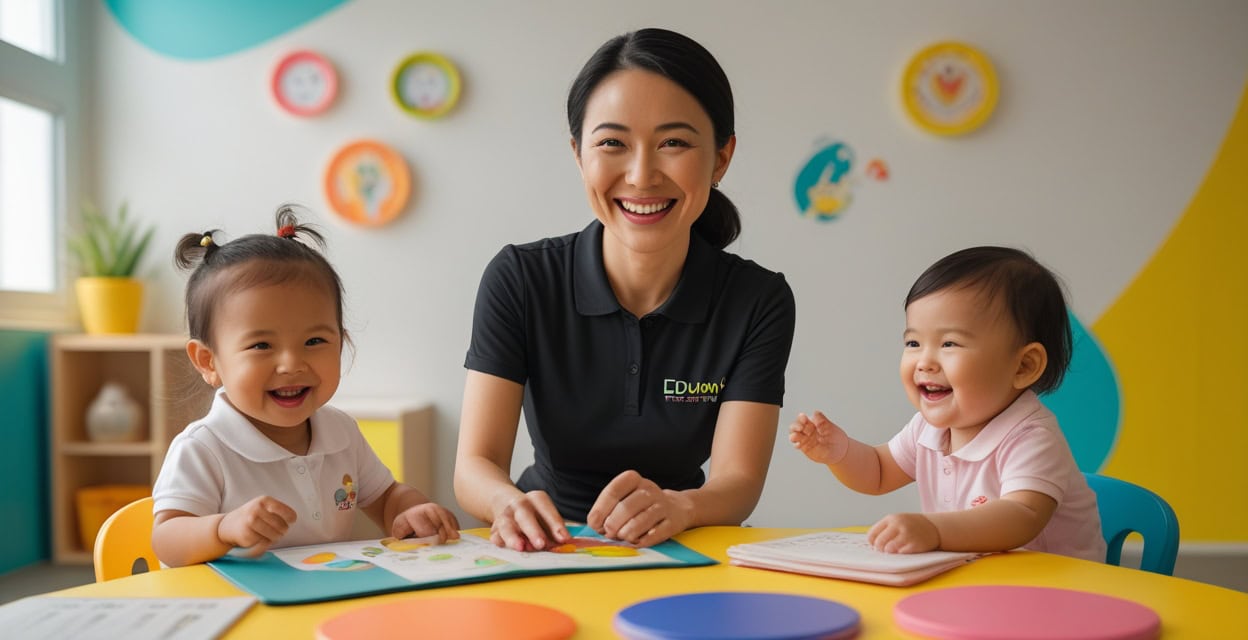
EduNanny in Practice: How the Model Works for Real Families
EduNanny blends excellence with practicality, making high-quality care something families can rely on every day. Key features include:
- Excellence, made practical: The 1:3 model reduces transitions, calms rooms, and sharpens attunement to infant cues.
- Visible quality: CCTV access, open sightlines, plain-language daily notes, and a floor-level philosophy families can observe and trust.
- Flexible choices: Centre-based for community, home-based for familiarity, and distance-supported for guidance when needed.
- Convenient scheduling: 7am–7pm, Monday to Friday, islandwide.
- Affordability with integrity: From $33/day with CDA/Baby Bonus support to keep quality within reach.
- A pilot with purpose: The ECDA Childminding Pilot enables iterative testing, learning, and public accountability.
In practice, this means fewer people handling a child at once and more consistent presence, quieter transitions, and a home-like rhythm that supports the child’s developing independence without rush.
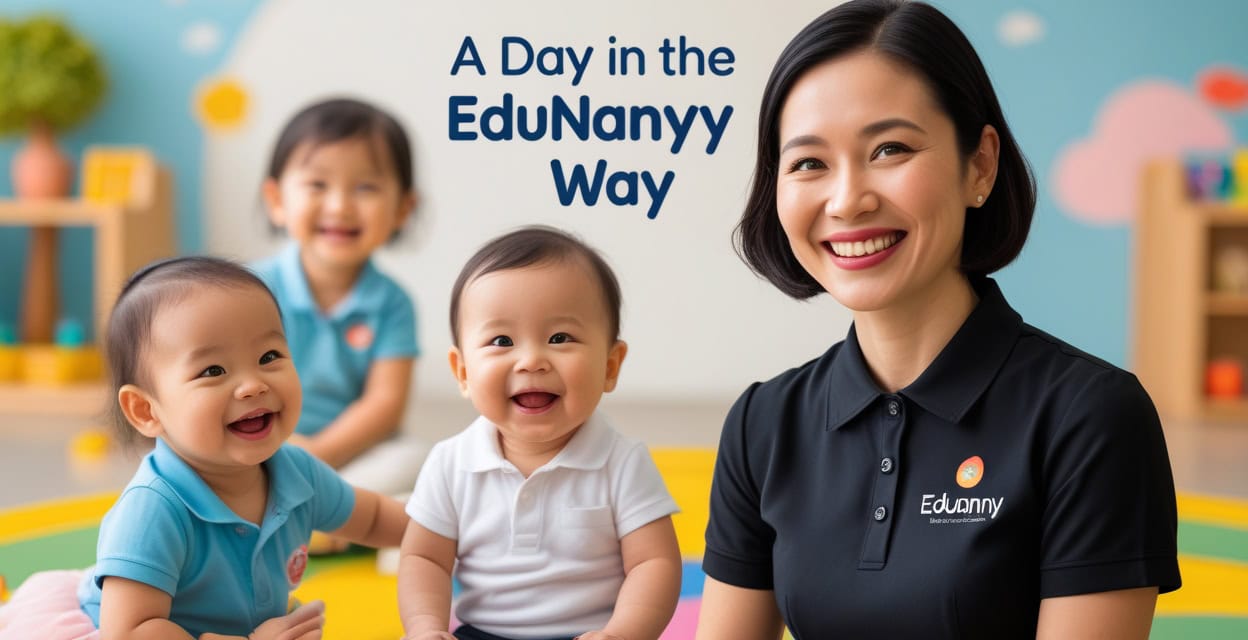
A Day in the EduNanny Way
Here is a practical glimpse into a typical EduNanny day, designed to be transferable to homes and spaces alike:
- Mornings begin with unhurried greetings and cues‑scanning: Is today a day for extra cuddles or extra exploration?
- Bottles are warmed to an appropriate temperature to honor sensory comfort at the start of a day.
- Floor time unfolds with soft mats, reachable objects, and open-ended materials that invite curiosity.
- Caregivers narrate the baby’s actions and expressions, turning moments into language-rich opportunities.
- Nap schedules follow a predictable cadence, with safe sleep practices and gentle transitions between activities.
- Updates to parents are specific and home-friendly: what the baby ate, how sleep unfolded, and what new interest emerged.
- Evening routines emphasize calm, confidence-building activities that align with the day’s learning.
Outcome: stability for families, trust in caregivers, and a growing set of validated routines that can be echoed at home to reinforce a sense of safety and discovery.
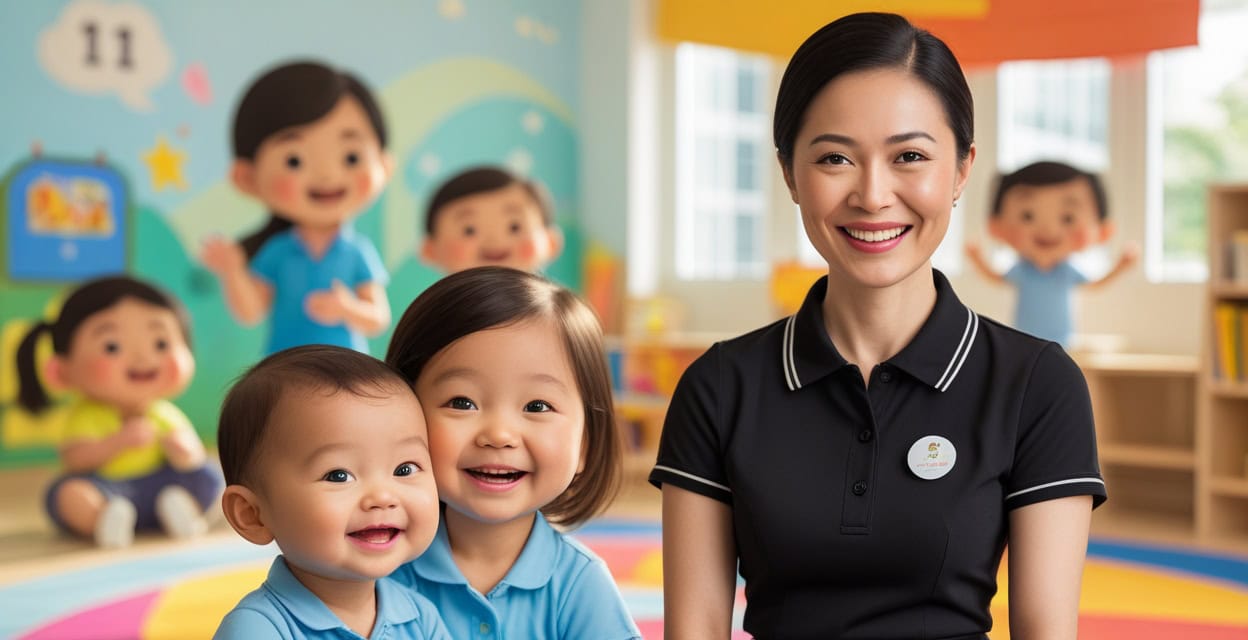
The Civic Case for Care
Why does high-quality infant care matter beyond each family? Because the first thousand days shape a country’s future. Secure babies evolve into curious children; curious children become resilient learners; resilient learners grow into engaged citizens and capable leaders. When care is near home, trust rises; when trust rises, participation grows; and when participation grows, communities strengthen. Care is not a service alone—it is an investment in belonging, opportunity, and the social fabric that binds Singapore.
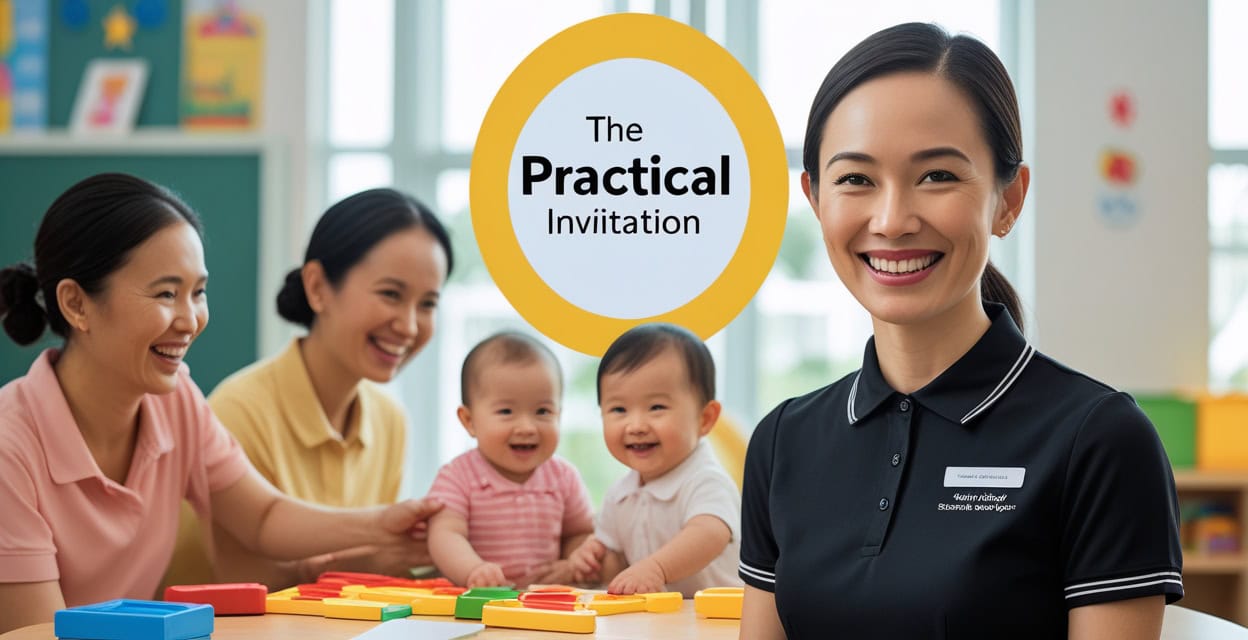
The Practical Invitation
Whether you are a parent seeking calm, joyful, and evidence-based infant care, a caregiver ready to join a profession with purpose, or a community partner eager to expand access to great beginnings, EduNanny invites you to engage with us.
- Parents: Visit EduNanny.com or Childminding.EduNanny.com to explore centre-based rooms, home-based settings, and distance support. Tour a space, observe a floor in action, and ask to see how progress is documented. Transparency is your right and our pride.
- Caregivers: Learn about EduNanny’s maximum employment mandate and training pathways. Join a team where professional development is real, and the craft of caregiving is celebrated and respected.
- Community Partners: Collaborate to place great beginnings within walking distance of every block. Together we can strengthen families and strengthen Singapore.
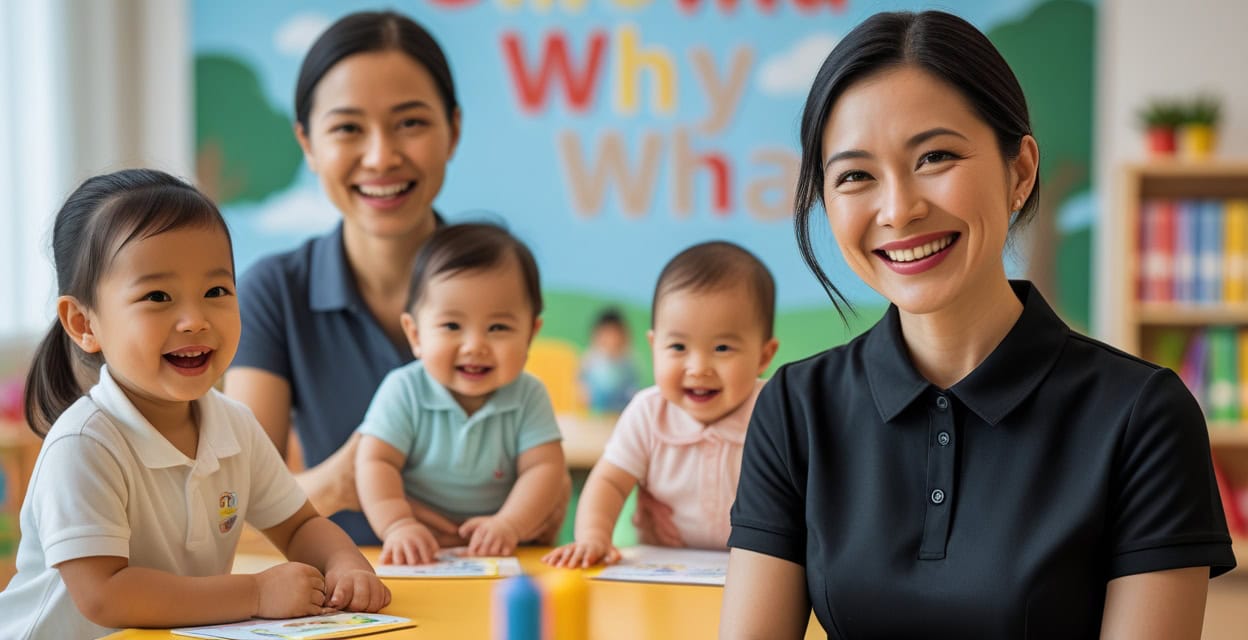
Conclusion: Who, What, When, Where, How—Why It Matters
Who benefits: every infant, every family, and the cared-for hands that turn minutes into milestones. What we offer: attuned, transparent, safe infant care with a 1:3 attention standard, modern layouts, and a living curriculum that treats joy as serious work. When and where: Monday to Friday, 7am to 7pm, islandwide—centre-based, home-based, and distance-supported—so proximity becomes pedagogy and equity. How: through training, design, and data you can see; through CCTV for trust, hygiene for health, and routines for regulation; through affordability from $33/day and CDA/Baby Bonus pathways; through a national initiative that links better care to better work. Why: because the first years are not a waiting room; they are the foundation for homes, neighborhoods, and a nation.
EduNanny by BUTLER is a simple promise made tangible: the right care, close to home, at a standard that honors both science and the soul. Let us build this together—on our knees at eye level with a child, with our minds in the evidence, and our hearts in the work. Thank you.
[#keyword1, #keyword2, #keyword3, #keyword4, #keyword5]Ready to Experience Excellence?
Transform Your Family’s Journey
Discover Singapore’s leading infant care and childminding services. Expert guidance for your little one’s first thousand days.