Near Home Pods and the First Thousand Days A Civic Blueprint for Safe Joyful Infancy in Singapore 2024 to 2027
Introduction: A Civic Craft for Singapore’s Future
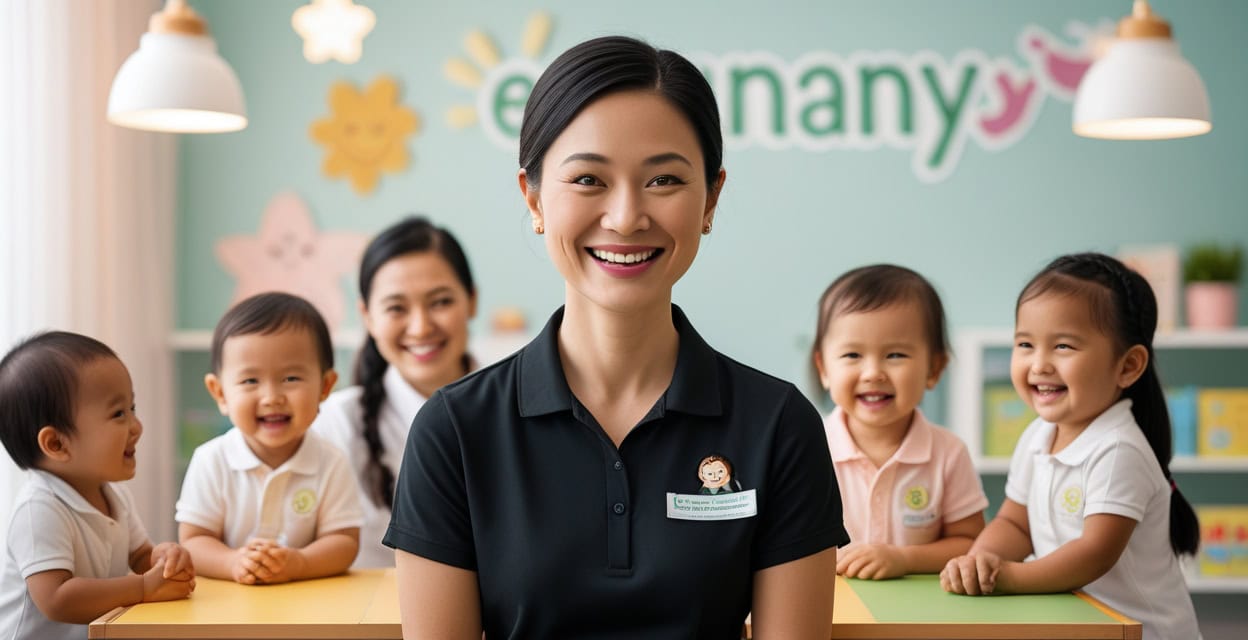
Good evening, parents, grandparents, caregivers, neighbours, and partners in Singapore’s future. This article translates a profound speech into a practical guide for families seeking safety, joy, and development for our youngest citizens. EduNanny—EduNanny by BUTLER—presents not just a service, but a civic craft: a way to steward the first thousand days so that every child’s wellbeing becomes a shared foundation for a resilient nation.
EduNanny: Purpose-built Care for Singaporean Families
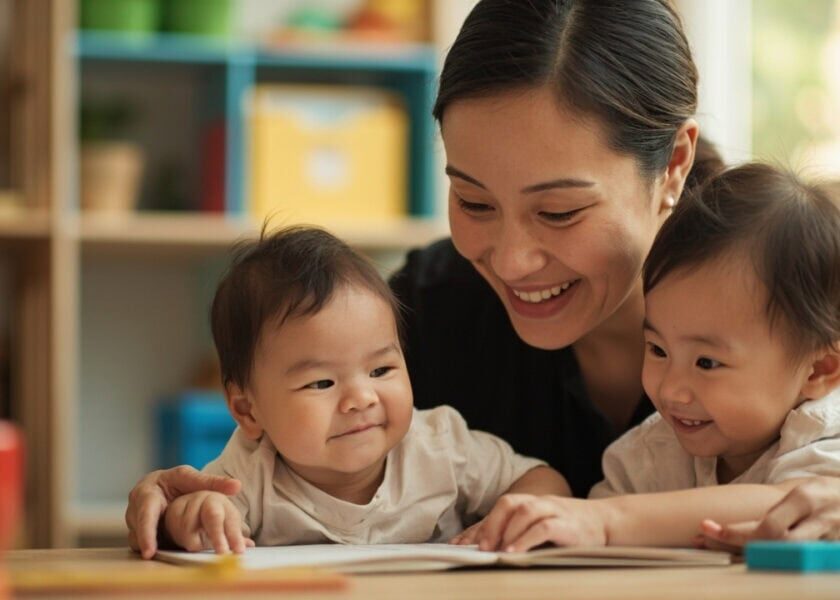
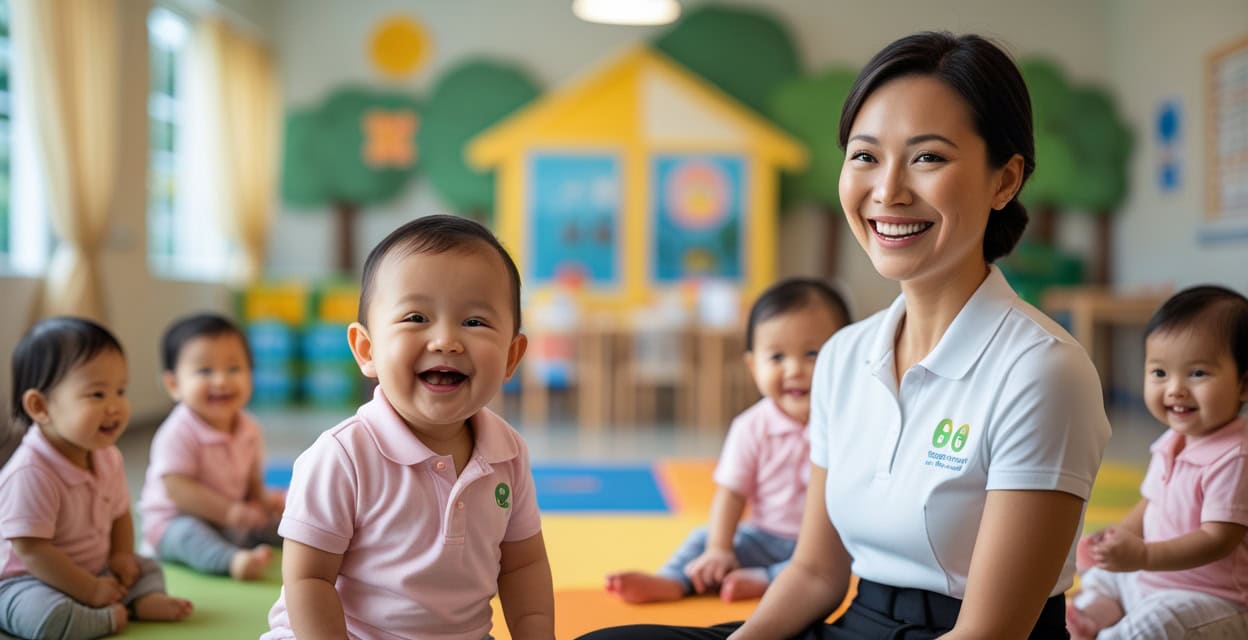
EduNanny is designed to blend science with warmth, structure with flexibility, and local context with global insight. We operate where families actually live and work—community premises and home environments—so care is near, trust is visible, and development is continuous. Our model features a three-infant-to-one-educator ratio, attuned, floor-level interaction, and a minute-by-minute approach to observation and response. We translate the insights of Montessori, Piaget, Vygotsky, Froebel, Malaguzzi, Bowlby, Pikler, Spock, and Erikson into Singaporean practice that is specific, practical, and measurable.
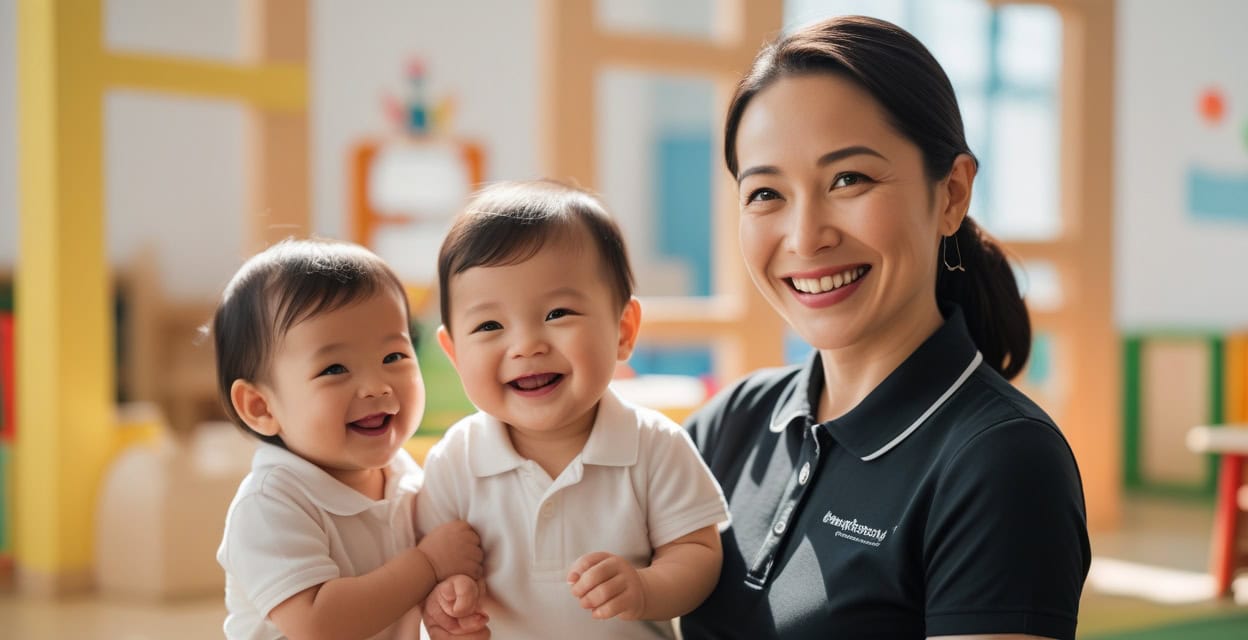
Five Working Ideas Shaping Our Practice
1) Read–Root–Rise: a human-scale pedagogy
Read: Educators observe infants’ cues—gaze, breath, hand, and voice—before acting. In routines, we pause, name what we see, and invite participation.
- Practical tip for parents: narrate small moments at home—“I’m picking you up now,” “Let’s wash hands together.” This builds language and predictability.
Root: Stabilise the moment with slow, intentional actions, predictable sequences, and consistent phrases so the infant’s nervous system settles and secure attachment takes root.
- Practical tip for families: establish a short set of soothing routines (diaper, wash hands, cuddle) performed in the same order each time.
Rise: Extend moments into learning through rich language, gentle challenge, and open-ended, ground-level materials—fueling curiosity within a safe frame.
- Practical tip for parents: offer simple open-ended questions during play (“What happens if we stack this block higher?”) and provide age-appropriate materials like soft blocks, mirrors, and simple texture boards.
With a 3:1 infant-to-educator ratio, we keep the tempo human, stay at eye level, and follow the child’s lead while preserving the rhythm of the day.
2) Safety you can see, systems you can trust
Safety by design: Modern room layouts preserve clear sightlines, zone spaces for sleep/feeding/play, and purpose-built equipment positioned for quick access.
- Practical tip: when touring a centre, notice whether lines of sight are open and whether sleep, feeding, and play zones are clearly separated yet connected for supervision.
Safety by behaviour: Predictable routines, two-check handovers, safe sleep practices, infection-control protocols, and active supervision without interruption.
- Practical tip: ask about caregiver handover procedures and how heads-up notifications about a child’s day are structured.
Safety by transparency: Innovation-driven CCTV for appropriate visibility, clear incident reporting, and open communication with families.
- Practical tip: request a summary process for safety notes and how incidents are reviewed for learning, not blame.
Safety by proximity: Care near home reduces stress, supports calmer transitions, and sustains daily continuity—one of the strongest predictors of infant well-being.
3) Happiness as a developmental right
Joy is not a bonus; it is the soil in which language, motor skills, and social-emotional health are grown. We measure happiness through state regulation, engagement, and recovery—not merely smiles.
- Language: responsive dialogue, sing-speak routines, and narrated caregiving build vocabulary long before first words.
- Motor: daily floor time, gentle gross-motor progressions, and free movement support balanced strength and coordination.
- Social-emotional: predictable rhythms, warm attunement, and small-group rituals cultivate trust, frustration tolerance, and early empathy.
A content infant who can settle, explore, and reconnect is learning well; happiness is an evidence-based indicator of healthy development.
4) The craft and calling of the childminder
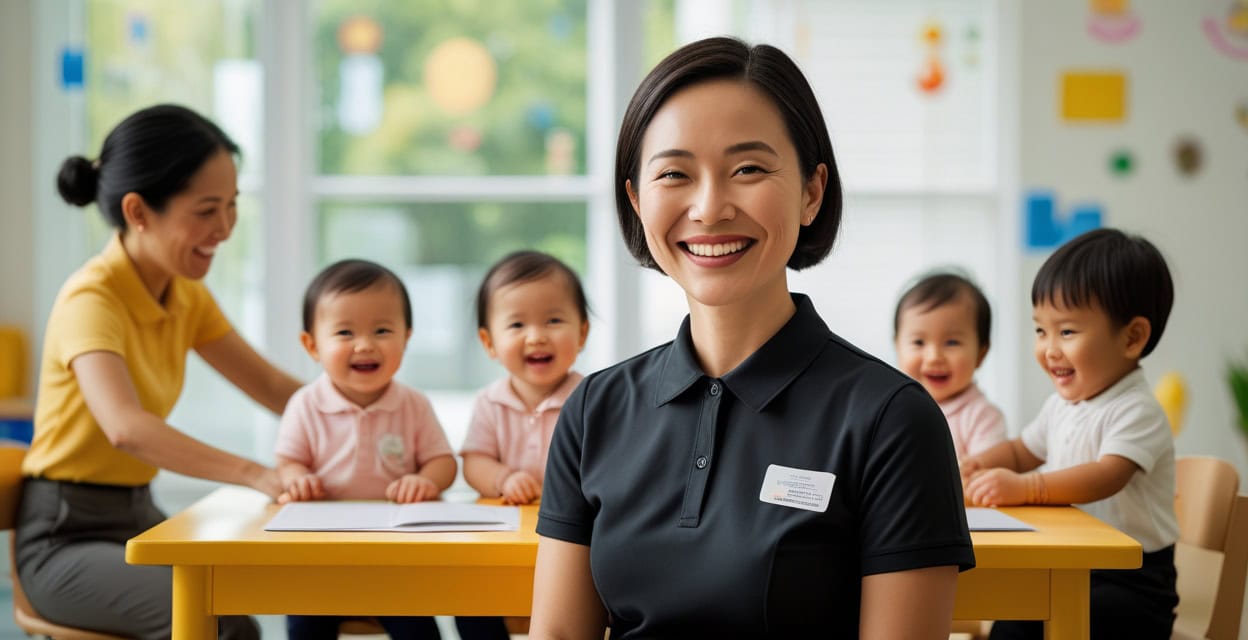
Childminders are not stopgaps; they are early-years professionals with a public purpose. EduNanny trains childminders in observation, respectful handling, safe sleep, and reflective practice. They receive coaching, peer support, and structured feedback. The work is dignified, professional, and essential—an employment pathway aligned with a Maximum Employment Mandate that lifts families, strengthens neighbourhoods, and honours the emotional labour at the heart of care.
5) Access without compromise
Singapore families deserve quality that is reachable. Our model offers:
- Centre-based for community rhythm
- Home-based for intimate continuity
- Distance support for parent coaching and real-time guidance when on-site care is not feasible
- Mon–Fri, 7am–7pm, islandwide
- Fees payable by CDA/Baby Bonus
- Affordable from $33/day options within the Childminding Pilot
- Information and enrolment at EduNanny.com and Childminding.EduNanny.com
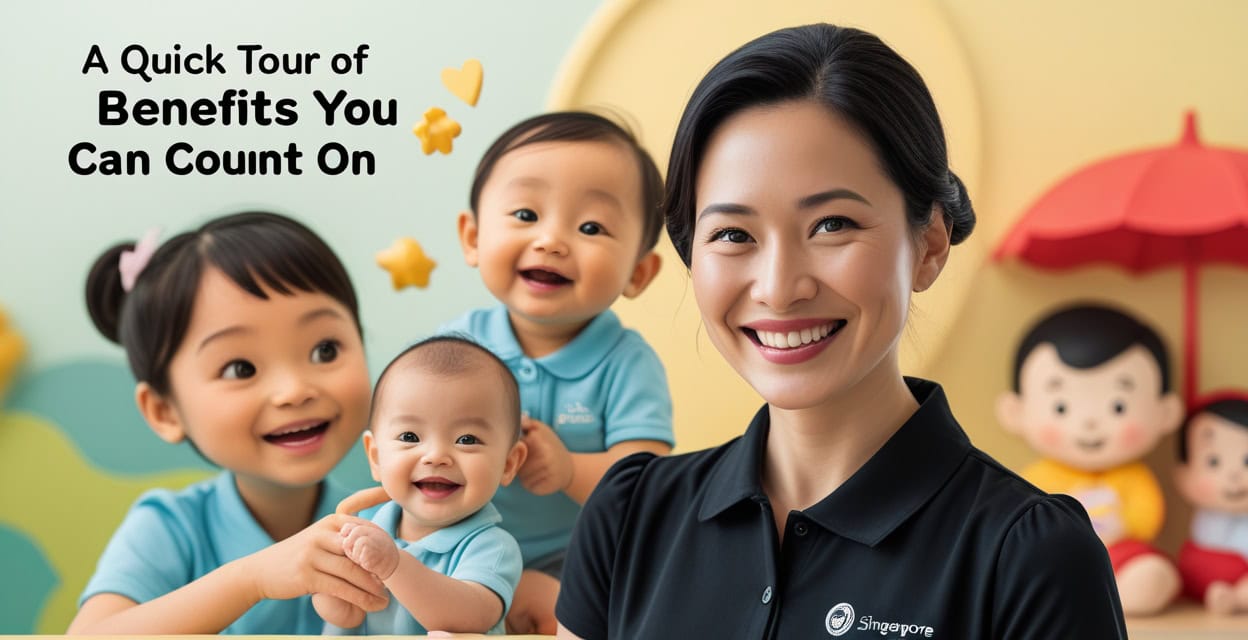
A Quick Tour of Benefits You Can Count On
- Excellence and quality: a research-informed, practice-proven model
- Centre-based and home-based options, plus distance support for parents
- Convenience: Monday–Friday, 7am–7pm, islandwide Singapore
- Affordability: plans from $33/day; fees payable by CDA/Baby Bonus
- Childminding Pilot: a National Social Initiative within the ECDA Childminding Pilot
- 1:3 infant ratio for attentive care and real learning time
- Innovation-focused CCTV and modern layouts for safety and transparency
- EduNanny by BUTLER: standards, training, and consistency across premises
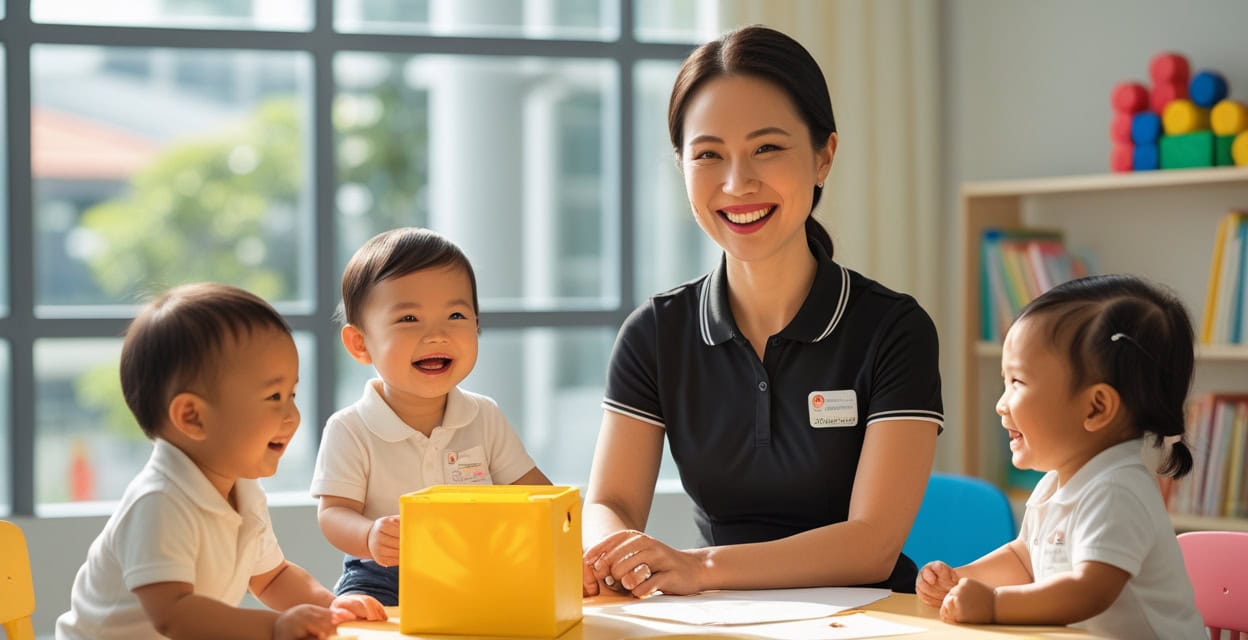
What This Means for a Singapore Family, in Practice
- The first drop-off is unhurried. We greet your child by name, then narrate each step: “I’m picking you up now… I’m changing your diaper… Let’s wash hands together.” Predictability calms the body; calm bodies learn.
- Throughout the day, your little one moves through small arcs: feed, rest, explore, connect. We slow to go further—never rushed, always responsive.
- You receive concise, useful updates: sleep windows, feeding, diapering, play highlights, and any safety notes. No spam, no vague reports—just what matters.
- At pick-up, we pass the thread back to you with a practical handover so the evening rhythm at home begins on a calm note.
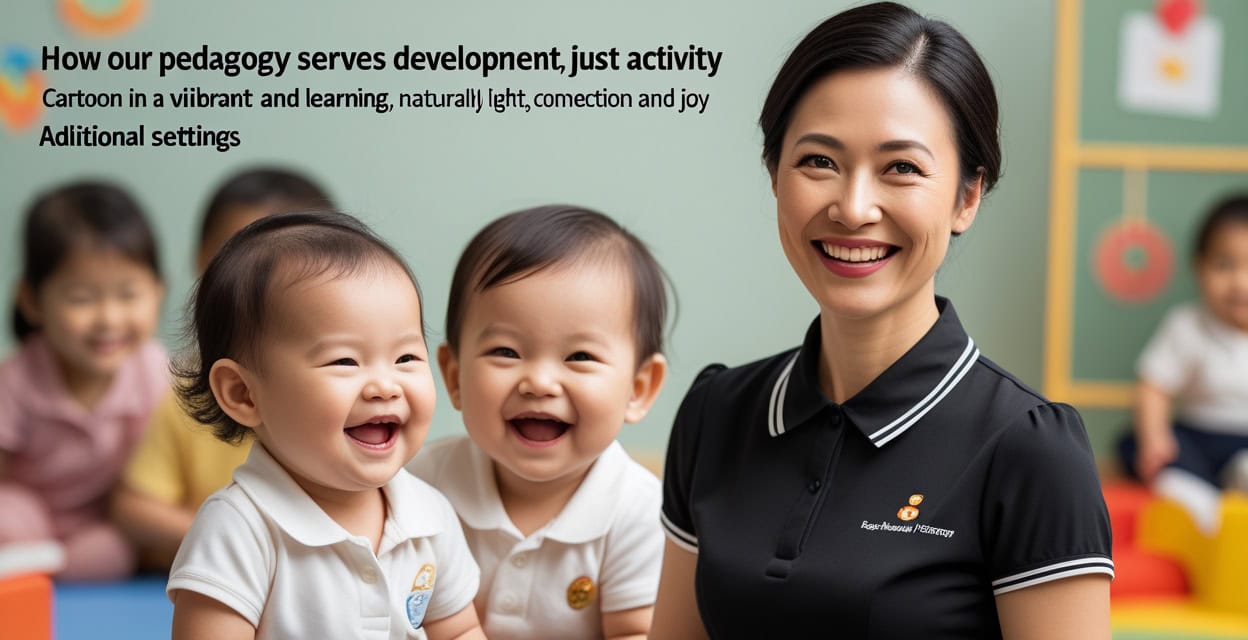
How Our Pedagogy Serves Development, Not Just Activity
We design for fewer, richer moments. One attentive minute can be worth ten distracted ones. By staying at eye level, we align with attachment theory; by offering open-ended materials, we align with constructivist learning; by inviting co-regulation, we align with the science of self-control. No flashcards needed—only presence, language, and gentle challenge.
Parent Partnership, Plain and Simple
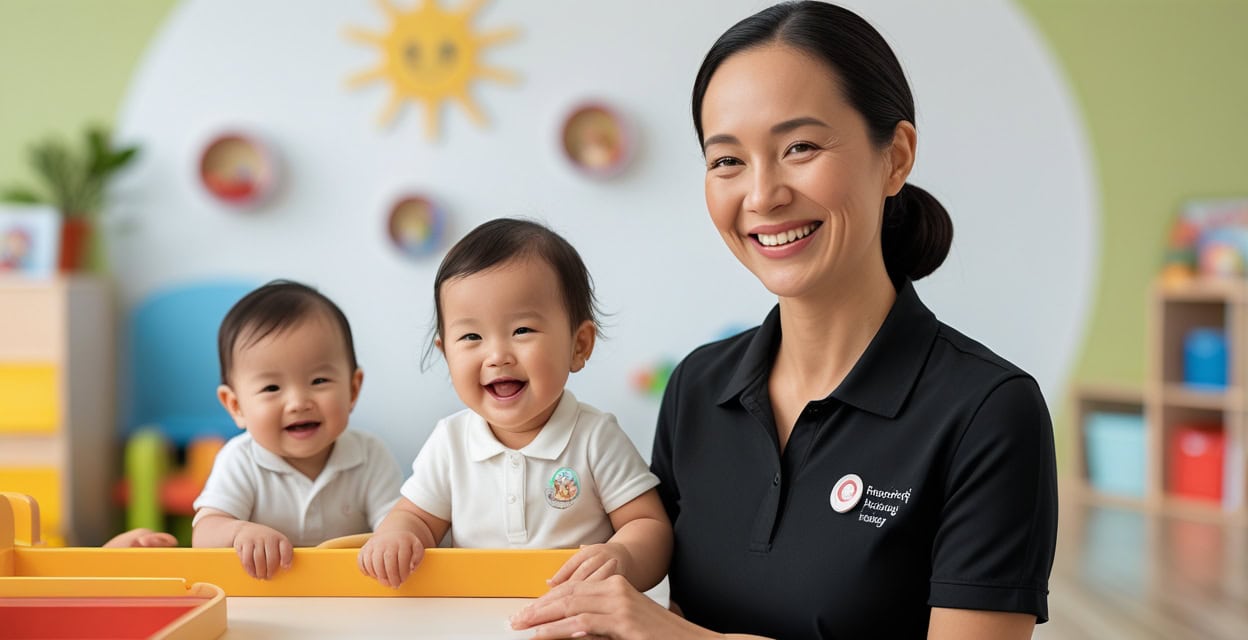
- You know the plan: daily rhythms are clear, menu and sleep policies are transparent, and safety checklists are visible.
- You shape the plan: family culture, language, and preferences are integrated into routines.
- You can see the plan: modern layouts and innovation CCTV create appropriate visibility and accountability.
The Purpose of Childminding in a City Like Ours
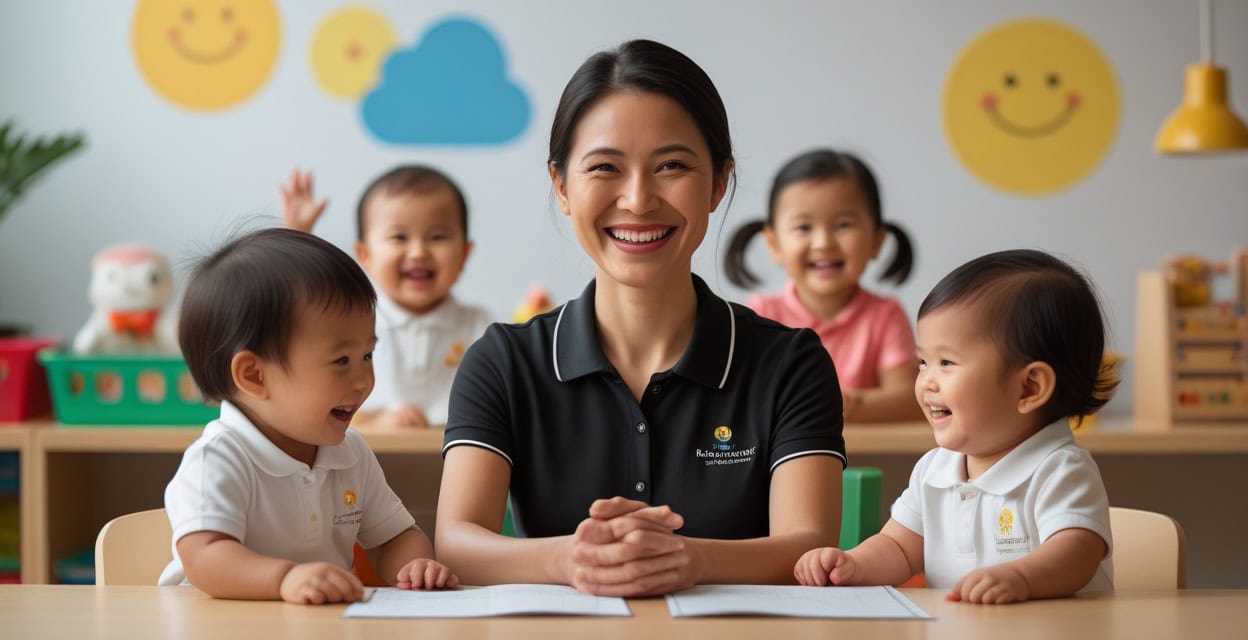
In a fast, brilliant city, slowing down for the youngest is an act of national wisdom. Childminding, when done well, is not a fallback for families—it is a forward step for society. It reduces stress at home, stabilises work-life for parents, grows dignified jobs for caregivers, and creates neighbourhoods that truly include infants and families. That is why this work sits within a National Social Initiative and the ECDA Childminding Pilot: because early care is public good, not private luck.
Concluding Call: Who, What, When, Where, How, and Why Childminding Matters
Who: Infants and families who deserve safety, joy, and belonging from day one; childminders who deserve training, respect, and a career path; employers and neighbours who benefit from calmer mornings and stronger communities.
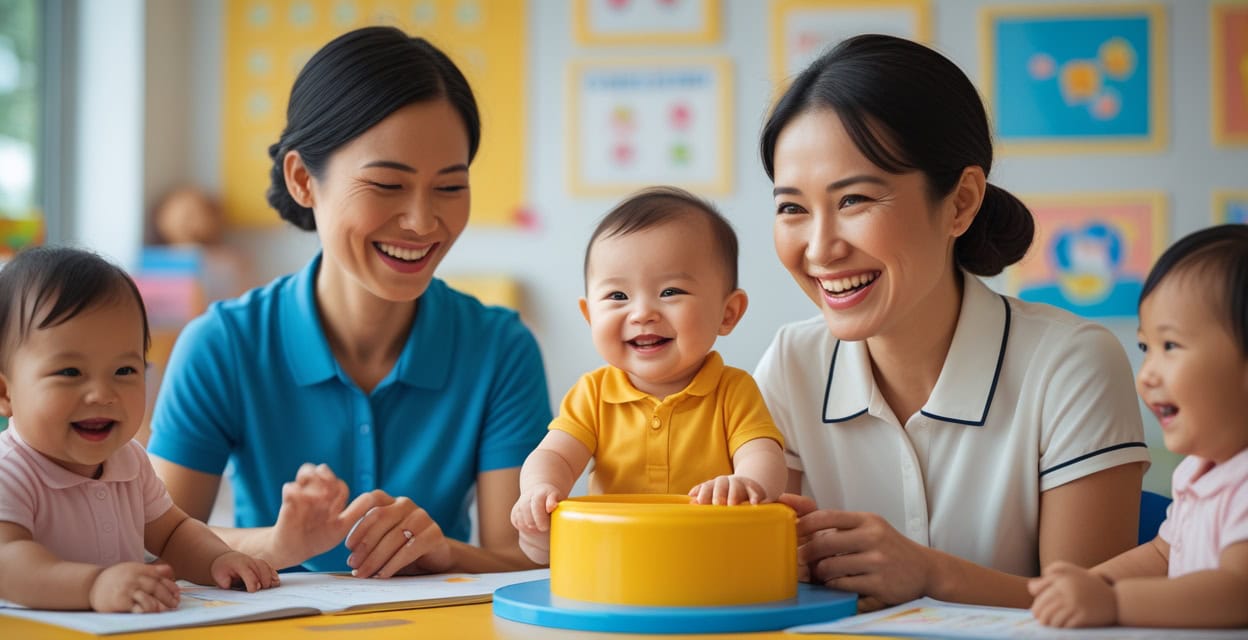
What: Professional, transparent childminding that turns everyday care into secure attachment and real learning. Three infants, one dedicated adult, and a pedagogy that treats every routine as curriculum.
When: Monday to Friday, 7am to 7pm, across your workday and near your home—so you don’t have to choose between convenience and quality.
Where: Islandwide Singapore—in community premises and home settings—because proximity is the most underrated engine of consistency.
How: With safety by design, happiness as a developmental right, a human-scale 1:3 ratio, modern layouts, innovation CCTV, and accessible plans payable by CDA/Baby Bonus.
Why: Because the first thousand days are not a rehearsal. They are the foundation. Get them right, and you grow resilient, curious, confident citizens.
EduNanny’s Philosophy and Purpose for Parents and Infants
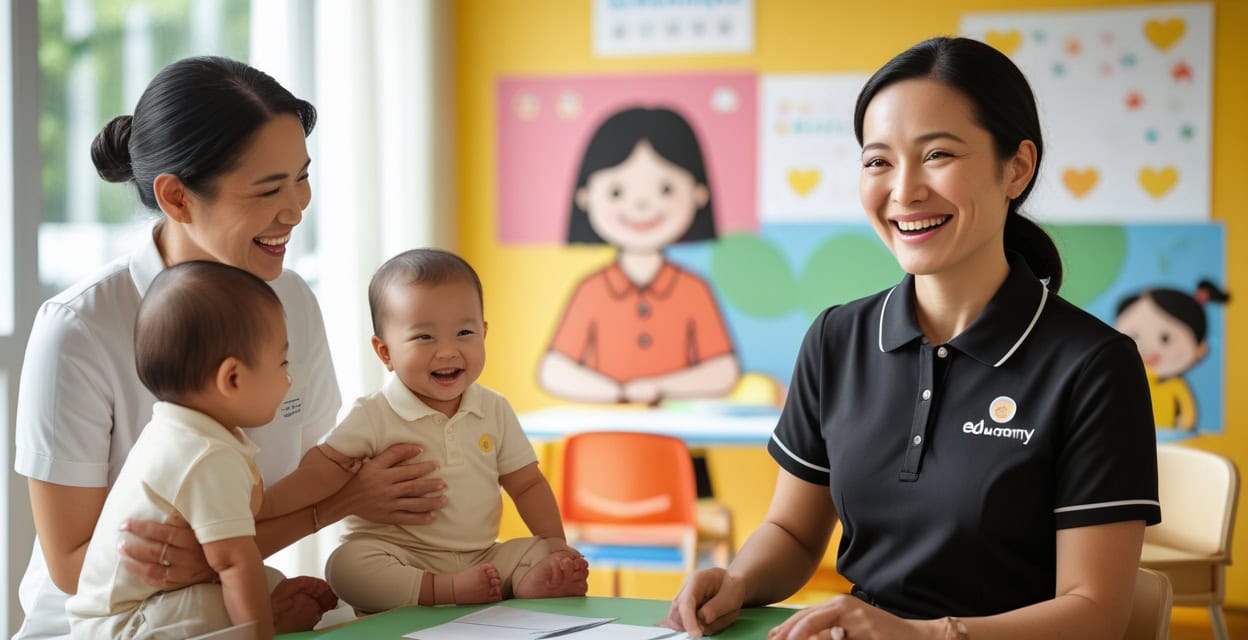
Our philosophy is simple: presence before program, relationship before routine, safety before speed. We hold firm to excellence and quality while keeping care affordable and reachable. We operate centre-based, home-based, and distance-supported models so families can choose what fits. We build dignified work for childminders and dependable rhythms for infants. And we place transparency at the centre—so trust is not promised; it is shown.
This is EduNanny by BUTLER within the ECDA Childminding Pilot and as part of a wider National Social Initiative. We commit to a maximum employment mandate and a minimum of compromise for families. This is how childminding moves from a private arrangement to a public promise.
To the parents here tonight: you are not outsourcing love; you are widening its circle. To the childminders: you are not filling time; you are building a nervous system, one calm minute at a time. To our civic partners: you are not funding services; you are underwriting the trust that makes a nation strong.
Come see us. Visit EduNanny.com or Childminding.EduNanny.com. Tour a centre, step into a home pod, or schedule a conversation with our team. Bring your questions. Bring your hopes. Bring the pram.
In Singapore, excellence should be ordinary, safety should be visible, and joy should be daily. That is the standard we keep, from the first hello at 7am to the last handover at 7pm.
Let’s raise a city that begins well—quietly, carefully, and together. Thank you.
Conclusion
Key takeaways for families: prioritise a caregiver model that emphasizes reading cues, secure routines, and opportunities for open-ended learning; demand clear safety practices and transparent communication; seek arrangements that balance centre-based and home-based experiences to support continuity and trust; and engage with EduNanny as a partner in turning daily care into enduring developmental gains for your child and your community.
Take the first step by exploring tours, asking questions about the 1:3 ratio, observing caregiver–child interactions, and reviewing safety protocols. Together, we can create a Singapore where the first thousand days are not a trial run, but a foundation we build on every day.
[#earlychildhoodcareSingapore, #infantcareSingapore, #EduNannySingapore, #ECDAChildmindingPilot, #1to3infantinSingapore]Ready to Experience Excellence?
Transform Your Family’s Journey
Discover Singapore’s leading infant care and childminding services. Expert guidance for your little one’s first thousand days.