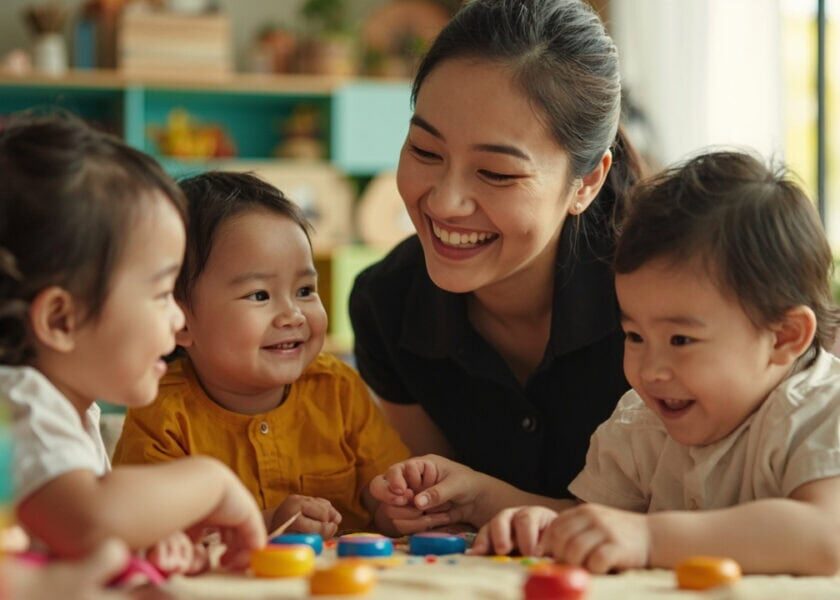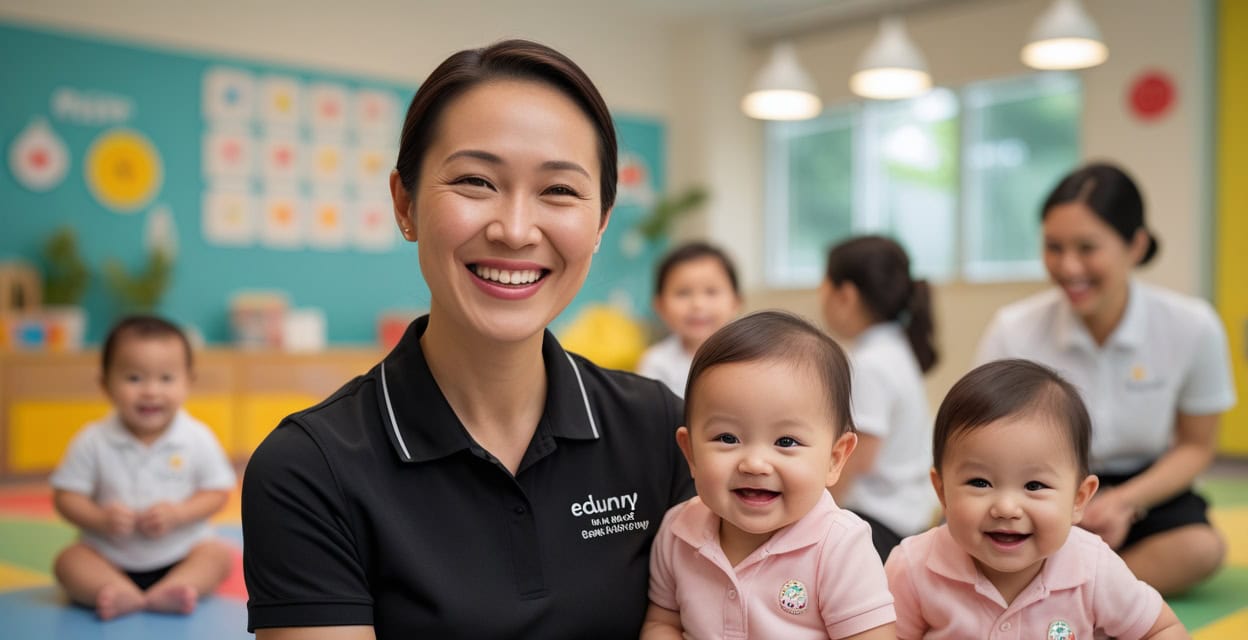
Living Curriculum for the First Thousand Days EduNanny Near Home 1 to 3 Pods Redefining Safety and Joy in Singapore 2024 to 2027
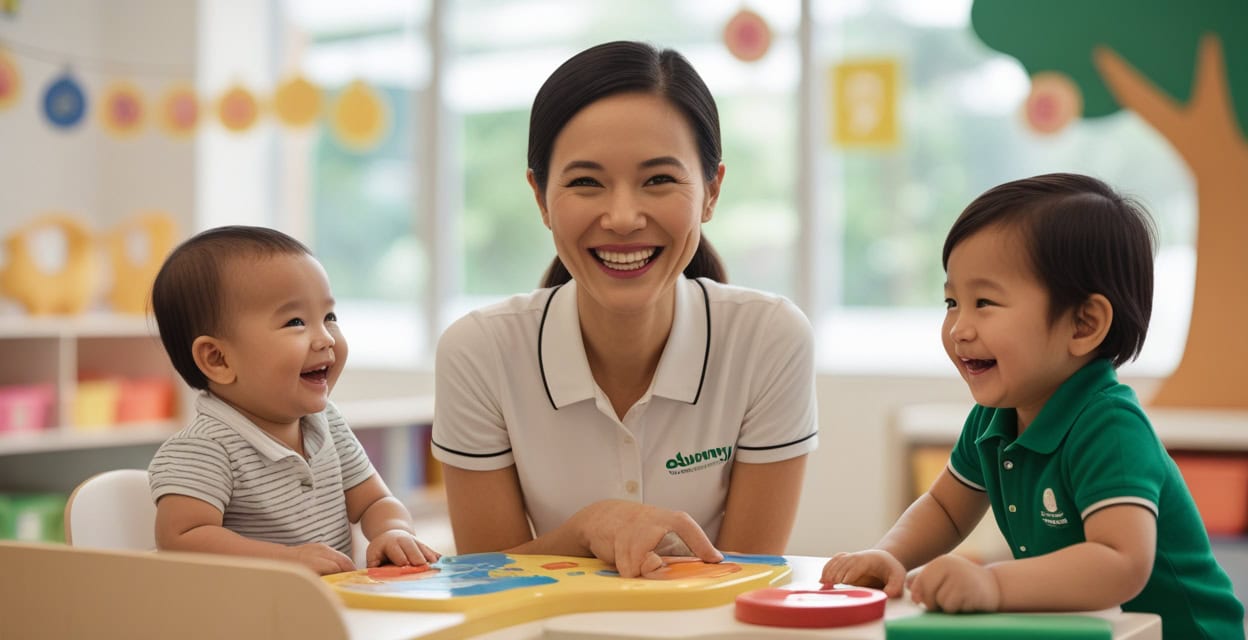
EduNanny Infant Childminding Service: A Living Curriculum for the First Thousand Days
Welcome to EduNanny, an ECDA‑appointed operator in Singapore’s national Childminding Pilot (2024–2027). Our mission is simple and profound: to make the first thousand days of life safe, joyful, and developmentally rich—near home, with people you trust, in spaces designed for dignity. EduNanny by BUTLER offers ultra‑low‑ratio micro‑pods of one to three infants, Monday to Friday, 7am to 7pm, islandwide across home‑based settings and centre‑style community pods. We combine world‑class infant pedagogy with uncompromising safety and transparent partnership with parents, so trust isn’t requested; it’s earned, daily.
Topic 1: Small is wise—our attachment‑first micro‑pod pedagogy
- Ratio as a teaching tool. A maximum of three infants per childminder is not a convenience—it’s a developmental strategy. Secure attachment, as Bowlby taught, is the springboard for exploration. In a 1:3 pod, attunement happens hour by hour: the soft gaze before a feed, a calm pause after a cry, and shared delight at a new sound.
- Autonomy with protection. Our daily rhythm blends Montessori’s respect for the child with Pikler’s movement-led approach. Infants participate in rolling, grasping, and cruising on safe, low furnishings that invite milestones without hurry.
- Learning is social. Following Vygotsky, growth happens in relationship. Tiny circles enable responsive dialogue—mirrored expressions, turn-taking babble, shared books—where language and trust grow together.
- A living curriculum for the first thousand days. Drawing on Froebel, Malaguzzi, and contemporary neuroscience, we cultivate sensory exploration, simple materials, song and story, and the beginnings of symbolic play. We call it the Living Curriculum for the First Thousand Days: simple, human, science‑driven, and full of heart.
- Practical implications for families. Expect a childminder who tailors activity to your infant’s rhythms, uses age‑appropriate materials, and pauses to reflect on progress with you during daily updates.
Topic 2: Safety you can see—people, place, practice, proof
- People. Every EduNanny childminder is carefully selected, background‑checked, and trained in infant first aid, basic infant care, and food safety before deployment. ECDA conducts background checks on household members with regular access to caregiving spaces. Competence is non‑negotiable; character is essential.
- Place. Environments are designed for infants: gated, anchored furniture; distinct sleep, feed, and play zones; meticulous hazard sweeps; safe sleep practices; and robust hygiene systems. Layouts promote clear sightlines and predictable safety flows.
- Practice. We enforce a clear no‑sick‑child policy during care hours to protect all infants and staff. Medication administration follows parental instructions—dosage, timing, method, and signs to watch for—so care is precise and accountable. Incident management is pre‑agreed with families and handled with transparency and speed.
- Proof. CCTV is installed in all community pods. For home‑based care, CCTV in caregiving areas is available where agreed, balancing privacy and peace of mind. Regular safety audits and daily logs ensure accountability and continuous improvement.
- Practical parent tips. When touring a pod, request a sample daily log, observe how caregivers document feeding cues, sleep routines, and milestones, and ask how incidents are reported and followed up.
Topic 3: The science of everyday care—nutrition, sleep, play, and language
- Feeding with respect. We honor parents’ feeding plans—breastmilk handling protocols, paced bottle feeds, and age‑appropriate solids progression. Meals are moments of relationship, not performance; we invite infants to explore textures and tastes in a supportive atmosphere.
- Sleep as a skill. Safe sleep is sacred: firm mattress, clear cot, back‑to‑sleep position, and responsive routines. We use cue‑based settling to help infants learn comfort, trust, and independent sleep skills over time.
- Play with purpose. In Piaget’s sensorimotor view, discovery happens through touch, sound, and movement. Materials are simple and rich: fabric squares, nesting cups, rattles, board books, mirrors, and music. Invitations to play rotate to sustain curiosity without overwhelm.
- Language woven in. Narrate care moments, name feelings, sing in the child’s home language when possible, and read daily. Early words live best in warm voices attached to familiar faces.
- Parents’ action steps. Create a cozy language routine at home—narrate everyday tasks, label emotions, and read a short book at bedtime. Consistency between home and pod strengthens attachment and language growth.
Topic 4: Happiness is serious work—the dignity of daily joy
- Joy as a learning signal. Joy is a biological cue that learning is safe. Caregivers monitor quiet indicators—soft shoulders, steady gaze, playful reach, restful sleep—and share these observations with you to celebrate progress and adjust routines if needed.
- Partnership with parents. Care is co‑crafted. Families select days and blocks; we co‑design routines and share daily observations. A strong home–pod circle supports consistency and thriving.
- Near home, near heart. Short travel distances and familiar neighbourhoods reduce stress for infants and caregivers, leading to calmer routines and deeper connections with the local community.
- Practical joy strategies. Maintain a regular daily rhythm, document a small highlight each day, and discuss gentle cues with your childminder to reinforce secure attachment and emotional regulation.
Topic 5: The purpose and profession of childminders
- A public trust. Childminding is a profession grounded in reflective practice, coaching, and communities of learning. Our caregivers carry the nation’s youngest in their arms and its future on their shoulders.
- Work that works for Singapore. By offering reliable 7‑to‑7 coverage in ultra‑low‑ratio pods, EduNanny helps families participate in work and study while preserving the infant’s need for secure, responsive care. Care becomes infrastructure—quiet, local, and transformative.
- Continual growth. Expect ongoing training, peer learning, and access to best‑practice resources. A culture of curiosity among childminders strengthens outcomes for infants and families alike.
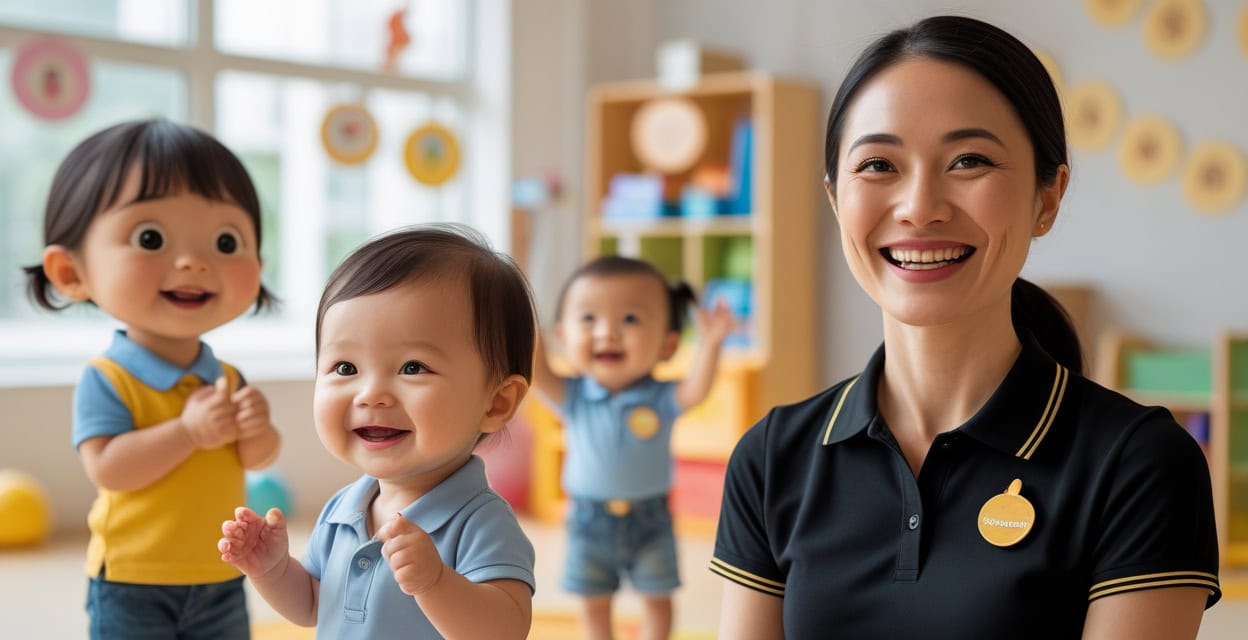
How EduNanny makes infantcare and childminding great in Singapore
- Ultra‑low density, ultra‑low ratio. 1 childminder to a maximum of 3 infants—attention that changes outcomes and supports secure attachment.
- Certified and background‑checked childminders. Training in infant first aid, core care skills, and safety compliance prior to deployment.
- CCTV and transparency. CCTV in community pods; optional in‑home CCTV by agreement to balance privacy with safety.
- No‑sick‑child policy. Clear health safeguards during care hours to protect all infants and staff.
- A national social initiative. Part of ECDA’s Childminding Pilot (2024–2027) to expand safe, reliable, and affordable infant care options.
- Affordability and accessibility. Government subsidies for half‑day and full‑day blocks; CDA (Baby Bonus) funds usable for subsidised hours.
- Choice and convenience. Home‑based care or centre‑style community pods, near home, Monday to Friday, 7am–7pm.
- Quality by design. Modern layouts with sleep/feed/play zones, safe sleep practices, hygiene systems, and rigorous audits.
- Islandwide presence. A network of neighbourhood pods across Singapore, supported by the EduNanny Concierge.
- Purpose‑built for the first thousand days. A Living Curriculum grounded in attachment, autonomy, and joyful play.
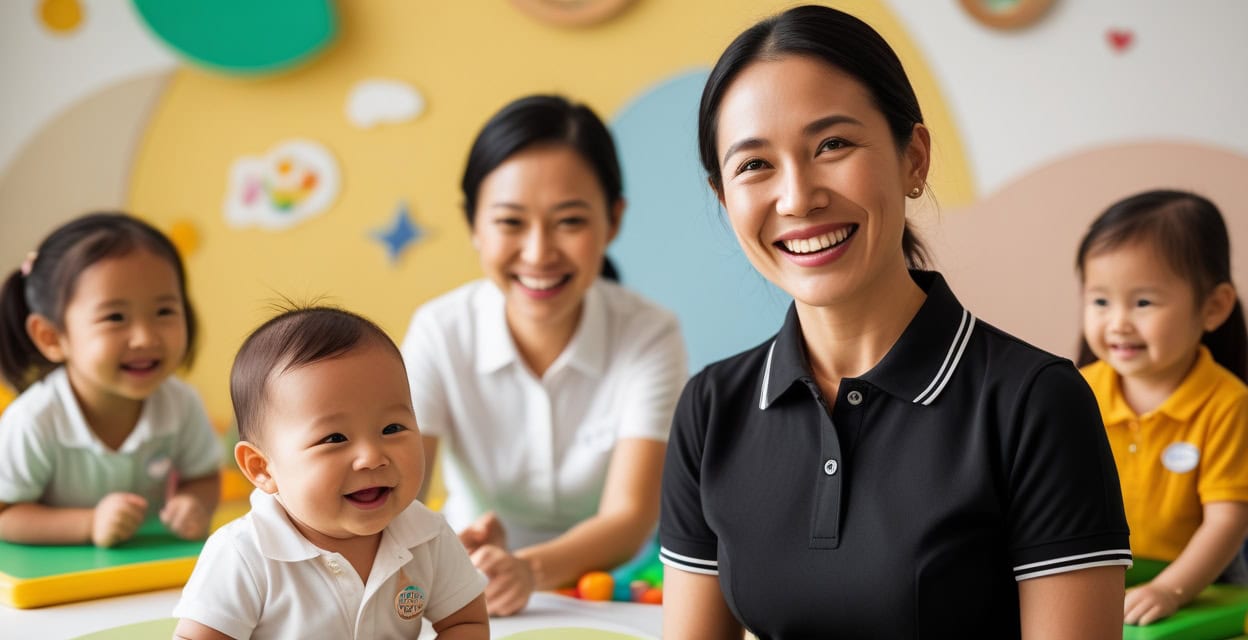
Who, what, when, where, and how—why childminding matters
- Who. Singapore Citizen infants aged 2–18 months and the families who love them; childminders with skill, heart, and integrity.
- What. Ultra‑low‑ratio infant childminding in home and community pods designed for safety, attachment, and development.
- When. Weekdays, 7am–7pm, in half‑day or full‑day blocks, during the ECDA Pilot (1 December 2024 to 31 December 2027).
- Where. Near your home—heartland addresses and caregiving spaces across Singapore.
- How. With trained, background‑checked childminders; clear safety standards; CCTV in community pods; optional in‑home CCTV by agreement; no‑sick‑child health shield; and a curriculum that treats every routine as a learning moment.
- Why. The first thousand days architecture—brain development, trust formation, and joyful habit building—lay the groundwork for lifelong learning and resilience.
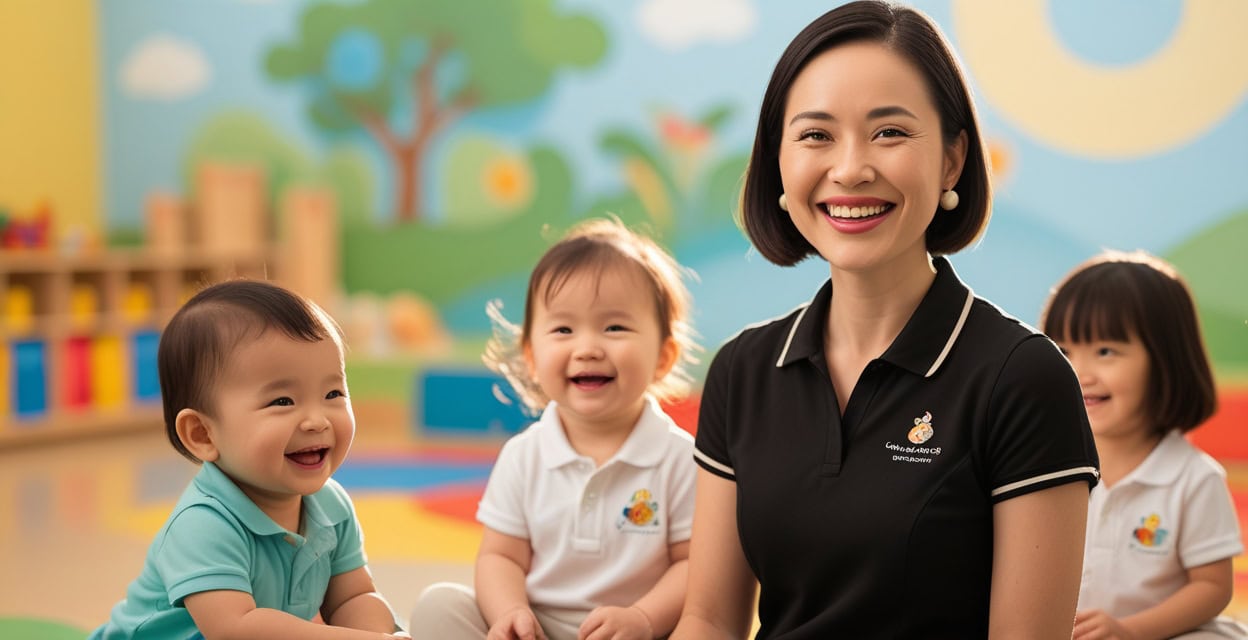
Our philosophy and promise
- Presence. A known adult who responds—and continues responding—until the child knows the world is safe.
- Pedagogy. A simple, evidence‑rich, play‑led curriculum tuned to each child’s rhythm and interests.
- Public purpose. Serving families, strengthening communities, and supporting Singapore’s social and economic vitality.
This is care that respects science, honors the child, and serves the nation. It is also profoundly personal: a gentle morning handover, a photograph of first steps, a calm afternoon nap after a good feed. Tiny moments, strung together, become a childhood—and a future.

How to sign up
- Step 1. Visit https://edunanny.com/edunanny-ecda-childminding-service/ or Childminding.EduNanny.com to submit the enquiry form, or reach us via WhatsApp from the same page.
- Step 2. Receive a response from the EduNanny Concierge Team. We’ll discuss your location, preferred schedule, and infant’s needs.
- Step 3. Confirm your appointment for a site visit—home‑based or community pod—to see the environment, meet the childminder, and review safety practices and routines.
- Step 4. Enrol. We’ll finalise your care plan, align on health and communication protocols, and welcome your infant into a 1:3 pod built for safe, joyful growth.

In closing
If you remember only one thing tonight, let it be this: small circles change big futures. In Singapore’s near‑home 1:3 pods, safety becomes visible, learning becomes everyday, and happiness becomes a habit. That is the EduNanny promise—crafted with heart, grounded in science, delivered with excellence.
Thank you for trusting us with what matters most. Let’s cradle the future, together.
[#keyword1, #keyword2, #keyword3, #keyword4, #keyword5]