Eye Level and Near Home Five Commitments for a Civic Infancy in Singapore
Introduction: The Promise of Early Care
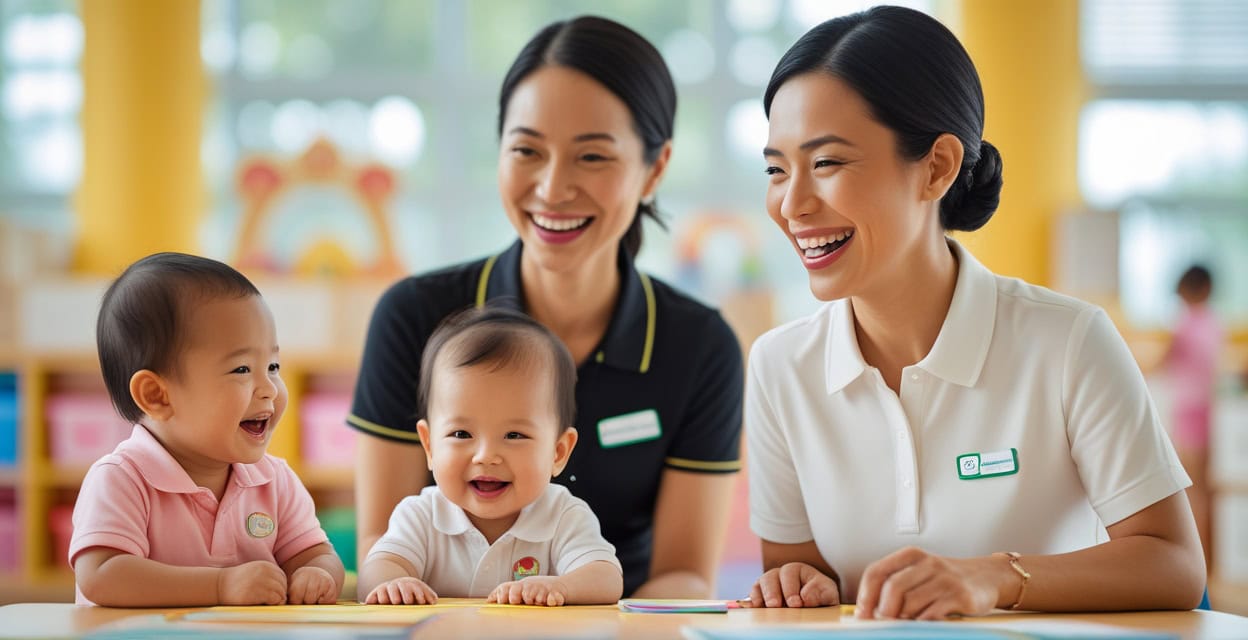
What we do with our youngest citizens today shapes the texture of our society for decades to come. This is not a distant ideal but a practical, visible commitment—minute by minute, breath by breath. EduNanny is a public‑spirited childminding movement in Singapore that blends the science of early development with the everyday grace of human attention. Our centre‑based and home‑based care runs Monday to Friday, 7am to 7pm islandwide, guided by the belief that excellence in early care should be accessible, transparent, and close to home.

EduNanny: A Public-Spirited Movement for Singapore’s Future
EduNanny by BUTLER operates within the ECDA Childminding Pilot as a National Social Initiative with a Maximum Employment Mandate. Our aim is to build dignified work for caregivers and dignified beginnings for children—affordable, transparent, and rooted in trust. We offer Centre Based Childminding, Home Based Childminding, and Distance support, all designed to keep families connected to their child’s growth while providing professional guidance when you need it.
The Core Commitment: A Simple Standard with Deep Consequences
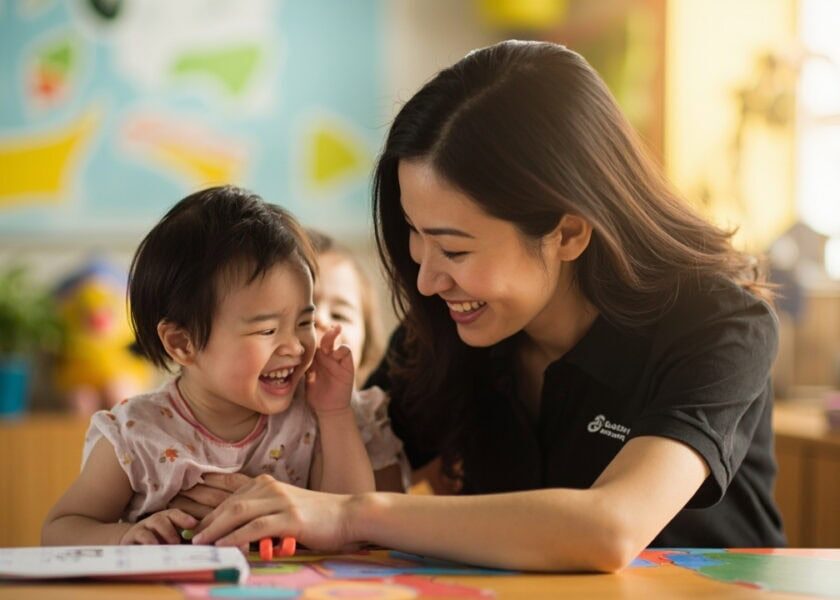
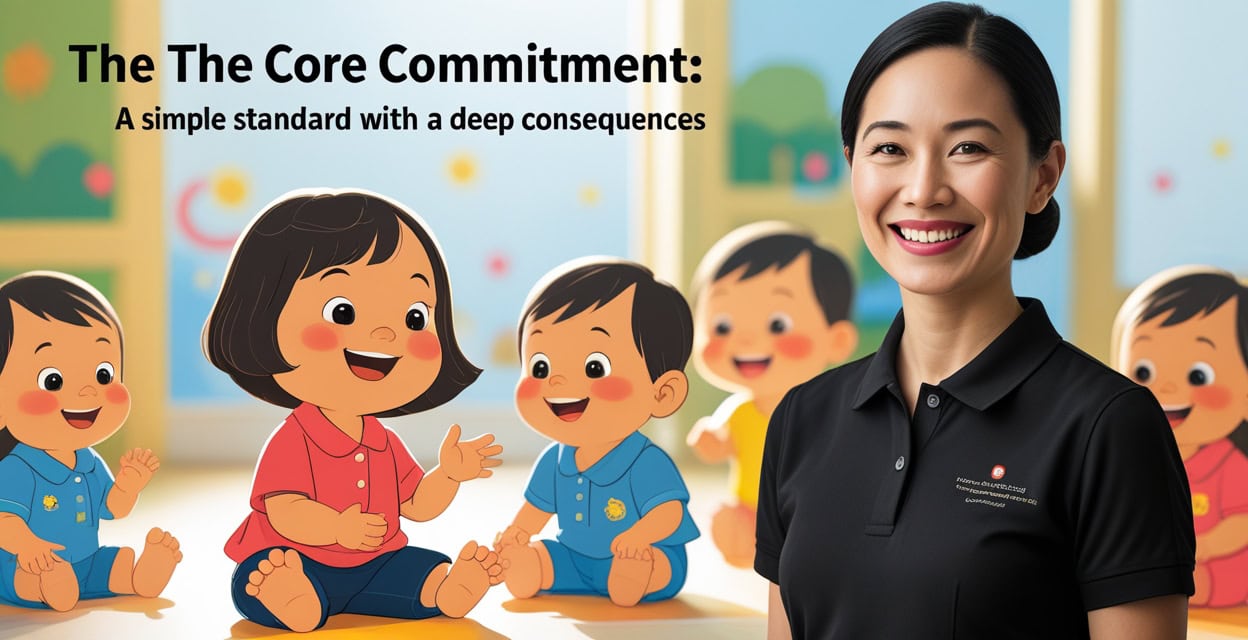
Our signature standard is clear and uncompromising: a 1:3 infant to caregiver ratio. This is the difference between merely watching a child and knowing a child—kneeling to eye level, narrating a world, and guiding small hands toward confidence. We pair this ratio with spaces designed for calm and movement, and a culture of transparency that invites families to participate in their child’s learning journey.

The Five Commitments: A Practical Philosophy for Parents and Caregivers
First commitment: The Attunement Triangle—Caregiver, Infant, Environment
- Caregiver: The trained adult is the security conduit. Practice attunement at eye level, read signals before responding, and name experiences to provide vocabulary that infants can borrow to describe their world.
- Infant: Every child is a competent communicator from day one. Respond to cues, not rigid schedules. A small hum before a cry is a sentence; a lean toward a book is a request.
- Environment: The floor is the first classroom. Modern layouts invite safe exploration, with soft light, controlled noise, and natural materials that rotate to sustain curiosity. The room itself teaches cause and effect, rhythm, and choice.
Actionable example: Create a daily “attunement moment” where caregivers pause for 15 seconds to name a child’s cue (e.g., “You’re reaching for the soft block—let’s explore it together.”) and invite the child into the next safe activity. This builds trust and language from the first weeks.
Second commitment: Safety by Design and Safety by Culture
- By design: Sightlines for constant awareness, zoned play areas, meticulous cleaning schedules, and rehearsed emergency protocols.
- By culture: Warm vigilance—kindness paired with ongoing risk assessment. A 1:3 ratio anchors the safety ethic; checklists function as supportive ribs; ongoing training is the breath that sustains safety practice.
- Technology: Secure CCTV preserves parent viewing without replacing presence; digital check‑in/out ensures smooth handovers; real-time health and safety logs provide transparency.
Practical tip for families: Request a documented safety routine and observe how staff respond to small disruptions (e.g., a spill, a toy entanglement, or a late arrival). Notice whether the response is calm, clear, and safety‑oriented.
Third commitment: The Micro‑Rhythm Curriculum
- Rhythm over syllabus: Infants thrive on predictable cycles—nourish, rest, move, explore. Predictability reduces stress and primes learning.
- Three‑beat method: Notice (observe cues), Name (label the experience), Nurture (offer the next small challenge). This integrates early literacy, sensory integration, and problem solving into daily moments.
- Language and movement: Narrate care routines, echo infant sounds, and respond to pointing with shared attention. View movement as math—reaching equals measuring distance; rolling equals rotation; nesting blocks equal experiments in volume.
- Transitions: Announce what happens next and invite participation. Transitions teach trust and help children feel secure as routines unfold.
Practical example: A typical day could include a “story and stretch” while reorganizing toy shelves, a “sound and light” sensory corner, and a simple math moment using stacking cups to explore size and capacity. No rush—just clear, gentle progression.
Fourth commitment: Happiness as a Developmental Right
- Mood as data: Track patterns of calm and engagement alongside milestones to understand overall well‑being.
- Co‑regulation: When a child is unsettled, a caregiver’s calm voice and steady tempo provide a borrowable state of calm that children internalize over time.
- Joy in small loops: Celebrate tiny achievements—like stacking a block independently or recognizing a caregiver’s face at pick‑up—with specific feedback that reinforces competence.
- Family partnership: Daily notes that are specific (e.g., “She tracked a butterfly mobile for 10 seconds and smiled when I described its color”) help families feel connected to their child’s learning moment.
Implementation tip: Use a simple mood tracker during the day (0-5 scale) and involve families in interpreting data, so they understand how regular routines support their child’s well‑being and development.
Fifth commitment: Childminding as Civic Work
- National initiative: Participation in ECDA’s Childminding Pilot strengthens local capacity and aligns with a national strategy to deliver neighbourhood‑level care.
- Maximum Employment Mandate: Building a robust profession supports fair wages, professional development, and stable family life.
- Accessible models: Centre‑Based, Home‑Based, and Distance options bridge life as it is—on site, at home, or with expert coaching via remote support.
- Affordability: Transparent pricing designed to welcome more families; CDA/Baby Bonus accepted to reduce out‑of‑pocket costs.
- Parental partnership: Care values, language, and routines are integrated into care plans to respect family diversity and culture.
Practical takeaway: Advocate for policy improvements by documenting outcomes—infant safety records, caregiver retention rates, and family satisfaction—then share these stories with policymakers and the community.
A Practical Week with EduNanny: What Families Can Expect
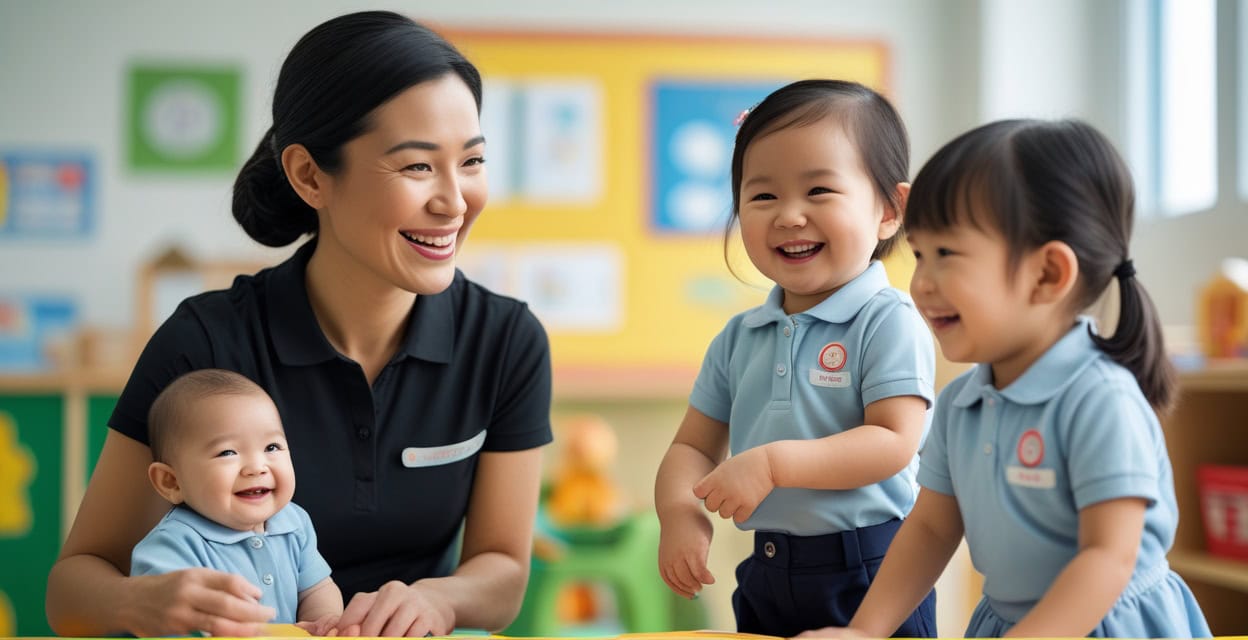
- Settling‑in plan: A personalized plan that paces separation and respects each child’s comfort level, with a gradual introduction to caregivers and spaces.
- Safety tour: Fire exits, first‑aid kits, sleep zones, hygiene protocols, and secure CCTV access arranged for parents.
- Micro‑rhythm design: A daily rhythm tailored to your child’s feeds, naps, and sensory needs, adjusted as cues are observed.
- Communication cadence: Regular photos, notes, and two‑way messaging to maintain connection even when you are not physically present.

Benefits in Plain View: What EduNanny Delivers
- Excellence and Quality: Trained, supervised caregivers; rigorous safety audits; reflective practice that encourages growth.
- Model Options: Centre‑Based, Home‑Based, and Distance childminding to fit family life.
- Convenience: Monday–Friday, 7am–7pm, islandwide; flexible settings for trusted care near home or work.
- Affordability: From $33/day, with CDA/Baby Bonus accepted.
- 1:3 Infant Ratio: A standard that honours individual rhythm and relationship‑based care.
- Innovation CCTV: Secure parent access that respects privacy and supports transparency.
- Modern Learning Environments: Spaces designed for floor‑level learning, calm exploration, and safe movement.
- Professional Community: EduNanny by BUTLER within ECDA’s initiative, building a network of capable, respected caregivers.
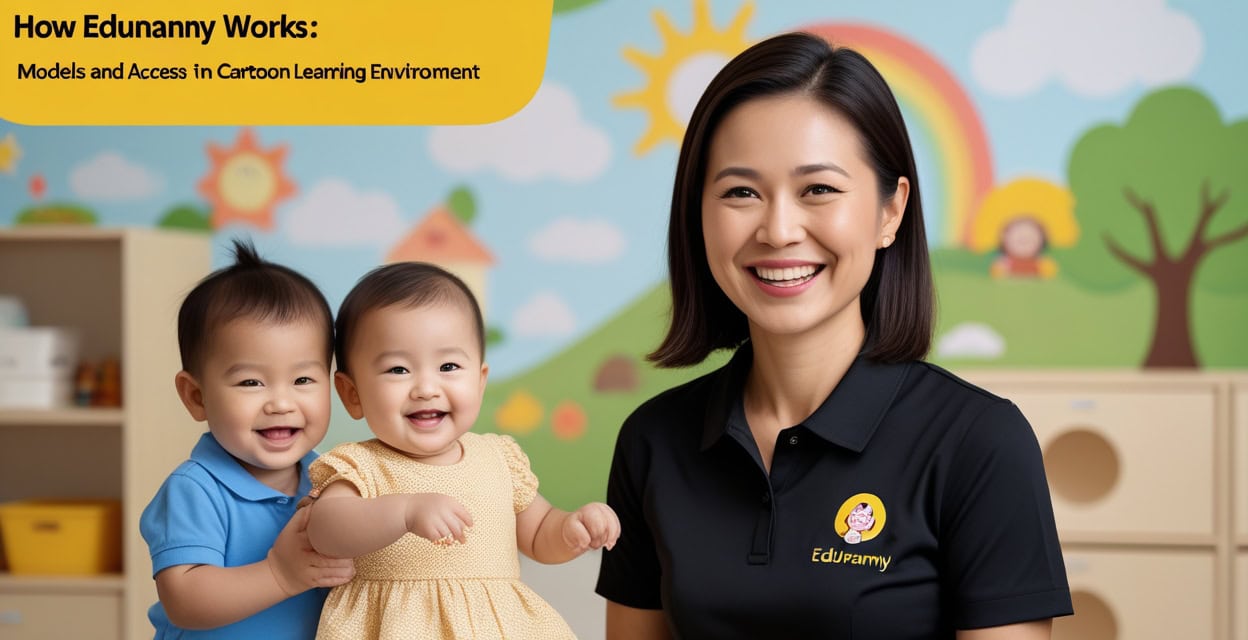
How EduNanny Works: Models and Access
- Centre Based Childminding: Professional classrooms and caregiver teams located in trusted neighbourhoods, designed to support group learning and social readiness.
- Home Based Childminding: In‑home care that blends family routines with professional oversight, ensuring continuity of care in familiar spaces.
- Distance Support: Expert coaching and guidance delivered remotely to help families establish safe routines, even from afar.
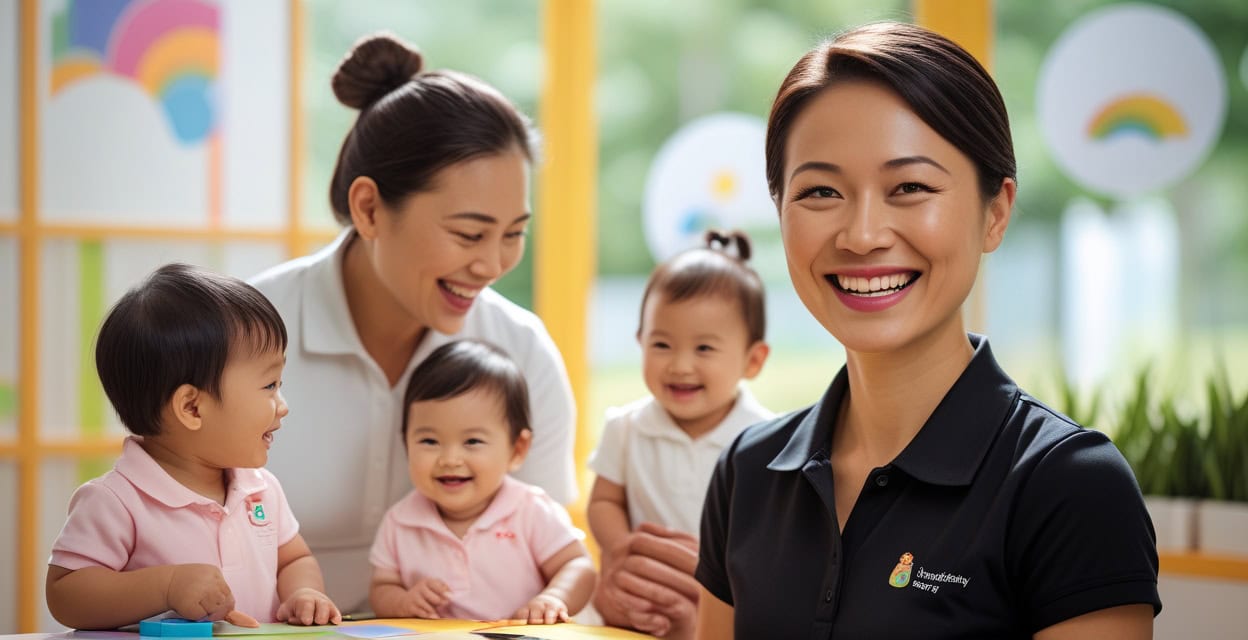
Guidance for Parents: Practical Steps to Partner Effectively
- Ask about routines and cues: Request a written cue sheet for your child (e.g., how they signal hunger, tiredness, or need for a diaper change) and practice responding with caregivers until the cues are familiar to both sides.
- Participate in the settling‑in plan: Share your child’s comfort objects, sleeping patterns, and preferred soothing strategies; update the plan as needed and review progress weekly.
- Co‑design a micro‑rhythm: Collaborate on the daily rhythm, including sensory activities that match your child’s interests (water play, sand, musical instruments, or nature close to home).
- Use the CCTV and notes thoughtfully: Check secure access regularly, and read notes with your child’s current milestones in mind—celebrate incremental gains along the way.
- Build a feedback loop: Schedule brief monthly conversations with the caregiver to discuss mood trends, transitions, and any adjustments to routines.
FAQ Section: Five Key Questions that Matter
Who does childminding serve?
Infants deserve safety, attunement, and the daily triumph of discovery. Parents deserve to work and rest with peace of mind. Caregivers deserve fair work and professional recognition. Singapore benefits when early care lays a strong foundation for the future.
What is childminding at its best?
It is the craft of turning routine into relationship and care into growth. It is the quiet art of building secure attachment so exploration can bloom. It is the everyday practice that makes science human.
When does childminding matter most?
In every intimate interval—when a child stirs from sleep, when a spoon meets a mouth, when little feet push toward standing. Practically, it matters during the working day: Monday to Friday, 7am to 7pm, when families need reliable, compassionate care.
Where should quality care live?
Where families live: centre‑based in neighbourhoods, home‑based in trusted residences, and at a distance when expert support must reach you through a screen. Care must be close enough to be real.
How do we do it well?
With a 1:3 ratio that honors individual rhythms; safety by design and culture supported by transparent innovation; a micro‑rhythm curriculum that respects biology and invites curiosity; professionalised, fairly employed caregivers; affordability from $33/day with CDA/Baby Bonus accepted; and a strong partnership with parents as constants in the child’s life.

Conclusion: A Civic Masterpiece in the Making
EduNanny stands at the intersection of science and softness, excellence and access, the individual child and the common good. We are here to make the early years not merely safe, but beautifully spent; not merely convenient, but consequential. To parents: your child’s beginning should feel like a promise kept. To caregivers: your calling is a profession; your work builds a nation. To Singapore: let us treat the first years not as an errand to be managed, but as a civic masterpiece to be crafted together.
The door is open. Visit EduNanny.com or Childminding.EduNanny.com. Come see a room designed for eye‑level trust, hear the low hum of calm play, and feel the difference a 1:3 relationship makes. This is EduNanny by BUTLER—centre‑based, home‑based, and near enough to matter, every weekday, from 7am to 7pm, across our island. Small moments. Serious care. A bright beginning for every child. Thank you.
[#keyword1, #keyword2, #keyword3, #keyword4, #keyword5]Ready to Experience Excellence?
Transform Your Family’s Journey
Discover Singapore’s leading infant care and childminding services. Expert guidance for your little one’s first thousand days.