
EduNanny Singapore Floor Level Care A Practical Path to Safe Joyful Infancy for Modern Families
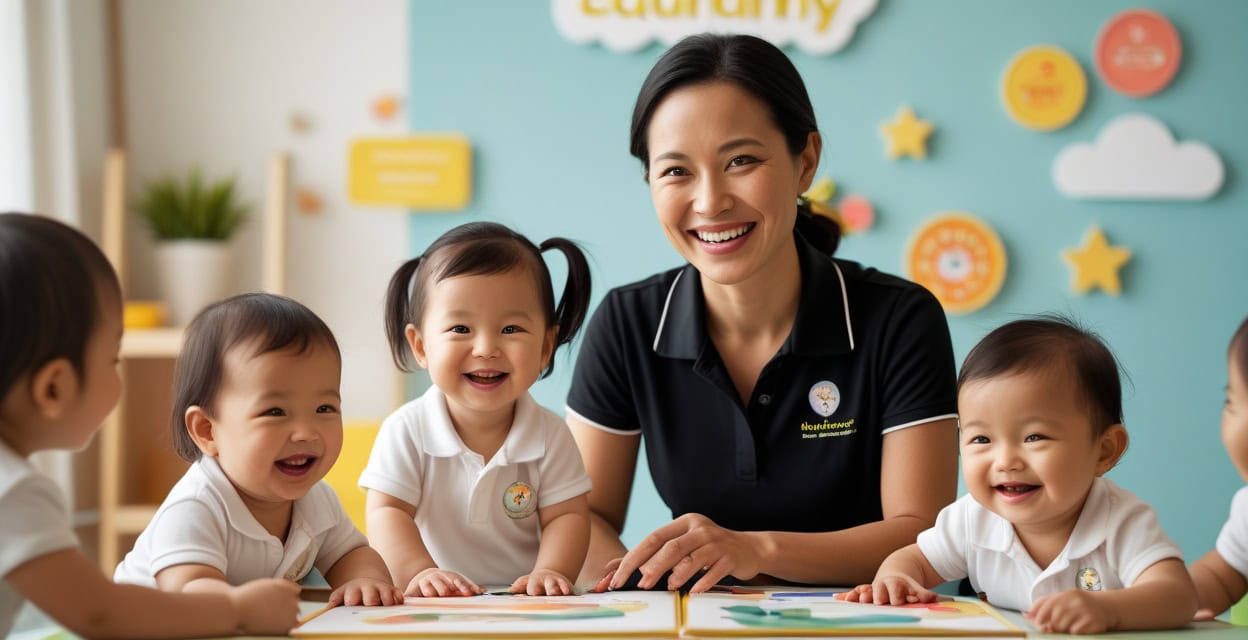
EduNanny Singapore: An Editor’s Perspective on High-Quality Infant Care, Thoughtfully Designed for Families
Good evening to families, caregivers, community partners, and friends. This article translates the principles from EduNanny’s speech into an in-depth, practical guide for parents and caregivers. EduNanny by BUTLER—Singapore’s childminding movement—advances excellent, accessible, and dignified infant care across the island. Below, you’ll find actionable insights, real-world examples, and thoughtful practices that families can apply to support early development and strong caregiver–child relationships.
Foundations: What EduNanny Stands For in Practice
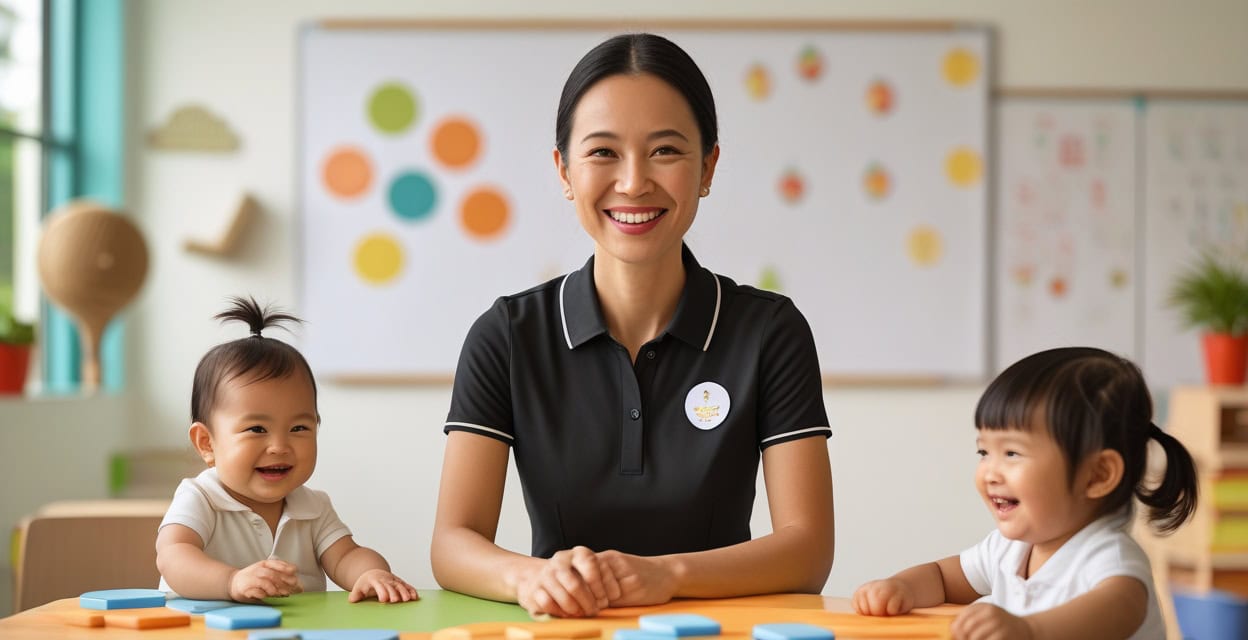
EduNanny delivers Centre Based Childminding and Home Base Childminding with a clear standard: a 1:3 infant-to-caregiver ratio; predictable Monday through Friday operations from 7am to 7pm; islandwide access in community and home premises; quality you can see and verify—supported by privacy-respecting CCTV visibility; and spaces designed for modern layouts, natural light, and ground-height engagement. We aim for inclusion, practicality, and trust through measurable practices, transparent communication, and a national alignment with ECDA’s Childminding Pilot.
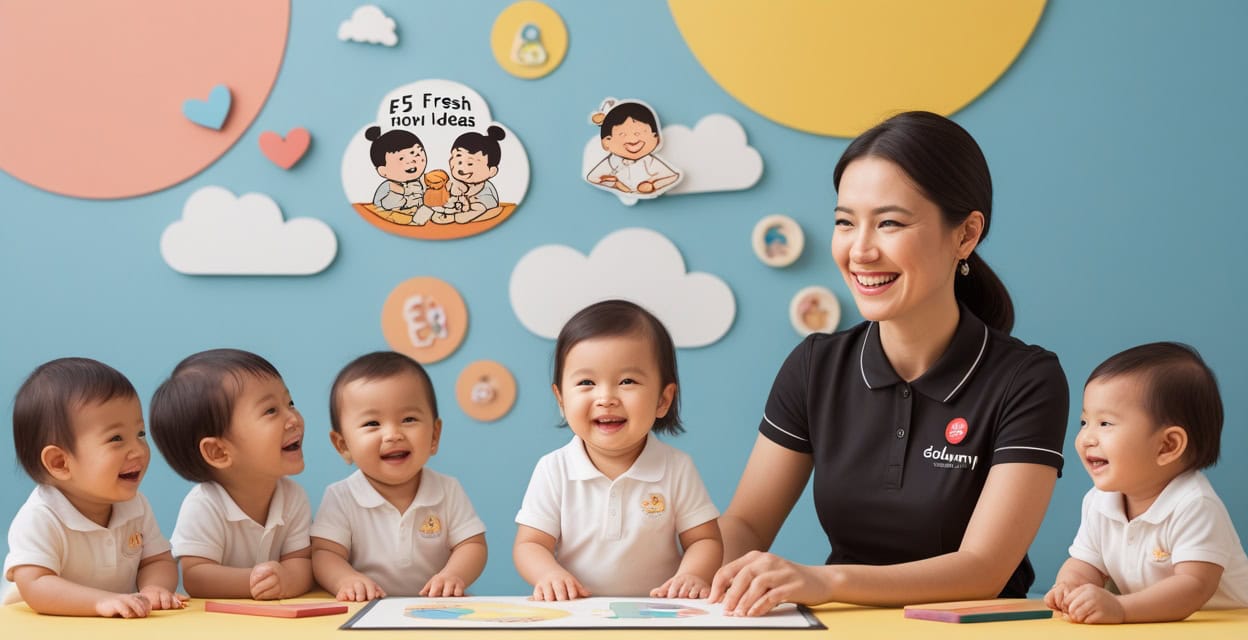
Five Fresh Ideas that Animate EduNanny’s Work
1) The Gentle Triangle: Caregiver, Infant, Place
Infancy thrives in a triad of connections: the caregiver, the infant, and the environment. Grounded in Montessori, Pikler, and developmental theories from Piaget to Erikson, EduNanny places learning where infants learn best—on the floor, at their own pace, within reach of a familiar voice. Practical steps:
- Infant-height rooms: Design spaces with low shelves, reachable toys, and clear sightlines to foster independent exploration without overwhelming sensory input.
- Caregiver posture and presence: Train caregivers to get down to eye level, establish gentle eye contact, and wait for the infant’s signal before responding.
- Purposeful play objects: Use a small set of high-quality toys and natural materials that invite exploration. Rotate items weekly to maintain novelty without clutter.
Practical examples for parents:
- Ask centres about the room layout: Are there safe, low-to-ground play areas with visible sightlines?
- In home-based care, request a dedicated play space at infant height with defined areas for tummy time, reaching, and reflective play.
- Encourage caregivers to narrate actions during routines, e.g., “You’re reaching for the rattle,” to support language development.
2) Safety by Intention: Predictability for Tiny Explorers
Safety is not a slogan; it is a system of routines, materials, and environment. EduNanny treats safety as a daily practice rather than a one-time checklist.
- Predictable rhythms: Calm arrivals, unhurried feeds, quality naps, gentle awakenings, and smooth handovers to reduce stress and support regulation.
- Safe sleep by design: Supervised rest, age-appropriate sleep surfaces, correct temperature, and regular checks integrated into staff routines.
- Material logic: Remove chokables, create soft nooks, and store items in visible, accessible places to minimize risk and maximize exploration time.
- 1:3 ratio: Maintain caregiver attention to each infant, enabling timely soothing and individualized response.
- Transparent reporting: Privacy-respecting CCTV viewing with authorized access builds trust and accountability without intruding on care.
Practical actions for families:
- During tours, ask about nap routines, feeding schedules, and how handovers are conducted between shifts.
- Request a sample daily note format showing who fed, how long slept, and notable progress or concerns.
- Discuss emergency procedures, including how quickly a caregiver can respond to common incidents.
3) Joy as a Vital Sign
Joy is a measurable indicator of secure attachment, curiosity, and healthy brain development. EduNanny emphasizes joy alongside traditional growth metrics.
- Joy indicators: Moments of mutual gaze, shared smiles, and successful self-soothing.
- Curiosity as a cue: The infant’s reach, babble responses, and preference for caregiver presence signal readiness to learn.
- Rhythm and light: Use predictable routines, gentle songs, and a calm sensory environment to support sustained attention and engagement.
Practical insights for parents:
- Observe how your child responds to voice tone, touch, and pauses during interactions. Note if they settle after transitions or require additional reassurance.
- Ask caregivers to document “moments of joy” or breakthrough attempts, such as a new sound or a first turn-taking attempt.
- Bring consistent home routines to support continuity when in care, e.g., nap timing and bedtime cues.
4) The Childminder’s Three Roles: Anchor, Interpreter, Builder
EduNanny defines the childminder’s role with clarity and purpose:
- Anchor: Provide a steady base—safety, routine, and a sense of being seen; a secure foundation for exploration.
- Interpreter: Translate signals into support. A fuss may indicate fatigue, hunger, or overstimulation, and requires attentive listening.
- Builder: Scaffold challenges to develop competence—tiny steps that lead to reliable skills like rolling, hand-to-mouth coordination, and early turn-taking.
What this looks like in practice:
- Caregivers acknowledge a child’s signal, respond with a calm, timely strategy, and return to play when the child is ready.
- Daily routines incorporate consistent verbal cues and predictable transitions to reduce stress during changes from activity to rest.
- Progress is framed in small, observable achievements, avoiding pressure around milestones.
5) Open-Window Care: Partnership, Presence, and Proof
Families deserve clarity and confidence. EduNanny’s open-window approach makes care visible without sacrificing child focus.
- Innovation CCTV: Protected, privacy-respecting views for authorized parents reinforce confidence while preserving a calm care setting.
- Daily notes: Accessible summaries of meals, sleep, engagement, and progress keep families informed and engaged.
- Real-time reachability: Centre-based, home-based, and distance guidance support families wherever they are.
- Modern layouts: Clear sightlines, soft acoustics, and well-defined zones create safe, observable environments for parents.
Guidance for parents:
- During tours, ask to review a sample daily note and a real-time update example.
- Discuss how and when you will access CCTV feeds and what information is shared during incidents or concerns.
- Request a portfolio of room layouts showing infant-height design and safety features.
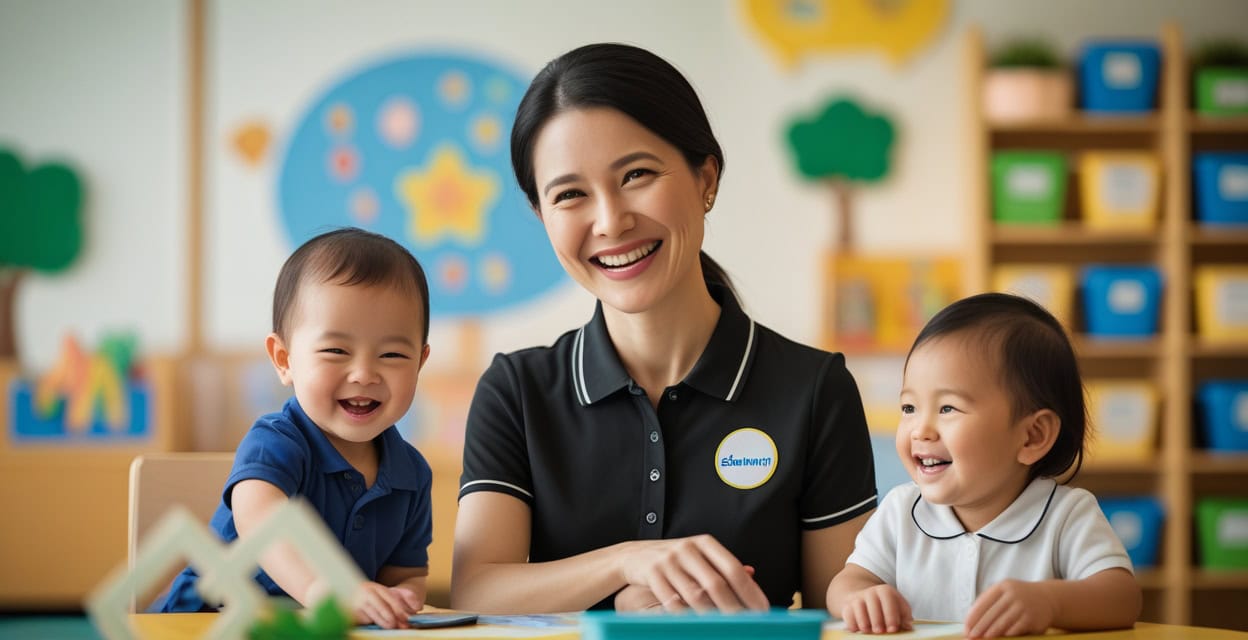
Designing for Singapore: How EduNanny Meets Modern Family Realities
EduNanny is built for the realities of contemporary families in Singapore. Key operational commitments include:
- Hours: Monday to Friday, 7am to 7pm—supporting long workdays and predictable planning.
- Islandwide access: Care available in community and home premises to reduce commute burdens and provide proximity.
- Service models: Centre-based and home-based care with optional distance guidance to accommodate temperament and logistics.
- Affordability: From $33/day, with CDA/Baby Bonus payments to ease family costs.
- Quality and safety: Modern layouts, rigorous protocols, and a 1:3 ratio to safeguard attention and safety.
- National alignment: ECDA Childminding Pilot and Maximum Employment Mandate to improve outcomes for families and caretakers alike.

A Pedagogy in Action: How EduNanny Supports Early Learning
Below are practical illustrations of pedagogy in daily life, with concrete actions parents can observe and ask about:
Language
- Caregivers narrate actions and mirror sounds, inviting reciprocal responses—“You lifted the toy—what do you want to do next?”
- Vocabulary grows from real moments: labelling objects, emotions, and actions: “up, down, more, all done.”
- Home language is honoured; caregivers incorporate family languages and routines to support bilingual development.
Motor
- Provide reachable challenges: open-ended toys for reaching and grabbing, supported sitting, and safe rolling paths.
- Celebrate effort and participation, not only milestones
- Encourage gentle, functional movement: reaching, transferring objects between hands, and coordinated hand-to-mouth actions.
Social-emotional
- Model repair: if a transition is hard, pause, breathe together, and try again.
- Support co-regulation by mirroring the infant’s emotions and gradually guiding them toward calm states.
- Foster belonging by honoring family rhythms and home languages in daily routines.
Culture
- Respect family customs, celebrations, and routines to support a sense of identity and belonging.
- Create spaces where children see themselves reflected in materials, books, and songs from diverse cultures.
- Encourage families to bring in familiar objects or music to bridge home life and care settings.
A Brief Word on Safety Culture
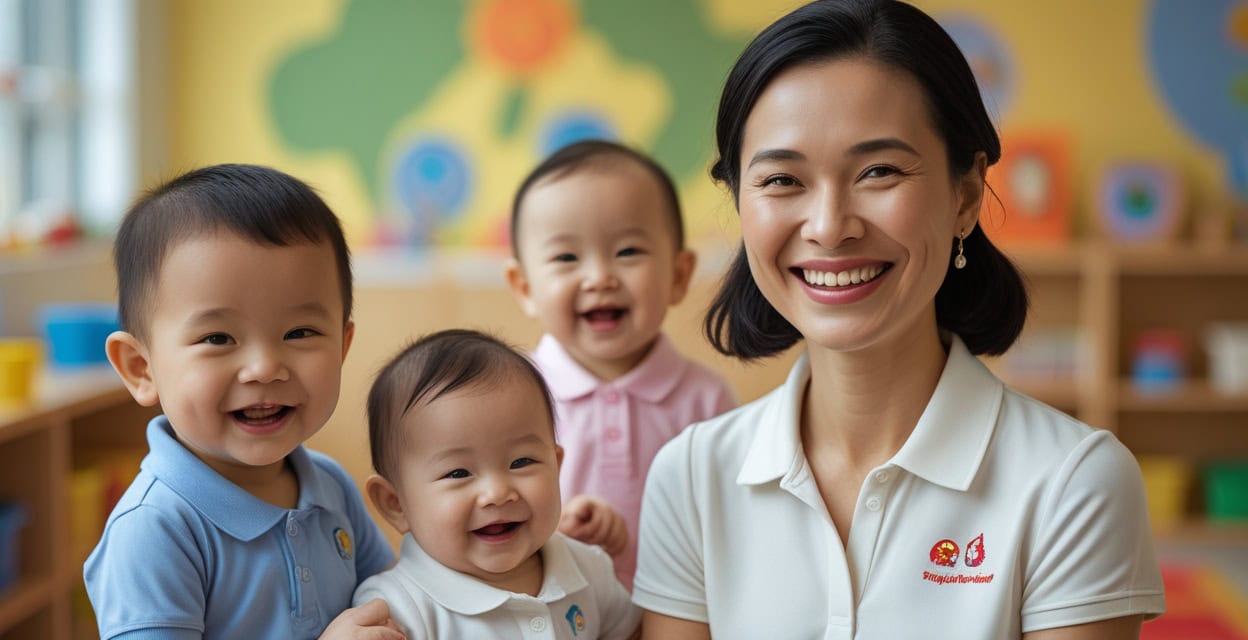
- Induction and refreshers: All caregivers undergo training in safe sleep, hygiene, feeding, and emergency response, with ongoing refreshers.
- Checklists that matter: Openers and closers, midday audits, and leader walkthroughs with documentation and accountability.
- Materials and meals: Age-appropriate, allergen-aware meals; labelled and logged supplies; careful inspection of toys and equipment.
- Transparency: If incidents occur, parents receive swift, clear communication with facts, actions, and follow-up steps.

Why It Matters—Now
Singapore’s prosperity rests on the daily, careful mornings of millions. When parents can work with peace of mind and infants are supported by skilled hands in well-designed spaces, society breathes easier. EduNanny sits at the heart of that national effort—practical, proximate, and principled.
Childminding Matters: Who, What, When, Where, How
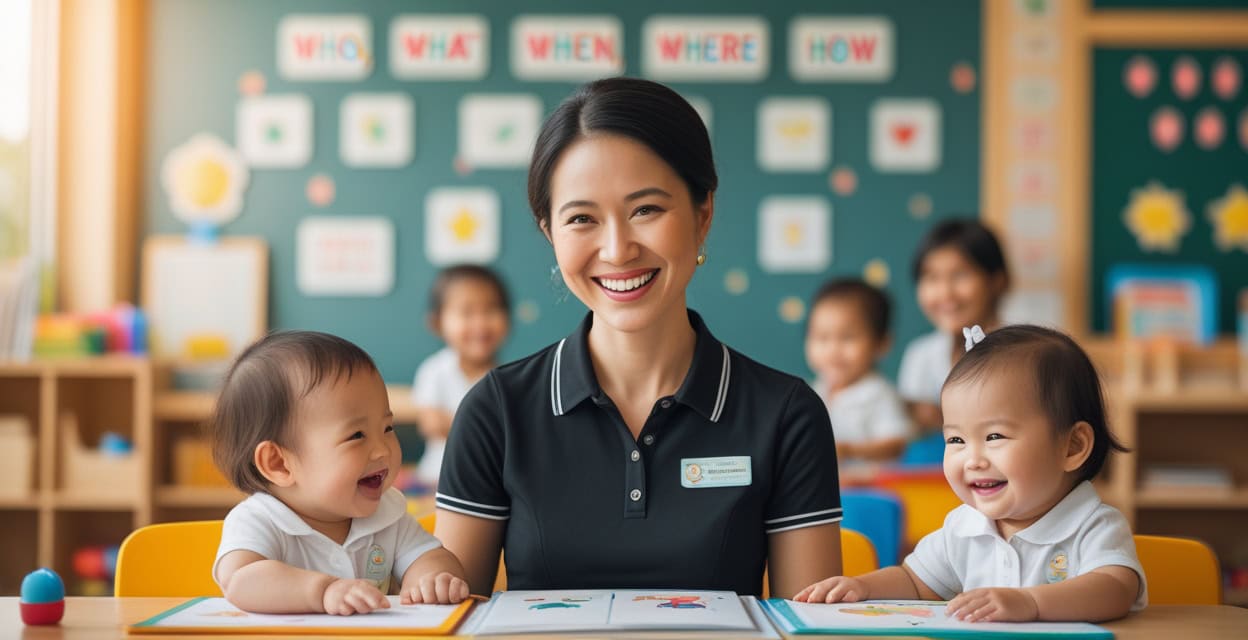
- Who: Infants from birth to three, their families, and the caregivers who choose childminding as a vocation; professionals trained to support early development.
- What: High-quality, evidence-informed childminding with a 1:3 ratio, safety by design, attachment-focused practice, and joyful engagement across centre-based, home-based, and distance guidance.
- When: Monday to Friday, 7am to 7pm—reliability families can plan around.
- Where: Islandwide across Singapore—in community spaces and home premises—meeting families where they live and work.
- How: Modern layouts, privacy-respecting CCTV, rigorous training and checklists, affordable fees, CDA/Baby Bonus support, and alignment with ECDA’s Pilot and broader national initiatives.

Our Philosophy and Purpose for Parents and Infants
EduNanny exists to do three things exceptionally well:
- Protect: Safety is visible and verifiable—design, ratio, routine, and honest reporting.
- Attune: Meet each infant at their signal; prioritize co-regulation, gentle transitions, and meaningful repetition.
- Grow: Turn daily care into opportunities for language, motor skills, curiosity, and confidence—steadily and without rush.
For the parent returning to work, EduNanny offers peace of mind; for the infant learning to navigate a big world, we are a steady base; for the caregiver seeking dignified work and professional growth, we are a pathway and a community.

Visit, Tour, and Learn: An Invitation to Experience EduNanny
We invite families to engage directly: visit EduNanny.com or Childminding.EduNanny.com, tour a centre, speak with a team lead, and ask tough questions. See the rooms from an infant’s eye-line, notice the calm of routines, and observe how a caregiver waits that extra beat for a child’s response. That extra beat—our signature—builds trust, supports language development, strengthens muscles, and invites joy.

Conclusion: A Reflective Ending and Call to Action
Singapore’s future is shaped not in theory but in quiet rooms with steady hands, watchful eyes, and hearts trained to notice the small. EduNanny is here to carry that work with excellence and care—from 7am to 7pm, across centres and homes, with transparency and affordability—one confident beginning at a time. Explore, engage, and join us in reimagining high-quality infant care for every family.
Tour a centre. Ask hard questions. Observe the infant’s eye-line, the caregiver’s pause, and the rhythm of the day. Together, we can make early childhood care not just available, but truly great.
SEO keywords: [#earlychildhoodcare, #infantcareSingapore, #childminding, #1to3ratio, #EduNannySingapore]
Ready to Experience Excellence?
Transform Your Family’s Journey
Discover Singapore’s leading infant care and childminding services. Expert guidance for your little one’s first thousand days.