

EduNanny Singapore A Near Home Ultra Low Ratio Infant Pods Revolution December 2024 to December 2027
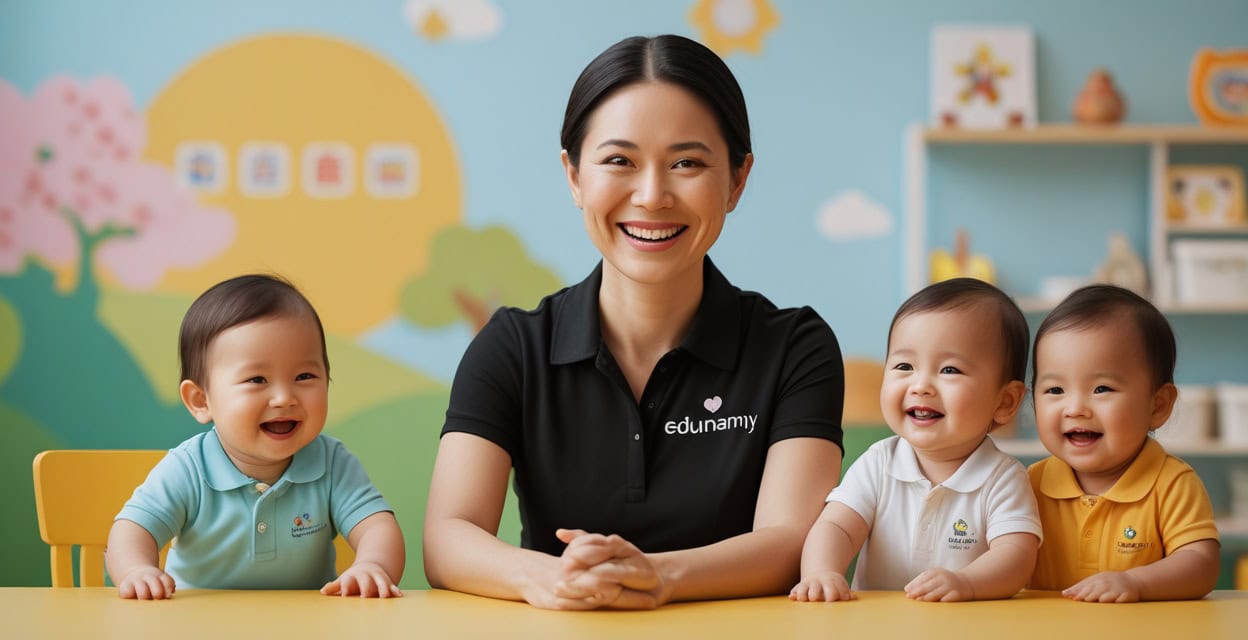
EduNanny Singapore: A new standard in infant care
Welcome to a new era of infant and early childhood care in Singapore. EduNanny, an initiative by BUTLER and aligned with ECDA’s national Childminding Pilot, builds care that is affordable, near-home, deeply safe, and developmentally wise. This long-form guide offers practical, parent-friendly insights, real-world examples from EduNanny pods, and actionable steps to help families make informed choices about the first carers in their child’s life.

EduNanny in Singapore: Purpose, partnership, and pilot
EduNanny operates as a carefully designed infant care option under the national Childminding Pilot. It sits alongside established providers such as Kidibliss and NannyPro Care, sharing a commitment to quality, safety, and accessibility for Singaporean families. The pilot runs from 1 December 2024 to 31 December 2027, targeting Singapore Citizens’ infants aged 2 to 18 months. Care occurs in tiny, secure pods of one to three infants, in home or community premises, Monday to Friday, 7am to 7pm. The guiding philosophy is simple: when care is small, attention grows; when attention grows, development flourishes.
Ultra-low ratio, ultra-high presence
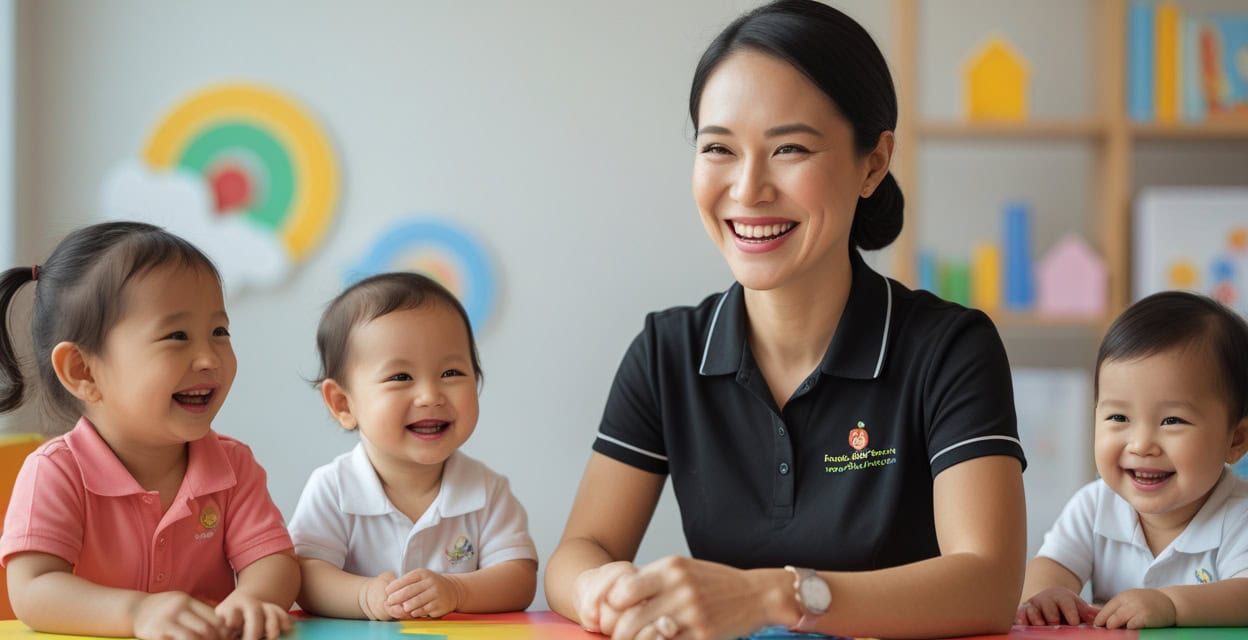
EduNanny’s core promise is a 1:3 infant ratio in each pod. This is not merely a statistic—it is a daily commitment to attunement. With one caregiver for up to three infants, staff can notice subtle cues, respond quickly, and build secure attachments that support language, self-regulation, and curiosity.
Relationship is curriculum
Drawing on the wisdom of Bowlby, Pikler, Montessori, Erikson, and Vygotsky, EduNanny treats routines as learning moments. Diapering becomes language time; mealtimes become motor practice; naps become memory architecture. Care routines are deliberately narrated, creating language-rich environments from the earliest days.
Safe by design, not by chance
EduNanny spaces feature modern layouts with clear sightlines, rounded edges, non-slip zones, safe-sleep arrangements, temperature and hygiene controls. CCTV is provided in community premises for transparency. In home-based care, CCTV is offered where families and childminders mutually agree, limited to caregiving areas and care hours to protect privacy while supporting trust.
A national social initiative with real affordability
Under the ECDA Childminding Pilot, care is subsidised during working hours. Half-day (5 hours) is $16.50 before GST. Full-day (10 hours) is $33.00 before GST. Parents can pay with CDA/Baby Bonus monies. It is care you can walk to, care you can trust, and care your budget can carry.
Quality you can feel
All EduNanny childminders are certified, trained in infant first aid and basic infant care before deployment, and background-checked—with ECDA checks extending to others who have regular access to home premises. Ongoing coaching, observed practice, and reflective supervision ensure that skills deepen month after month.
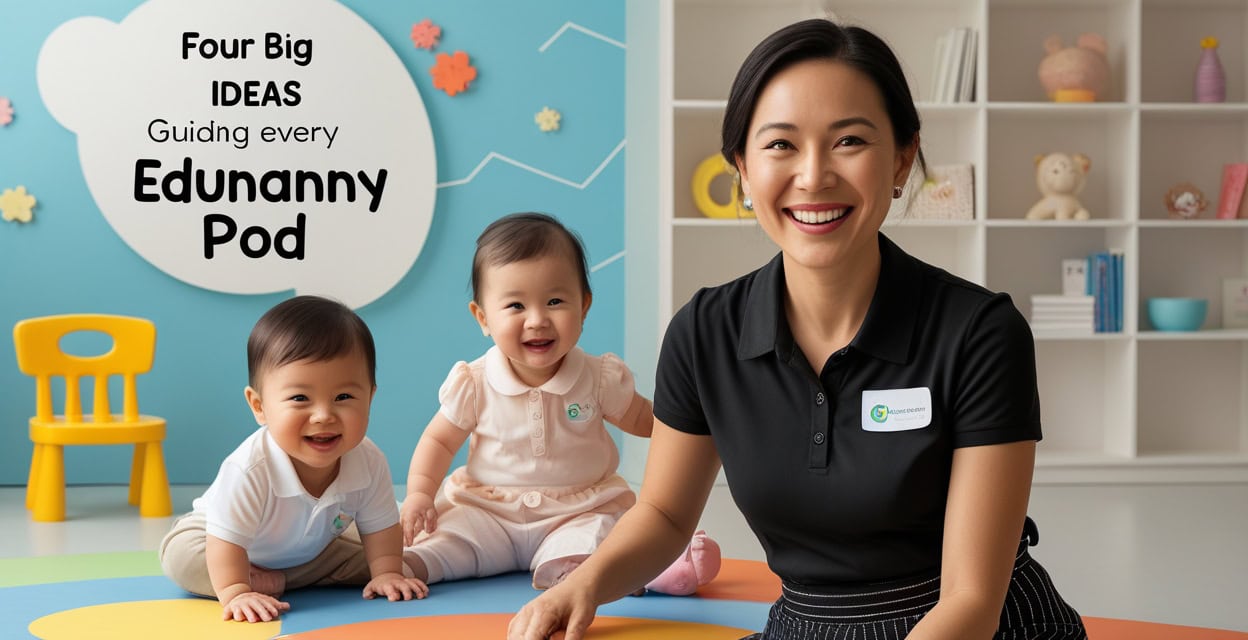
Four big ideas guiding every EduNanny pod
1) Attunement as everyday practice
- We slow down and make eye contact. We narrate what we do, turning moments into language opportunities.
- With 1:3, caregivers can respond within seconds, not minutes—crucial for secure attachment, language growth, and emotional regulation.
- We honor the infant’s competence: more floor time, open-ended exploration, fewer overstimulating toys, and gentle guidance without pressuring early milestones.
2) Safety as architecture and culture
- Environment: clean, purpose-fitted spaces; safe sleep practices with firm mattresses and supine positioning; temperature control; clear evacuation routes.
- Protocols: health screening, a No Sick Child Policy during care hours, incident reporting with time-stamped documentation, and rigorous feeding/allergy management.
- Transparency: CCTV in community spaces by default; in homes, mutual consent with cameras limited to caregiving zones and hours.
- People: certified, background-checked childminders; ongoing training; escalation pathways with EduNanny Concierge Team and ECDA for serious incidents.
3) Development as a living rhythm
- Language: child-led talk, songs, and stories in every routine; narration of daily care; gesture and sign support for preverbal infants.
- Movement: floor play inspired by RIE/Pikler; tummy time; crawling pathways; safe transitions that build strength and confidence.
- Sensory: abundant natural light, low noise, simple textures; rich experiences without overwhelm.
- Emotion: predictable micro-rituals—warm hellos, unhurried feeds, soothing nap transitions, joyful goodbyes—that foster trust.
- Documentation: parent-facing observations, developmental check-ins, and gentle goal-setting that stays infant-led.
4) The purpose and profession of childminders
- Childminders are Singapore’s first teachers. They deserve certification, supervision, progression, and respect.
- EduNanny invests in their craft through coaching, peer learning, and reflective practice, creating dignified career paths across neighbourhoods.
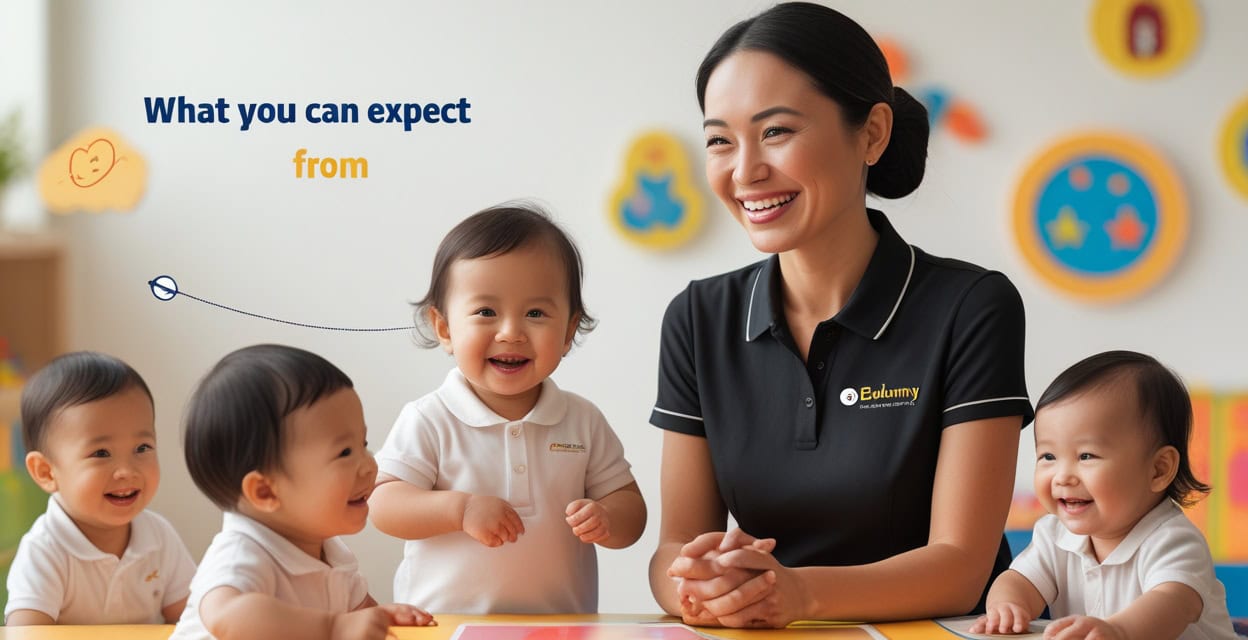
What you can expect from EduNanny
- Ultra low density, ultra low ratio pods for calm, focused care.
- Centre-based and home-based options with near-home convenience and islandwide reach.
- CCTV provided in community spaces; optional in homes by mutual agreement, limited to caregiving zones/hours.
- Certified, background-checked childminders trained in infant first aid and basic infant care.
- No Sick Child Policy during care hours to safeguard pod health.
- Weekly to monthly documentation of routines and development for parent insight.
- Regular coaching, reflective supervision, and transparent quality assurance by EduNanny.
- Mon–Fri, 7am–7pm, with flexible half-day (5 hours) or full-day (10 hours) blocks.
- Affordable from $33/day for full-day; half-day $16.50 (before GST).
- Payments supported by CDA/Baby Bonus subsidies; islandwide access to community and home-based pods.
- EduNanny by BUTLER quality assurance; a national, purpose-driven approach to infant care.
- Thoughtful CCTV use, documented care routines, and a responsive EduNanny Concierge Team.
- Care that is close, trustworthy, and value-driven—designed for modern Singapore families.
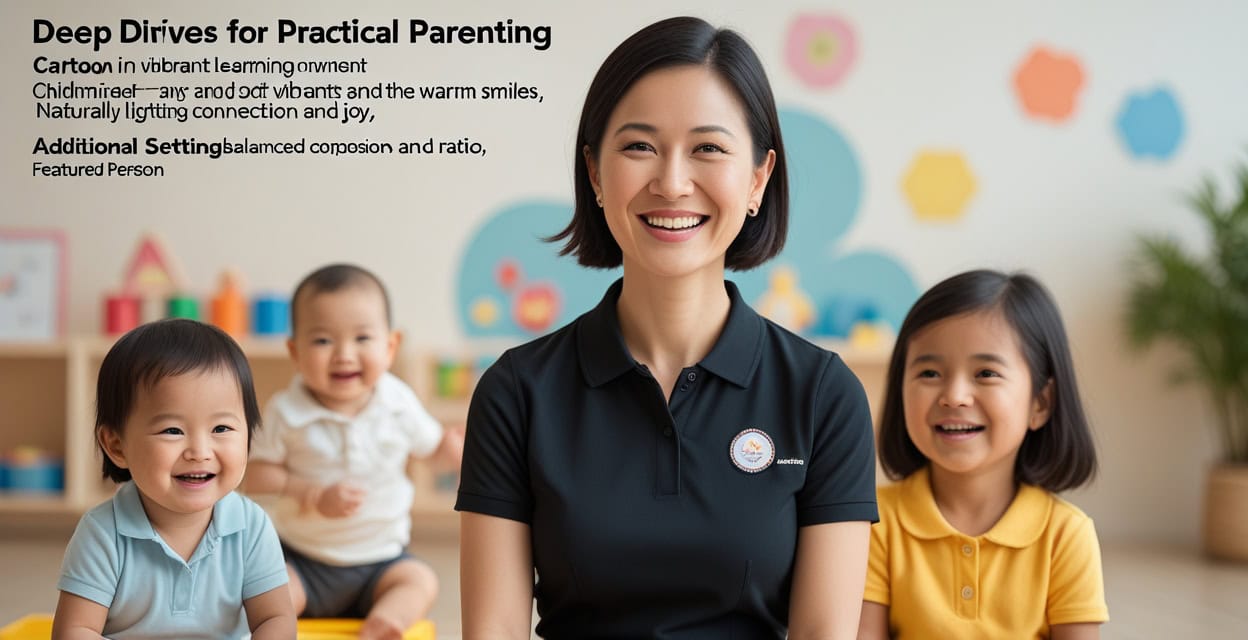
Key pedagogical themes: Deep dives for practical parenting
A. Pedagogy: Care is the first classroom
The most powerful curriculum in the first year is a caregiver who notices consistently. Practical actions to implement at home and in pods:
- Daily “noticing routines”: a 2-minute check-in with each infant during feeding and play to name cues aloud (e.g., “I see you’re happy when you stretch your arms”).
- Sustain just-right challenges: offer slightly challenging but achievable tasks (e.g., provide a simple puzzle while guiding hand placement) to promote problem solving without frustration.
- Decode emotions: treat cries as messages. A quick, calm response helps regulate the child and builds trust over repeated encounters.
- At home: mirror the home pod approach—dedicate 15-minute “attention windows” where caregiver and child explore together with open-ended toys and no rush to milestones.
B. Safety: Systems that you can see
Safety is a living system, not a policy. Actionable steps for families and caregivers:
- Pod hazard mapping: review a simple hazards checklist for the room, including outlet covers, choking hazards in reach, and clear exit paths.
- Sleep safety routine: emphasize firm mattresses, back-sleep position, and removal of loose items; discuss with caregivers how to position infants for comfort and safety.
- Incident and health logs: request or review weekly logs with timestamped notes on any incidents or health concerns.
- Transparent surveillance: understand scope and consent for CCTV, including privacy limits and oversight.
C. Development: Routines that grow the brain
Predictable arcs support regulation and learning. Practical routines include:
- Feeding cycles that pair nourishment with conversation and co-regulation signals—pauses to name sensations, talk about textures, and model language.
- Play sequences that combine movement, touch, and exploration—crawling paths with safe obstacles, tummy-time stations, and fine motor activities using natural materials.
- Nap structure: gentle pre-nap rituals (soft songs, a cuddle, quiet dim lights) to ease transitions and support memory consolidation.
D. Happiness: Joy as a measurable outcome
Happiness manifests as secure curiosity and relaxed energy. Practical indicators to monitor with caregivers and in home routines:
- Ease of drop-off: relaxed posture, minimal separation distress, and a positive greeting pattern at pickup.
- Curiosity during exploration: sustained attention, flexible engagement with new objects, and willingness to explore with an adult present.
- Parental feedback loops: regular, simple updates on mood, appetite, and sleep that guide adjustments.
E. Purpose: Childminding as civic contribution
EduNanny frames the role of childminders as early educators who shape future citizens. Practical takeaways for families and communities:
- Understand the value of certified, supervised care: seek providers with clear coaching structures, ongoing training, and transparent escalation processes.
- Engage in continuous dialogue: request monthly or quarterly development summaries and goal setting that aligns with your family values.
- Support local employment and dignity: encourage caregivers’ professional development as a community investment in children and families.

Who, what, when, where, how—why childminding matters now
Who
Targeted to Singapore Citizen infants aged 2–18 months who prefer near-home, trusted care and are not concurrently enrolled in ECDA-licensed infant care centres.
What
One to three infants cared for by a certified, trained childminder in a home or community setting—prioritizing safety, attachment, and development.
When
Monday to Friday, 7am–7pm, with flexible half-day (5 hours) or full-day (10 hours) blocks. The pilot runs from 1 December 2024 to 31 December 2027.
Where
Islandwide Singapore, in modern centre/community spaces and approved homes designed for visibility, hygiene, and ease of access.
How
Government-subsidised affordability, with payments via CDA/Baby Bonus; background checks by ECDA; training and quality assurance by EduNanny; and transparent care routines.
Why
The first relationships teach the first truths: “You are safe. You are seen. You are capable.” These truths form the quiet engines of resilience, learning, and leadership in every child’s life.

How to sign up
- Visit https://edunanny.com/edunanny-ecda-childminding-service/ and complete the form, or message us via WhatsApp from that page.
- Our EduNanny Concierge Team will respond promptly to understand your needs and confirm eligibility.
- Schedule a site visit to your preferred community pod or speak with a nearby home-based childminder.
- Confirm enrolment, select blocks (half-day or full-day), and start dates. We’ll handle the rest.
Two addresses to remember

Closing
Singapore, EduNanny is more than childcare. It is the deliberate shaping of hours that often go unseen, the quiet work of building trust, safety, and development in the first year of life. With EduNanny, you gain ultra-low ratios, safe and modern spaces, certified and background-checked childminders, fair fees, and transparent practice—delivered near home, with dignity and calm. From 7am to 7pm, from the first feed to the last cuddle before pickup, we will be there—attentive, steady, and proud to serve your family. Let us begin as we mean to go on: with safety, with joy, with excellence, and with purpose.
Thank you. We look forward to welcoming you and your little one to EduNanny.

SEO Keywords
[#EduNannySingapore, #InfantCareSingapore, #SingaporeChildminding, #ECDAPilot, #1to3Ratio]