EduNanny Singapore A Human Centered Evidence Driven Blueprint for Safe Joyful Infant Care

EduNanny Singapore: A Human-Centered, Evidence-Driven Vision for Infant Care
Ladies and gentlemen, parents and grandparents, educators and community builders, this is a call to consider something that is both humble and nation-shaping: how a baby is held, how a caregiver listens, how a room is lit, and how a day is rhythmically lived. EduNanny represents a movement that aligns heart and science—where world-class early childhood practice meets everyday convenience and uncompromising safety. This article dives deep into the EduNanny model, translating the vision into practical guidance for families, caregivers, and communities in Singapore.
EduNanny in Singapore: The Model in Practice
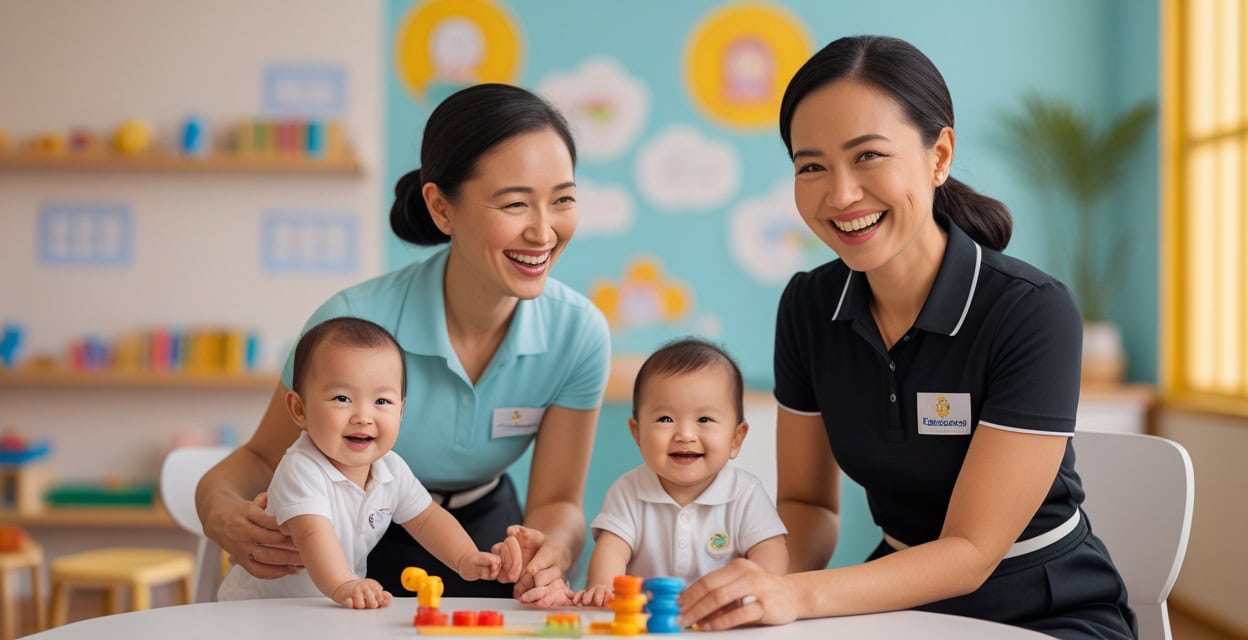
EduNanny by BUTLER participates in Singapore’s ECDA Childminding Pilot as a national social initiative. The model operates Monday to Friday, 7am to 7pm, islandwide in both centre-based and home-based settings, with distance support for families who need guidance at home. It upholds an ultra-low 1:3 infant-to-educator ratio, uses transparent CCTV for accountability and peace of mind, and offers affordable access—from $33 per day—with fees payable by CDA/Baby Bonus where eligible. This section explains how those elements translate into daily practice and measurable outcomes for child development.
Key takeaways for families and practitioners:
- Strong relationship-first approach with a primary caregiver for each child.
- Transparent safety systems that combine space design, hygiene, technology, training, and supervision.
- A learning philosophy that treats everyday moments as opportunities for discovery and language growth.
- Flexible network options to fit families’ lives—centre-based, home-based, and distance support.
- Professionalization of childminders with clear career pathways and reflective practice.

The Five Commitments That Define Everyday Care
First: Secure Attachments, Brave Explorers—the 1:3 Promise
At the foundation is relationship. With a maximum of three infants to one trained childminder, caregivers can truly notice subtle cues and respond with attuned, consistent care. Each child is assigned a primary caregiver to anchor routines and trust.
- Gentle caregiving inspired by Pikler and Bowlby: respect each child’s tempo and readiness.
- Predictable rituals: arrival greetings, unhurried diapering with narration, eye-level feeding, and routines that become learning moments.
- Language-rich interactions: describe the world, sing in English and Mother Tongue, and introduce baby sign to invite expression and reduce frustration.
- Movement that honors development: safe floor-time, open space, and low apparatus to support natural gross-motor growth without forcing milestones.
- Practical implications for families: observe your child’s primary caregiver during the first two weeks—note consistency, responsiveness, and the quality of language used during routine transitions.
Second: Safety as a System, Not a Slogan
Safety is a living system of people, spaces, and routines. It is never a checkbox on a wall but a daily practice shared by all staff and families.
- Space: modern layouts, low shelving, soft corners, clear sight lines, and zoned lighting that supports calm alertness. Sleep spaces follow evidence-based safe sleep practices.
- Hygiene: enhanced cleaning protocols, health screening at entry, meticulous handling of bottles, food, and pump parts; ongoing documentation keeps families informed beyond reassurance.
- Technology: CCTV usage is designed to support accountability and culture while protecting privacy and dignity.
- Training: childminders receive first aid, infant CPR, safe sleep, allergy response, and safeguarding training, with regular drills and reflective debriefs.
- Supervision: the 1:3 ratio remains constant; no child is out of sight, and no moment is dismissed as “just a minute.”
- Practical implications for families: ask about your centre’s safety audits, sleep-training practices, and how parents access daily records and observations.
Third: Learning Hidden in the Ordinary—the Pedagogy of Everyday Wonder
The earliest months are not a pause before learning; they are learning in action. The micro-curriculum seeds curiosity and confidence through simple, intentional experiences.
- Sensory invitations: natural materials, varied textures, mirrors for self-awareness, and light-and-shadow play that fosters attention and visual tracking.
- Language and music: call-and-response songs, rhythm tapping, and picture talk to build phonological awareness long before reading begins.
- Care-as-curriculum: slow, narrated caregiving builds vocabulary, executive function (waiting turns), and body awareness (consent-based touch and transitions).
- Observation and documentation: track cues and progress in a concise, meaningful way; families receive updates that matter rather than noise.
- Practical implications for families: request a sample weekly micro-curriculum plan and a monthly progress note that highlights one learning milestone and one social-emotional skill.
Fourth: A Care Network That Fits Life—Centre, Home, and Distance
Families live at different speeds; EduNanny’s network adapts to their needs. The model supports centre-based care, home-based care, and distance coaching to keep development on track.
- Centre-Based Childminding: purpose-designed spaces near transport hubs, with structured routines, peer interactions, and on-site leadership.
- Home-Based Childminding: licensed, neighborhood homes that offer intimacy, continuity, and the comfort of familiar settings—especially for younger infants.
- Distance Support: virtual coaching, daily routines guidance, and check-ins to sustain development when attendance at a centre or home is temporarily impractical.
- Hours and accessibility: Monday to Friday, 7am–7pm, with clear upfront pricing and flexible scheduling options.
- Practical implications for families: compare the perceived intimacy of home-based care with the structured resources of centre-based care, and consider distance coaching as a support during illness, travel, or caregiver transitions.
Fifth: Childminders as Civic Professionals—the Purpose Behind the Work
Singapore thrives when the people who care for its youngest citizens are dignified, trained, and supported. EduNanny contributes to a national vision with a maximum employment mandate and clear professional pathways.
- Career pathways: structured training, mentorship, and progressive roles from Trainee to Lead Childminder and Mentor.
- Reflective practice: weekly case reflections and learning circles to build judgment, empathy, and skilled craft.
- Community weaving: early sign detection—feeding challenges, sleep disruptions, parental fatigue—and connections to community resources. Care is never isolated; it is held within a network.
- Practical implications for families: recognize and celebrate the professional role of childminders, and participate in reflective sessions or parent partnerships that strengthen the care network.
A Day in EduNanny Care: What It Feels Like
Imagine a day that begins with purposeful welcome and ends with partnership. A typical day unfolds as follows:
- 7:32am: A parent hands over their child. The childminder mirrors the infant’s expression and a gentle greeting begins the day.
- Health check and calm hello: routines are narrated, and the child is guided into the day with a sense of safety.
- Transitions with music and rhythm: songs during moves, soft sneakers on wooden floors, and shared laughter during peekaboo.
- Care routines with clarity: labeled bottles, properly warmed milk, and mindful diapering with gentle narration.
- Nap and outdoor time: peaceful sleep observation and outdoor air when weather allows.
- 6:10pm handover: a story-rich update that notes what was noticed, what was tried, and what will be built on tomorrow—parents leave with partnership, not just a tired child.

Why Childminding Matters—Who, What, When, Where, and How
- Who: Infants and their parents, whose confidence is a public good; and childminders, whose craft shapes our collective future.
- What: Responsive care that protects, teaches, and delights—turning daily routines into secure bonds and steady growth.
- When: Precisely when families need it—7am–7pm, Monday to Friday, aligning with working lives and baby rhythms.
- Where: In purpose-built centres, licensed neighborhood homes, and via distance guidance—so the infant is safe, known, and calm in the place that suits them best.
- How: Ultra-low 1:3 ratio, thoughtful space design, rigorous safety, warm pedagogy, transparent technology, and fair, professionalized work.

The EduNanny Philosophy and Purpose
EduNanny exists to make the earliest care in Singapore exemplary, accessible, and human. Excellence without warmth is brittle; warmth without structure is fragile. EduNanny holds both: a system that honors families’ values, respects cultural heritage, and meets the demands of modern work—all while centering infants in every design decision.
Practical implications for families and caregivers:
- Access: options for centre-based or home-based care with clear, upfront pricing and eligibility for CDA/Baby Bonus where applicable.
- Warmth and structure: care that blends empathetic, responsive interactions with a well-organized, safety-focused environment.
- Parent partnership: ongoing communication, collaborative goal-setting, and timely updates that inform rather than overwhelm.
- Career dignity: professional development opportunities, mentorship, and meaningful roles for childminders.
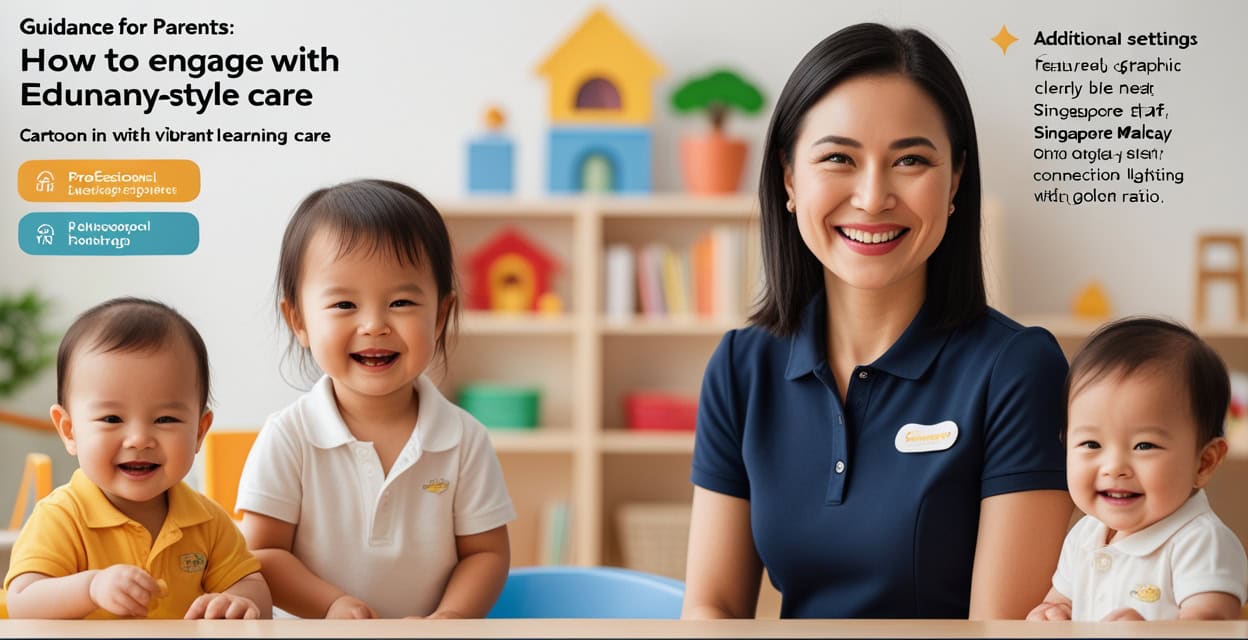
Guidance for Parents: How to Engage with EduNanny-Style Care
- Tour and observe: schedule a centre or home-based tour; note how caregivers greet children, how staff speak with families, and how routines are narrated.
- Ask about ratios and staffing: confirm the 1:3 policy, how primary caregivers are assigned, and how substitute staff maintain continuity.
- Inquire about safety practices: listen for explicit safety routines, safe sleep practices, hygiene protocols, and how records are kept.
- Clarify learning outcomes: request examples of daily micro-curriculum activities, how language and cognitive development are fostered, and how progress is documented.
- Discuss inclusion and language: explore how English and Mother Tongue are integrated, and how sign language or gestures are used to support communication.
- Understand access to support: ask about distance coaching options for illness recovery, caregiver trials, or preference for home-based care.
- Review eligibility and payments: confirm CDA/Baby Bonus eligibility and plan options that fit your family rhythm and budget.
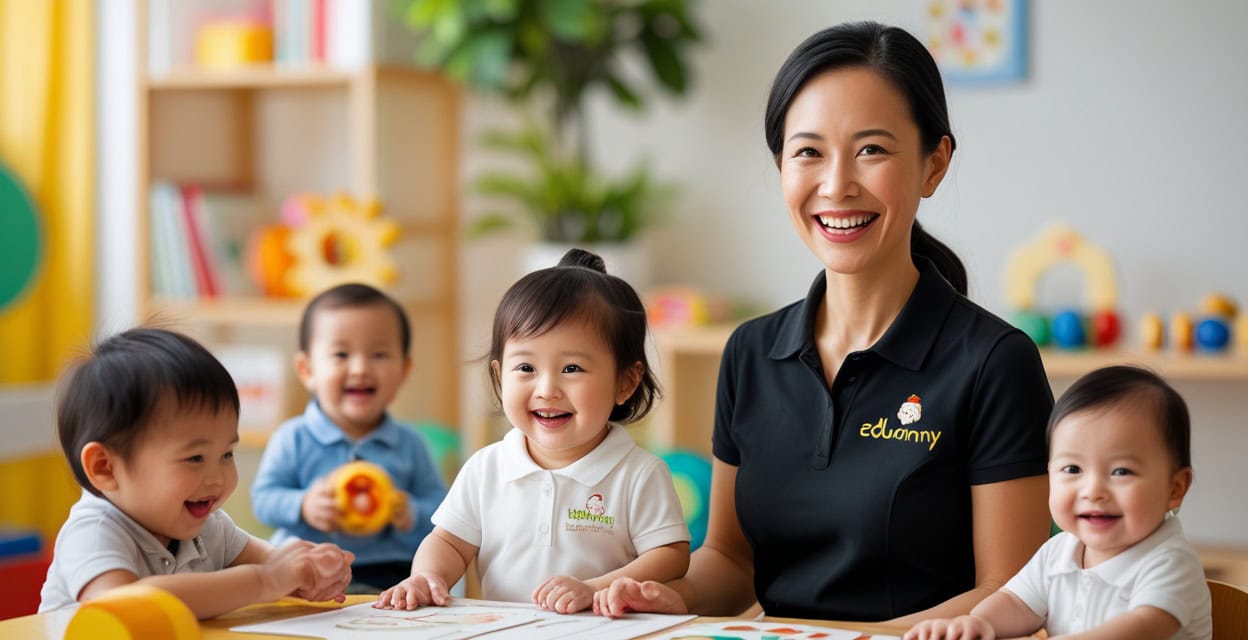
Implementing EduNanny Principles at Home
- At-home routines as learning moments: narrate actions, name objects, and describe emotions to scaffold language and social-emotional development.
- Safe sleep culture: follow evidence-based sleep safety guidelines, ensure a safe sleep environment, and communicate sleep patterns with caregivers.
- Responsive caregiving: observe cues and respond promptly; use consistent routines to help regulate babies’ arousal and sleep.
- Language-rich playing: sing, talk, and read with planned yet flexible activities; introduce new vocabulary and songs in both English and Mother Tongue.
- Home-care documentation: keep a child’s daily highlights and questions for the next caregiver handover, fostering continuity.

Conclusion
EduNanny’s vision centers on the infant as a person, not a schedule, and on caregiving as a civic act—nurturing trust, curiosity, and resilience from the very first months. By embracing the 1:3 ratio, built-in safety systems, everyday pedagogy, flexible care networks, and professional development for childminders, EduNanny aims to turn early care into a foundation for a stronger society. If this vision resonates, consider exploring EduNanny’s centre-based, home-based, and distance-support options, and engage with caregivers and communities that share a commitment to quality, warmth, and safety for Singapore’s youngest citizens.
Every baby is a somebody, right now. Every routine is a lesson. Every caregiver’s calm voice is a message: you are safe, you are seen, you can grow.
To learn more or begin enrollment discussions, consider visiting EduNanny.com or Childminding.EduNanny.com in your own time and neighborhood.
SEO keywords: [#earlychildhood, #infantcare, #Singapore, #childminding, #EduNanny]