
EduNanny A Civic Promise That Turns Infant Care Into Attunement Safety Near Home Pods

EduNanny: A Civic Promise Wrapped in Everyday Care
Good evenings, neighbors and families of Singapore. Before any policy or plan, there is a small, steady sound that guides our work: the breath of a sleeping infant and the gentle hum of a caregiver’s presence. EduNanny was born to protect that quiet—so families can work with confidence, infants can bloom with safety and joy, and communities can become kinder at their core.
EduNanny is a human-centered, science-led childminding movement designed for Singapore’s realities—near home, in community, and aligned with what the best developmental science has told us for over a century. Built by BUTLER and participating in the ECDA Childminding Pilot, EduNanny combines the dignity of attentive caregiving, the precision of modern design, and the inclusivity of a national social initiative that lifts families and creates jobs. We call it a civic promise wrapped in everyday care.
What EduNanny Is: A Practical, Science-Led Approach to Infant Care
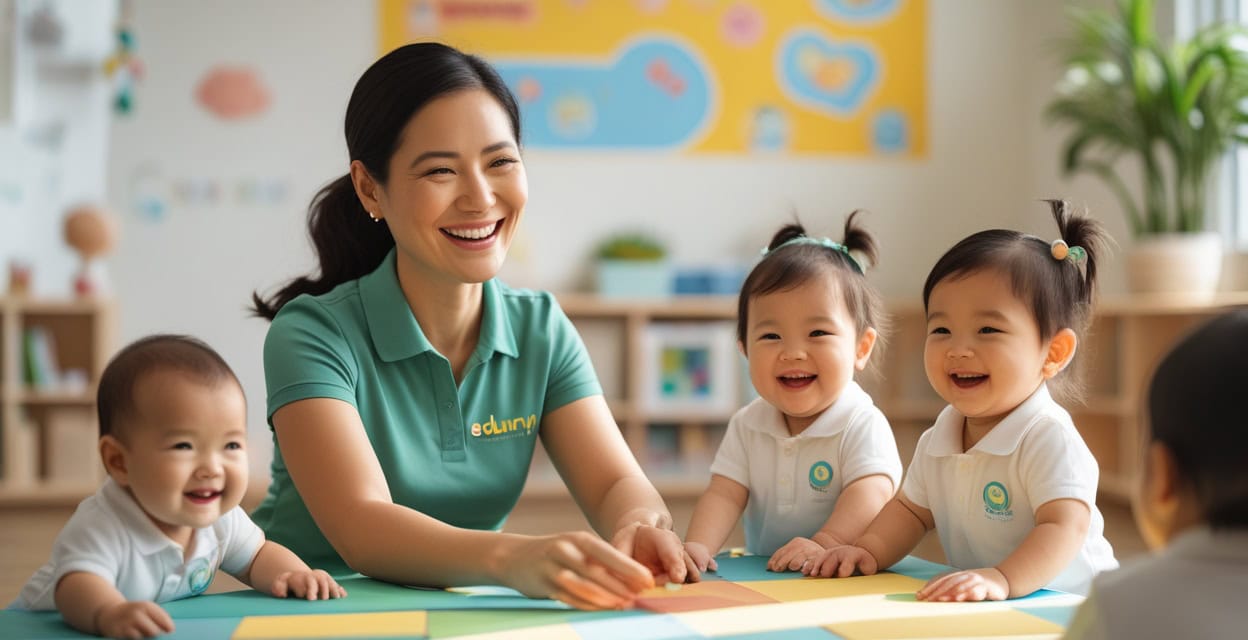
EduNanny translates big ideas into small daily actions. We embrace a 1:3 infant-to-educarers ratio to protect focused, responsive care; we shape modern spaces and home environments for safety, sensory richness, and autonomy; and we foster a near-home network that shortens distances—between parents and infants, between care and community, and between intention and impact.
The Five Ideas That Shape EduNanny in Singapore
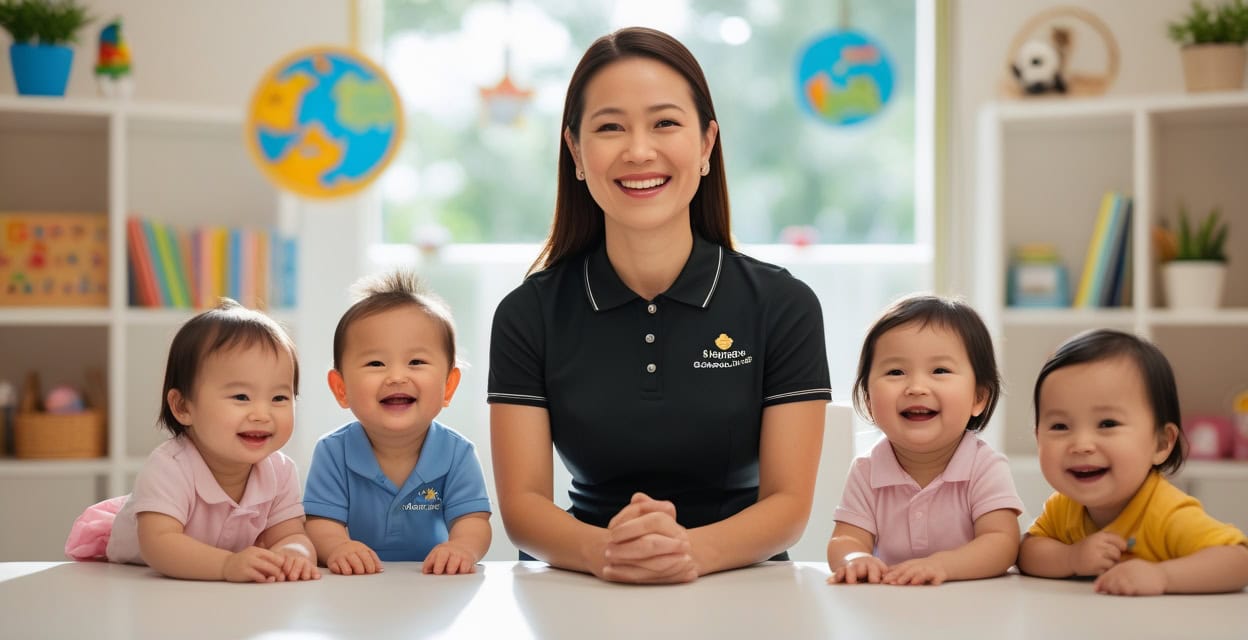
1) The Attentive Triangle: Infant, Family, Childminder
Attachment is a dynamic triangle that endures busy days and changing routines. Practical steps for families and care teams include:
- Maintain a 1:3 ratio by ensuring three infants are cared for by two or three trained educarers, coordinated by a primary caregiver who remains the daily constant.
- Institute daily handover rituals: a brief, structured journal or checklist that captures feeding, sleep, mood, and routines, shared between home and care settings to honor the family’s voice and cultural rhythms.
- Assign a primary caregiver for each infant to support nervous-system calm, with predictable daily routines that help the baby relax and trust the day.
- Adopt a triad mindset in practice: welcome, nurture, and respond—so the infant experiences continuity across transitions.
- Draw on Pikler for respectful caregiving, Montessori for prepared environments, Vygotsky for scaffolding, and Bowlby for secure attachments—then translate these into greetings, lifting, feeding, narrating, and putting down as everyday acts.
2) Safety as a Design Language, Not Just a Checklist
Safety is a choreography—quiet, layered, and constant. To implement this at home and in early-childcare spaces:
- Design environments with clear sightlines, low fall-risk furnishings, breathable sleep spaces, and active ventilation to support healthy development.
- Use transparent, privacy-conscious CCTV to build trust with families, paired with strict data protection and consent protocols.
- Conduct daily hazard sweeps and weekly safety audits for sleep, feeding, solids, allergies, and emergency readiness (infant-first-aid and CPR trained).
- Implement calm, predictable transitions—so a well-orchestrated day feels safe and soothing to the infant.
- Equally train families in home-safety best practices, creating a shared standard of care across settings.
3) Pedagogy of Everyday Moments: Floor Before Furniture, Words Before Worksheets
In infancy, curriculum is the body, the senses, and the relationship. Practical ways to infuse development in daily routines:
- Prioritize floor time and free movement to build strong bodies and integrated reflexes that support later cognitive skills.
- Offer a daily language bath: rich talk in home language and English, descriptive narration, songs, and turn-taking conversations.
- Narrate actions before performing them: “I’m going to lift you gently now,” to support infant understanding and agency.
- Incorporate play as practice: object permanence games, cause-and-effect exploration, and rhythm-based activities woven into feeding, diapering, and tummy time.
- Foster secure independence by designing environments that invite exploration while maintaining caregiver support and safety.
4) A Happiness Index You Can Feel
Infant happiness reflects in body language and breath, not just smiles. Build a culture of joy through:
- Co-regulation: a caregiver’s calm voice, posture, and pace help normalize a baby’s heart rate and mood.
- Tracking micro-signals: gaze duration, babble bursts, curiosity loops, and restful sleep as indicators of well-being.
- Caregiver well-being: offer fair scheduling, reflective practice, ongoing training, and a sense of shared purpose to sustain joyful care.
- Culture and identity: incorporate lullabies, stories, and rituals that honor home cultures to ease separations and support belonging.
5) Childminding With Public Purpose
Childminding is more than a service; it is civic infrastructure. Translate this into actionable steps:
- Enable parents to work with confidence, pride, and reduced commute stress by providing near-home care options.
- Elevate caregiving as skilled, meaningful work aligned with Singapore’s Maximum Employment Mandate, creating dignified local jobs in communities.
- Strengthen neighbourhood resilience by building support networks near homes and workplaces—reducing stress and increasing access to trusted care.
- Link services to national initiatives: participate in ECDA pilots, offer CDA/Baby Bonus-friendly options, and promote local, community-based care ecosystems.
A Day at EduNanny: Practical Structures for Home and Center Settings
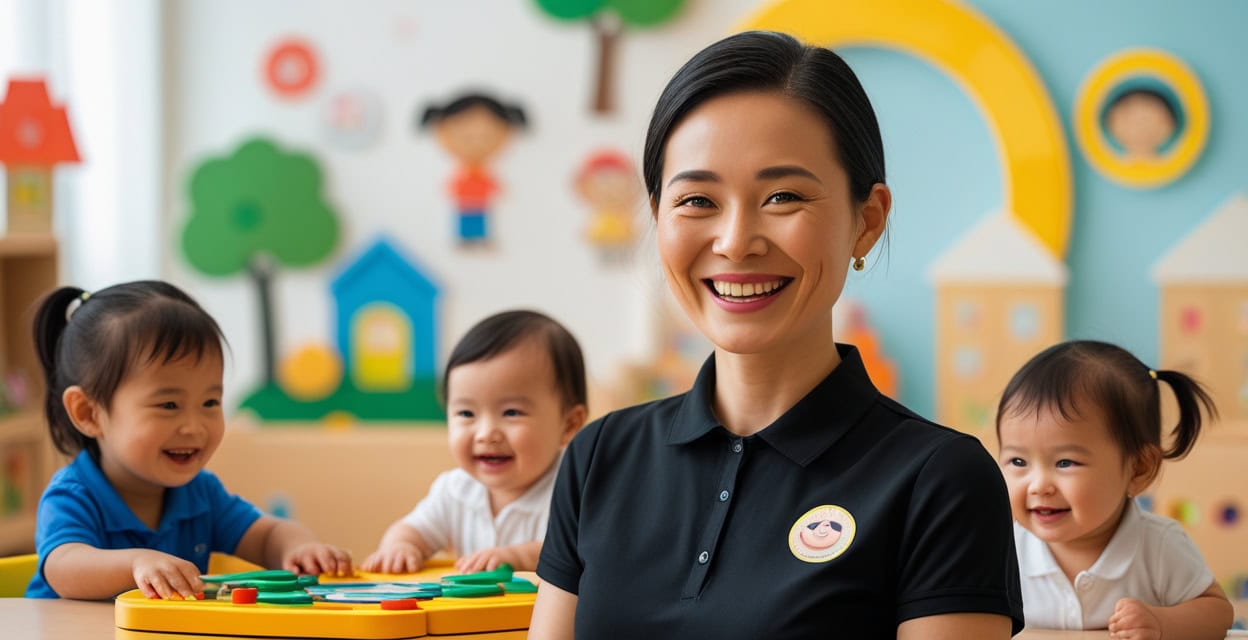
Mornings: Arrival, Greeting, and Emotional Attunement
Begin with a calm, unhurried check-in. Practical tips:
- Greet each infant with a personal ritual (name, favorite blanket, a gentle touch) to establish trust from the first moment.
- Use a quick emotional attunement chart to note mood, energy level, and immediate needs, shared with families at handover.
- Establish a predictable routine so caregivers and families know what to expect each day.
Mid-Mornings: Movement, Songs, and Exploration
Encourage sensory-rich experiences aligned with development milestones:
- Incorporate gross motor sessions, music, and simple object exploration to support coordination and curiosity.
- Provide unhurried feeding times with responsive cues—watch for satiety signals and adjust pacing accordingly.
- Maintain language-rich exchanges in home languages where desired, reinforcing early literacy foundations.
Nap Time: Consistency, Comfort, and Individual Needs
Nap routines should be predictable and soothing:
- Cool, quiet, and safe sleep environments with individualized soothing plans (sound, light, temperature).
- Regular checks for safety and comfort; document sleep patterns to tailor routines for each infant.
Afternoons: Sunlight, Sensory Play, and Storytelling
Balance active exploration with calm language loops:
- Outdoor or sensory-rich activities that support tactile and proprioceptive development.
- Storytelling in both home languages and English to reinforce language development and cultural identity.
- Caregiver-led storytelling with pauses to invite infant participation and choice-making.
Evening: Handoff, Reflection, and Tomorrow’s Plan
End-of-day routines should create a smooth transition for families:
- Handoff that highlights small wonders, challenges, and a clear plan for tomorrow.
- Brief debrief with families to ensure continuity of care and trust.

Technology With Tenderness: Tools That Support Presence
Technology should serve presence, not replace it. In EduNanny practice, we emphasize:
- Innovative CCTV that supports parent trust and operational fidelity, with explicit consent and robust privacy safeguards.
- Daily digital updates that focus on meaningful observations, not performative checklists.
- Scheduled virtual windows for distant families that complement, rather than replace, in-person attunement.
Benefits of EduNanny at a Glance
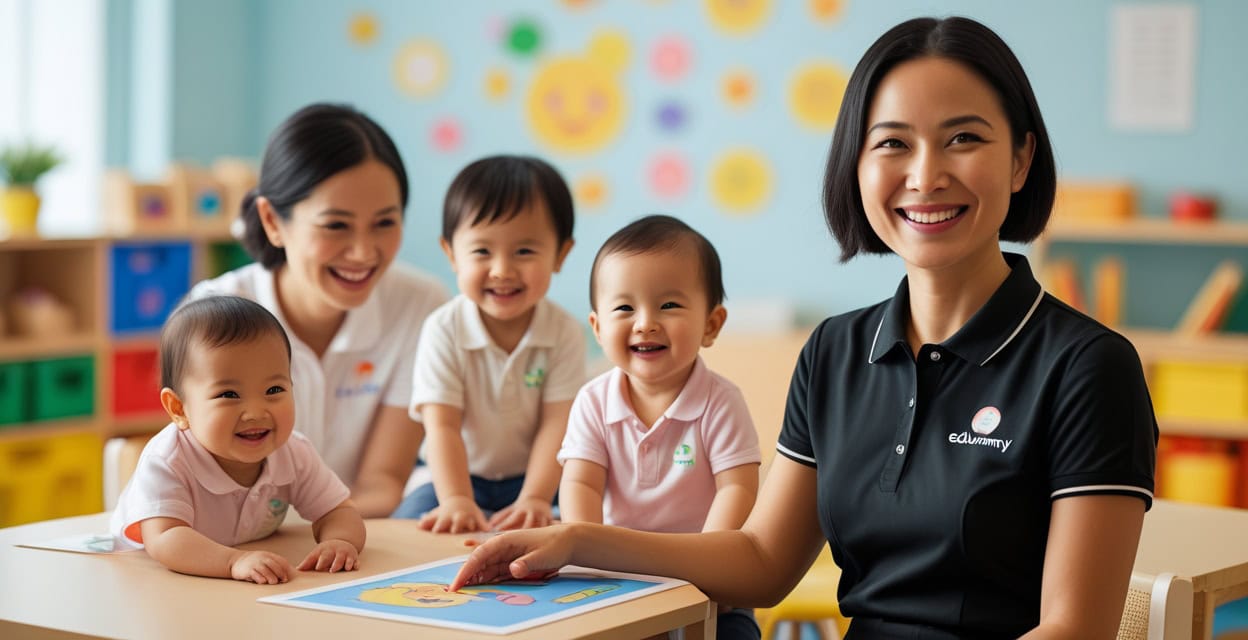
- Excellence and Quality in infant care
- Centre-Based and Home-Based options to fit family needs
- Near-home distance for convenience and reduced commuting time
- Affordable options (from $33/day) to support families
- Participation in ECDA Childminding Pilot
- Weekdays, 7am–7pm, islandwide Singapore
- In community and home premises with modern, safety-led design
- 1:3 infant ratio with trained, reflective childminders
- Innovative CCTV transparency with privacy standards
- Public initiative: EduNanny by BUTLER as a national social program
- Alignment with Maximum Employment Mandate—building dignified local work
- Fees payable by CDA/Baby Bonus; learn more at EduNanny.com and Childminding.EduNanny.com

Why This Matters Now
The earliest care is a once-only opportunity window. The brain is making synapses at a breathtaking rate, and emotional templates—safety, trust, and warmth—are being set. Get this right, and later language, self-control, learning, friendships, and resilience become easier to achieve.
EduNanny offers a practical pathway to harness this window—through trained caregivers, supportive environments, and a public purpose that places families at the center of national resilience.
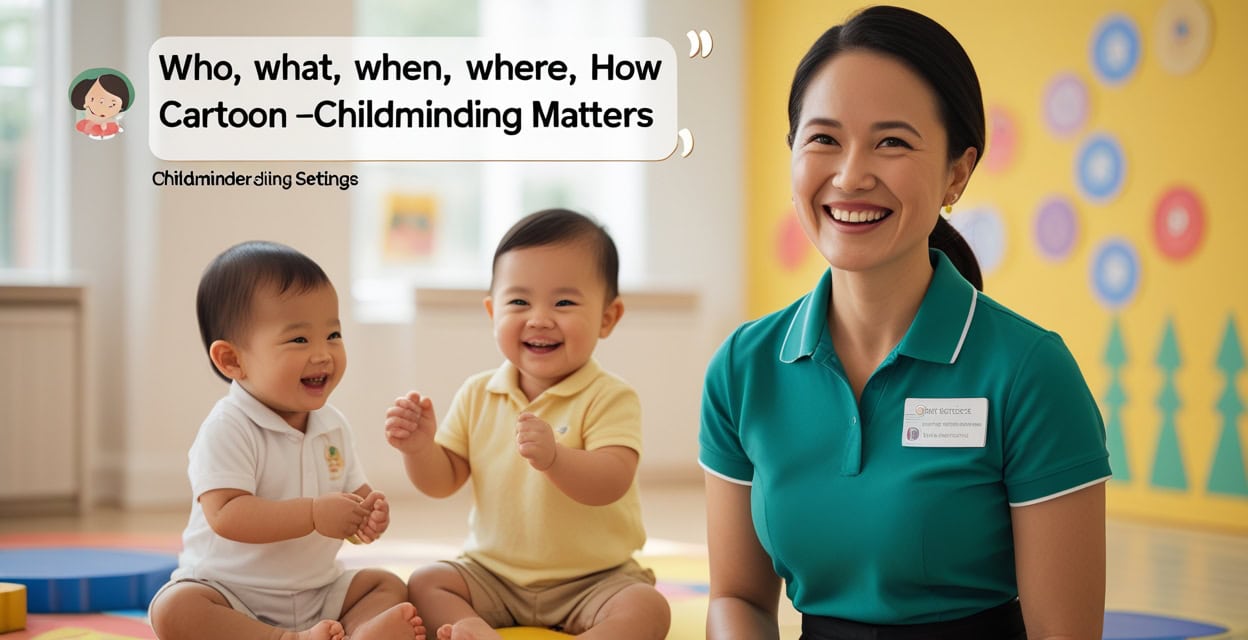
Who, What, When, Where, How—Childminding Matters
- Who: Every infant in Singapore, every working family, every caregiver seeking meaningful work.
- What: Attuned, safe, joyful childminding that honors culture, strengthens families, and advances development.
- When: Weekdays from 7am to 7pm—right when families most need a secure base.
- Where: Islandwide, near home and in community—centre-based and home-based settings built for visibility, safety, and calm.
- How: Through an excellent 1:3 ratio; trained, reflective childminders; modern, safety-led environments; transparent technology; and a partnership with parents that treats them as experts on their child.
Our Philosophy and Purpose
EduNanny believes that the smallest circles of care shape the largest outcomes. We stand on the shoulders of Montessori, Pikler, Vygotsky, Bowlby, Erikson, and others—yet we translate their wisdom into Singapore’s neighborhoods with culturally fluent caregivers, thoughtful design, and a public promise: infants first, families respected, caregivers dignified.
We invite you to imagine a Singapore where the shortest distance between home and care is also the shortest distance between a parent’s hope and a child’s flourishing. Where safety is quiet, joy is visible, development is natural, and community is near.
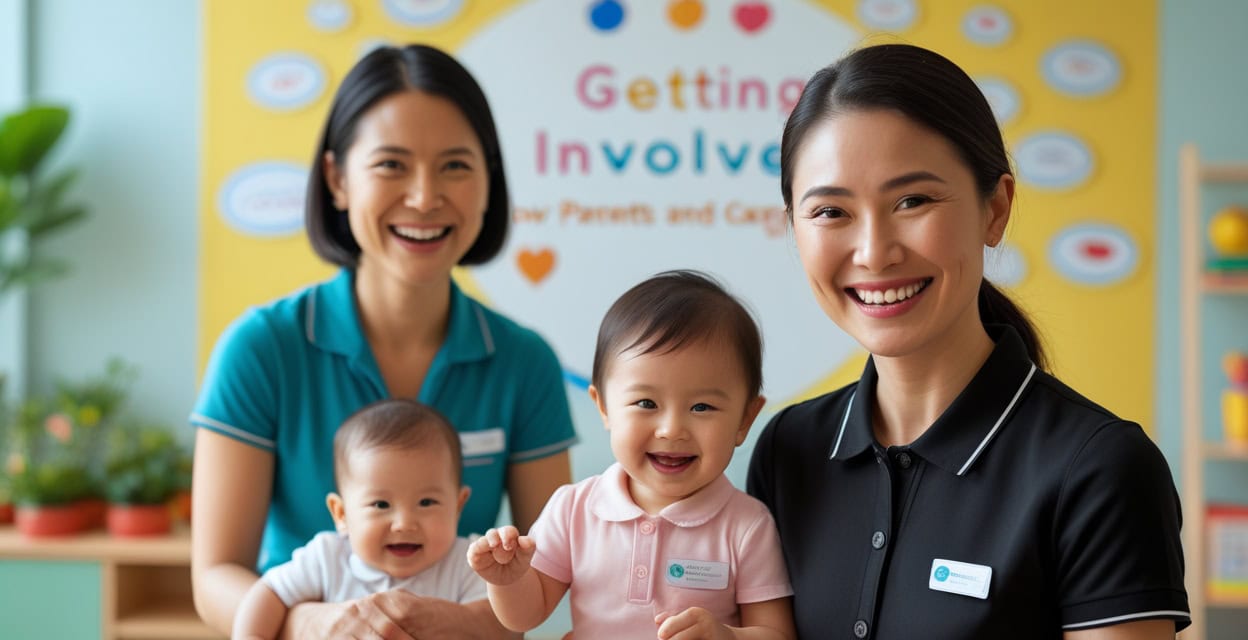
Getting Involved: How Parents and Caregivers Can Engage
If this future resonates with you, here are concrete steps to take today:
- Visit EduNanny.com or Childminding.EduNanny.com to learn more about programs near you and to book site tours.
- Contact our team to discuss a tour of an EduNanny center or to meet a home-based childminder who can accommodate your routines and lullabies.
- Prepare a simple “handover log” for the next caregiver, including feeding cues, sleep patterns, and preferred soothing methods.
- Discuss and codify your family’s cultural rhythms—home language use, stories, songs, and rituals—and ensure EduNanny care plans reflect them.
- Ask about the ECDA pilot status, eligibility for subsidies, and how CDA/Baby Bonus applications can align with your chosen EduNanny option.

Conclusion
EduNanny offers a grounded, practical vision for infant care that respects families, honors caregivers, and advances child development. By embracing the Attentive Triangle, embedding safety in design, cultivating learning in everyday moments, measuring happiness through meaningful interactions, and grounding care in public purpose, we can make near-home, high-quality infant care accessible to all Singaporean families.
If you share this belief in the power of attentive, community-based care, join us. Bring your routines, your lullabies, and your questions. We will greet you at the door—with presence, with purpose, and with the everyday excellence your child deserves.
SEO keywords: [#keyword1, #keyword2, #keyword3, #keyword4, #keyword5]