

Cradling a Nation EduNanny Near Home Pods Redefining Singapore First Thousand Days
Introduction: A Society’s Values Reflected in Early Moments
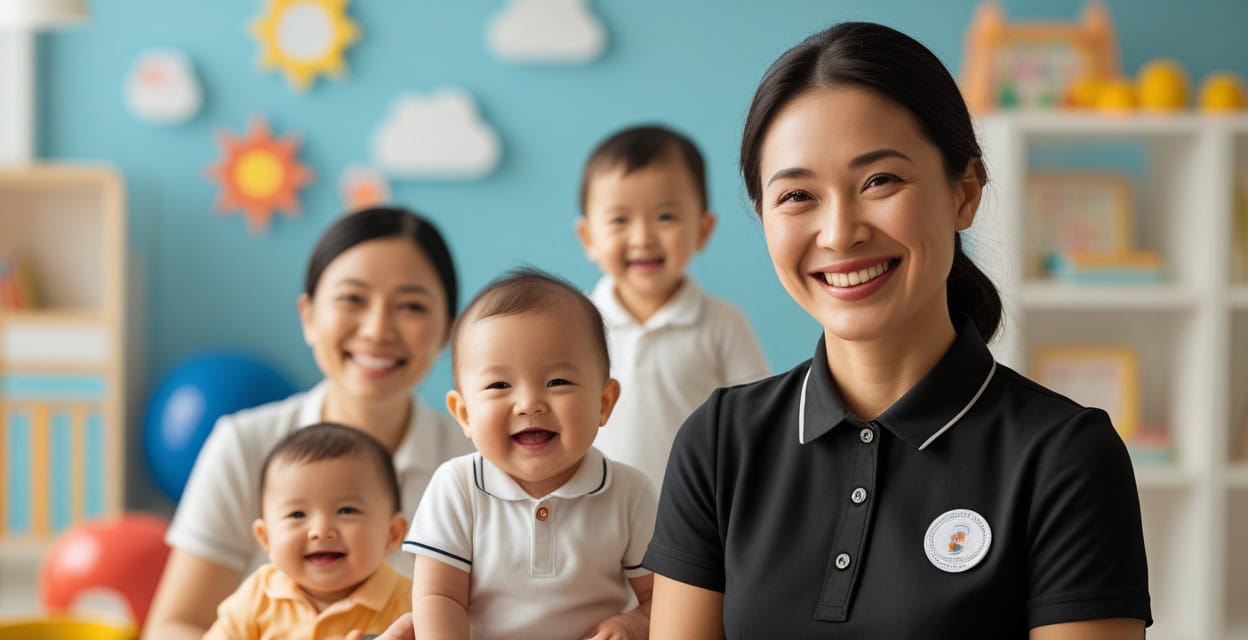
Good evening, friends, families, caregivers, and partners in possibility. If you want to know what a society treasures, observe how it welcomes its youngest members at daybreak. The first glances, the first lifts, the first small welcomes—these moments shape a child’s sense of safety, curiosity, and belonging. EduNanny exists to make every one of those moments count. This article shares an in-depth look at EduNanny’s approach, practical guidance for parents, and the operational backbone that makes ultra-low ratio infant care possible in Singapore.
About EduNanny
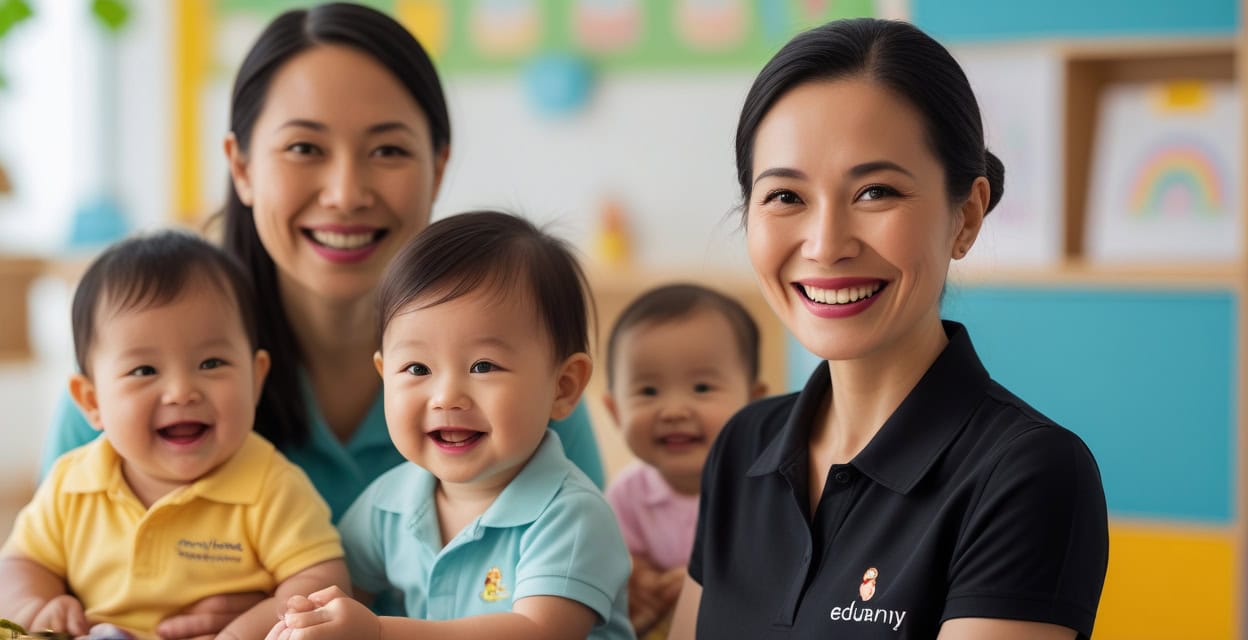
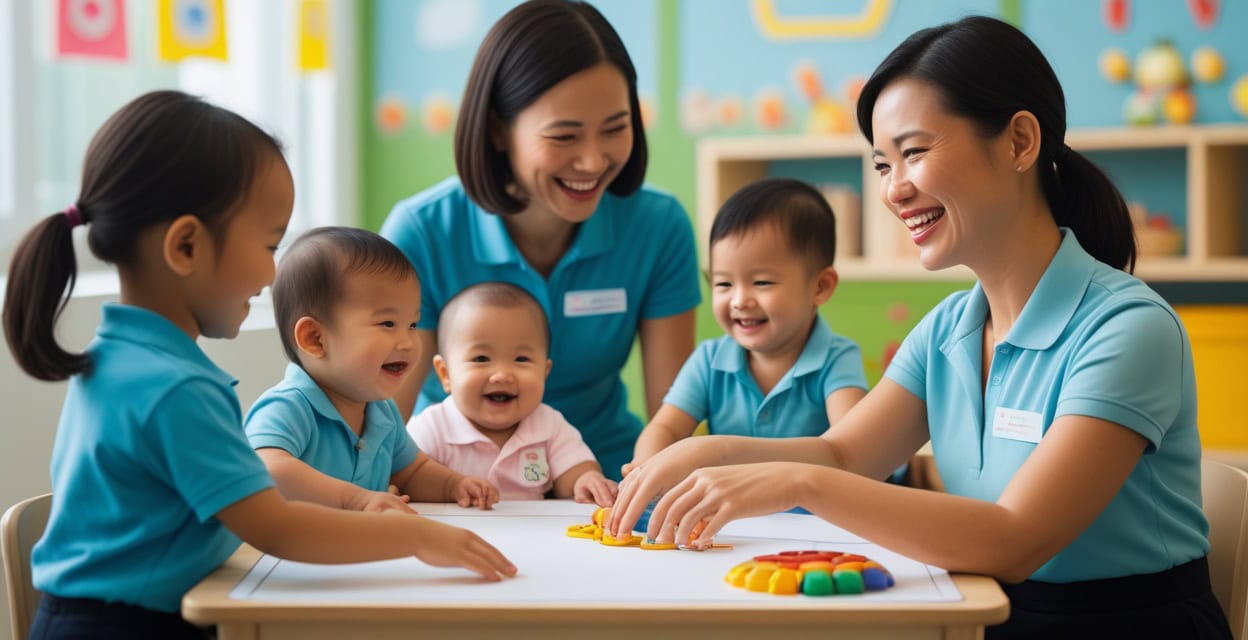
EduNanny is a Singapore-born, evidence-led childminding and infant care movement that translates the best of global early childhood science into daily practice—close to where families live and work. We blend centre-based hubs with licensed home-based micro settings to deliver ultra-low ratio care—1 caregiver to 3 infants—with the same professional standards across both. Our promise is simple: safe hands, warm hearts, and intelligent environments from 7am to 7pm, Monday to Friday, islandwide.
Backed by EduNanny by BUTLER and participating in the ECDA Childminding Pilot as a National Social Initiative, our model advances three public goods at once: children’s wellbeing, parents’ peace of mind, and dignified local employment through a Maximum Employment Mandate. We do this with modern layouts, rigorous safety systems, innovation CCTV for transparency, and fees payable by CDA/Baby Bonus—keeping quality accessible, with options affordable from $33/day.
The Five Topics for Singapore’s Youngest Citizens
The Prepared Nest: A Pedagogy of Gentle Challenge
- Free movement before fast milestones: Infants enjoy safe floor time with low mirrors and reachable objects to encourage self-initiated discovery and core strength, avoiding propped positions.
- Talk before task: Caregivers narrate caregiving routines—“I’m warming your hands before the bath”—to build language and trust through predictable sequences.
- Observe–Name–Invite: We watch first, name what we see, and invite a next step, providing scaffolding in the Zone of Proximal Development without rushing the child.
- Beauty as a cue for respect: Warm light, natural textures, and tidy shelves signal that the child’s efforts are worthy of order and care.
- Mini-loops of mastery: Short, repeated arcs—reach, grasp, release—to wire patience, perseverance, and joy in small wins.
Practical guidance for parents: Create a safe, inviting home space that invites exploration without pressure. Provide a few simple, reachable objects at child height. Narrate daily routines, celebrate small successes, and avoid rushing transitions. This builds confidence and language from the start.
Safety You Can Feel: The See–Prevent–Respond Loop
- See: Daily environment scans for safety—floor-level checks, secure sleep setups, temperature and ventilation, gates, and latches.
- Prevent: Maintain 1:3 ratios so caregivers always know who is in arms, sight, and hearing range. Label bottles, format feeds clearly, keep nappy stations stocked, remove choking hazards, and design routines to reduce risk.
- Respond: Regular drills for allergic reactions, choking, and evacuation; digital, time-stamped incident logs; rapid, factual parent updates.
- Transparent by design: Innovation CCTV in common areas for visibility with strong privacy safeguards; clear, secure documentation.
- Hygiene as culture: Strict handwashing, toy rotation and sanitisation, laundering schedules, and safe food handling—balanced to protect health without dampening curiosity.
Practical guidance for parents: Establish consistent nap and feeding routines, ask about the care environment’s safety checks, and request transparent updates if your child experiences a hiccup. Safe routines foster calm that supports development.
The Whole-Body Brain: Development that Begins in the Body and Blossoms in the Mind
- Sensory regulation: Soft starts, predictable transitions, and soothing rituals prevent overstimulation, helping infants tune into voices, faces, and rhythms.
- Movement and strength: Daily floor time, gentle rolling, and safe reach activities scaffold balance, later handwriting readiness, and self-efficacy.
- Language and connection: Rich, responsive talk in English and mother tongues, including songs, rhymes, and turn-taking chatter, builds vocabulary and social attention.
- Curiosity cues: Peekaboo, texture baskets, water play—these activities invite thinking and problem-solving without rushing outcomes.
- Inclusion by default: Tailored routines for preemies, multiples, and varied needs, coordinated with parents and professionals to ensure equitable development opportunities.
Practical guidance for parents: Encourage daily routines that blend movement, touch, and language. Use bilingual naming for objects, narrate your actions during caregiving at home, and provide safe exploratory toys that promote problem-solving and sensorimotor skills.
Joy as a Vital Sign: Measuring What Truly Matters
- The comfort index: How easily does the infant settle, seek care, and rest without strain?
- The delight audit: Are curiosity, engaged eyes, and expressive sounds present throughout the day?
- Rhythm over rush: Structure with unhurried care, play, and rest cycles that build trust in time and in people.
- Belonging rituals: Name rituals, family photos at infant height, and gentle goodbyes create continuity between home and care.
- Parent partnership: Co-design nap targets, feeding preferences, and soothing strategies so the child experiences a consistent rhythm across two homes.
Practical guidance for parents: Track how your child settles each day, note moments of joy, and collaborate with caregivers to align routines across home and care settings. Joy is a powerful indicator of secure attachment and readiness to learn.
The Public Purpose of Childminders: Craft, Dignity, and Community
- A respected craft: Training emphasizes attuned care, health and safety, child development, and reflective practice to elevate caregiving to a professional vocation.
- Career ladders: Mentorship, progressive responsibilities, and leadership pathways create long-term, dignified careers in the field.
- Neighbourhood strength: Center-based and licensed home-based settings bring care closer to communities, reducing commutes and sustaining familiar faces.
- Maximum Employment Mandate: Expanding dignified jobs near where caregivers live reinforces family stability and local economies.
- Shared standards: Across home and centre, consistent safety checks, curriculum rhythms, and family partnership protocols safeguard quality.
Practical guidance for parents: Seek out settings with professional development opportunities for staff, visible safety practices, and clear family-communication routines. Recognise caregiving as a civic contribution—support environments that invest in caregiver growth and community resilience.
How EduNanny Makes Infant Care Great in Singapore—Operationally and Practically
- Hours and access: Monday–Friday, 7am–7pm, islandwide across neighbourhood centres and licensed home premises.
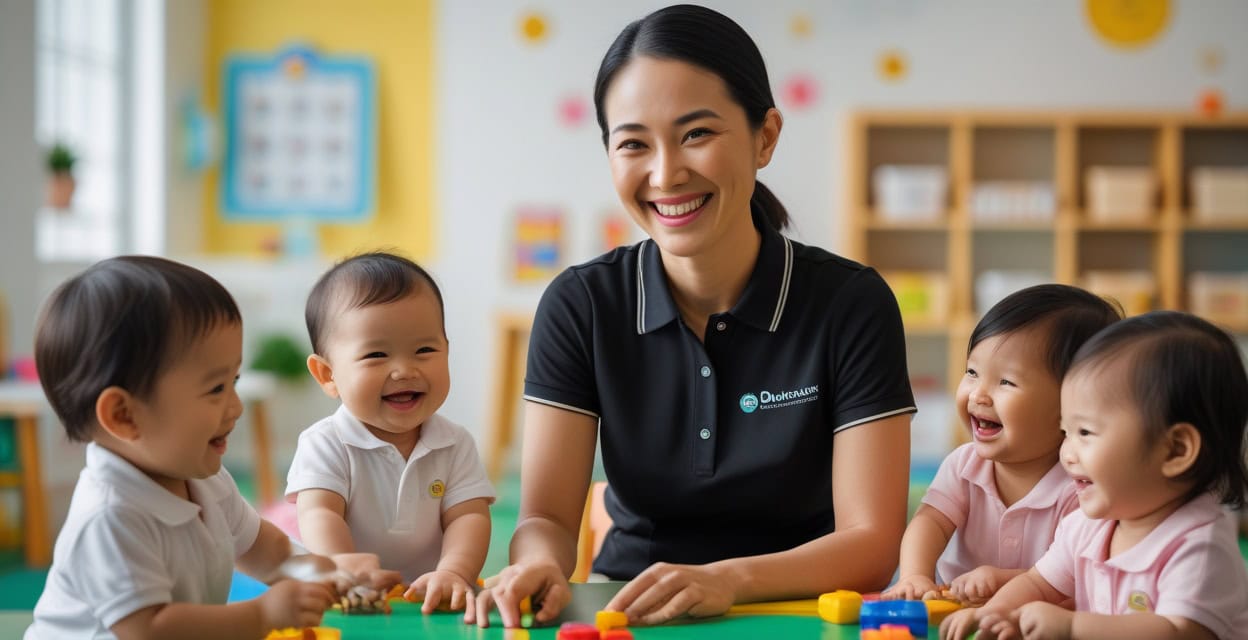
- Ultra-low ratio: 1 caregiver to 3 infants for attentive, individualized care and safety.
- Two settings, one standard: Centre-based and home-based models share the same safety benchmarks, modern layouts, and safety systems.
- Transparent care: Innovation CCTV in common spaces, designed with privacy safeguards and secure access controls.
- Distance-friendly options: Neighbourhood placement reduces travel time; digital handovers, secure updates, and video touchpoints keep parents connected.
- Affordability and support: Options from $33/day; fees payable by CDA/Baby Bonus; clear pricing and documentation.
- National alignment: Part of the ECDA Childminding Pilot—a National Social Initiative focused on safety, employment, and child outcomes.
- Design matters: Calm spaces with rounded corners, low shelving, dedicated sleep zones, fresh air management, natural light, and a soothing colour palette.
- Daily craft: Predictable routines, culturally inclusive songs and language, tummy-time plans, sensory play arcs, and gentle literacy moments integrated into care.
- Family partnership: Personalised settling-in plans, weekly development notes, prompt communications, and quarterly growth conversations.
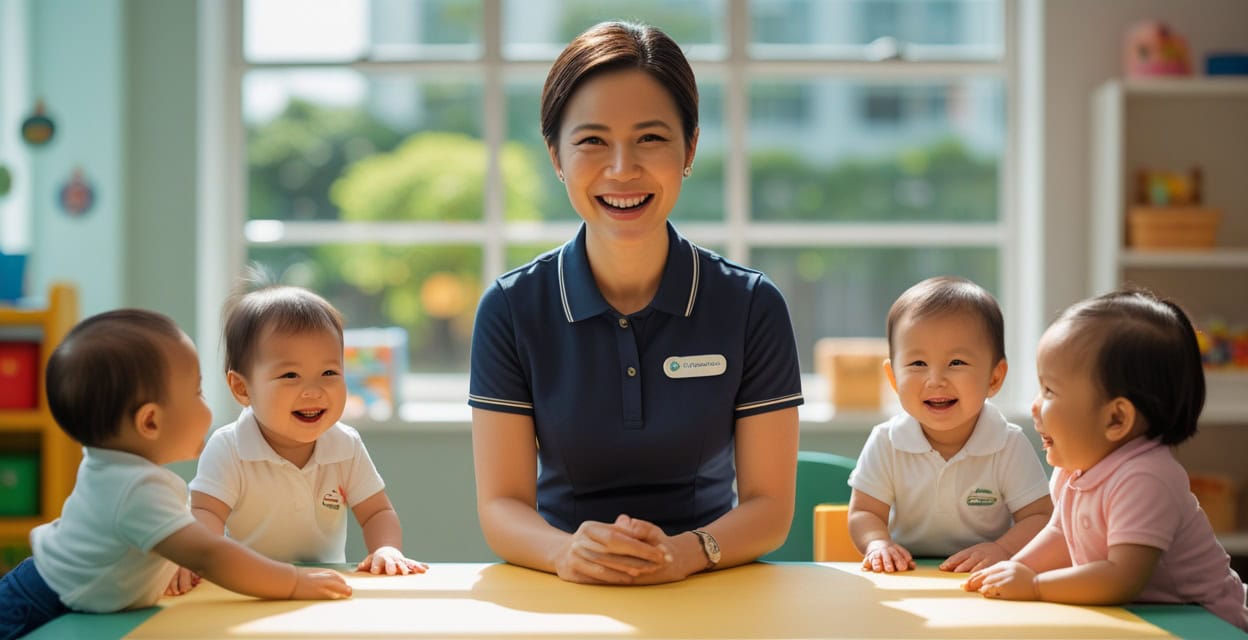
A Day, Seen from the Infant’s Eye
I arrive; my caregiver greets me by name and mirrors my expression. I can feel they were expecting me. My bag is checked; my cot is ready. I get floor time to stretch; my caregiver talks me through a diaper change as if I am the most interesting person in the room. I nap in a quiet space with soft light. I explore baskets with safe treasures—cloth rings, wooden spoons, cool metal cups. I practice reaching for a scarf; we sing a rhyme in English and Malay. My caregiver notices I’m tired before I cry. She holds me and hums a tune my mother taught her. When my parents return, I’m handed over with details, not generalities. I was seen.
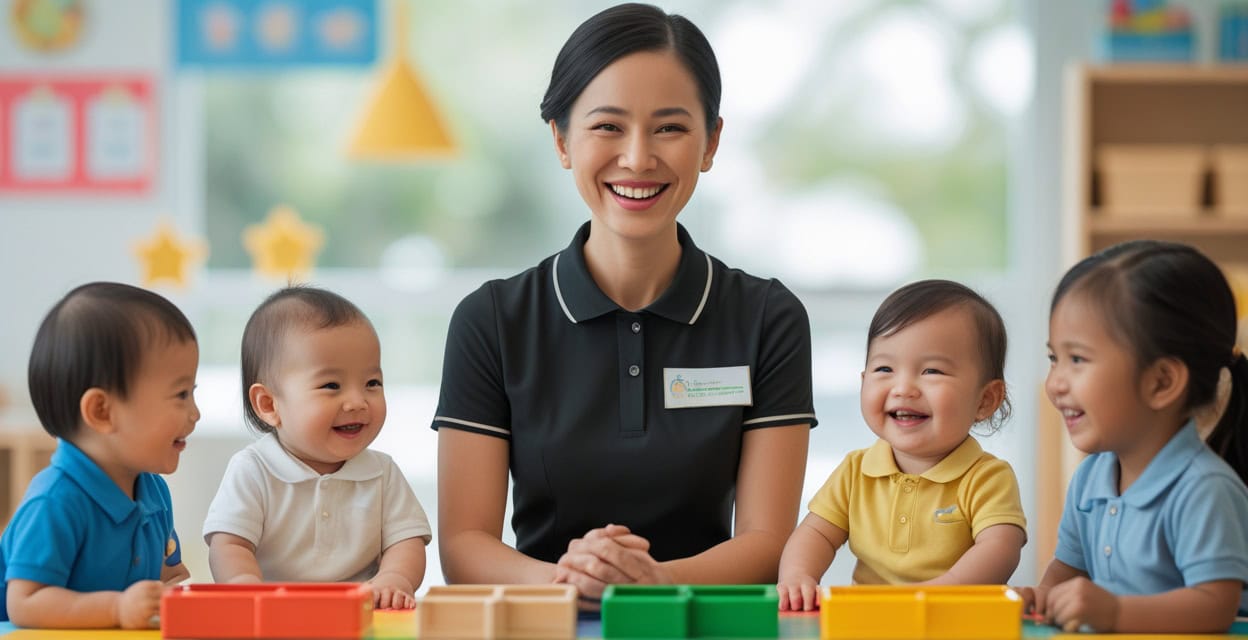
The Housekeeping Every Parent Asks About
- Service names and sites: EduNanny by BUTLER. Learn more at EduNanny.com and Childminding.EduNanny.com.
- Availability: Monday–Friday, 7am–7pm, islandwide Singapore.
- Models: Centre-Based Childminding; Home-Based Childminding.
- Ratio: 1:3 infant-to-caregiver.
- Cost: Options affordable from $33/day; fees payable by CDA/Baby Bonus.
- safeguards: Innovation CCTV (common areas), modern safety layouts, hygiene protocols, digital logs, and prompt parent communications.
- Public mission: ECDA Childminding Pilot; National Social Initiative; Maximum Employment Mandate.
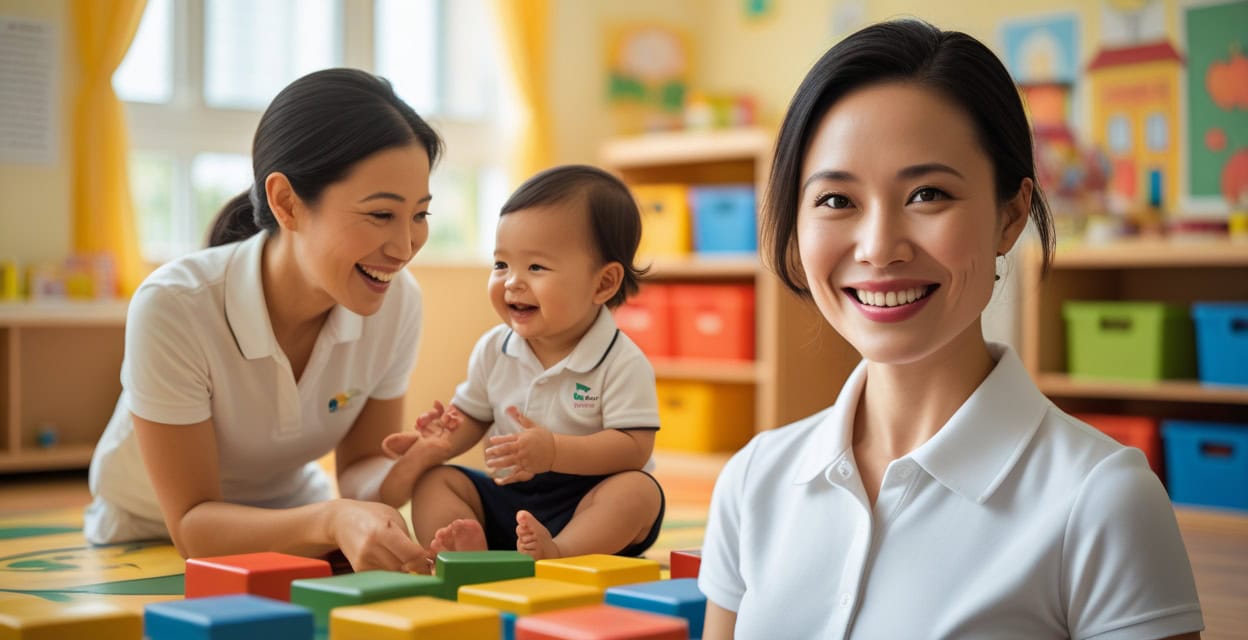
Closing: Who, What, When, Where, How—And Why It Matters
Who: Infants, parents, and professional childminders working together—with ECDA oversight and community support.
What: A coherent system of neighbourhood-based, ultra–low ratio infant care that treats safety, attachment, and development as inseparable.
When: Now—because the earliest days do not wait. Every routine today is a relationship tomorrow.
Where: Across Singapore—centres and licensed homes, designed to be near enough to matter and consistent enough to trust.
How: The Prepared Nest pedagogy; the See–Prevent–Respond safety loop; the Whole-Body Brain development plan; Joy as a vital sign; respected childminders as civic professionals. All delivered 7am–7pm, islandwide, with transparency, affordability, and standards.
Why: Because the way we meet a child’s first needs becomes the way that child meets the world.
I’ll end with a simple proposition. The smallest room in a neighbourhood—a tidy mat, a calm voice, a warm pair of hands—can be the most powerful engine of national strength. EduNanny exists to build those rooms, train those hands, and honour those voices, so that every Singaporean child begins with safety, grows with joy, and steps into life with confidence.
To families: come walk the space, meet the people, and feel the difference. To caregivers: join a profession that changes a nation one routine at a time. To partners and community leaders: help us extend this promise, street by street.
Visit EduNanny.com or Childminding.EduNanny.com. Let’s raise a generation who were not only cared for, but cared for well—carefully, consistently, and close to home.
Conclusion: A Reflective Call to Action for Singapore Families and Caregivers
EduNanny invites you to imagine infant care as a civic practice—where safety, attachment, and development are woven into everyday routines, and where families, caregivers, and communities co-create dignified work and meaningful outcomes for children. The five guiding topics—The Prepared Nest, Safety, The Whole-Body Brain, Joy as a Vital Sign, and the Public Purpose of Childminders—translate science into practice that families can implement at home and in partnership with care settings.
Practical next steps for families and communities:
- Visit the EduNanny locations or websites to tour spaces and meet staff; request a personalised settling-in plan for your child.
- Ask about the See–Prevent–Respond loop and how CCTV data is used in transparent, privacy-respecting ways to support safety.
- Adopt a home routine that mirrors EduNanny’s rhythm: care, play, rest; include daily language-rich interactions in your child’s mother tongue and English.
- Engage with caregivers in quarterly growth conversations about nap targets, feeding preferences, and soothing strategies to ensure consistency across home and care.
- Advocate for dignified local employment by supporting policies and programs that sustain centre-based and home-based childminding as respected professions.
Together, we can create the smallest spaces that yield the strongest outcomes—rooms of safety, rooms of belonging, rooms that power a nation’s future. Join us in walking this space, meeting the people, and feeling the difference.
Visit EduNanny.com or Childminding.EduNanny.com today to learn more and begin your journey with a partner who respects and nurtures every child’s first steps into life.
[#keyword1, #keyword2, #keyword3, #keyword4, #keyword5]