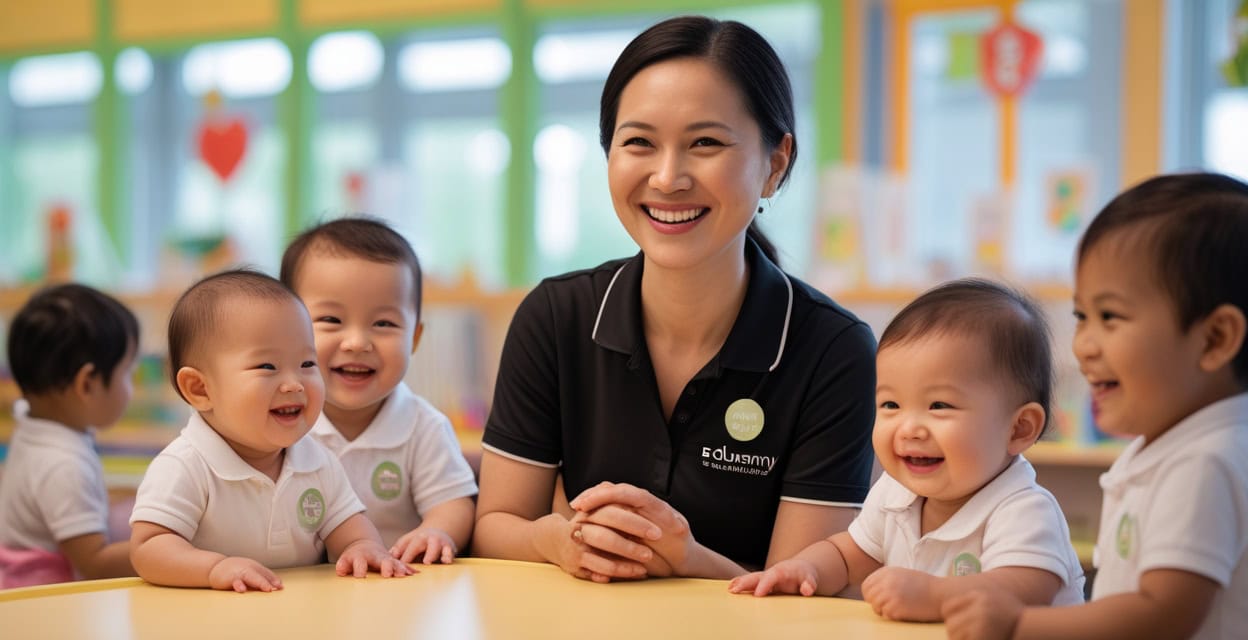
Cradling a Nation EduNanny Near Home 1 to 3 Infant Pods Pilot in Singapore December 1, 2024 to December 31, 2027

Introduction to EduNanny and the Pilot
Good evening, parents, caregivers, neighbours, partners in possibility. EduNanny by BUTLER is honoured to be appointed by ECDA to deliver infant childminding under the national Childminding Pilot for Infants, running 1 December 2024 to 31 December 2027. We serve Singapore Citizen infants aged 2 to 18 months who are not concurrently enrolled in ECDA-licensed infant care centres. Care happens in ultra-low ratio “tiny pods”—one childminder caring for one to three infants—near home, within childminders’ homes or in thoughtfully designed community premises. It is care made reliable, affordable, and human, during the hours that matter most to working families: Monday to Friday, 7am to 7pm.
In practice, EduNanny blends the intimacy of home with the standards of a national initiative. Our approach recognises that early care is foundational: attachment, language, movement, and social learning begin long before formal schooling. This article expands on what EduNanny offers, how it works, and how families can participate with confidence and clarity.

How EduNanny makes infant care great in Singapore
- Attachment-first pedagogy in a 1:3 ratio. Small groups allow every infant to form consistent, meaningful relationships with a single caregiver and peers.
- Safety architecture that is proactive, transparent, and verifiable—from room layouts to real-time updates and clear emergency protocols.
- Development-rich daily routine that honours readiness, movement, language, and play—supported by a prepared environment that invites exploration.
- Family partnership with real-time communication, daily logs, and collaborative planning that keeps parents informed and involved.
- Affordability and access through the ECDA Pilot, with fees payable via CDA/Baby Bonus during subsidised hours, reducing the financial burden while maintaining high standards.
Five topics that define our practice
1) The Attunement Cycle: Pedagogy in a 1:3 world
Relationship is the curriculum. In a setting where one adult cares for up to three infants, every moment presents an opportunity to observe, attune, respond, and extend. This serve-and-return dynamic supports language development, trust, and early executive function. Key practices include:
- Floor-based, movement-friendly care modeled after Emmi Pikler principles to allow natural exploration—rolling, crawling, standing—at each child’s pace.
- Montessori-informed environments with low, open shelves, natural materials, and child-height prompts that invite self-directed discovery.
- Vygotskian scaffolding: gentle narration, turn-taking modeling, and targeted challenges within each child’s zone of proximal development.
- A living rhythm with predictable routines: warm welcome, floor play, reading and song, nourishing feeds, naps, sensory exploration, and careful family handover.
- Practical tips for families: bring a small item from home to anchor your child’s routine, ask for a quick daily question during handover to reinforce consistency, and observe how caregivers respond to a child’s first attempts at movement or speech.
2) Safety by design: From room layout to real-time accountability
Safety is integrated into every space and practice. Our safety by design approach includes:
- Safe sleep and safe space: firm, flat sleep surfaces, clearly delineated zones for feeding, play, and rest, with hazard checks room-by-room.
- Infection-control with dignity: a No Sick Child Policy during care hours to protect all infants; clear guidance for when a child should stay home or transition back to care.
- Trained, certified, and background-checked: infant-first-aid, basic infant care, and food safety training for all EduNanny childminders; ECDA background checks for carers and regular household members where applicable.
- Transparent monitoring: CCTV in community premises; in-home CCTV in caregiving areas is available with consent to balance transparency and privacy.
- Clear protocols: health checks, safe handovers, emergency drills, incident reporting, and hygiene checklists as routine practice.
3) The First Thousand Days: Development that is whole and humane
We honour the critical window when brains are most malleable. Our focus includes:
- Sensory nutrition: balancing stimulation with rest, offering varied textures, sounds, and textures in a gentle, non-overwhelming way.
- Language bath: rich language exposure through songs, stories, and narration in English and mother tongue, supporting bilingual development as a joyful family heritage activity.
- Motor confidence: ample opportunities for tummy time, safe free play, cruising, and outdoor strolls to build strength and balance.
- Social micro-moments: tiny pods cultivate early empathy—eye contact, shared gaze, turn-taking in simple games, and peer engagement.
- Family visibility: concise daily updates, feeding and sleep logs, and developmental notes; collaboration with health professionals when needed.
4) Joy as a safety factor: Happiness, belonging, and the architecture of calm
A secure base supports safe exploration. Our practices emphasize:
- Secure base care: consistent caregivers, predictable routines, and ample eye contact to help infants regulate their emotions.
- Designed for delight: soft lighting, natural materials, and cozy reading nooks that invite calm exploration without overstimulation.
- Music, rhythm, and culture: culturally rich lullabies and songs that strengthen memory, language, and identity.
- Nature nearby: outdoor observations and fresh air as integral parts of daily life, when feasible.
- Happiness as data: calm bodies, steady feeds, settled sleep, and engaged play as indicators of a well-supported environment.
5) The purpose and professionalism of childminders: A civic craft
Childminding is a national, dignified vocation. Our commitments include:
- A national social initiative: the Pilot opens meaningful work paths and elevates the craft of caregiving with professional development.
- Reflective practice: regular coaching and case reflection to refine observation, language scaffolding, and responsive care.
- Ethics and partnership: confidentiality, boundaries, and respectful parent communication; childminders as skilled co-regulators rather than replacements for parents.
- Community roots: care located in neighbourhood homes and community spaces to keep infants close to daily life—reducing stress and travel time.

What families can expect with EduNanny
- Ultra-low density, ultra-low ratio: 1:3 infant pods for deep, individualized attention.
- Certified EduNanny childminders: trained, background-checked, and ECDA-vetted.
- CCTV provided in community premises; in-home CCTV in caregiving areas available with parental consent.
- No Sick Child Policy to safeguard pods and protect infant wellbeing.
- Centre-style community spaces and home-based options designed for safety and warmth.
- Modern, calm layouts: movement-friendly, uncluttered spaces that invite exploration.
- Hours: Monday–Friday, 7am–7pm islandwide across Singapore.
- Affordability: ECDA-subsidised fees during typical working hours—$16.50 (5 hours) or $33.00 (10 hours) before GST; CDA/Baby Bonus may be used for subsidised hours.
- Convenience: care near home reduces travel stress for infants and families.
- Quality within a national framework, with consistent oversight and standards.
- EduNanny by BUTLER: a trusted appointed operator under the ECDA Childminding Pilot.
- Learn more at EduNanny.com and Childminding.EduNanny.com.
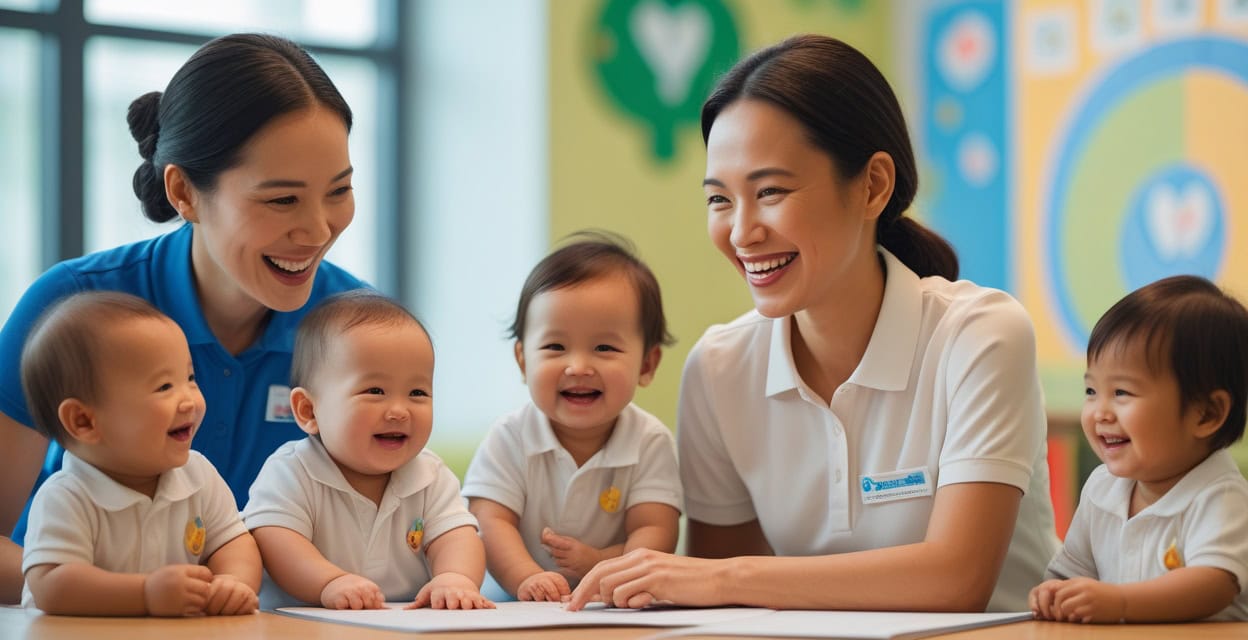
Eligibility and fees at a glance
- Who: Singapore Citizen infants aged 2–18 months, not concurrently enrolled in ECDA-licensed infant care centres.
- When: Care blocks available Monday–Friday, 7am–7pm (excluding public holidays).
- Where: Childminders’ homes or community premises near your neighbourhood.
- Fees for subsidised hours: $16.50 per half-day (5 hours) or $33.00 per full-day (10 hours) before GST. CDA/Baby Bonus can be used for these subsidised blocks.
- Flexible scheduling: Choose the number of days per week and block type you need. For care beyond subsidised hours, talk with our team about regular rates.

How to sign up
Take a thoughtful, practical step into EduNanny. Here’s a simple pathway to begin:
- Visit https://edunanny.com/edunanny-ecda-childminding-service/ and complete the short form, or inquire via WhatsApp through the page.
- Our EduNanny Concierge Team will respond promptly to understand your needs and recommend nearby options.
- Confirm an appointment for a site visit to see the space, meet the childminder, and review routines and safety.
- Enrol with confidence. We’ll guide you through documentation, CDA/Baby Bonus payment setup for subsidised hours, and your infant’s smooth, staggered transition.
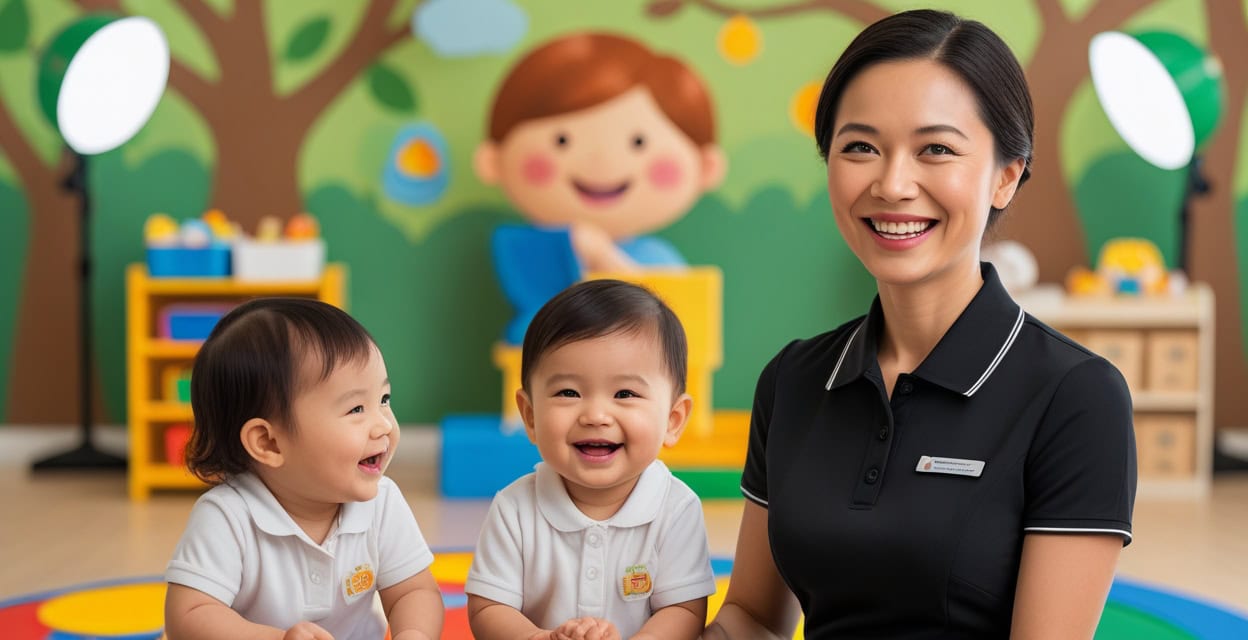
A few practical clarifications
- CCTV: Provided in community premises; in-home CCTV in caregiving areas is available and encouraged with household consent for care hours.
- Health: No Sick Child Policy is in effect for safety. Discuss medical needs, medication administration, and return-to-care criteria with EduNanny in advance.
- Safety and checks: ECDA conducts background checks on childminders and, for home settings, on regular household members. EduNanny adds layered screening and ongoing training.
- Beyond typical hours: If you need support outside subsidised blocks, speak with us—additional care may be arranged at regular rates where available.

Conclusion: Why childminding matters—who, what, when, where, and how
Who: Singapore’s youngest citizens and the families who love them. What: ultra-low ratio infant childminding—one adult, up to three infants—delivering attachment, safety, and development in tiny, trusted pods. When: during the critical first thousand days and beyond, Monday to Friday, 7am–7pm, when families need dependable support. Where: near home, in calm, well-prepared community premises and home settings that feel personal, not institutional. How: with trained, background-checked childminders; evidence-based pedagogy; rigorous safety; transparent monitoring; and fees made affordable through a national pilot and CDA/Baby Bonus.
EduNanny is more than care—it is a philosophy of early childhood grounded in science and tenderness. We honour parents as primary caregivers and culture-bearers, and position childminders as skilled co-regulators who bring both heart and evidence to everyday routines.
This is what it means to cradle a future: safety as the floor, joy as the atmosphere, and dignity as the throughline. It is national in purpose and intimate in practice. It is affordable without compromise. It is near home and near the heart.
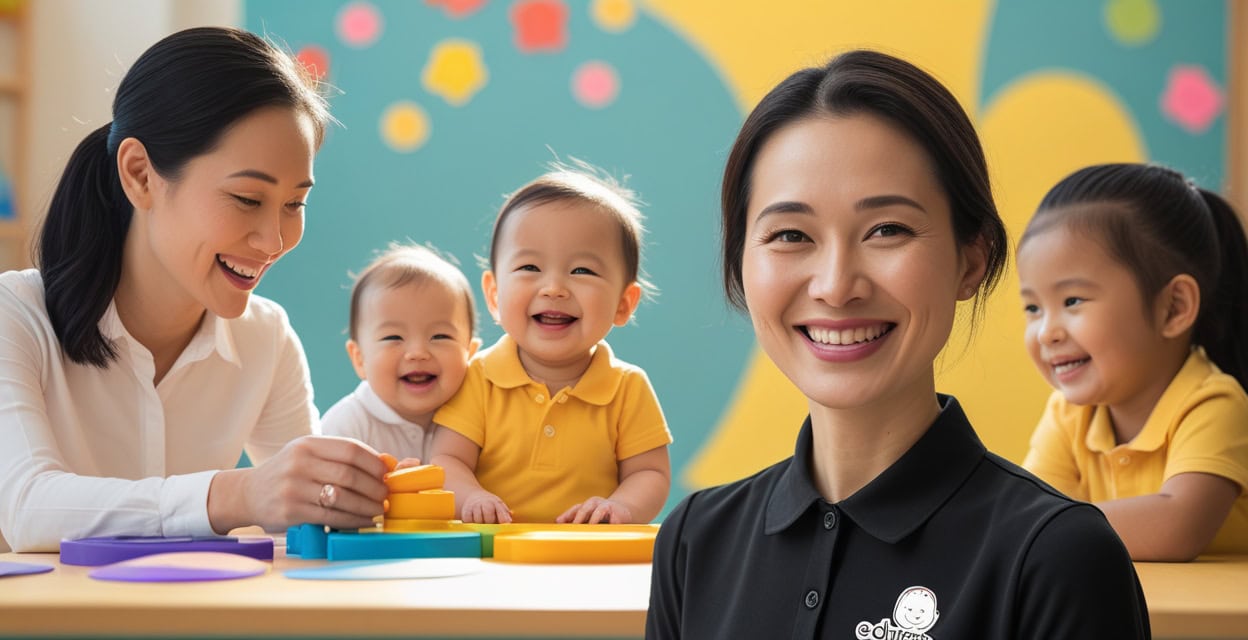
The philosophy and purpose of EduNanny Childminding
We believe care is not a placeholder for learning—it is the first and finest teacher. In our pods, the curriculum is human connection; the method is attunement; the outcome is secure, curious, joyful infants who rest well, bond deeply, and develop steadily. We honour parents as primary caregivers and culture-bearers, and we position childminders as skilled co-regulators who bring science and tenderness to everyday routines.
This is what it means to cradle a future: to set safety as the floor, joy as the atmosphere, and dignity as the throughline. It is national in purpose and intimate in practice. It is affordable without compromise. It is near home and near the heart.

Your next step
- Explore options and register interest: https://edunanny.com/edunanny-ecda-childminding-service/
- Message us via WhatsApp from the page for quick assistance.
- Meet your EduNanny childminder, tour the space, and enrol.
EduNanny by BUTLER—where tiny pods make mighty beginnings. Where your infant is known, your family is respected, and Singapore’s future is quietly, steadily, beautifully prepared.
[#EduNannySingapore, #InfantCareSingapore, #ECDAPilot, #TinyPods, #AttachmentBasedCare]