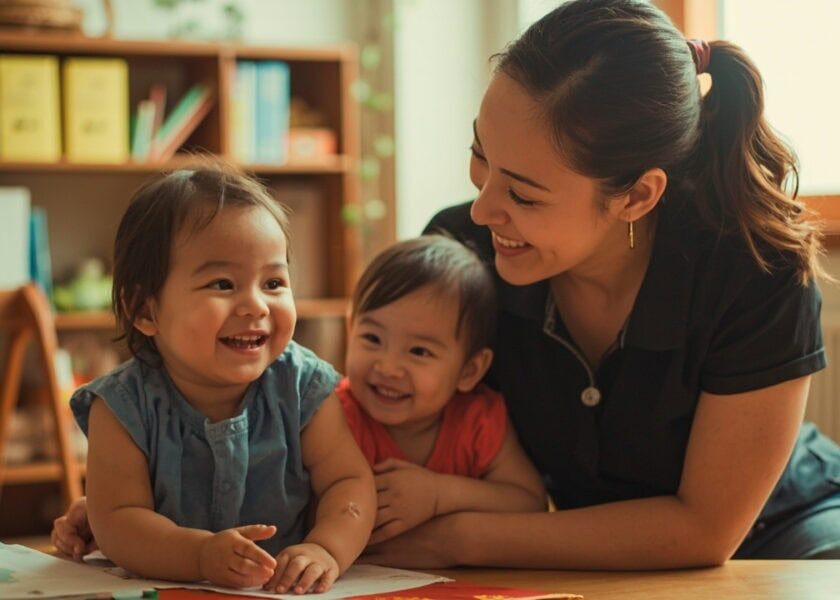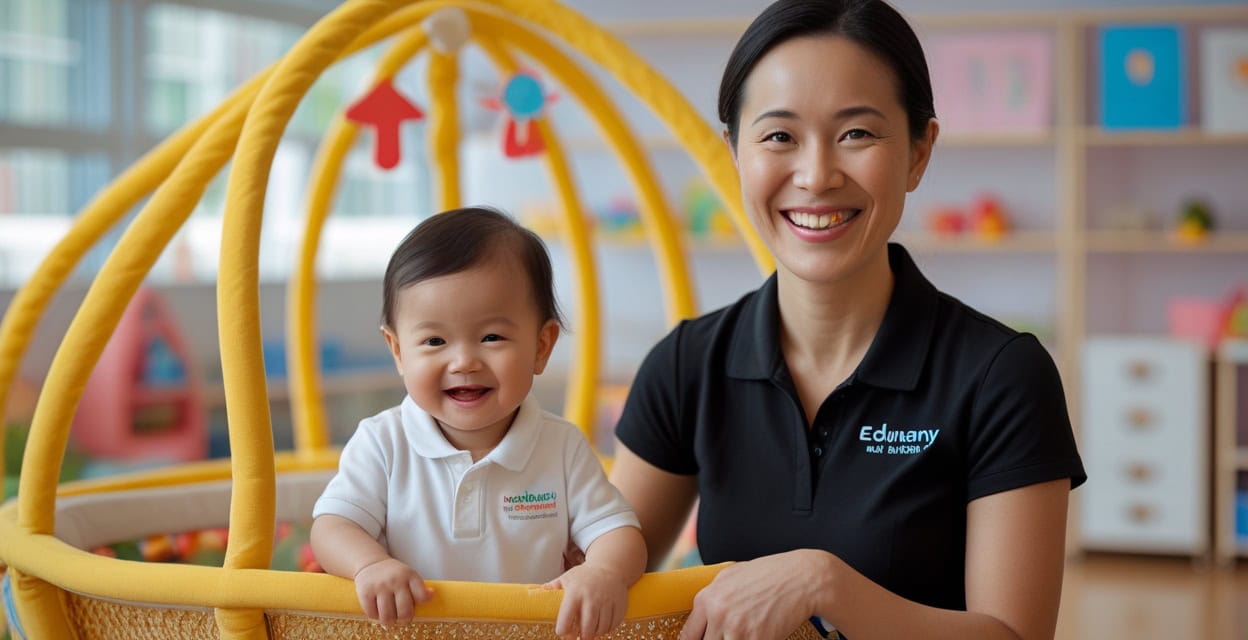
Cradling a Civic Future A Promise of Safe Joyful Infancy by EduNanny and BUTLER in Singapore
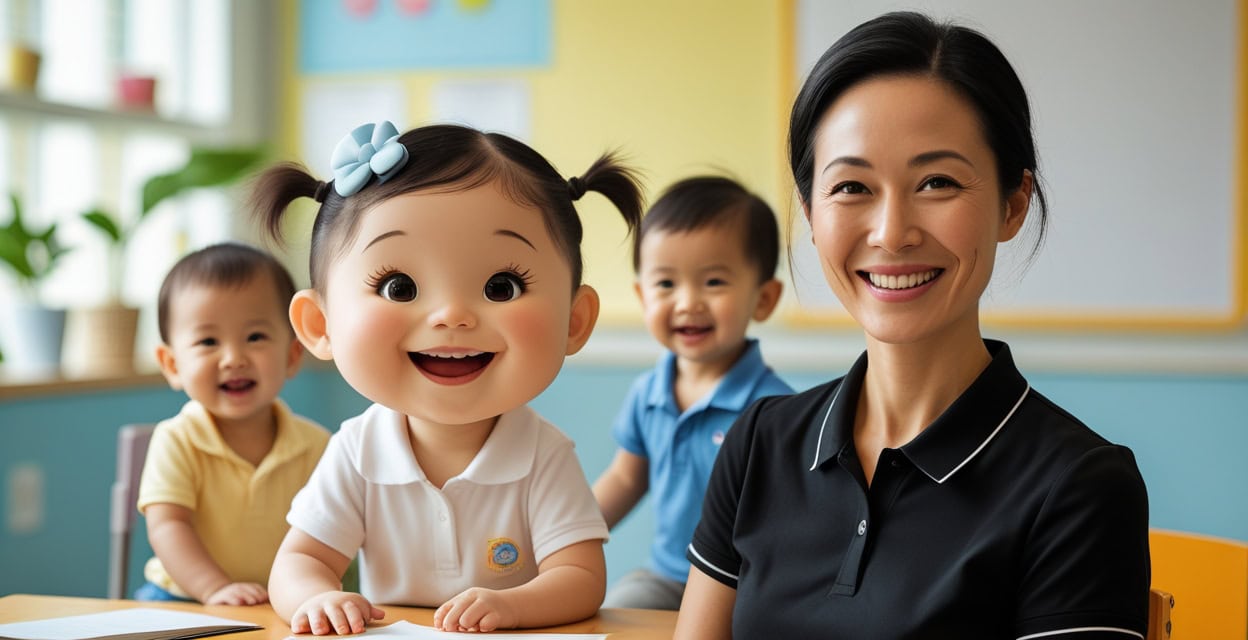
EduNanny by BUTLER: A Civic Promise for Singapore’s Infants
Thank you for giving your attention to the smallest citizens among us. I speak for EduNanny by BUTLER, not as a company selling care, but as a civic promise made practical: a way to bring excellence, trust, and joy into the ordinary minutes of an infant’s day—near your home, on your street, within your community.
Allow me to begin with a simple proposition. Early care is not a waiting room for childhood. It is childhood. The first smiles, the first turn of the head toward a familiar voice, the first wave of the arms toward a caregiver who truly sees them—these are not small moments. They are the architecture of a life. EduNanny exists to ensure those moments are safe, attuned, and beautifully scaffolded for every infant in Singapore.
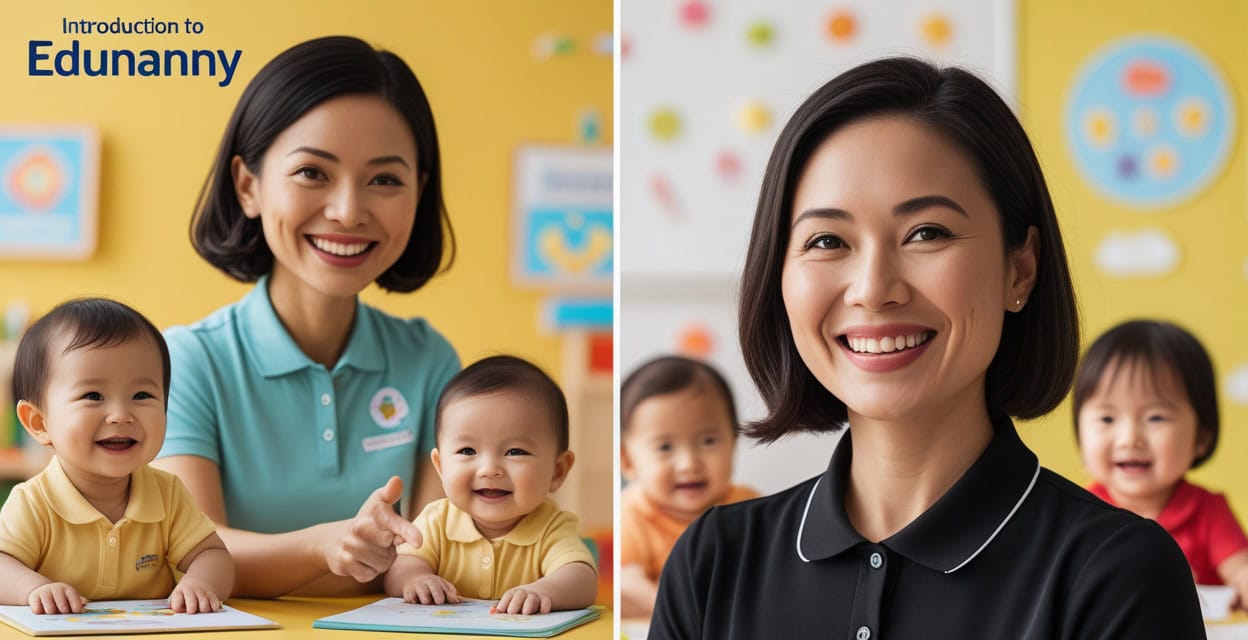
Introduction to EduNanny
EduNanny is a national social initiative with a clear, measurable standard for infant care and childminding. We operate centre-based, home-based, and distance-supported childminding across neighborhoods, grounded in evidence and delivered with human warmth. We stand on the shoulders of Montessori’s respect for the child, Piaget’s stages of discovery, Vygotsky’s guided participation, Pikler’s freedom of movement, Bowlby’s secure attachment, and Erikson’s first tasks of trust and autonomy—translated into daily practice that fits Singaporean life.
Our approach is designed to be practical for families: predictable routines, accessible support, and a professional workforce that grows with the needs of communities. The aim is not abstract theory, but everyday outcomes—cries transformed into confident exploration, routines that feel like home, and learning that begins long before words are spoken.
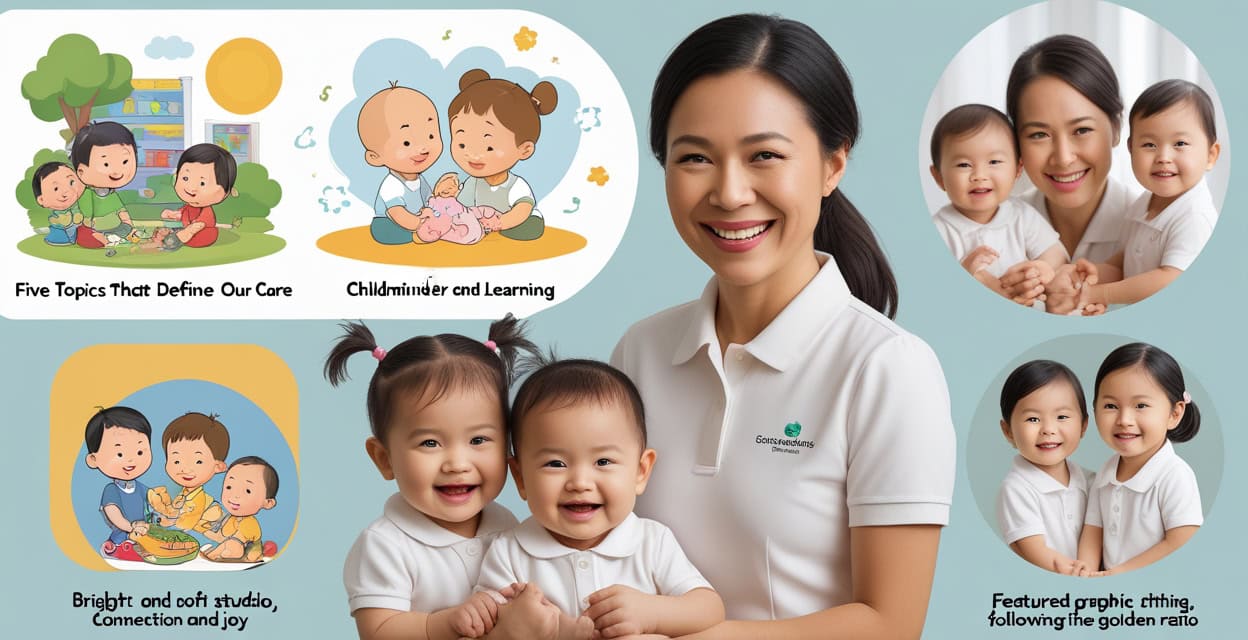
Five Topics that Define Our Care
1) Pedagogy of Proximity: How infants truly learn
- Ultra-low ratios drive real learning. With an intentional 1:3 infant-to-educator ratio, caregivers can respond to cues in real time—eye contact, babble turn-taking, and gentle movement invitations that build neural connectivity and secure attachment.
- Attuned micro-pedagogy. Name what the infant is doing, extend by one step, then pause for their response. This is Vygotsky’s usable zone in a cradle: responsive, respectful, and never rushed.
- Freedom of movement as curriculum. Spaces are designed to encourage rolling, reaching, cruising, and climbing in safe progression, honoring Pikler’s insight that infants flourish when their bodies lead the learning.
- Language as the bloodstream of learning. Narrate caregiving moments, sing in familiar home languages, and use picture prompts and labeled baskets so words and worlds connect naturally.
- Practical actions for families. Try a daily “narrate-and-respond” routine at home: describe your baby’s actions, ask a gentle question, and wait for a response. Keep sessions short, frequent, and joyful to reinforce trust and curiosity.
2) Safety as a System, not a sticker
- Design for safety from dawn to dusk. Safe sleep checks, hazard-mapped spaces, and clearly marked entry points create a day that feels secure from the first wake-up to the last cuddle.
- Transparency without intrusion. Modern layouts emphasize sightlines, fresh air, and easy movement; CCTV is used to support coaching and reflection, not to police behavior.
- Standardized health and emergency readiness. Daily health protocols, allergy management, and drills are embedded across sites—centre and home alike—so families know routines will be consistent wherever care happens.
- Structured rhythms that protect physiology. A 7am–7pm rhythm reduces handover stress and stabilizes infant routines, promoting better sleep, digestion, and emotional balance.
- What parents can look for. Ask about sleep policies, caregiver-to-infant ratios, emergency procedures, and how safety features are explained to families (without compromising privacy). Look for evidence of training, certifications, and regular safety audits.
3) Developmental Rhythm: The Singapore Infant Learning Arc
- Nourishment, movement, meaning—organized daily. A gentle triad guides routines: responsive feeding, unhurried floor time for gross motor growth, and rich sensory-social experiences that anchor memory.
- Five Senses Stewardship. Curated textures for touch, natural light and high-contrast corners for sight, safe scent neutrality, rhythmic music for hearing, and careful taste progression within feeding plans.
- Culture-forward learning. Lullabies, simple bilingual picture books, and locally relevant finger plays help infants build identity through rhythm and repetition.
- Observation as the engine of intervention. Caregivers track micro-milestones—grasp, gaze, pivot, response—and tailor next steps. No race. No rush. Just steady invitations to explore.
- Practical home applications. Create a simple daily rhythm at home: a short morning song, a sensory moment with safe textures, and a language-rich book moment before naps.
4) Happiness that can be measured—and felt
- Joy through calm confidence. We monitor “calm-and-curious” indicators—steady breath, engaged gaze, relaxed hands, and smooth transitions—to confirm infants feel safe enough to explore.
- Gentle transitions that honor predictability. Caregivers announce changes, invite participation, and preserve familiar objects so the infant always knows what comes next and who will be there.
- Family partnership as daily practice. Parents receive a clear, daily narrative of care: sleep and feed logs, learning moments, and photos where permitted. CCTV is used with privacy in mind to foster trust and collaboration.
- Your home, your rhythm. Transpose the living curriculum into home life with simple routines—regular cuddle times, naming words during play, and reflective observation after day-end routines.
5) The Purpose and Profession of Childminding
- Childminders as national educators. They are the first public educators of a nation’s humanity, deserving of craft, judgment, and dignity.
- Professional growth paths. Apprenticeships, reflective supervision, on-the-job coaching, and video reflection support continuous professional development and peer learning.
- A maximum-employment mandate that strengthens communities. Stable roles with training and advancement expand local webs of care and build trust within neighborhoods.
- Respect equals protection. When caregivers feel respected, children feel protected. This is how trust becomes a system, not a slogan.
- Practical advice for aspiring caregivers. Seek programs with supervised practice, mentorship, and ongoing feedback. Ask prospective centers about coaching culture, opportunities for advancement, and how they measure caregiver wellbeing and child outcomes.
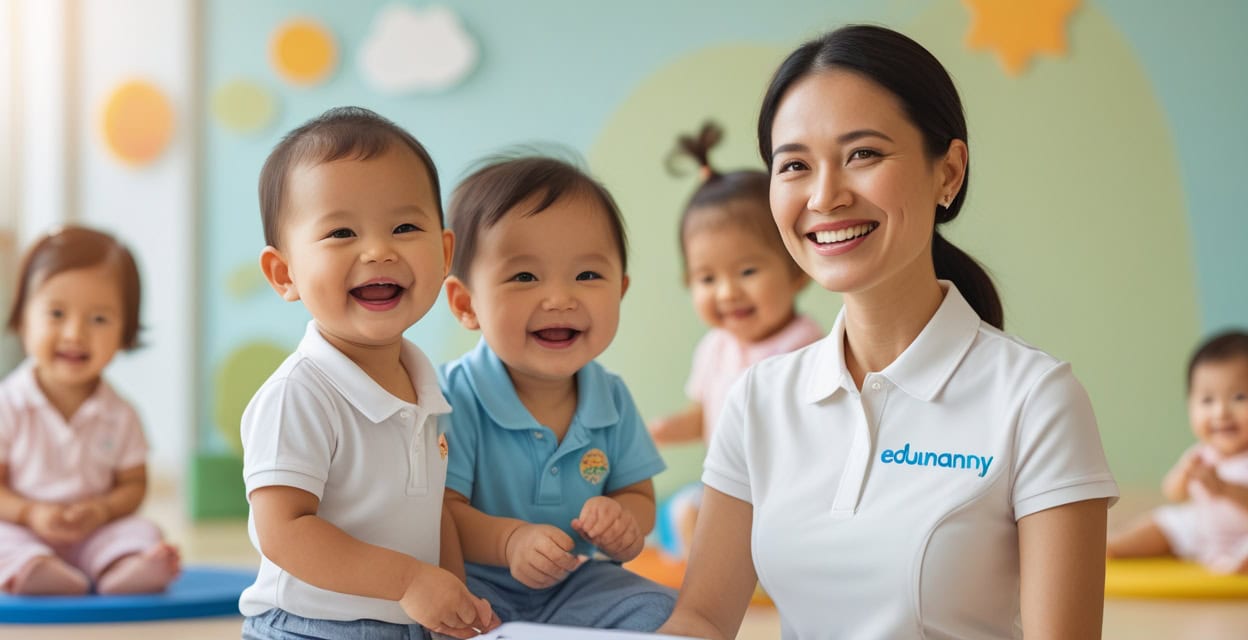
What Makes EduNanny Work for Singapore Families
- Excellence and quality, without compromise. A standard that travels with you—from home to centre to community-based care.
- Modes to fit lives. Centre-based, home-based, and distance-supported care—so families can choose the mode that fits their lives and preferences.
- Open hours that align with working families. Monday to Friday, 7am to 7pm islandwide, providing predictability and routine for infants and parents alike.
- Nearby, familiar premises. Care that sits in communities—near home, near family networks, near trusted neighbors.
- Ultra-low ratios and transparency-tools. A 1:3 infant-to-educator ratio and innovative CCTV designed for transparency and educator coaching, with privacy safeguards in place.
- Modern, thoughtful spaces. Light-filled layouts, hazard mapping, and design that supports movement, language, and rest.
- Affordability and access. From about $33/day, with fee support through CDA/Baby Bonus to ease paths to high-quality care.
- Policy alignment and public collaboration. Part of ECDA’s Childminding Pilot, working with national standards to uplift quality and widen access.
- Professional care, local impact. A Maximum Employment Mandate to create dignified, skilled roles across neighborhoods.
- Simple next step. Learn more or enroll at EduNanny.com and Childminding.EduNanny.com to explore near-you options and begin your journey.

How EduNanny Makes Infant Care and Childminding Great in Singapore
- Proximity-first care. Near-home care builds daily reliability, strengthens parent–caregiver bonds, and invites community participation.
- Safety anchored in design. Space planning, routines, safe sleep, and oversight create a quiet backbone to every day.
- A living curriculum. Observation drives action; each infant’s plan evolves as they grow—no one-size-fits-all scripts, only personalized paths.
- Culture as a foundation. Familiar words, songs, and rituals help infants build identity, belonging, and trust in their own environment.
- Scale with heart. Quality at scale means consistency of attentiveness and outcomes—care you can feel and evidence you can see everywhere.
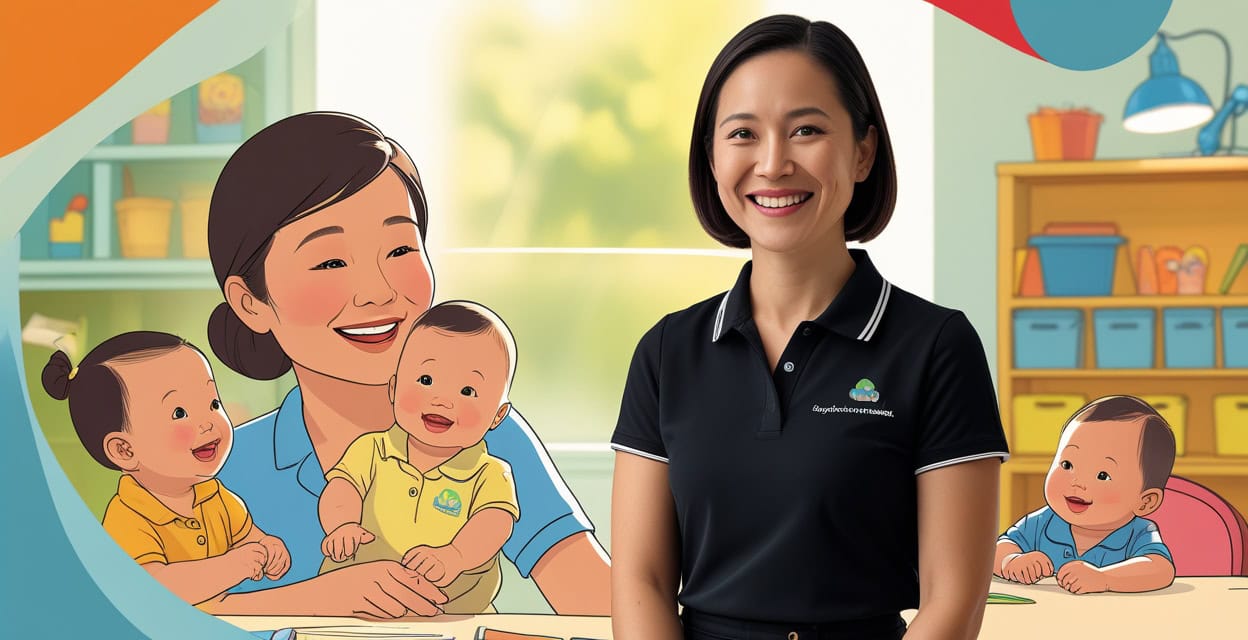
A Concluding Call: Why Childminding Matters—and Why Now
- Who. Infants, parents, childminders, and the neighborhoods that hold them.
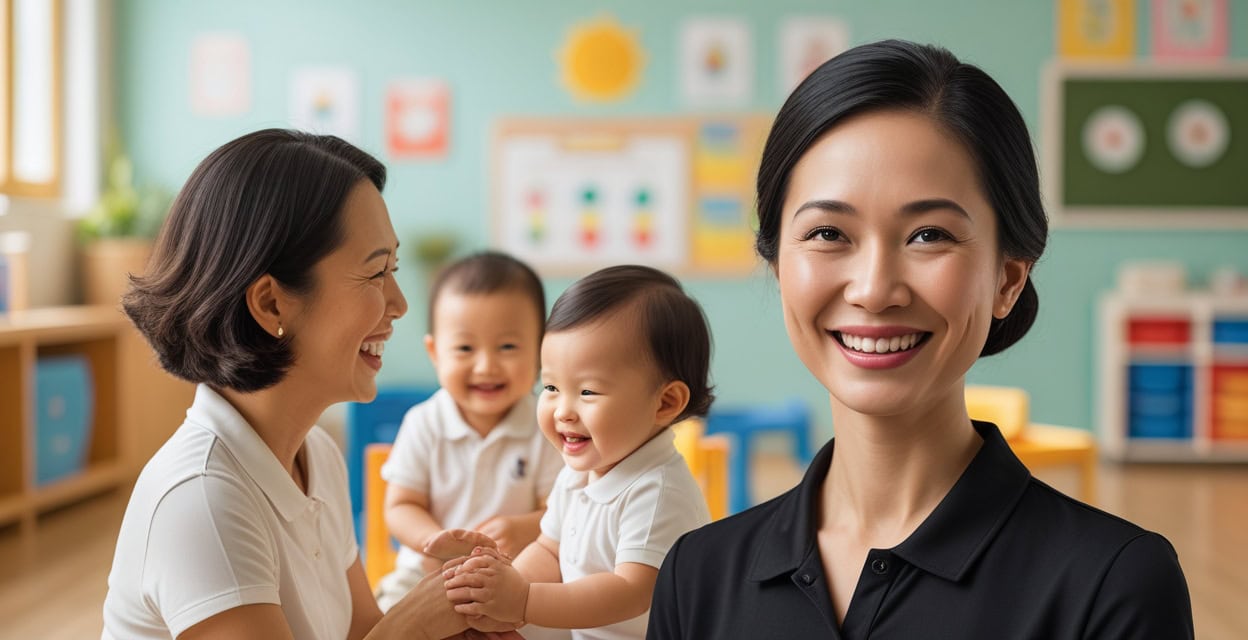
- What. Dependable, safe, attuned care—three seats in a small circle of trust, where a child is known by name and need.
- When. In the first thousand days and in the ordinary hours of the week—Monday to Friday, 7am to 7pm—when routines shape body and brain.
- Where. In homes and centres across Singapore—close enough to walk, near enough to belong.
- How. With a 1:3 ratio, safety-by-design, a living curriculum, professional childminders, modern layouts, secure oversight, and a public ethic that says quality must be both excellent and affordable.
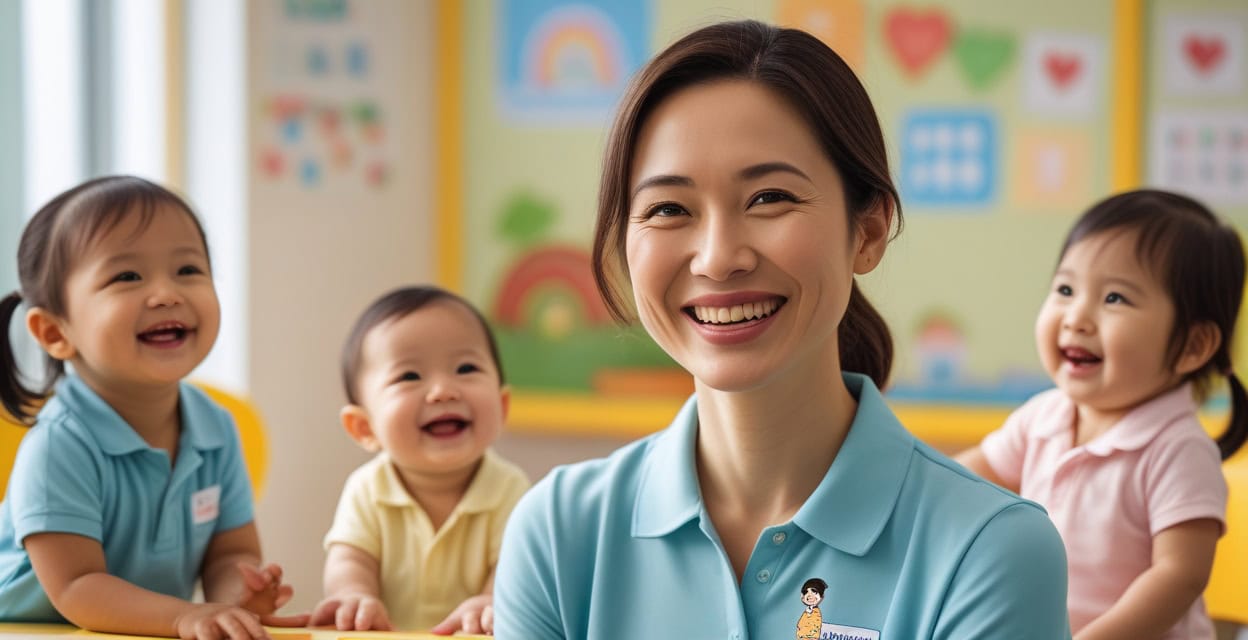
The Philosophy of EduNanny
Infants deserve adults who notice. Parents deserve partners who listen. Childminders deserve a profession that honors their craft. Communities deserve care that strengthens social fabric, one household at a time. When we deliver that—consistently, humbly, every day—Singapore’s future grows sturdier and kinder.
Conclusion
EduNanny invites you to see how a small, steady circle of care can transform your child’s day. For aspiring childminders, it offers a profession that is meaningful, supported, and publicly valued. For policy partners, it provides a model of care that aligns with national goals—quality, accessibility, and social cohesion. To learn more, enroll, or join the profession, visit EduNanny.com and Childminding.EduNanny.com. Let us build a nation where the first care is the best care—routinely, reliably, and with joy.
Visit EduNanny.com and Childminding.EduNanny.com to enroll, to learn, or to join the profession.
[#SingaporeInfantCare, #EduNannySingapore, #ChildmindingSingapore, #EarlyChildhoodDevelopment, #MontessoriBasedCare]