How to Connect With a Baby Who Is Not Making Eye Contact
Use one safe everyday object to follow your baby’s focus, respond briefly to a sound, look or movement, and leave room for their next contribution, even without direct eye contact.

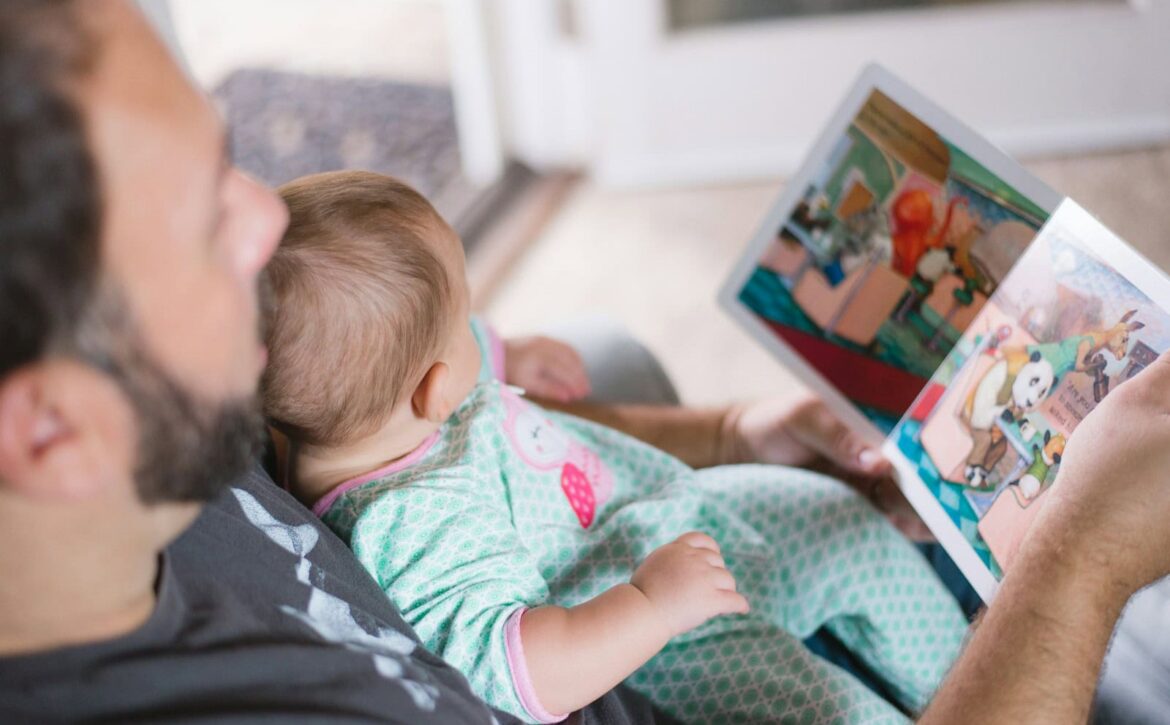
Use one safe everyday object to follow your baby’s focus, respond briefly to a sound, look or movement, and leave room for their next contribution, even without direct eye contact.
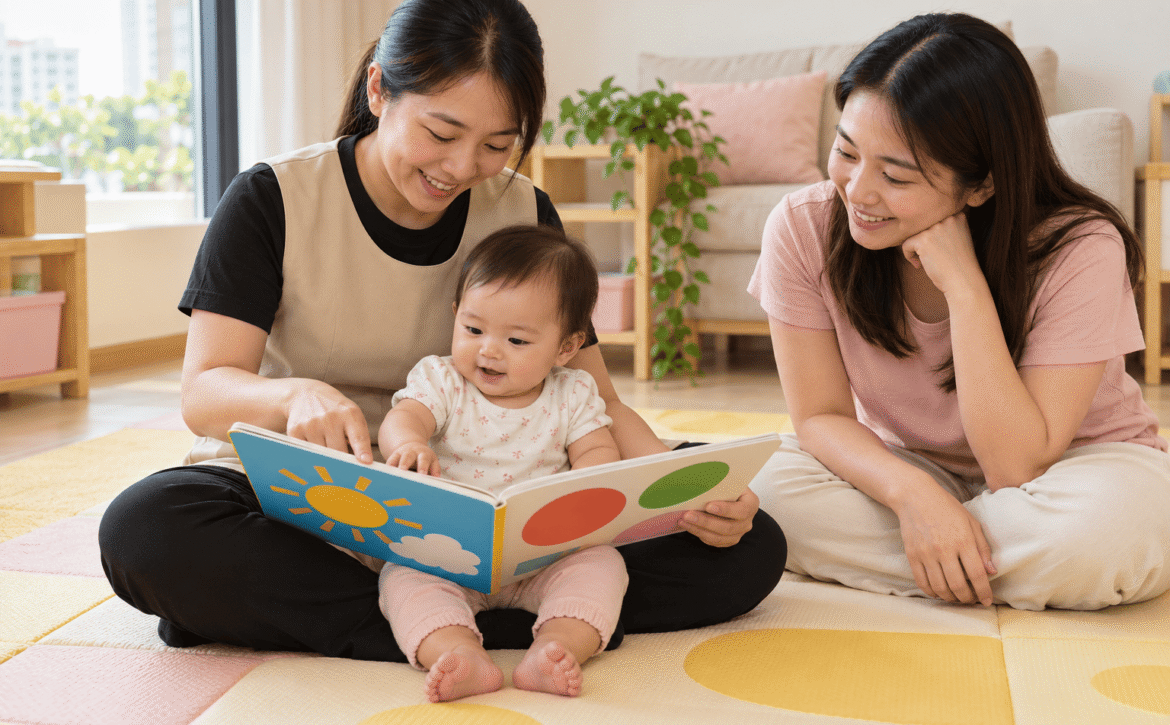
A useful caregiver handover separates confirmed care details from family observations, then uses four clear fields to share tried approaches, open questions and agreed check ins.
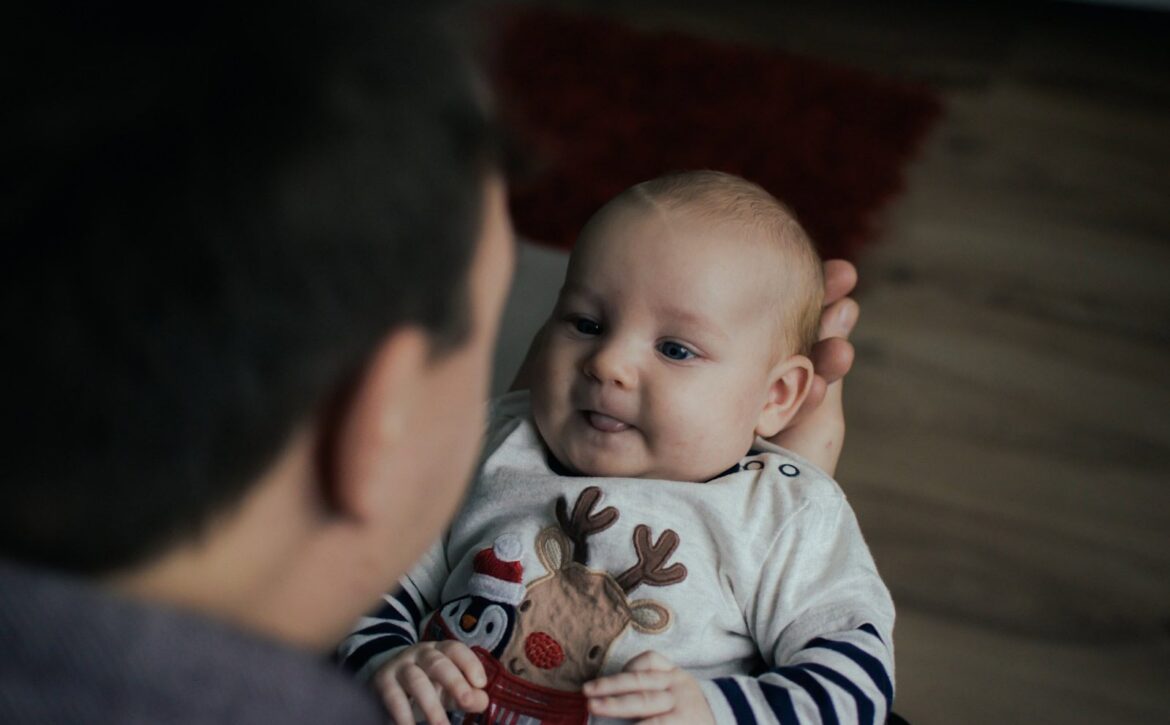
A shared care brief works best as a starting point, not a set of instructions. Learn how to record one infant cue, the response that helped and what another caregiver should notice next.
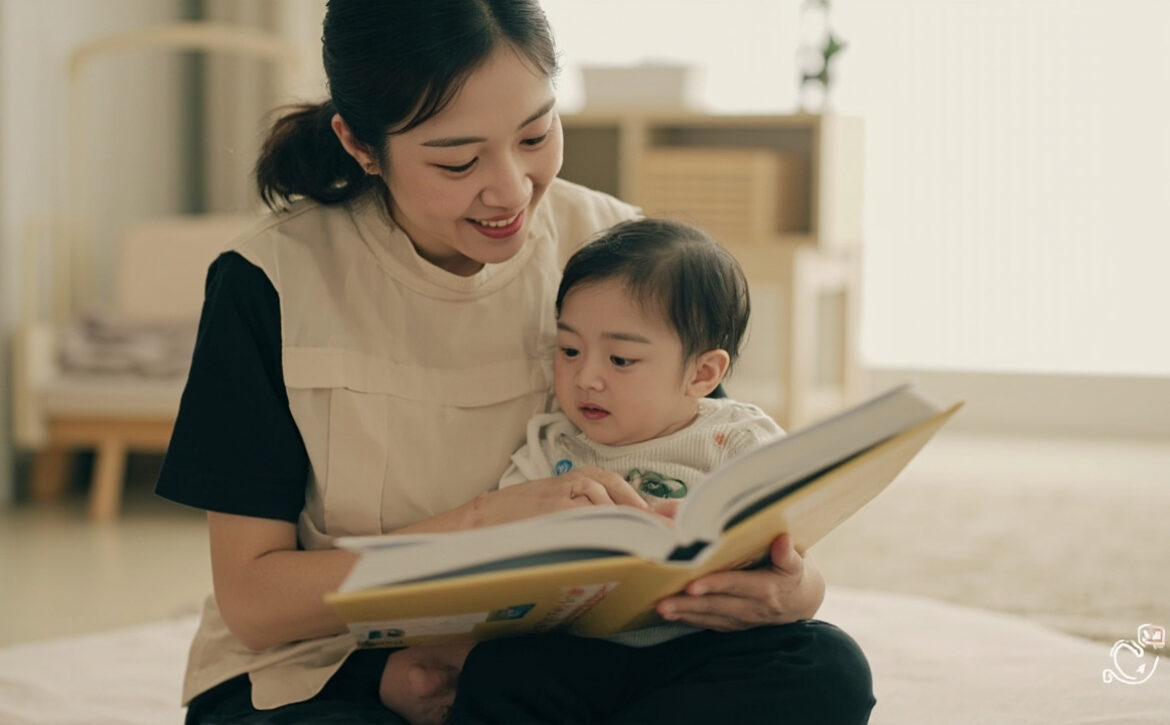
A familiar object, one short phrase and a calm pause can give caregivers one shared way to begin winding down from play while keeping your baby’s response at the centre.
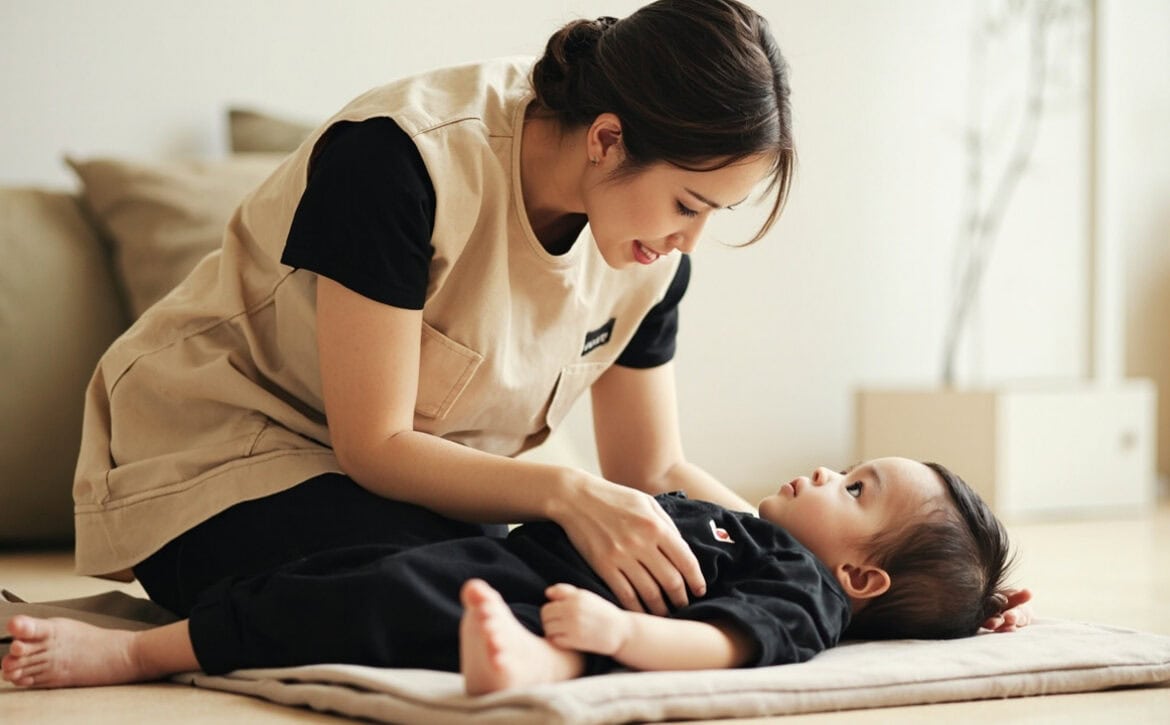
Your newborn does not need a separate language lesson or a perfect reply. A few relevant words, a short pause and an honest response during care are enough to create a warm conversational rhythm.
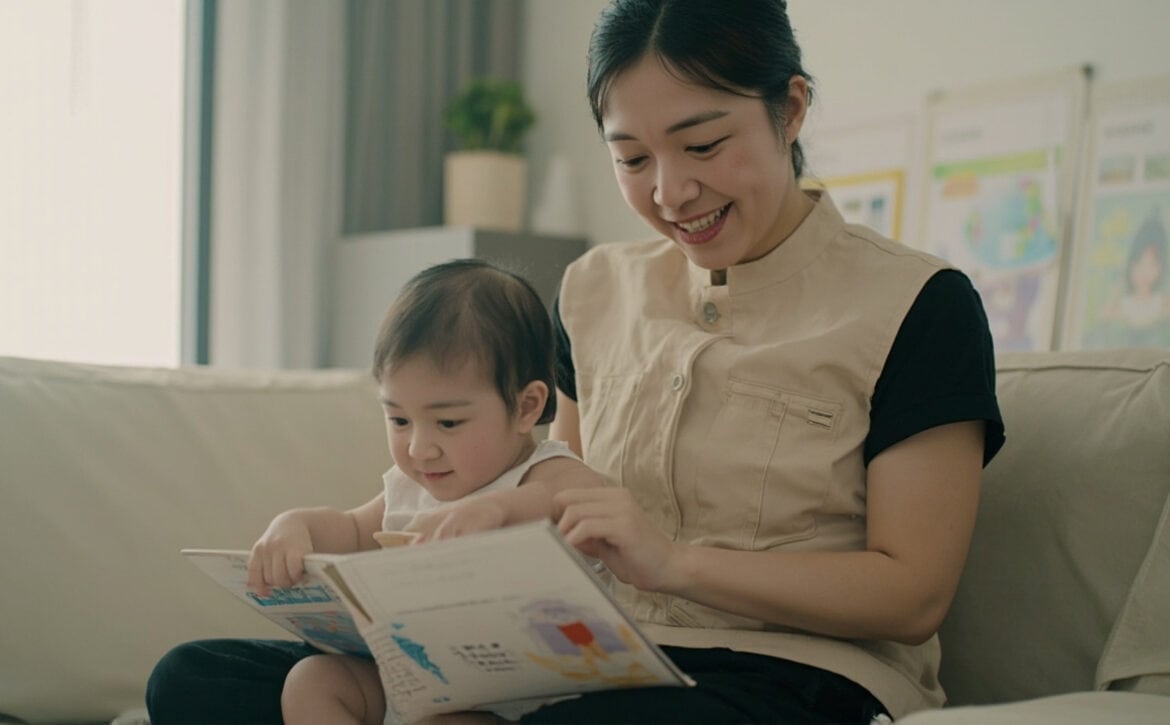
Turn a familiar routine into a short picture story with three clear moments, simple words and pauses that follow your baby’s attention.

A baby who is beginning to pull up does not need a training target. Prepare one clear play zone, stay close and follow a simple three-part example built around your baby’s choices.
A workable infant care plan makes room for caregiver rest. Use this four-part load check to turn a vague need into a clear request, a short rest window and a time to review the arrangement.
A five-part care fit note helps families describe an infant’s everyday support needs, ask focused questions about care and identify what must be confirmed before considering a pilot arrangement.
Use one familiar object to create a short shared play moment around 9 months. Follow your baby’s attention, try a simple response and let comfort guide when the round ends.