

A Close to Home Approach to Safe Joyful Infancy The EduNanny Singapore Blueprint for the First Thousand Days
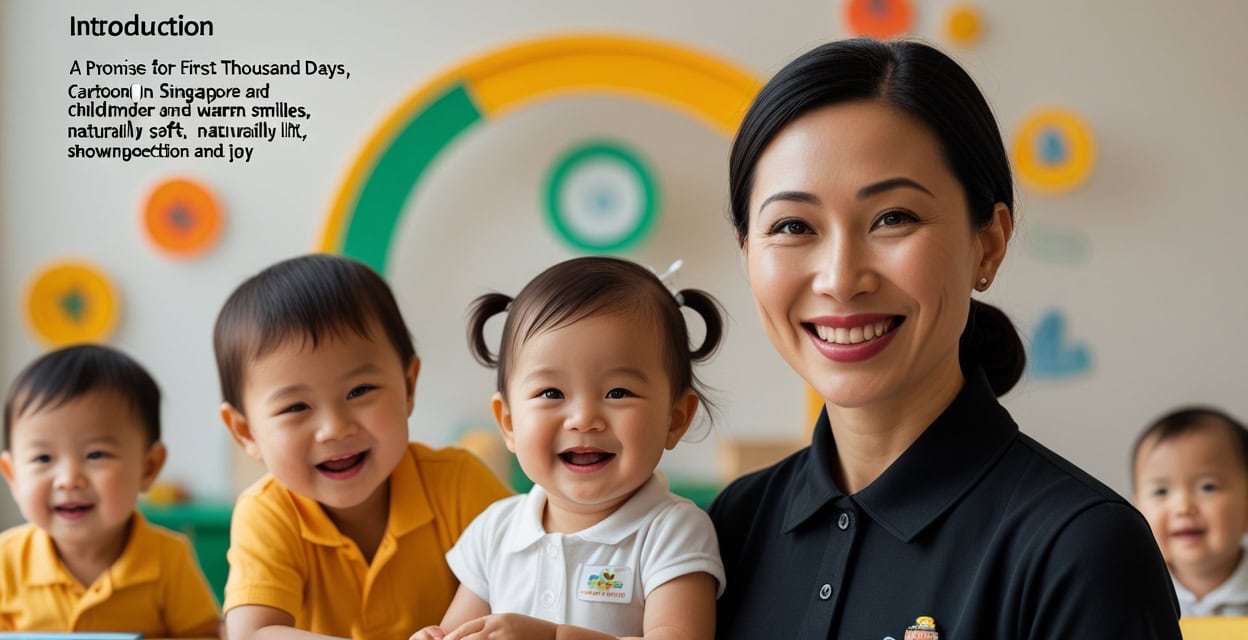
Introduction: A Promise for Singapore’s First Thousand Days
EduNanny was imagined as more than a care service. It is a purposeful architecture for early advantage—the belief that a single infant breath can rearrange a room, and that every small moment deserves intention, science, and warmth. In Singapore, EduNanny stands at the intersection of proximity, professional care, and transparent, child-centered practice. Our center-based and home-based network operates Monday to Friday, 7am to 7pm, islandwide, with a best-in-class 1:3 infant ratio, secure visibility through innovative CCTV, and affordable access from $33 per day. This article expands on the core ideas guiding EduNanny and offers practical, actionable insights for parents, caregivers, and employers who want to invest in the earliest years with confidence.
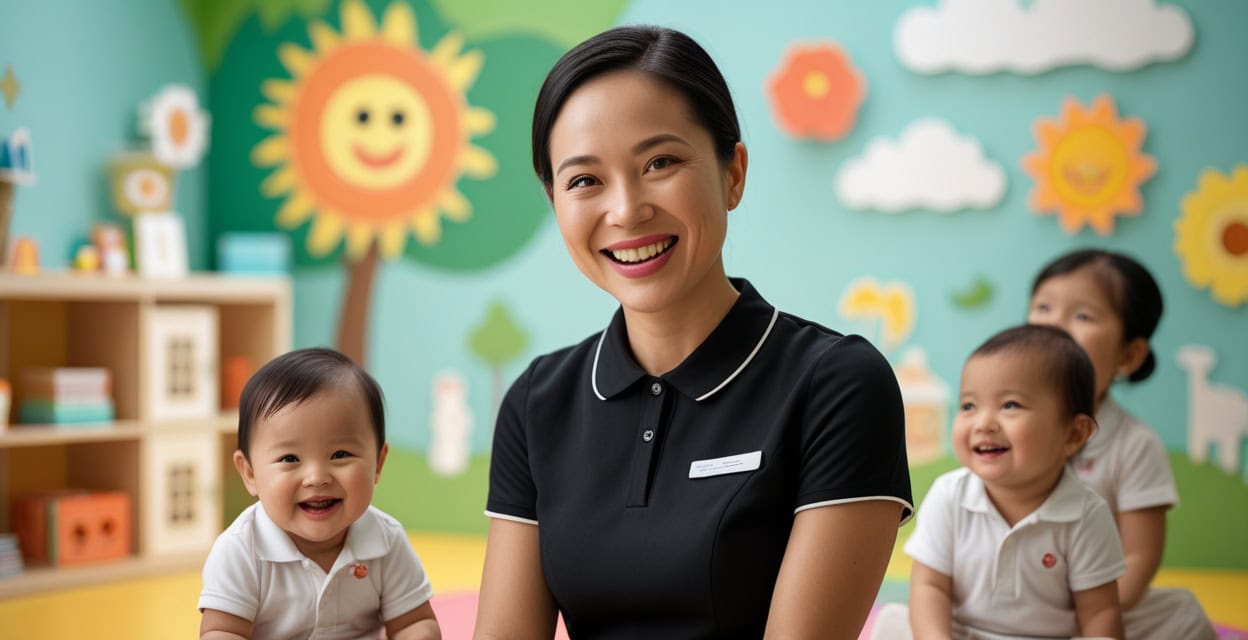
1. Proximity That Lowers the Temperature of the Day
Why proximity matters for infant regulation
Distance is more than geography—it is a physiological signal. When care is near, cortisol levels stabilize, arrivals are calmer, and a child’s nervous system remains regulated. Proximity creates continuity: the same caregiver greeting each morning, the familiar corridor smells, and the same gentle morning light on the mat. This predictability is neural safety, a foundation for secure attachment and healthy development.
Practical implications for families
- Choose options that minimize lengthy commutes for drop-offs and pick-ups. Look for centers or home-based pods within a 10–15 minute walk or a few stops on public transport.
- Ask how the care environment mirrors daily life at home (meal routines, nap schedules, and language use) to preserve consistency.
- Seek flexible arrangements for days when work demands change, including partial-day or distance-guided home days with reliable caregiver support.
EduNanny strategies in Singapore
- Islandwide network of small-capacity centers and licensed home settings to maintain micro-neighborhood access.
- Structured handover rituals and predictable daily rhythms to help families breathe easier at the start and end of each day.
- Proximity-driven scheduling to reduce unnecessary transitions and create “stroller-radius” care near home and work.

2. The 1:3 Attention Engine
The See–Soothe–Support–Stretch loop
Three infants, one attuned childminder is more than a ratio—it is an ethic. This loop sustains continuous, responsive care:
- See: Observe each infant’s state—alert, drowsy, overstimulated—before behavior escalates.
- Soothe: Calibrate voice, pace, and touch to regulate the child’s arousal first.
- Support: Introduce the right challenge—tummy time angle, grasping distance, turn-taking babble.
- Stretch: Add one new sound, texture, or reach, carefully titrated to avoid overwhelm.
In this loop, safety and learning become one continuous thread. Secure attachment is the runway; curiosity is the takeoff. Document subtle signs—a longer gaze, a new consonant, a shift in feeding preference—and share them with families in clear, jargon-light notes that travel between home and care settings.
Practical implications for parents and caregivers
- Ask about caregiver-to-infant rotation policies to ensure the See–Soothe–Support–Stretch loop remains intact during caregiver changes.
- Request sample daily notes and development snapshots to monitor the infant’s trajectory without feeling overwhelmed by jargon.
- Encourage a handover protocol that includes verbal and written summaries of feeding, sleep, diapering, and notable cues.

3. The Minute-to-Meaning Pedagogy
Micro-dialogues as the engine of development
Infants don’t need overt curricula; they need listening and language-rich moments that accumulate into cognition, language, and socio-emotional security. EduNanny’s micro-dialogues turn ordinary care into learning experiences:
- Conversation at Eye Level: Narrate play and daily activities on the floor at the infant’s eye level with precise, warm language. Example: “You’re lifting your head. That looks hard. I’m here.”
- The See–Say–Soothe–Stretch Method during routines: During diaper changes, pause for cues, name sensations, soothe with voice, and invite gentle participation (e.g., hand to hold the wipe or a shared breath).
- The Gentle Arc of the Day: Alternate active exploration with quiet moments, ensuring rhythms that support regulation and curiosity.
- Parent Partnership as Continuity: Invite families to share songs, languages, and routines; echo these in care so identity travels with the child.
What parents can do at home
- Engage in “eye-to-eye” narration during daily routines and replicate consistent language cues from care settings to strengthen vocabulary.
- Capture simple, non-technical notes about new skills (eyes tracking, babble patterns, reach attempts) and discuss them during weekly conversations with caregivers.
- Establish gentle daily rituals (a goodbye song, a soothing routine before sleep) that can be mirrored in care settings.

4. Safety as a Daily Discipline—People, Place, and Proof
Three pillars of daily safety
Safety isn’t a poster; it’s muscle memory. EduNanny organizes safety as an integrated practice across people, places, and proof:
- People: All childminders receive ongoing training in infant sleep safety, bottle handling, choking response, hygiene, and child protection. Structured handovers with checks for sleep status, feeds, and medication ensure accurate information flow.
- Place: Modern, uncluttered layouts with clearly delineated spaces for rolling, crawling, and cruising. Sleep rooms that are calm, monitored, and aligned with safe sleep standards.
- Proof: Transparent data streams—daily logs of feeds, sleeps, diapering, sanitation, and incident reports with root-cause analysis—so families can see care in action, not just hear about it.
Practical safety practices for families
- Ask to tour safety features: sleep environment, barrier controls, sightlines, and a policy for supervising adults during naps and feeding.
- Request a sample daily report and a monthly safety summary to track improvements and address concerns promptly.
- Inquire about emergency drills and how care teams practice calmly under pressure.

5. Joy and Belonging as Public Goods
Intentional joy and stable belonging
Happiness is a precondition for learning. EduNanny fosters joy and belonging through deliberate practices:
- Micro-Rituals: The same song at handover, a familiar rhyme before naps, and a daily closing clap that marks each child’s day.
- Sensory Civility: Calm spaces with soft light, human voices, natural textures—designed to teach the body what calm feels like.
- Cultural Warmth: Welcoming home languages, bilingual narration, and family photos at eye level to create a circle of belonging around each child.
- Play with Purpose: Materials that invite safe exploration—scarves, rattles, mirrors—and guided, responsive scaffolding to let infants lead while caregivers offer support.

EduNanny in Practice: How It Works in Singapore
EduNanny combines center-based and home-based options to maximize access and trust. Key practical details include:
- Hours: Monday to Friday, 7am–7pm, designed to fit working families.
- Proximity: Islandwide availability with a focus on bringing care within reach—near blocks, in thoughtfully designed centers and licensed home premises.
- Ratio: A 1:3 infant ratio to protect attention and foster close relationships between caregivers and children.
- Transparency: Innovation CCTV for secure visibility plus daily logs of feeds, sleeps, and diapering; temperature and sanitation records; incident reporting with root-cause follow-up.
- Affordability and access: From $33/day, with eligible fees payable by CDA/Baby Bonus; alignment with Singapore’s maximum employment mandate to uplift early-years careers.
- Structure and accountability: Participation in ECDA Childminding Pilot, with a national social-initiative mindset guiding practice.
- Environment: Modern, calm layouts designed to soothe the senses and sharpen curiosity; safe sleep practices and purposeful play environments.

The Heart of Our Profession
Beyond processes and spaces, EduNanny believes in the essential purpose of childminders. This work is a national mission—
- We are the first interpreters of pre-verbal life, translating cues into care plans.
- We are attachment gardeners, cultivating secure bases from which exploration becomes possible.
- We are safety designers, turning rooms into trusted landscapes daily.
- We are partners to families, carrying home values into care and returning care insights home.
- We are nation builders in quiet clothes, providing steadiness that ripples into classrooms, workplaces, and communities years later.

What Parents Can Do Today: Practical Steps
Parents are essential partners in turning the EduNanny model into daily reality for their child. Practical steps include:
- Define proximity and flexibility as top criteria when evaluating care options. Map your commute, work schedule, and backup plans to minimize disruptions to your child’s day.
- Ask about the 1:3 pairing. Request a caregiver introduction, observe the See–Soothe–Support–Stretch routine in action, and request a trial period when possible.
- Request transparent communication plans: daily notes, growth milestones, and access to real-time updates (with privacy safeguards) via secure logs or apps.
- Ask about safety routines and emergency drills. Review staff training certificates and the center’s safety audit results.
- Prepare home-care alignment: share routines, languages, songs, and comfort objects with the care team so home life and care life blend smoothly.
- Participate in the cultural life of your child’s care setting: bring home traditions, languages, and rituals to reinforce belonging and identity.

Choosing a Childminding Partner: A Practical Checklist
Use this checklist to evaluate care partners against the EduNanny principles:
- Proximity and hours that fit your family’s work schedule.
- Verified infant care ratios and caregiver qualifications; ongoing training programs.
- Transparent reporting: daily logs, incident tracking, and safety audits.
- Environment design: age-appropriate, safe, and calm spaces with clear sightlines and safe sleep practices.
- Family partnerships: structured handovers, home-school communication, and cultural responsiveness.
- Affordability and funding options: access through government schemes or subsidies, clear fee structures, and value aligned with outcomes.
- Pilot and feedback opportunities: trial periods, parent surveys, and channels to raise concerns quickly.

Conclusion
In the first thousand days, care is not a backdrop—it is the launchpad for lifelong learning, resilience, and belonging. EduNanny invites every parent, caregiver, and employer to choose a childcare partner the way you would choose a foundation for your home: steady, close, well-built, and honest. We commit to excellence you can see, quality you can feel, and a daily rhythm that lets your family breathe. If you are a parent, explore EduNanny.com or Childminding.EduNanny.com to tour a nearby center or pod, review safety standards, and see our environments. If you are a caregiver, join a profession finally recognized for its true complexity and value. If you are an employer, partner with us to support your teams with predictable, near-home care. A single infant breath can rearrange a room—let’s arrange Singapore so that breath is protected, mirrored, and magnified into confidence, one minute made meaningful, one child at a time.
Thank you.
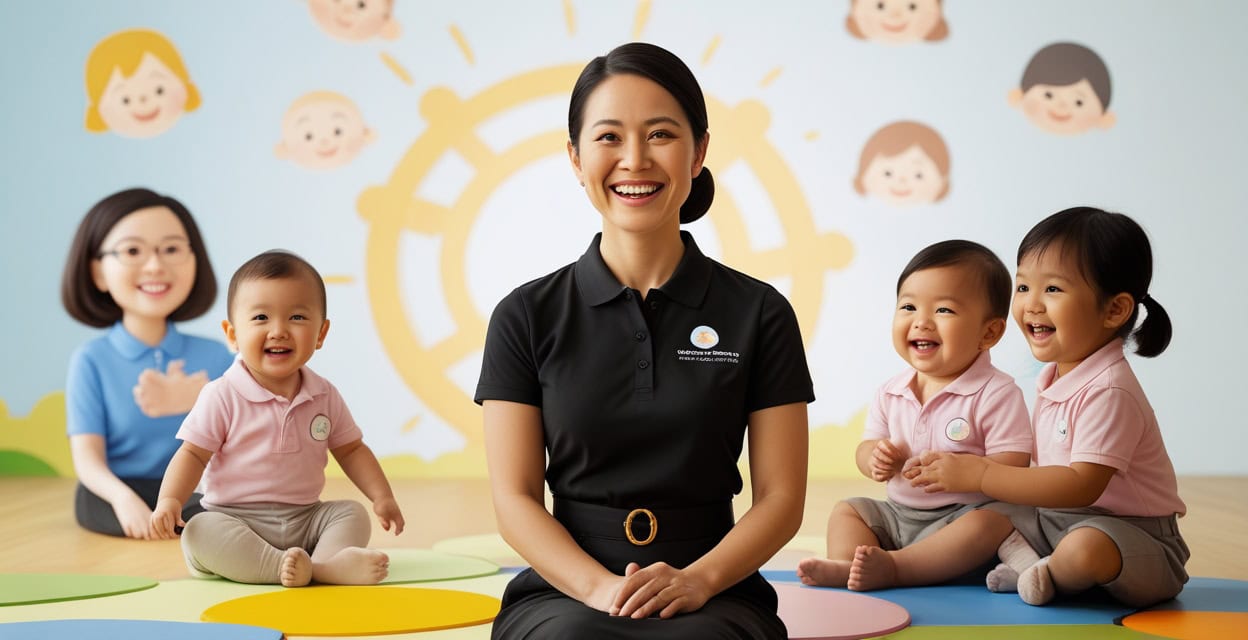
Conclusion: A Call to Action
Take the next step today: visit EduNanny to learn how proximity, a 1:3 attention engine, and transparent safety practices can transform your child’s early years. Share this model with family, friends, and colleagues who are seeking trustworthy, humane, and evidence-based infant care. Together, we can keep care near, make every moment count, and cultivate calm, curious, compassionate citizens—one minute at a time.
Note: This article reflects EduNanny’s principles and practice in Singapore and is intended to guide families and caregivers toward high-quality infant care and childminding. For more resources, visit EduNanny.com and Childminding.EduNanny.com.
[#earlychildhoodcare, #infantcareSingapore, #1to3ratio, #parentpartnership, #safecare]SEO Keywords
[#earlychildhoodcare, #infantcareSingapore, #proximitycare, #childmindingpilot, # EduNanny]