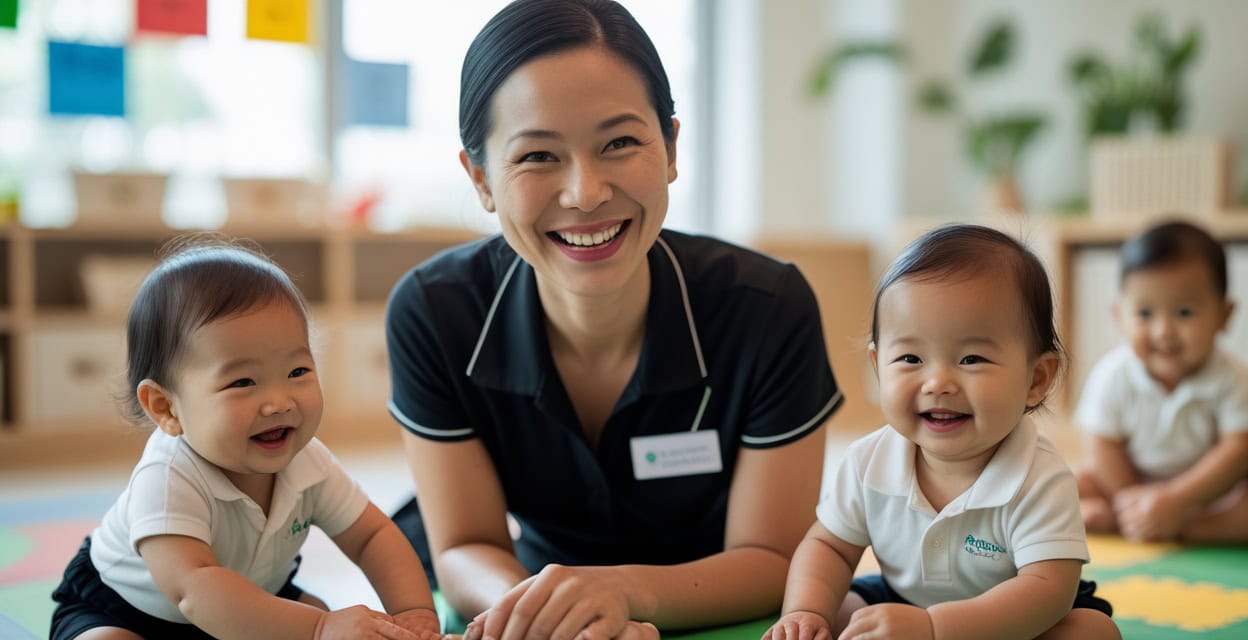
Redefining Infant Care in Singapore Through EduNanny’s Holistic, Science-Based, and Community-Focused Approach

Redefining Infant Care in Singapore: The EduNanny Approach to Nurturing the Next Generation
In the bustling landscape of Singapore, where parents balance demanding careers with the desire to provide their children with the best start in life, infant care has become more than just a necessity—it is a cornerstone of future societal resilience. EduNanny emerges as a pioneering leader in this space, championing a holistic, science-based, and community-driven approach to childminding. This article explores the core principles, practical strategies, and actionable insights that make EduNanny a beacon of excellence for parents and caregivers alike.
The Foundations of EduNanny: A New Paradigm for Infant Care
At the heart of EduNanny’s philosophy lies a commitment to redefining what quality infant care means. We believe that every interaction, environment, and policy should prioritize the child’s well-being, development, and happiness. This approach challenges traditional routines, shifting instead towards respectful, individualized, and scientifically-informed caregiving practices.

1. Embracing the Science of Early Childhood Development
Understanding Infant Learning as a Natural Process
Infants are born with remarkable capacities for learning, sensing, and exploring their environment. Inspired by pioneers like Maria Montessori and Emmi Pikler, EduNanny emphasizes that infants are active agents in their own development. This perspective informs practices such as:
- Observation-Centered Care: Caregivers continuously observe infants’ cues to tailor activities that support their current interests and developmental stage. For example, if a child shows curiosity during tummy time, caregivers can introduce more purposeful play that encourages movement and muscle strengthening.
- Self-Initiated Exploration: Offering environments that invite curiosity—such as textured mats, accessible sensory bins, and soft climbing areas—helps infants naturally engage with their world.
Actionable Tips for Parents
- Set up safe, stimulating spaces at home where your baby can freely explore—adding items like soft blocks, mirrors, and varied textures.
- Engage in responsive interactions by acknowledging and following your baby’s lead, such as copying their sounds or gestures to foster communication.

2. Prioritizing Safety as an Ongoing Cultural Practice
Creating Safe Environments Beyond Compliance
Safety in infant care must go beyond regulatory checklists; it must be woven into everyday routines and environment design. EduNanny’s protocols include:
- Intentional Space Design: Rounded corners on furniture, secured outlets, and barriers in open areas prevent common accidents.
- Tech-Integrated Monitoring: Transparent CCTV systems allow parents to remotely observe their children, fostering trust and peace of mind without intrusive oversight.
- Caregiver Training and Drills: Regular emergency response drills ensure caregivers respond promptly and effectively to any situation, modeling calmness and competence.
Practical Advice for Parents
- Regularly inspect your home environment for hazards—cover electrical outlets, secure furniture, and supervise outdoor play.
- Choose childminding centers that demonstrate proactive safety measures, transparency, and continuous staff training.

3. Cultivating Happiness as a Pillar of Development
The Link Between Joy and Neural Growth
Research consistently links emotional well-being with brain development. EduNanny incorporates a culture of joy through:
- Music and Movement: Daily singing sessions, dance, and rhythmic activities stimulate language, coordination, and emotional bonds.
- Nature Exploration: Outdoor play, even in urban settings, encourages sensory input, physical activity, and a love for the environment.
- Personalized Attention: With caregiver-to-infant ratios at 1:3, each child’s unique cues and needs are promptly recognized and addressed, fostering feelings of security and joy.
Tips for Parents to Foster Happiness at Home
- Create daily routines that incorporate singing, storytelling, and outdoor time for your child.
- Pay attention to your child’s happy moments and reinforce these experiences through praise and engagement.

4. Elevating Childminding as a Purpose-Driven Profession
Professional Development and Compassionate Care
EduNanny views childminding as a vital societal role requiring ongoing training, emotional intelligence, and deep compassion. Caregivers undergo structured professional development, including modules on child psychology, inclusive practices, and trauma-informed care. Support systems—peer mentorship and parent-caretaker communication channels—strengthen their expertise and morale.
Insights for Parents
- Choose centres that invest in caregiver training and recognize the profession’s importance through respectful policies and ongoing support.
- Engage regularly with caregivers to understand their approaches and share insights about your child’s needs.

5. Making Infant Care Accessible, Affordable, and Flexible
Designing Care to Fit Modern Families
Understanding the realities faced by Singaporean families, EduNanny offers:
- Flexible Models: Home-based, community-centred, and remote options enable parents to select what best suits their routines.
- Affordable Pricing: Starting from SGD 33 per day, with support from government schemes like CDA and Baby Bonus, quality care becomes a right, not a privilege.
- Extended Hours: Operating from 7 am to 7 pm accommodates long working hours and diverse work schedules.
Practical Advice for Parents
- Research and compare programs that align with your working hours and budget.
- Utilize government subsidies and community resources to optimize affordability without compromising quality.


Join Us in Building a Brighter Future for Singapore’s Children
Choose quality, choose compassion, choose EduNanny—because every child deserves the best start in life. Together, let’s nourish possibility and guide each little one toward a future filled with hope and achievement.