
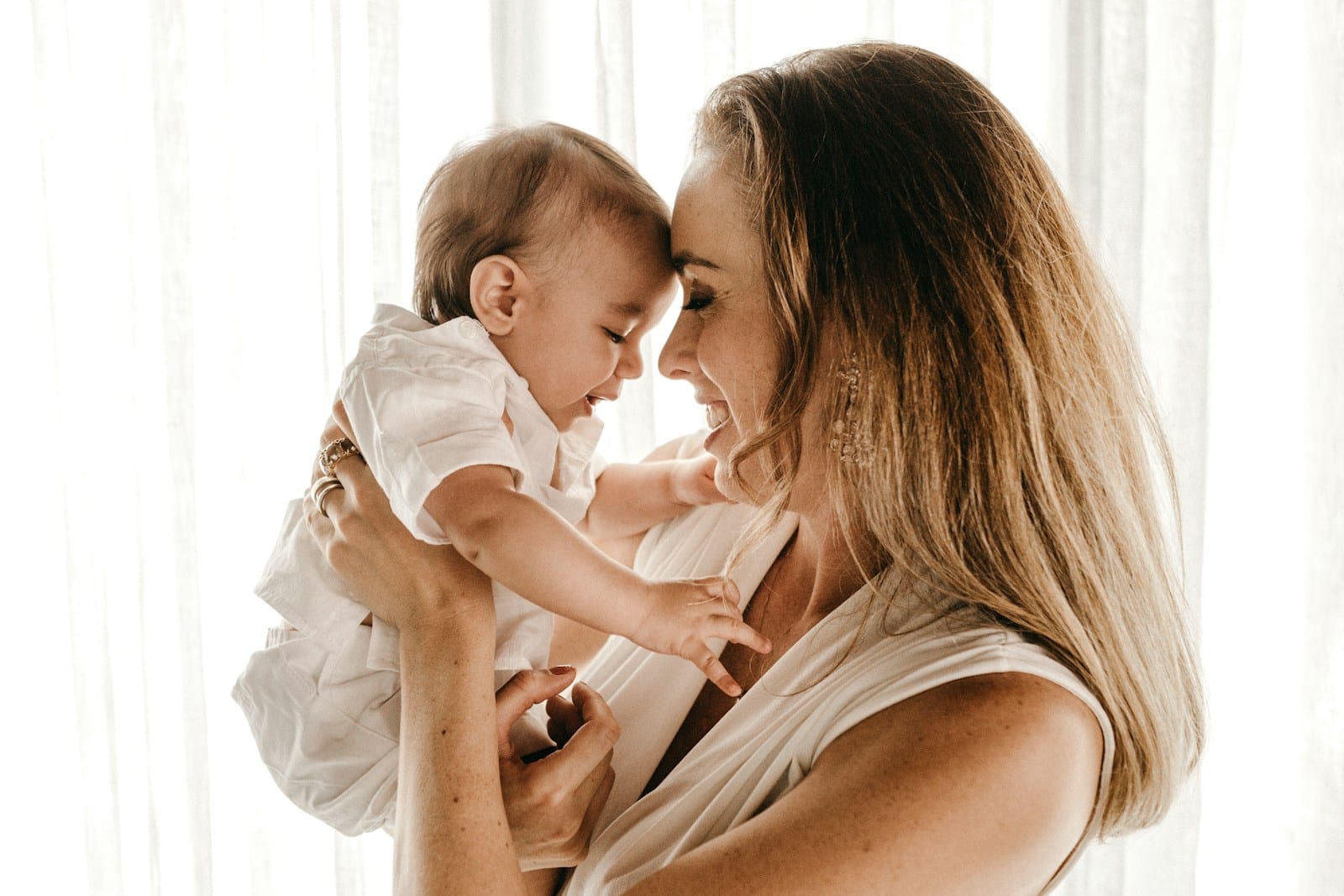
Infant Care with Warmth and Clear Responsibilities
Families looking for infant care often hear that an approach is grounded in science and that care is warm and personal. The useful question is how those intentions appear in an ordinary interaction and in the responsibilities agreed with your family.
This guide helps you discuss both. It does not verify a placement, prescribe a developmental programme or promise that particular activities will shape a child’s lifelong outcomes.
Ask what responsive care means in practice
WHO’s early childhood development FAQ describes responsive caregiving as noticing a child’s signals, understanding them and responding appropriately and promptly. It also explains that everyday care, including feeding, bathing and play, offers opportunities for interaction and early learning.
Ask a provider to describe what an adult might notice and how they could adjust. A list of educational theories, sensory materials or activities is not evidence that an individual infant needs that experience.

Use one ordinary moment to start the conversation
Rather than asking whether a programme is “brain-boosting”, you could ask: “How do you decide whether to continue an interaction, change it or pause?” Follow up by asking how observations from home will be shared with the person providing care.
Keep the explanation suited to your baby’s circumstances. Do not turn infant care into a requirement to demonstrate independence, sharing, empathy or constant engagement.
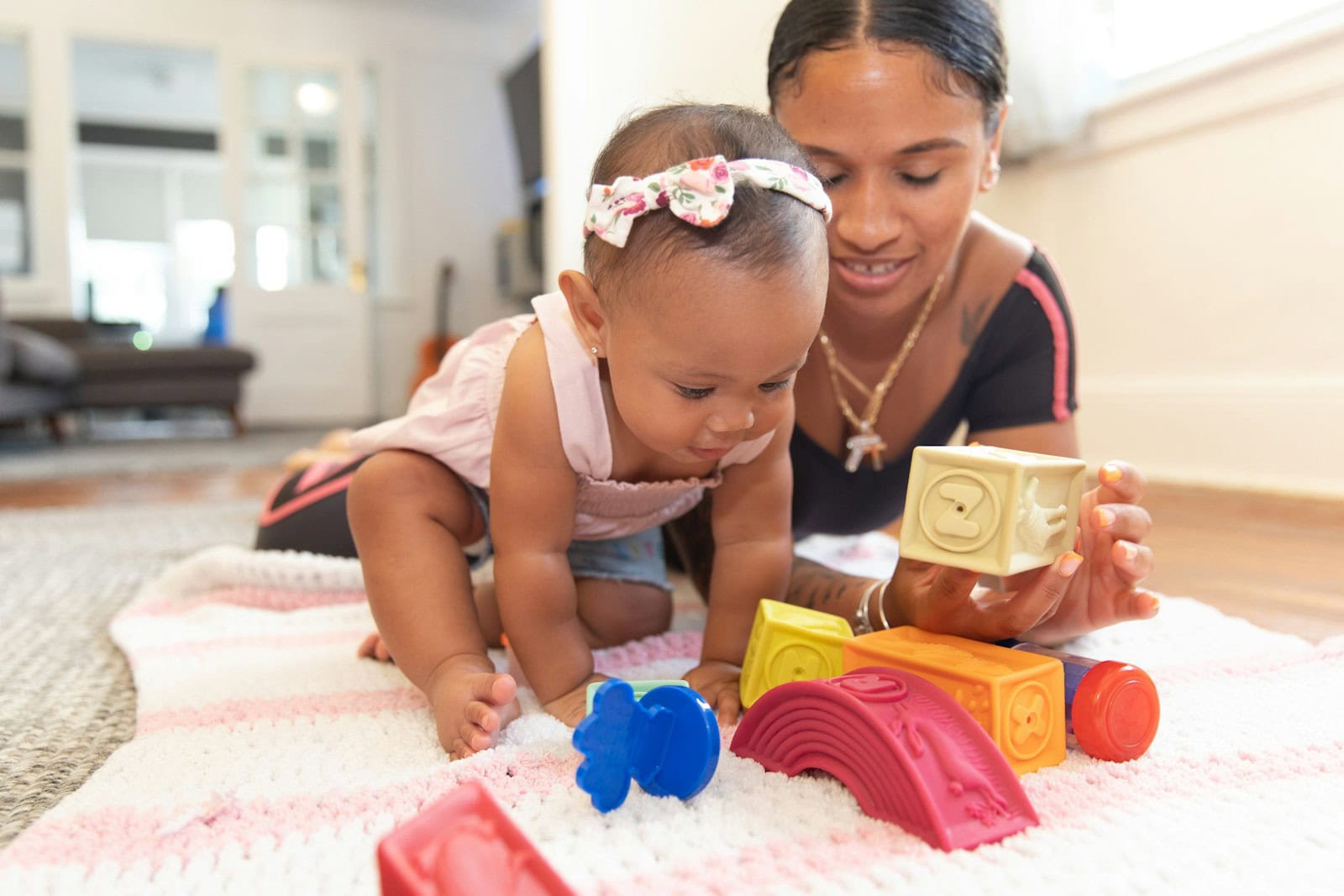
Understand preparation without assuming individual credentials
ECDA’s pilot training information states that childminders must receive training in infant first aid, food safety and preparation, and infant care before deployment. Ask the operator how it confirms the assigned person’s preparation and explains the arrangements to families.
That general requirement does not establish an individual’s credentials or verify a setting. Confirm who is responsible for urgent contact, incidents, collection and clarification of care instructions.
Keep a simple question record
This original planning aid can help you leave an enquiry with clear next steps. It is not an official inspection checklist or developmental assessment.
| Ask about | Record |
|---|---|
| Individual instructions | Who checks the current version and receives changes? |
| Daily observations | What information is shared, through which agreed channel? |
| Uncertainty or concern | Who responds, and what happens if the question remains unresolved? |
| Practical arrangements | Which dates, hours, charges and cancellation terms are confirmed? |
Do not assume live CCTV, an update app, particular materials, ongoing workshops or a specific facility are included. Ask for the details of the placement offered. Individual health, feeding or sleep advice should be clarified with the treating clinician where relevant.
Make warmth and clarity part of the same enquiry
You can value a friendly interaction while requesting written information and time to consider it. Ask what remains provisional and which questions need another conversation. Neither a photograph nor a confident description replaces those checks.
Explore EduNanny’s infant childminding information or share your family’s needs. Begin with one concrete question and a clear responsibility to confirm.