Baby Teething in Singapore: Complete Parent Guide (2026)
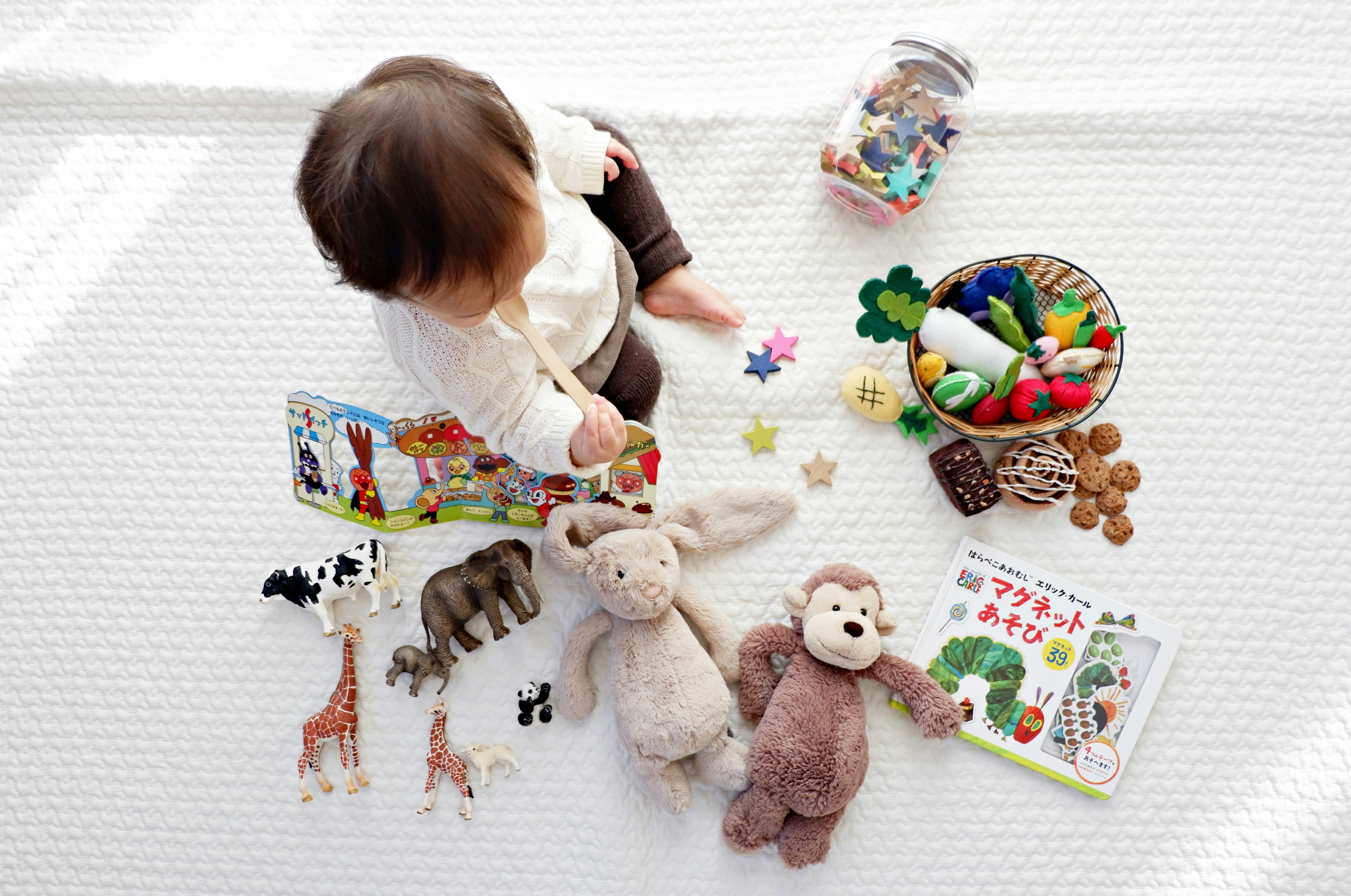
Teething is one of baby major milestones—and it can be challenging for both little ones and parents. This comprehensive guide helps Singapore parents navigate the teething journey with confidence.
💡 What You will Learn:
- Signs your baby is teething
- Teething timeline (when to expect each tooth)
- Remedies that actually work
- When to see a doctor
Signs Your Baby Is Teething
Every baby is different, but common teething symptoms include:
- ✓ Excessive drooling – may start 4-6 months before first tooth
- ✓ Gum swelling and sensitivity – baby may resist feeding
- ✓ Fussiness and irritability – especially in evening
- ✓ Sleep disruption – discomfort affects naps and night sleep
- ✓ Chewing on everything – hands, toys, fingers
- ✓ Low-grade fever – under 38°C may accompany teething
⚠️ Important: Fever above 38°C is NOT normal teething. If your baby has high fever, contact your pediatrician.
Teething Timeline: When to Expect Teeth
| Age | Teeth Expected |
|---|---|
| 4-7 months | Lower central incisors |
| 8-12 months | Upper central incisors |
| 9-13 months | Upper lateral incisors |
| 10-16 months | Lower lateral incisors |
| 12-19 months | First molars |
| 17-23 months | Canines |
| 23-33 months | Second molars |
Most children will have all 20 primary teeth by age 3.
Singapore-Specific Challenges
Singapore parents face unique teething challenges:
Humid Climate Effects
Singapore humidity can worsen drool rash. Keep a soft cloth handy to pat—not rub—your baby chin. Use barrier creams to protect skin.
Childcare Coordination
Many babies attend childcare in Singapore. Share your teething approach with teachers so everyone uses consistent comfort methods.
Traditional Remedies
Many Singapore families use traditional approaches like cold washcloths, cooling gels (check with pediatrician first), and gum massage.
📌 Note: Always consult your pediatrician before using any teething medication or traditional remedy.
Remedies That Actually Work
Try these proven approaches to ease teething discomfort:
- Cool (not frozen) items – Cold washcloth, chilled teething ring
- Gum massage – Clean finger gently rub gums
- Teething toys – Silicone or rubber
- Extra cuddles – Comfort helps baby feel secure
- Pain relief – Consult doctor about infant acetaminophen
When to See a Doctor
Schedule a pediatric visit if:
- Fever above 38°C
- Refusing to eat or drink for more than a day
- Unusual rash or blisters
- Symptoms lasting more than a week without improvement
Conclusion
Teething is temporary, but the discomfort is real. With patience, comfort measures, and knowing when to seek help, you will navigate this milestone successfully.
Need Extra Support? Our experienced caregivers can help you and your baby through the teething journey. Contact EduNanny Today
This guide was developed with information from AAP and KK Women and Children Hospital.