

Near Home Pods and the Public Promise for the Singapore First Thousand Days, EduNanny Charts a Civic Path to Safe Joyful Infancy
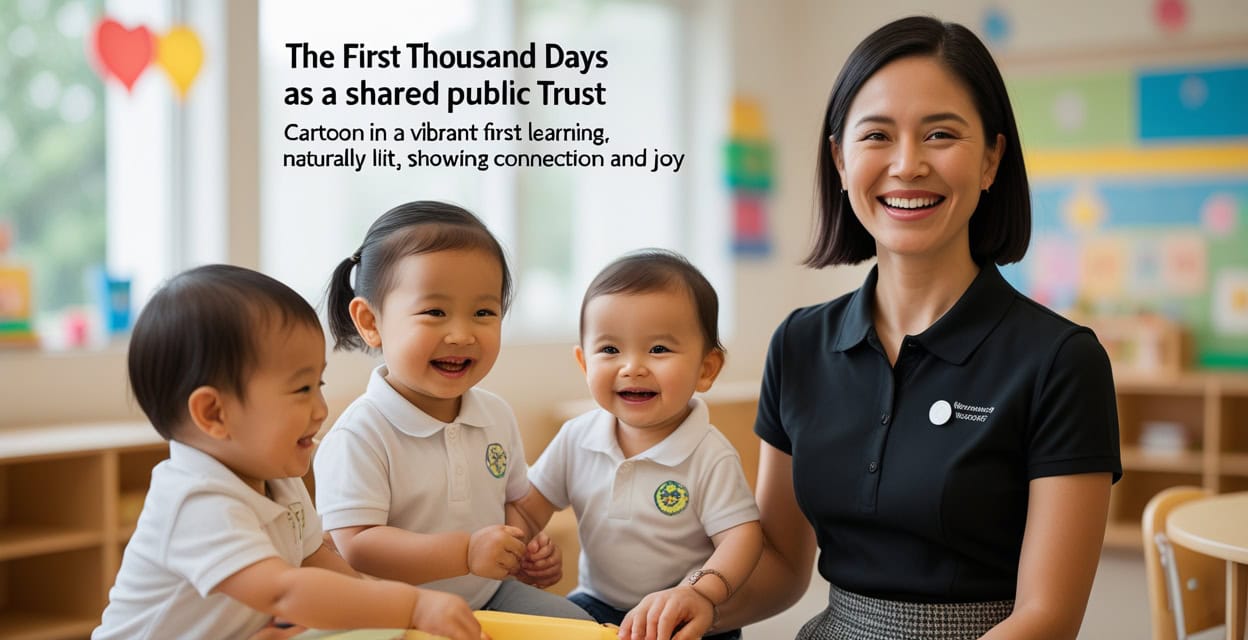
Introduction: The First Thousand Days as a Shared Public Trust
Good evening, friends, families, caregivers, and partners in the first thousand days of life. Thank you for gathering around what matters most in any society: the way we greet a child at the beginning. If a nation is a long story, infancy is the first line. And the first line must be careful, honest, and beautifully human. EduNanny—an evidence-led, heart-forward childminding movement built for Singapore’s neighborhoods and families—offers a practical, scalable answer. EduNanny by BUTLER brings together center-based, home-based, and distance support into one seamless ecosystem of care, islandwide, Monday to Friday, 7am to 7pm, in community and home premises. We operate with a generous 1:3 infant ratio, design floor-level environments that teach gentleness, stability, and curiosity, and pair transparent operations with privacy-respecting CCTV, daily observation notes, and open-door partnerships with families. We aim to keep care convenient and attainable—affordable from $33/day, with fees payable by CDA/Baby Bonus—because dignity in the earliest years should never be a luxury. And this is part of a broader civic promise: EduNanny participates in Singapore’s ECDA Childminding Pilot (Dec 2024–Dec 2027), a National Social Initiative with a Maximum Employment Mandate that creates high-quality neighborhood roles and elevates the caregiving profession.
What follows is a structured, practical exploration of how EduNanny makes infant care exceptional in Singapore—through pedagogy you can feel, safety designed in from the start, developmental choreography that frames big futures, measurable happiness in the smallest moments, and a civic purpose that elevates families, caregivers, and communities alike.

Topic One: Pedagogy You Can Feel at Eye Level
Great pedagogy for infants is not a script; it is a posture. Grounded in the rich traditions of Montessori, Piaget, Vygotsky, Bowlby, Ainsworth, and Pikler, EduNanny translates those canons into actionable daily practice. Here are the three core habits that guide every moment on the floor, along with practical home and community applications.
Anchor: Steadying the Room and the Heart
- What it means: Predictable routines, consistent faces, and warm tones create a secure base from which infants explore the world.
- In practice: Build a simple daily rhythm (for example, wake, cuddle, diaper, feed, play, nap, gentle transition) with familiar adults. Use a brief handover ritual so the caregiver arriving knows what happened and what to expect next.
- Home/Family tip: Create a family “anchor” routine (morning hello, mid-day check-in, evening recap) that mirrors the infant’s day to reduce switching costs when caregivers change.
Align: Meet the Child’s State Before You Add a Task
- What it means: Regulation precedes learning. Read cues—breath, gaze, posture—and respond with calm voice, slow touch, and patient pacing.
- In practice: If a baby is unsettled, pause and use a soothing rhythm, offer a comforting object, or reframe the activity to match the child’s current state before introducing new stimuli.
- Home/Family tip: Observe your child’s signals for hunger, sleepiness, and overstimulation. Reflect these signals back in language (“I see you’re rubbing your eyes; it’s almost nap time.”).
Allow: Widen the Circle with Just-Right Challenge
- What it means: Provide opportunities that stretch skills just beyond the current capacity, enabling growth without overwhelm.
- In practice: Offer a rotating set of sensory toys, textures, and lightweight problem-solving tasks, then gradually increase complexity as the child demonstrates readiness.
- Home/Family tip: Create small, daily challenges—reaching for a soft rattle, turning a page, stacking blocks—that invite effort, with adult coaching that fades as competence grows.
EduNanny operates within a 1:3 “listening triangle” where every infant is seen, named, and coached at their own pace. Our micro-curriculum appears in ordinary moments, such as:
- Sensorimotor studios on the floor: rolling, reaching, grasping, transferring, cause-and-effect exploration.
- Language baths: narrative talk-throughs during diapering, feeding, and transitions to support vocabulary and comprehension.
- Social turn-taking: waiting, signaling, simple gestures, and smiles that endure.
- Self-care as learning: unhurried feeds, calm diaper changes, and cooperative tasks like folding a cloth together—care as choreography.
Actionable takeaway for families: adopt a floor-time rhythm at home. Set aside a predictable window for floor-based play where caregivers narrate actions, label feelings, and invite turn-taking. Track progress in a simple shared journal with your childminder to align expectations and celebrate small wins.
Topic Two: Safety by Design, Not By Chance
Safety is not what you inspect at the end; it is what you design at the beginning. EduNanny’s safety architecture is layered and ongoing, spanning space, process, people, and platforms.
Places: Thoughtful Design for Calm and Clarity
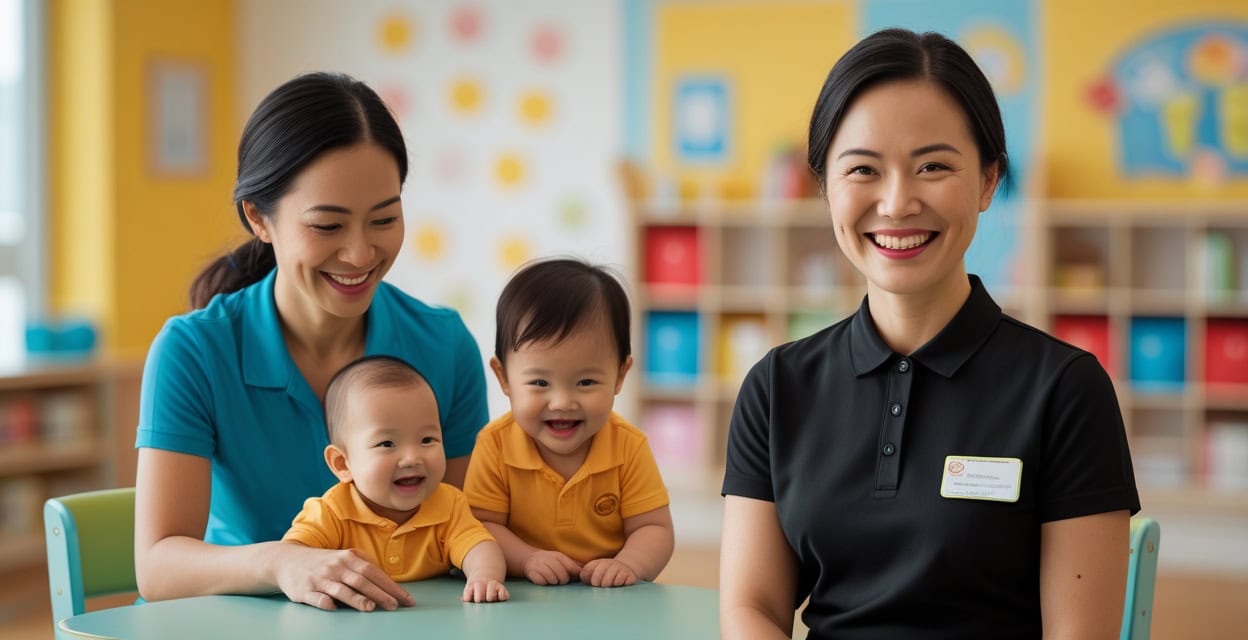
- Modern layouts with low visual clutter, soft flooring, rounded edges, natural light, and clean sightlines facilitate effective supervision.
- Zoned spaces for rest, play, and care help infants learn to self-regulate in predictable environments.
Processes: Consistent Routines That Protect and Nurture
- Daily health checks, safe sleep protocols, and rigorous hygiene standards reduce risks while normalizing healthy patterns.
- Food safety, incident drills, continuous quality reviews, and strict ratio integrity (1:3) are non-negotiables for ongoing safety.
People: Warmth and Skill Put into Practice
- Childminders trained in responsive caregiving, infant first aid, safe sleep, and developmental observation.
- Recruitment emphasizes warmth; coaching emphasizes skill; ongoing professional development sustains quality.
Platforms: Transparent, Privacy-Respecting Connections
- Privacy-respecting CCTV, digital handovers, real-time updates, and signed care plans foster trust and clarity.
- Transparent communication builds partnership rather than anxiety, enabling families to participate actively in care decisions.
Practical safety checks for parents evaluating any infant care setting:
- Verify caregiver-to-infant ratios and ensure a clear policy for supervision during transitions.
- Inspect the environment for safe sleep setups, outlet covers, clean surfaces, and accessible storage of hazardous items.
- Ask about health screening, hygiene practices, and routine drills for emergencies.
- Request sample daily notes and care plans to understand how your child’s day is shaped.
Topic Three: The Developmental Choreography—Small Moves, Big Futures
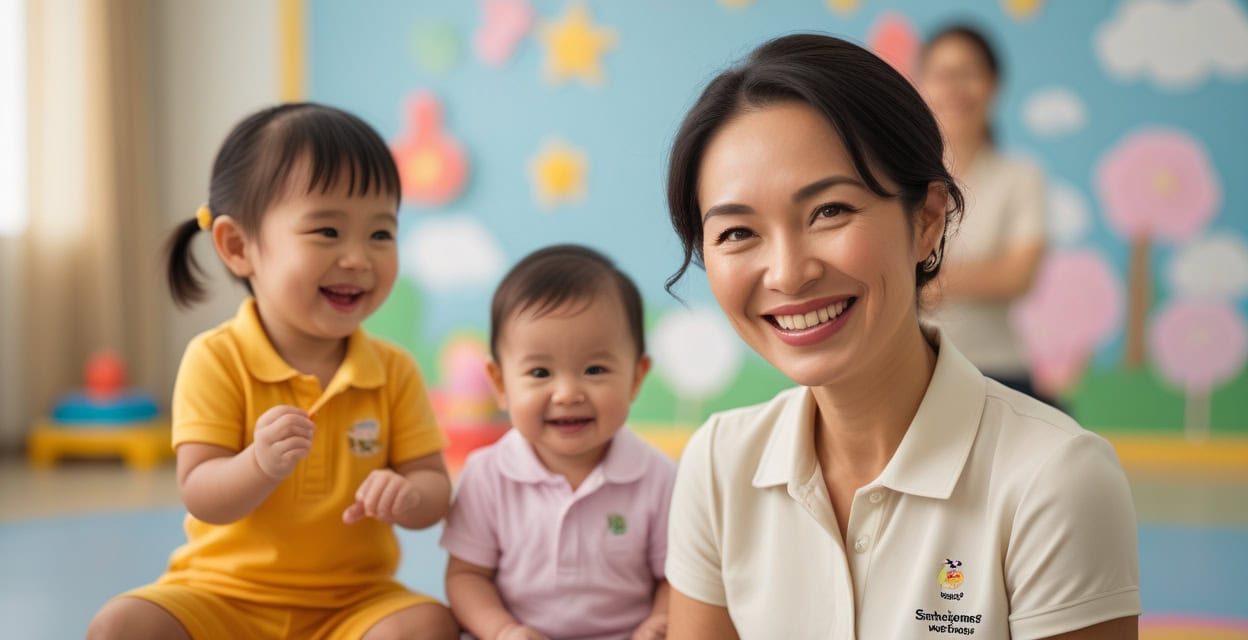
The first thousand days are a sequence of quiet revolutions. EduNanny safeguards four rivers of development that run through daily routines.
The Four Rivers of Development
- Attachment: A reliably warm adult who is present, attuned, and responsive to cues.
- Regulation: Gentle, rhythmic care that matches the infant’s signals and helps them settle, focus, and learn self-regulation.
- Sensorimotor Mastery: Floor-time challenges that invite rolling, creeping, cruising, grasp-release, bilateral coordination, and object permanence.
- Language and Social Thinking: Rich home-language narration, face-to-face play, simple signs, songs, and turn-taking routines.
Observable indicators of progress include longer calm engagement, increasing initiative in play, more frequent social bids, richer vocalizations, smoother sleep onset, and joint attention—when a baby looks at you, points to the world, and invites you into their idea.
Home-Ready Activities to Support Development
- Anchor routines at home: consistent nap schedules, feeding times, and calm wind-down rituals to reinforce stability.
- Sensorimotor play: set up a safe floor area with a soft mat, mirror, textured fabrics, and age-appropriate objects that encourage reaching and grasping.
- Language-rich environment: narrate daily activities in your home language, label emotions, and read short, highly interactive books daily.
- Social routines: model turn-taking with simple games like rolling a ball back and forth or building a tower and waiting for the “your turn” cue.
Topic Four: Measurable Happiness and the Craft of Joy
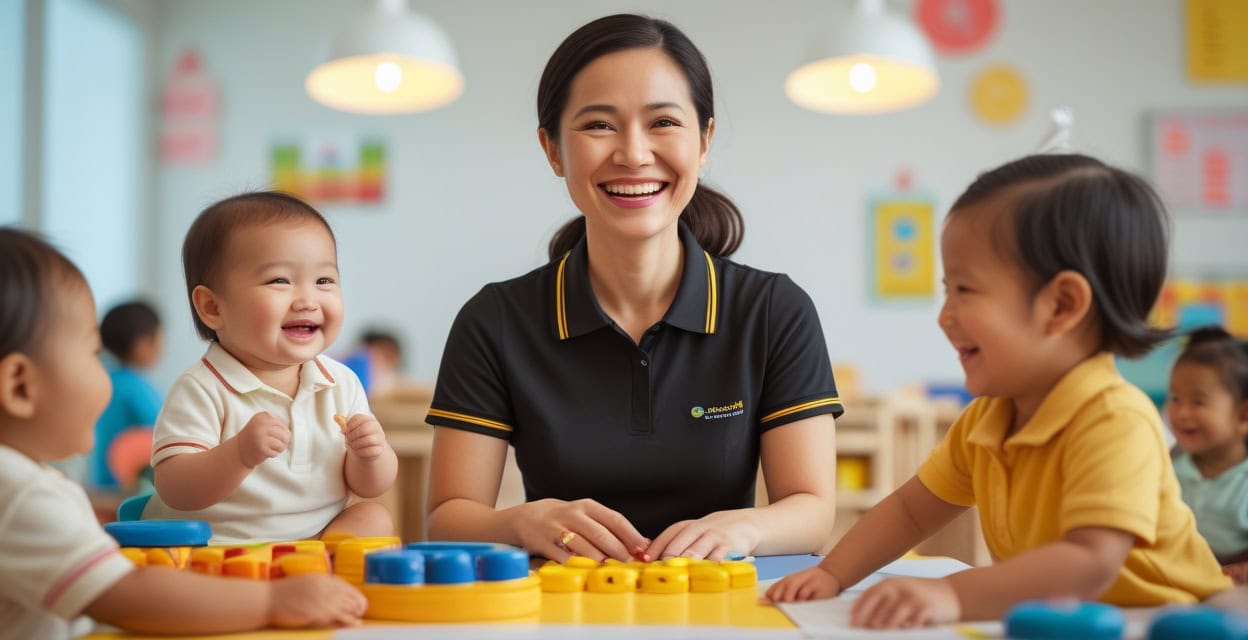
Happiness in infancy is not entertainment; it is coherence. EduNanny uses quiet, reliable signals to assess well-being and to guide joyful care.
Well-being Indicators to Track
- Affect balance across the day (content, curious, soothed).
- Exploration time without distress or fussiness.
- Quality of transitions (ease into sleep, ease into feeds).
- Frequency of shared smiles and vocal play.
- Caregiver consistency and sensitivity scores.
Rituals That Build Joy
- The Floor Hello: Begin each day with eye-level greetings and a gentle touch to ground the baby in a secure presence.
- The Gentle Handovers: Parents and childminders share one observation each at pick-up and drop-off to keep the circle unbroken.
- The Small Feats Wall: Photo-journals of micro-milestones shared with families—today’s tiny triumph becomes tomorrow’s confidence.
Practical home tips to cultivate joy in daily routines:
- Maintain predictable, short sequences of activities that end with a positive signal (a song, a cuddle, a favorite toy).
- Celebrate micro-milestones publicly with photos or a quick message to the family, reinforcing the child’s sense of achievement.
- Use soothing routines during transitions to prevent anxiety and encourage smooth changes between activities.
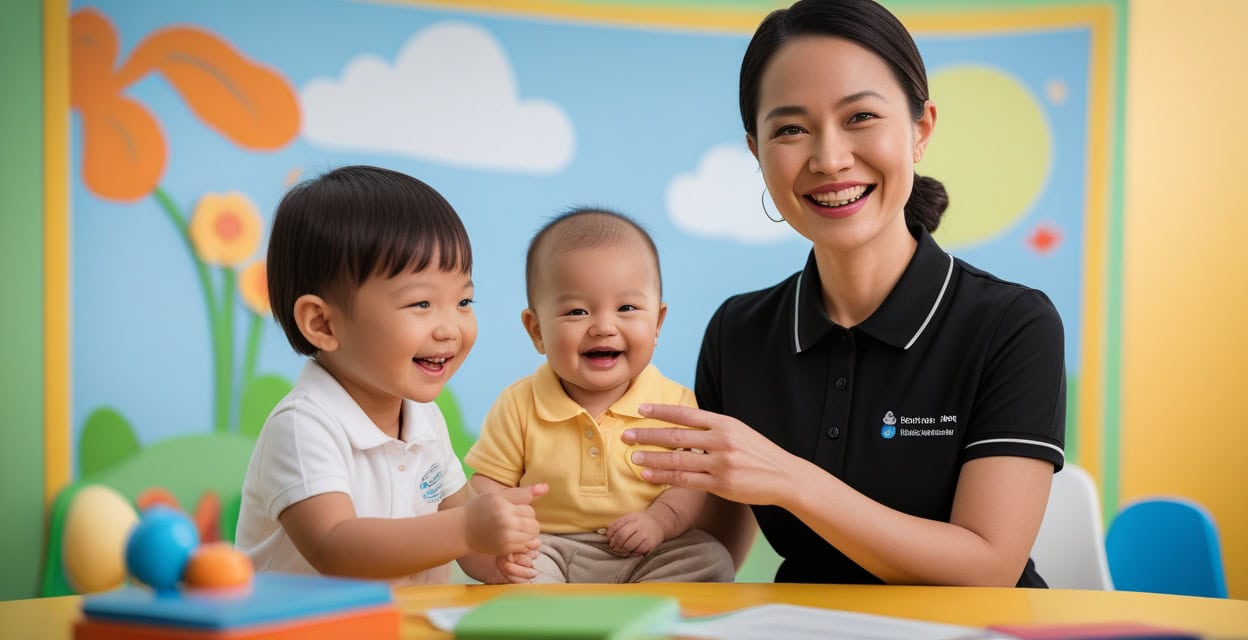
Topic Five: The Purpose of Childminders—Civic Stewards of the First Thousand Days
Childminders are not substitutes for parents; they are civic stewards who extend a family’s love into the community. EduNanny’s commitments reflect this broader social mission.
Three Commitments that Define Professional Dignity and Impact
- Professional dignity: Training, mentoring, and stable schedules that elevate care into a respected career. The Maximum Employment Mandate supports local job creation and career growth in caregiving.
- Near-home trust: Pods embedded in neighborhoods reduce commute stress, preserve infant routines, and honor the languages and cultural rhythms of each community.
- Family partnership: A blended model—center-based, home-based, and distance supports—built on co-design with families, not a one-size-fits-all approach.
Practical approaches for families to engage with caregivers as partners:
- Co-design care plans: Involve both parents and caregivers in setting routines, milestones, and communication styles from week one.
- Regular, structured communication: Short daily notes plus weekly check-ins help align expectations and adapt to changing needs.
- Shared decision-making: Treat parents as co-authors of the care story, with space for feedback and adjustments as the child grows.

How EduNanny Makes Infant Care Exceptional in Singapore
EduNanny integrates multiple care modalities into one coherent ecosystem—Center-Based, Home-Based, and Distance support—so families can blend options as needs evolve.
- Choice with coherence: A unified system that preserves routines and relationships across settings.
- True accessibility: Islandwide presence, seven days a week alignment, and affordability from $33/day with CDA/Baby Bonus support.
- Precision attention: A 1:3 infant ratio that enables attentive care, safer sleep, and unhurried routines.
- Design that teaches: Floor-based play, natural light, secure sleep environments, and calm acoustics that make the room itself a teacher.
- Transparency that builds trust: Live visibility windows, daily notes, and open family partnerships.
- Cultural resonance: Bilingual communication, inclusive feeding practices, and respect for family traditions in daily rituals.
- Social mission: A national initiative that dignifies caregivers, expands local employment, and strengthens neighborhood cohesion.
A Practical Snapshot of Benefits
- Excellence you can feel in the room and see in the data.
- Three-care-models working in harmony—Center-Based, Home-Based, and Distance support—to flex with real life.
- Convenience: islandwide access, near-home pods, Monday–Friday, 7am–7pm.
- Affordability: from $33/day; CDA/Baby Bonus payment support.
- Safety: 1:3 infant ratio; safe sleep protocols; modern, calm spaces; hygiene and health protocols; privacy-respecting CCTV.
- Learning: floor-led, play-rich, attachment-first pedagogy aligned with developmental science.
- Transparency: live updates, daily observations, and parent co-planning.
- Community and employment: a national framework that creates good jobs for great care in every neighborhood.
- Seamless access: EduNanny.com and Childminding.EduNanny.com for tours, waitlists, and onboarding.

A Brief Explainer: Why Our Model Works
- Proximity is pedagogy: Near-home care stabilizes routines and supports consistent caregiver relationships.
- Ratios are regulation: A 1:3 promise ensures there is always someone available to notice cues, protect safe sleep, and provide unhurried care.
- Floor-time is thinking: Movement and guided exploration lay the foundation for cognitive and motor development.
- Transparency is trust: When families can see, ask, and shape the plan, partnership becomes practice.
- Care is infrastructure: Childminding is a public good that strengthens families and the broader economy.

Conclusion: Who, What, When, Where, and How Childminding Matters
Who: Every infant deserves to be safe, soothed, and seen. Every parent deserves partnership and peace of mind. Every childminder deserves dignity and growth.
What: Childminding as a public trust—attachment-first care that turns daily routines into a living curriculum of safety, regulation, exploration, and language.
When: The first thousand days—when the architecture of attention, resilience, and joy is most malleable and most important.
Where: Near home, across Singapore—center-based, home-based, and distance care woven together, Monday to Friday, 7am–7pm.
How: With a 1:3 promise; floor-level pedagogy; modern layouts; CCTV innovation; trained, attuned caregivers; affordability from $33/day; CDA/Baby Bonus payment; transparent family partnerships; and a National Social Initiative that dignifies the profession and expands employment.
The philosophy and purpose of EduNanny Childminding are simple and strong:
– Calm is a right. We design for predictability so infants can rest easy and learn deeply.
– Connection is the method. We meet the child’s state before we add a task.
– Curiosity is the goal. We widen the world in small, safe steps so initiative grows.
– Community is the engine. We lift caregivers, include families, and keep care close.
If you remember one image tonight, let it be this: a caregiver kneeling at eye level, the light low and warm, an infant reaching for a soft ring, a smile crossing two faces at once. In that small moment—anchored, aligned, and allowed—Singapore’s future is practicing its first breath of confidence.
We invite you to visit EduNanny.com or Childminding.EduNanny.com, to walk a room with us, to feel the calm, and to let the quiet excellence of early care become your family’s daily companion.
Because how we begin is how we belong. And with EduNanny, we begin well—together.
Practical Next Steps for Parents and Caregivers
- Schedule a room walk-through: Request a guided tour of both center-based and home-based pods to compare environments, routines, and caregiver interactions.
- Ask to review a sample daily observation log: Look for consistency, responsiveness, and the level of descriptive detail about infant cues and progress.
- Create a home-care collaboration plan: Establish a shared calendar for feedings, naps, and key milestones; set weekly check-ins with your caregiver.
- Pilot a near-home care routine: Try alternating weekend or after-work shifts with a trusted caregiver to reduce transitions and support continuity for your infant.
- Participate in ongoing training or webinars: Engage with EduNanny’s developmental sessions to align home practices with on-site pedagogy.
Note: This article reflects EduNanny’s model and practices in Singapore, including proximity-based pods, 1:3 ratios, and the ECDA Childminding Pilot timelines.
Visit the EduNanny ecosystem for tours, waitlists, and family onboarding at EduNanny.com and Childminding.EduNanny.com.
[#EduNannySingapore, #InfantCareSingapore, #EarlyChildhoodDevelopment, #NearHomeChildminding, #SingaporeECDA]