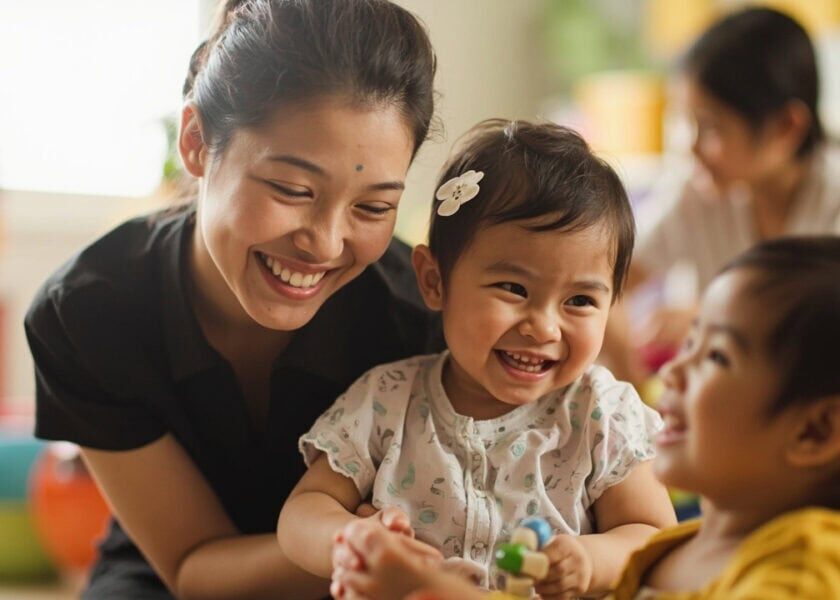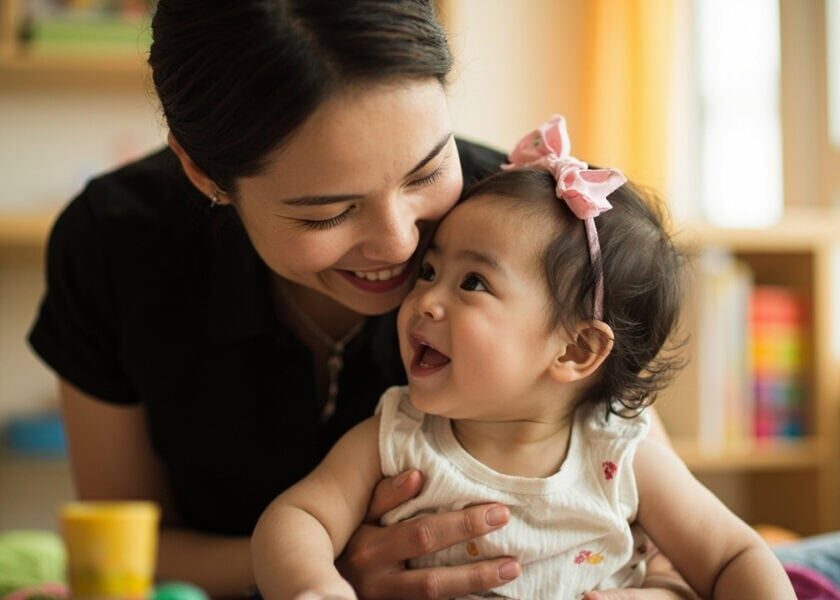
Eye Level Trust and Near Home The EduNanny Blueprint for Singapore First Thousand Days

EduNanny Singapore: An editor’s view on infant care that blends science, heart, and everyday practicality
Distinguished parents, caregivers, community partners, and friends of Singapore’s youngest citizens deserve a care system that is visible, trustworthy, and designed around a child’s earliest years. EduNanny speaks to that need: a modern, evidence-led childminding network built for neighbourhoods and working families, with safety, routine, and development woven into daily life. In the first thousand days, presence matters more than perfection; trust matters more than trends; and design matters because infants learn with their whole bodies, not just their eyes and ears. Below is a comprehensive, practitioner-focused guide to EduNanny’s approach, practical how-tos for parents, and actionable insights for caregivers seeking to elevate infant care in Singapore.
What is EduNanny?
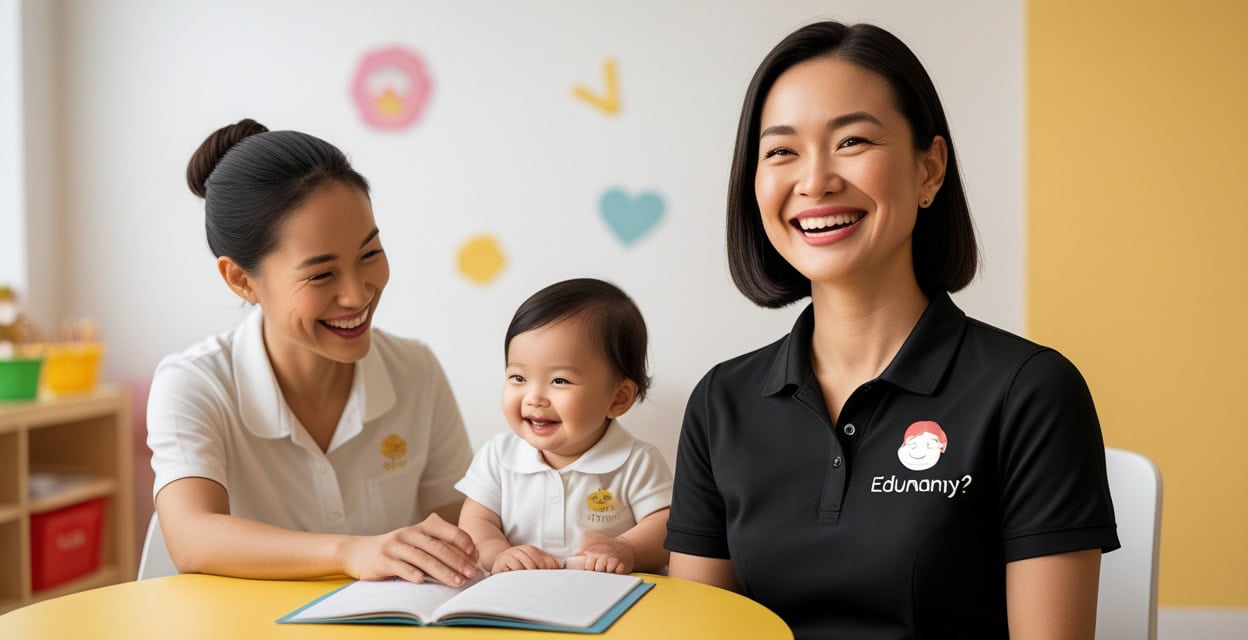
EduNanny is a modern, evidence-led childminding network designed for Singapore’s dynamic urban fabric. We offer both centre-based and home-based infant care with a transparent safety culture, consistent routines, and an ultra-low 1:3 infant-to-educator ratio. Our operations run Monday to Friday, 7am to 7pm, island-wide, ensuring care remains within reach for families at work or home. Quality is made affordable with daily rates starting from $33/day, compatible with CDA/Baby Bonus schemes to reduce administrative friction.
Security and transparency are foundational to our design. We unify design, training, and technology—CCTV transparency, modern infant-friendly layouts, responsive communication—so parents can breathe easier, infants can settle sooner, and trust can grow steadily. EduNanny operates as EduNanny by BUTLER, participating in the ECDA Childminding Pilot as part of a national social initiative with a maximum employment mandate: raising standards for infants while creating dignified, professional roles for local childminders.

How EduNanny makes infant care and childminding work for Singapore
- Neighbourhood-based access: centre-based and home-based sites across Singapore, bookable for full-day care from 7am to 7pm, Monday to Friday, close to home or work.
- Ultra-low 1:3 ratio: enables responsive attention, calmer transitions, and deeper learning through consistent adult presence.
- Transparent safety: CCTV-enabled spaces, infant-friendly layouts, daily health and hygiene protocols, and clear, ongoing communication loops.
- Flexible formats: centre-based childminding, home-based childminding, and distance support for short-term or hybrid arrangements.
- Value by design: quality care starting at $33/day with CDA/Baby Bonus compatibility to lighten administrative burdens for families.
- A civic engine: the ECDA Childminding Pilot nurtures professional childminders, elevates training, and anchors employment in communities where families live.
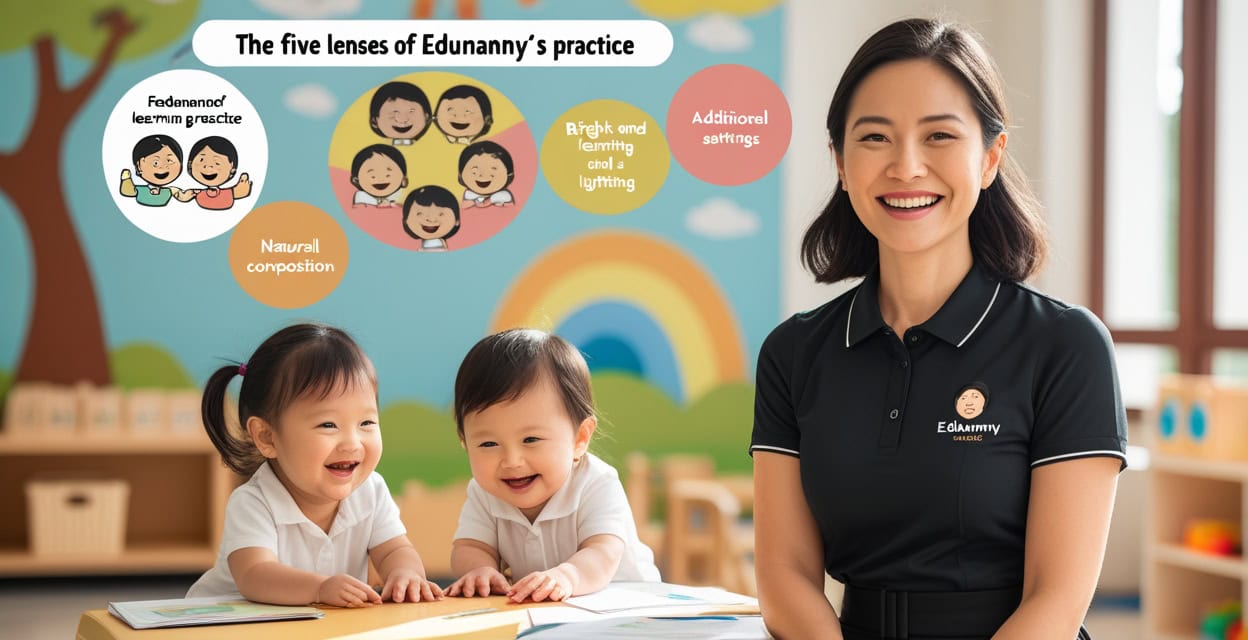
The five lenses of EduNanny’s practice
1) Pedagogy at floor level: the minute that builds a mind
Infants learn through movement, rhythm, and relationship. Our educators kneel to meet infants at eye level and follow a simple, powerful daily cycle: Notice, Name, and Nurture.
- Notice: read micro-cues—gaze, reach, turn—that signal need or curiosity.
- Name: frame what’s happening with precise language—“You’re looking for the ball,” “You’re resting your hands”—to scaffold emotional literacy and cause-and-effect thinking.
- Nurture: respond with time, touch, or space—so infants feel secure and ready to explore.
This approach honours Montessori’s respect for independence, Pikler’s trust in free movement, Bowlby’s secure attachment, and Vygotsky’s idea that growth often happens just beyond the child’s current reach. Our classroom begins on the floor; our curriculum begins with the child.
2) Safety by design: transparent, predictable, practiced
Safety is a culture, not a checklist. We design for visibility, train for consistency, and communicate without delay.
- Visibility: CCTV-enabled rooms and clear sightlines support supervision that is calm, not invasive.
- Predictability: standard operating procedures for handovers, hygiene, feeding, nappy changes, sleep checks, and emergency drills—rehearsed until second nature.
- Practice: ongoing coaching, peer observation, and daily debriefs keep teams aligned and accountable.
- Communication: timely updates on routines, meals, sleep, and moments of joy—without overwhelming families.
3) Development with dignity: four daily rivers
Every infant’s day flows through four rivers—Attachment, Movement, Language, and Rest. We protect these currents so growth occurs steadily, not under strain.
- Attachment: consistent educators and rituals for arrival, settle, and goodbye—secure bases that invite brave exploration.
- Movement: floor-time and free movement that build strength and coordination; avoid forced positions; support natural milestones.
- Language: songs, stories, parallel talk, and rich narration; respond to babble as conversation and to silence as signal.
- Rest: sleep environments that are dark, cool, quiet, and monitored; honor individual sleep cues and support gentle transitions.
Parents receive simple, meaningful records that translate minutes into milestones—so development is visible, not just data.
4) Happiness as a practice: the calm-to-curious arc
Joy is teachable, and it flourishes when environments are human-scaled, routines are predictable, and adults are emotionally available. We cultivate three daily practices:
- Warm welcome, soft landings: reduce cortisol at arrival; heighten curiosity by mid-morning; protect peaceful handovers at day’s end.
- The two-room day: active exploration and quiet retreat; help infants learn to transition between states without distress.
- The “thank you” reflex: model gratitude for effort—recognizing tiny hands that try, eyes that search, and courage to try a new texture.
5) The purpose of the childminder: a trusted professional in the life of a family
A great childminder is a bridge—between home and community, between health and learning, between now and next. Our childminders are trained, observed, and supported; they are not substitutes for family love, but specialists for family life.
- Professionalism: structured training in infant development, safe sleep practices, responsive care, and family partnership; ongoing supervision and reflective practice.
- Community anchored: both home-based and centre-based roles that create local jobs and stable relationships for neighbourhood families.
- Economic dignity: the employment mandate recognises childminding as vital work that deserves respect, progression, and fair compensation.
Practical takeaway for families: ask potential providers about their pedagogy, safety routines, educator-to-infant ratios, and how they document development. For caregivers, pursue ongoing mentorship, regular supervisory feedback, and opportunities for professional advancement.
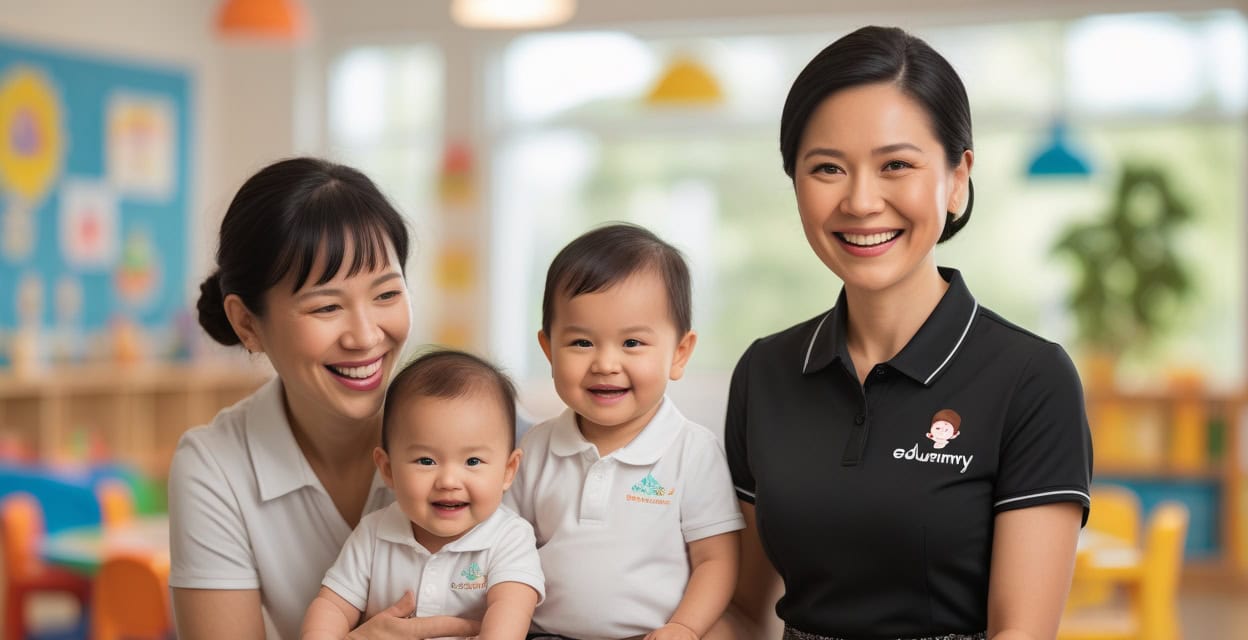
What a day looks like with EduNanny
Below is a typical day designed to balance exploration, rest, and language-rich interactions, with routines that families can adapt at home.
- 7:00–8:30: Gentle arrivals, comfort rituals, and free exploration.
- 9:00: Snack and story; language woven into daily routines.
- 9:30–10:30: Floor-time play—tummy time, reaching, baby-posting activities, and cause-and-effect play.
- 11:00: Lunch with slow feeding and exploratory conversation.
- 12:00–14:00: Protected naps; individual sleep windows; gentle wake-ups with “soft landing” rituals.
- 14:15: Sensory trays, music, and caregiver-child turn-taking games.
- 15:30: Snack and simple sign language for “more,” “finished,” and “help.”
- 16:00–18:30: Outdoor prams or terrace time where available; unhurried handovers with concise debriefs for families.
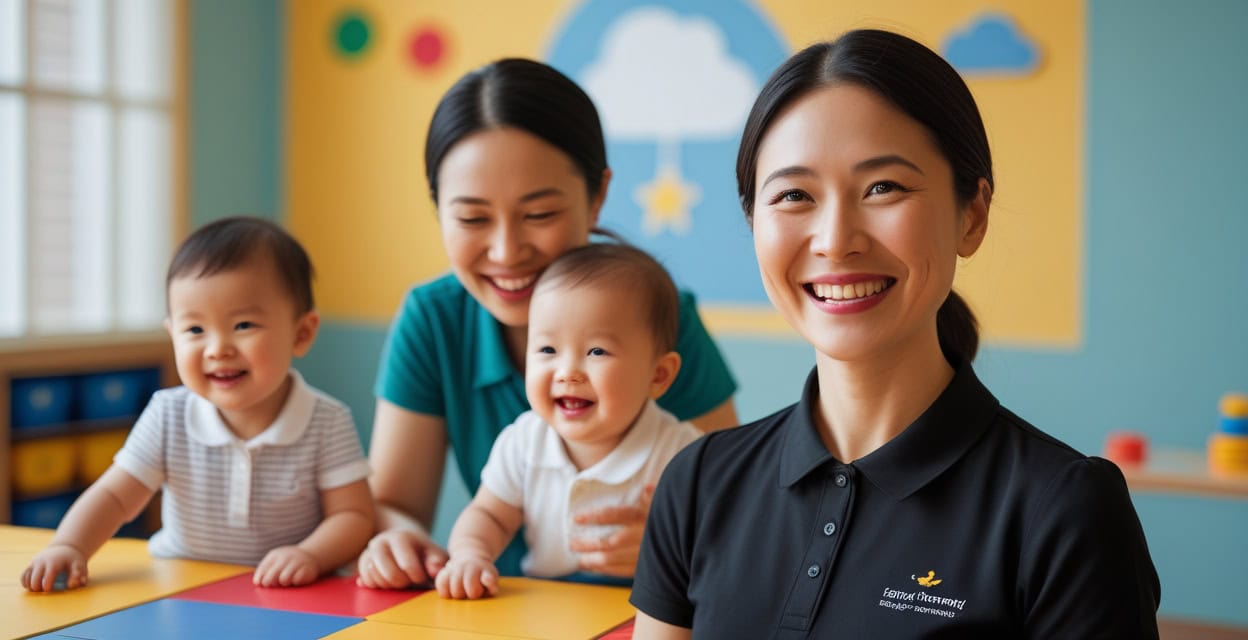
The benefits families feel
- Excellence and quality you can see: modern layouts, attuned routines, and transparent caregiving.
- Choice that fits your life: centre-based, home-based, and distance support options.
- Convenience and affordability: island-wide access, 7am–7pm hours, from $33/day, with CDA/Baby Bonus options.
- Trust built into design: ultra-low 1:3 ratio, clear communication loops, and ongoing training and observation.
- A larger purpose: enrolment supports the ECDA Childminding Pilot—advancing care quality and creating meaningful employment across communities.
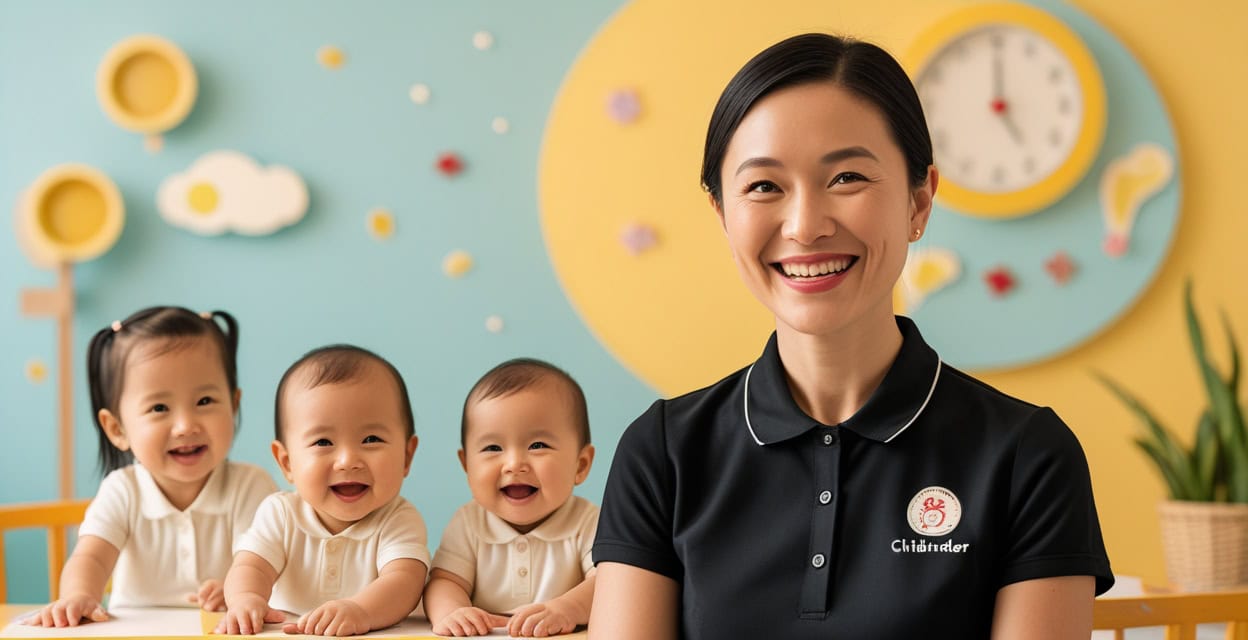
Who, what, when, where, and how—why childminding matters now
Who
- Infants from birth to three years old, families balancing work and care, and childminders building a respected profession.
What
- Reliable, relationship-led care that translates science into daily practice—safety first, development next, joy throughout.
When
- The first thousand days—the greatest window for brain growth, secure attachment, and early regulation habits.
Where
- Close to home or near your commute—centre-based rooms and home-based settings that feel human-scale, familiar, and calm.
How
- 1:3 ratio, transparent safety, trained and reflective childminders, modern environments, and pricing that respects family budgets.

Our philosophy and purpose
Nation-building starts at eye level. When an infant is seen, named, and nurtured, confidence takes root. When care is close, predictable, and dignified, families flourish. When childminders are trained, trusted, and fairly employed, a community’s moral fabric strengthens. EduNanny exists to hold these truths together—so no parent must choose between quality and convenience, or between safety and affordability.

A closing invitation
If you are a parent seeking calm mornings and confident evenings, visit EduNanny.com or Childminding.EduNanny.com. Schedule a tour at a centre, ask about a home-based place near you, or speak with our team about distance support. If you are a caregiver who believes tiny moments deserve big attention, come train and work with us. If you are a community partner, help us extend this public-spirited standard across more neighbourhoods.
In Singapore, we measure ourselves by what we make possible for the next generation. Let us make it possible for every infant to feel safe, to be curious, and to be loved in the hours when parents must be away. Let us make it possible for childminders to be recognised as the professionals they are. Let us make it possible for trust to be designed into everyday care.
Small hands. Steady hearts. A city that grows wiser by how it greets its youngest.
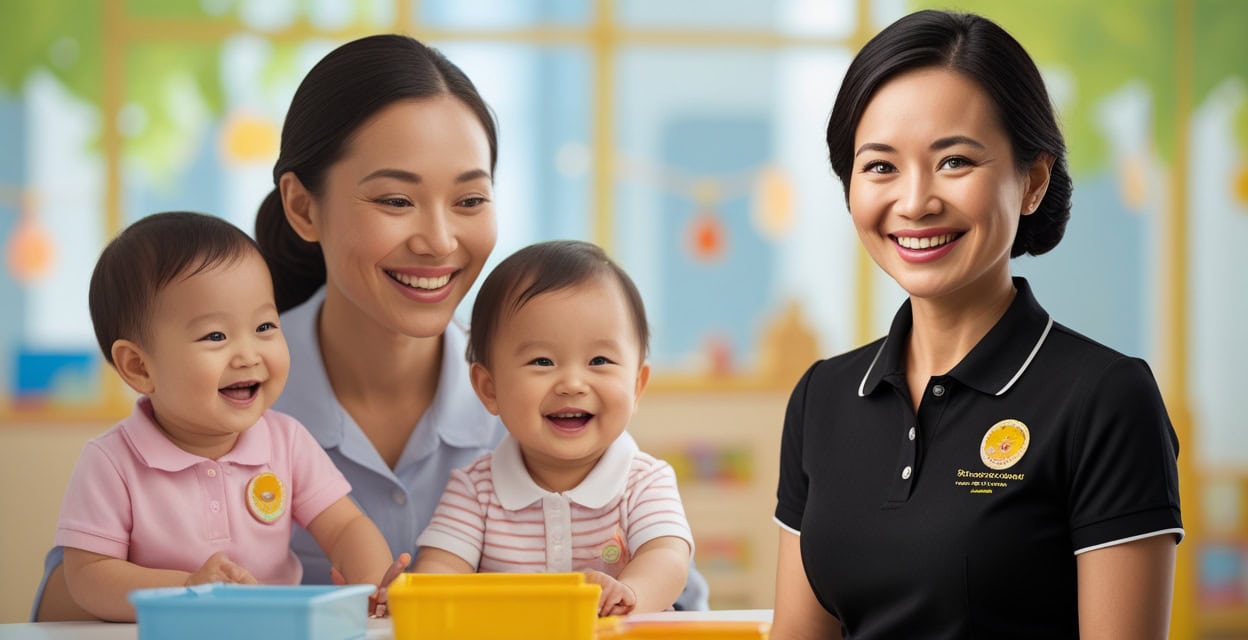
Conclusion
EduNanny’s approach centres on practical, research-backed practices that parents and caregivers can implement today. By aligning pedagogy with safety, development with dignity, happiness with daily routines, and the professional standing of childminders with fair employment, EduNanny offers a cohesive model for Singapore’s early years. Parents gain clearer insights into routines and milestones; caregivers access robust training and professional recognition; communities receive stable, dignified employment opportunities; and children experience nurturing, predictable environments that support healthy growth. We invite families, caregivers, and partners to engage with EduNanny—to tour our centres, explore home-based options, and consider distance support where it fits your life. Together, we can shape a city where the first thousand days set a strong foundation for lifelong learning and well-being.
[#keyword1, #keyword2, #keyword3, #keyword4, #keyword5]Ready to Experience Excellence?
Transform Your Family’s Journey
Discover Singapore’s leading infant care and childminding services. Expert guidance for your little one’s first thousand days.