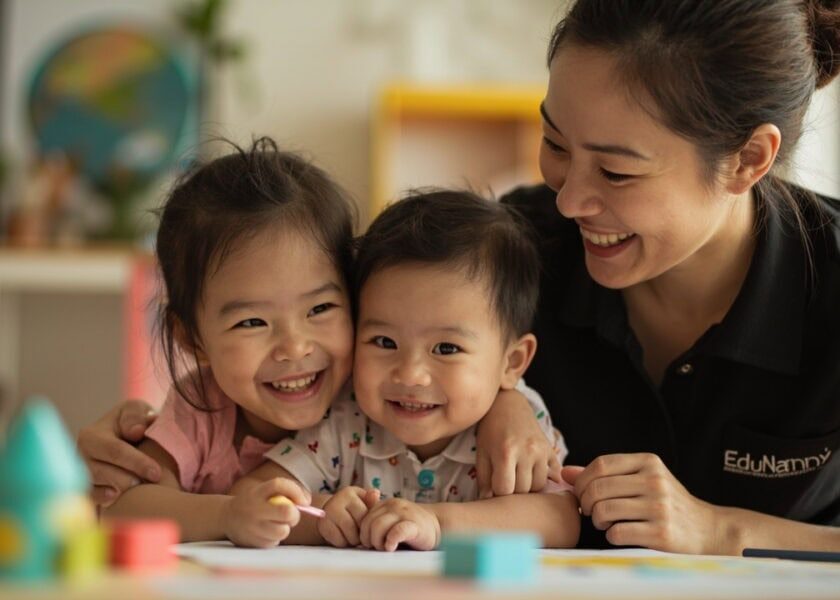
EduNanny Singapore The Gentle Architecture of Beginnings for a Nation

EduNanny Singapore: A New Standard for Infant Care in the First Thousand Days
In the tapestry of a nation, the earliest years are the threads that hold tomorrow together. EduNanny by BUTLER introduces a practical, scalable model for Singapore’s infant care landscape—where safety, dignity, and joy meet everyday precision. Built to align with Singapore’s ECDA Childminding Pilot, EduNanny creates a near‑home network of centre‑based, home‑based, and distance support care with a consistent 1:3 infant ratio and a clear purpose: safe, joyful, dignified beginnings every weekday, 7am to 7pm, islandwide.
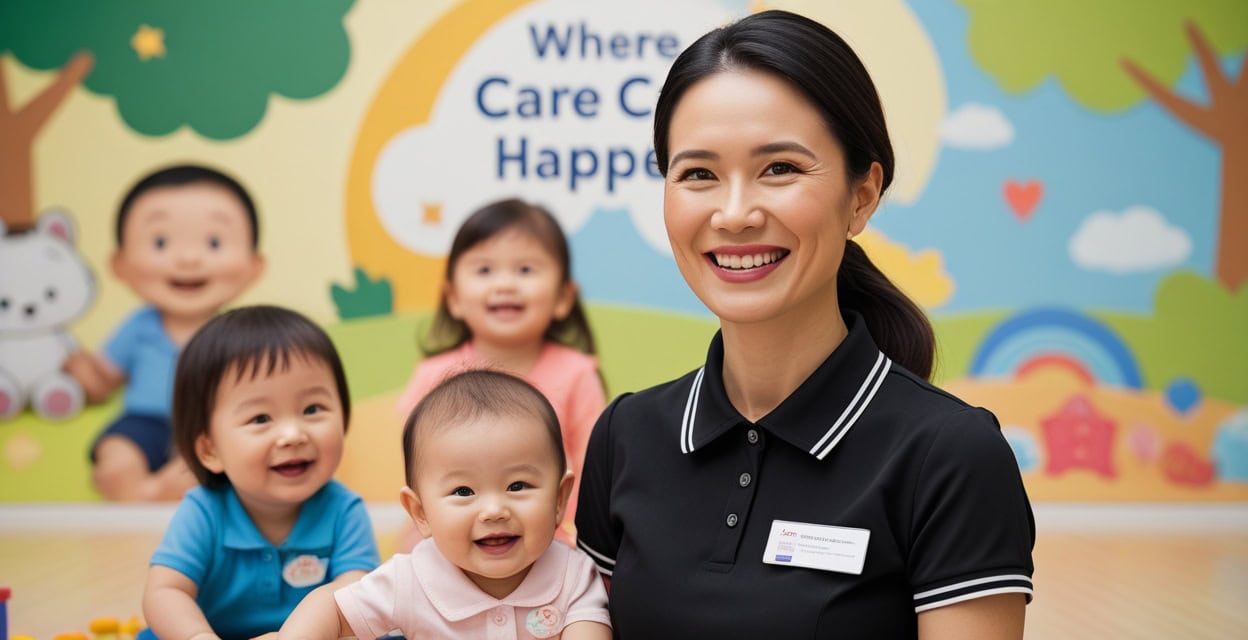
Our Model: Where Care Happens
Three Care Venues, One Shared Standard
- Centre‑based care: purpose‑built rooms near transport hubs, designed for safe exploration with modern layouts and clear sightlines.
- Home‑based pods: neighbourhood‑embedded spaces that feel like a second living room, offering intimate, consistent caregiver connections.
- Distance support: coaching and guidance for families on the move or at home, ensuring continuity of care even when the child is not in a physical classroom.
Aligned with Real‑World Family Life
Our approach is crafted for Singapore’s realities—commutes, multigenerational households, and the scientific urgency of the first thousand days. By uniting these environments under a single standard, EduNanny ensures that care follows the child, not the other way round.
The 1:3 Infant Ratio: Why It Matters
- Higher caregiver presence and responsive attention.
- Greater opportunities for individualized observation and timely intervention.
- More reliable routines around sleep, feeding, and soothing—critical for infant regulation.

Safety by Design: The Five‑Layer Mesh
Layer 1 — People
- Trained childminders, consistently deployed at a 1:3 ratio; continuous supervision and professional development.
- Mentorship and reflective practice to elevate craft and confidence.
Layer 2 — Place
- Modern layouts with rounded edges, low shelves, and clear sightlines.
- Gated zones that allow free movement while maintaining safety.
Layer 3 — Process
- Hygiene protocols, secure handovers, allergy and medication logs, set sleep checks, and incident‑ready playbooks.
- Structured routines and documentation that support parent trust.
Layer 4 — Technology
- Optioned CCTV for transparency and secure access by families.
- Digital sign‑in/out, child‑specific care plans, and audit trails.
Layer 5 — Practice
- Monthly safety drills, hazard mapping, and ongoing checks of air, light, and noise to maintain calm environments.
- Active review loops to refine safety and care practices.
Safety is not a poster; it is an architecture that parents can trust day in, day out. When safety is visible and predictable, infants regulate better, and families feel secure in the decision to return each day.
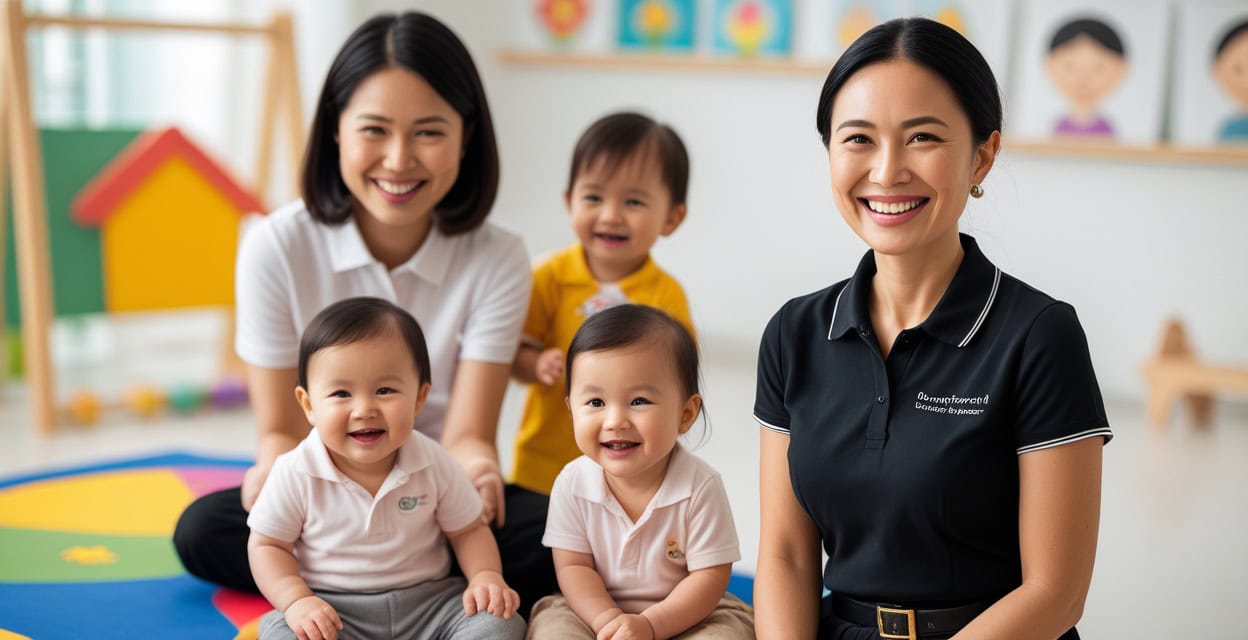
Developmental Rivers: Movement, Language, Thinking, and Belonging
Movement
Supervised floor time supports natural rolling, creeping, and early independent movement. Avoid over‑assisted devices; prioritize real objects that invite exploration. Practical home tips:
- Provide a safe play space with soft mats and accessible toys at varying heights to encourage reaching and grasping.
- Offer daily “tummy time” on a comfortable rug, gradually increasing duration as the infant shows tolerance.
- Encourage child‑led exploration by positioning safe, simple objects at arm’s reach—wooden spoons, soft fabrics, nesting cups.
Language
Descriptive, responsive talk builds a foundation for later literacy. Practices to adopt at home or in care:
- Slow, clear speech with name‑reading of objects and people in the environment.
- Responsive turn‑taking: pause after a word or gesture and allow the infant to respond.
- Daily singing and rhythm—toe taps, finger plays, and simple bilingual exposure if requested by families.
Thinking
Open‑ended materials nurture problem solving and curiosity, blending play with learning:
- Provide simple cause‑and‑effect activities: soft scarves for tracking, wooden rings to manipulate, treasure baskets with safe everyday items.
- Use object permanence games and gentle, repeated challenges that suit the child’s pace.
Belonging
Belonging grows through predictable caregivers, small groups, and rituals that reflect family life:
- Family photos at child eye level; routines that echo home life where possible.
- Participation in cultural songs and finger plays that honour home languages and identities.
These rivers do not run with speed; they run with repetition, depth, and gentle progression—because babies learn in loops, not through one‑off novelty.
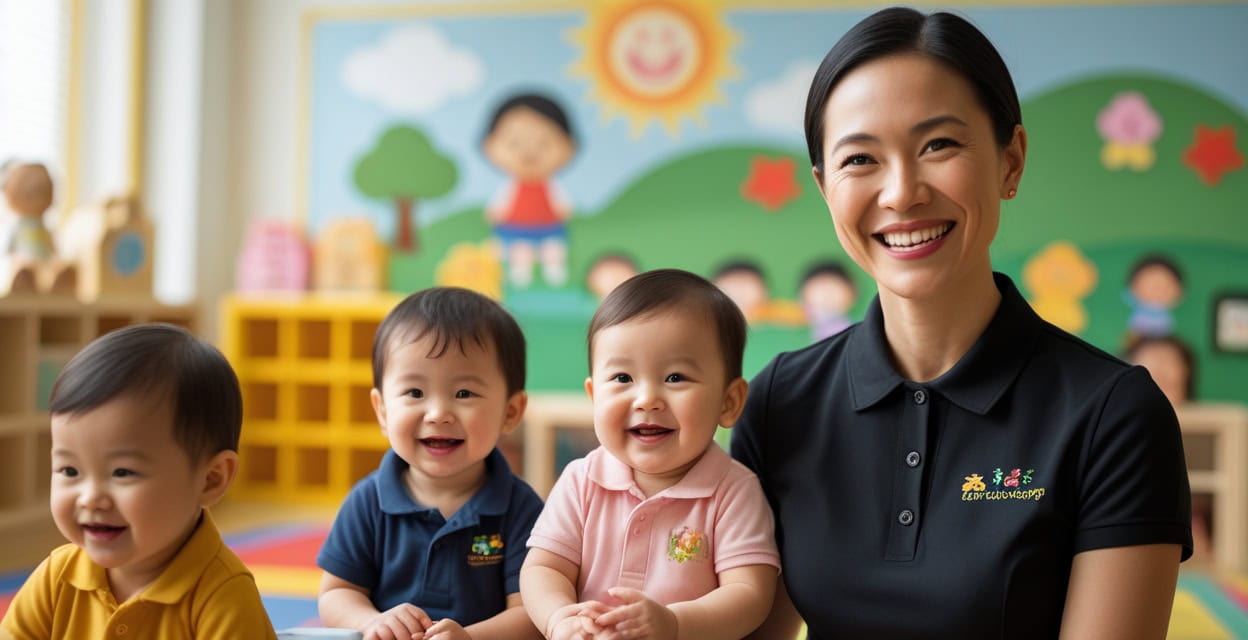
A Practice of Happiness: Calm Bodies, Bright Eyes, Steady Routines
Rest
- Nap spaces that are dim, ventilated, and observed; respect individualized nap cues; practice responsive settling rather than “training.”
Feeding
- Paced bottle feeds and responsive solids; keep detailed logs for parents and coordinate with lactation support as needed.
Rhythm
- A day that feels predictable yet flexible—so children can anticipate and explore with security.
Climate
- Soft lighting, natural textures, safe outdoor time where feasible; music that soothes without overwhelming; a calm vocal tone that fosters trust.
We monitor the three signs of happy regulation: easy settling, curious engagement, and smooth transitions. When these are steady, families carry the calm into home life, reinforcing what the child experiences during the day.

The Purpose of the Childminder: A Civic Profession
A Clear Career Path and Professional Growth
- Structured career ladders with scholarships and ongoing learning opportunities.
- Mentorship circles and reflective practice to elevate craft and confidence.
- A Maximum Employment Mandate that creates dignified, flexible roles across estates, enabling more Singaporeans to contribute meaningfully.
Community Partnerships
- Childminders act as connectors to family services, health checks, and parenting resources.
- Local networks foster shared standards and continuous improvement—protecting both children and families.
When the caregivers are supported, turnover drops and consistency rises, delivering stable, trusted experiences for infants and their families.

What Families Can Expect from EduNanny
Availability and Hours
- Weekdays from 7am to 7pm, designed to align with modern work and commute patterns.
Locations and Access
- Islandwide: centres, in‑community home premises, and distance support options to fit different schedules and needs.
Affordability and Access
- Fees payable via CDA/Baby Bonus; daily rates starting from $33/day for select programmes and timeslots.
Transparency and Safety
- Optioned CCTV with secure access; clear policies; and open communication channels with families.
A Living Network of Consistency
- Uniform standards across centre‑based and home‑based care so quality remains consistent regardless of postcode.

Why This Moment Matters in Singapore
Singapore’s early years landscape is strong, yet there is space for a new layer that blends near‑home intimacy with professional, center‑level excellence. The ECDA Childminding Pilot offers a practical space to test, validate, and refine this layer. As a national social initiative, EduNanny’s model promises safer, calmer starts for infants, reliable care for working families, meaningful local jobs, and, crucially, trust—because the best early childhood system is the one families believe in and choose to use.
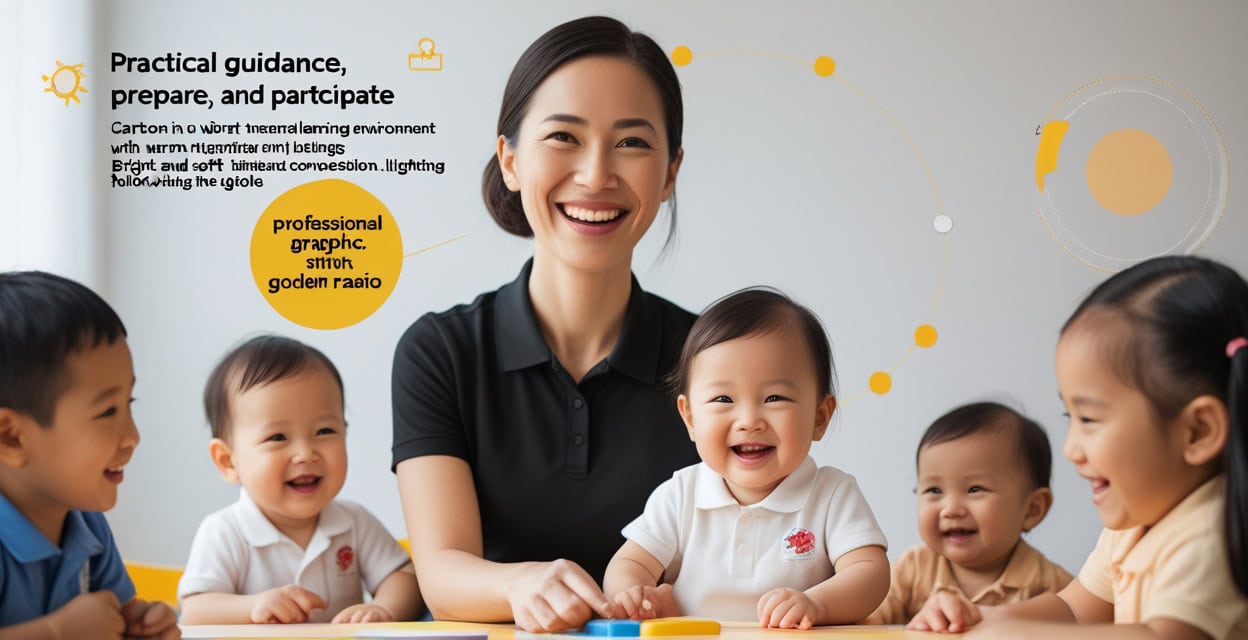
Practical Guidance for Parents: How to Engage, Prepare, and Participate
Key Questions to Ask When Choosing Care
- What is the caregiver‑to‑infant ratio, and how is it maintained across shifts?
- What safety policies exist for sleep, meals, hygiene, and emergency procedures?
- How are routines and learning opportunities documented and shared with families?
- What role does CCTV or other transparent monitoring play, and how is privacy protected?
- How are languages, cultural practices, and home routines integrated into care?
Home‑based vs Centre‑based: Pros, Cons, and How to Decide
- Centre‑based: predictable routines, structured safety, access to broader resources; higher visibility for caregivers.
- Home‑based: intimate setting, stronger caregiver relationships, potential for flexible scheduling; ensure consistency in caregiver team.
- Consider travel time, family schedule, and your child’s temperament when choosing.
Enrollment Readiness: A Practical Checklist
- Prepare family information and child records; understand required documents for CDA/Baby Bonus support.
- Observe a care session with your child to assess caregiver attunement, responsiveness, and interaction quality.
- Ask about transition routines between care settings to ensure continuity as your child grows.
What to Track and Communicate
- Daily highlights: nap quality, feeding cues, mood, and new interests.
- Medical and dietary needs: allergies, medications, and special instructions.
- Family preferences: language exposure, cultural practices, and family routines.

Opportunities for Professionals: Joining EduNanny
Building a Meaningful Career in Early Childhood
- Join a growing network focused on evidence‑informed practice and caregiver wellbeing.
- Access mentorship, professional development, and a pathway to leadership roles in communities.
- Contribute to a national pilot that shapes Singapore’s future of infant care and families’ daily experiences.
How to Get Involved
- Explore enrolment, training scholarships, and application processes through EduNanny’s channels.
- Engage with local communities, attend information sessions, and participate in feedback loops that inform program evolution.
Conclusion: A Shared Promise of Gentle Mastery, Right at Home
EduNanny envisions a future where infants receive consistent, caring attention in environments that feel like home yet are governed by rigorous safety, developmentally honest pedagogy, and family partnership. The first thousand days deserve nothing less than a precise blend of science, heart, and professional craft. If this vision resonates, invite yourself to observe a pod, speak with a childminder, and experience how quiet trust grows into confident exploration. For families ready to enroll or professionals ready to serve, step forward and join the journey.
Learn more or apply at EduNanny.com
Explore childminding options at Childminding.EduNanny.com
In every neighbourhood, in every small room, we can make the beginning worthy of the potential. That is the EduNanny promise—steady hands, safe rooms, joyful eyes, and a future built one gentle minute at a time.
Thank you.
[#earlychildhood, #infantcare, #Singapore, #EduNanny, #firstthousanddays]Ready to Experience Excellence?
Transform Your Family’s Journey
Discover Singapore’s leading infant care and childminding services. Expert guidance for your little one’s first thousand days.