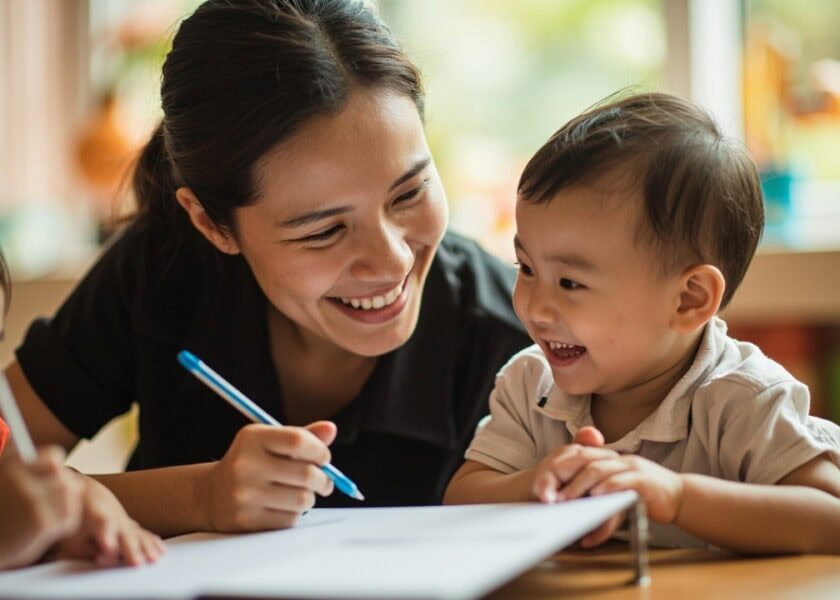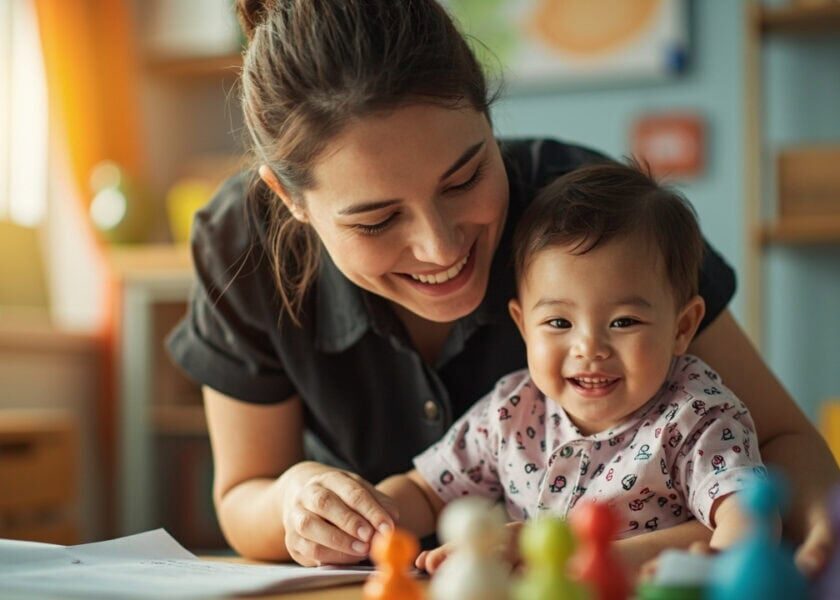
Near Home Big Futures EduNanny 1 to 3 in Singapore A Civic Craft of Safe Joyful Infancy
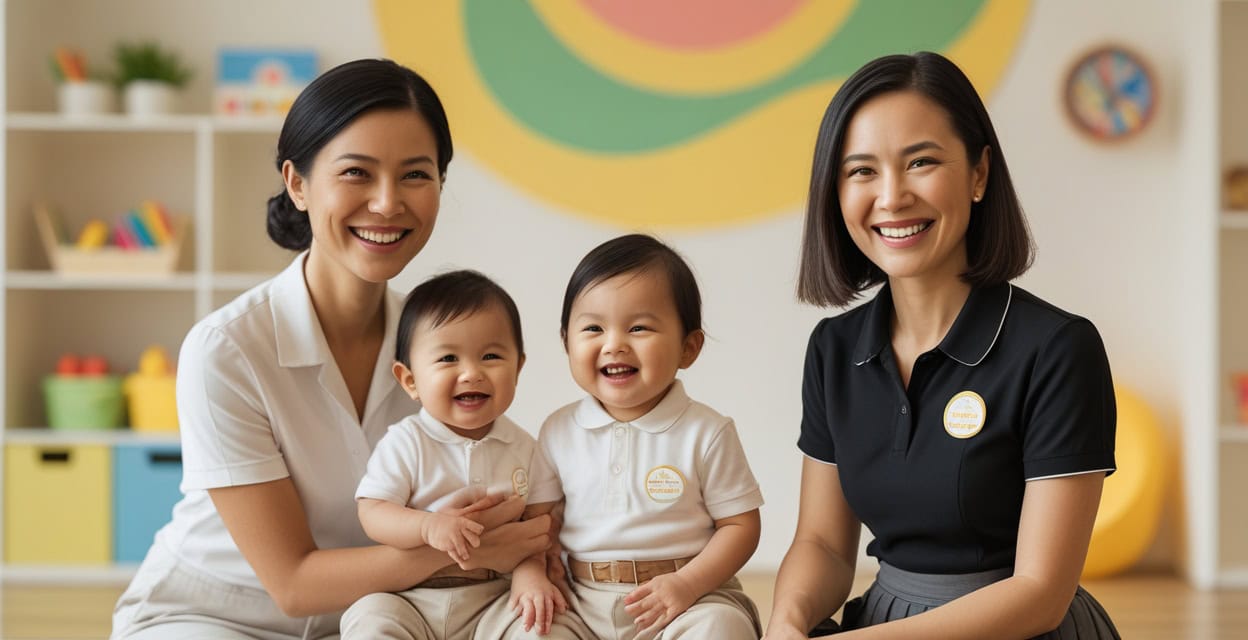
Introduction: What is EduNanny
EduNanny is a Singapore-born model of infant care and childminding that unites home-based, centre-based, and distance support into a single, reliable ecosystem for the first thousand days. Built by educators and care professionals and delivered by EduNanny by BUTLER through the ECDA Childminding Pilot, we hold a simple conviction: when care is near, ratios are low, routines are predictable, and relationships are intentional, infants thrive and families breathe easier.
Practical takeaway for families: this model translates into real choices for daily life. It means access to high-quality care that stays aligned with home rhythms, provides consistent language-rich interactions, and supports families with predictable handovers and transparent progress reporting. The goal is not merely supervision; it is intentional cultivation of secure attachments, early language growth, and joyful, curious days for infants.
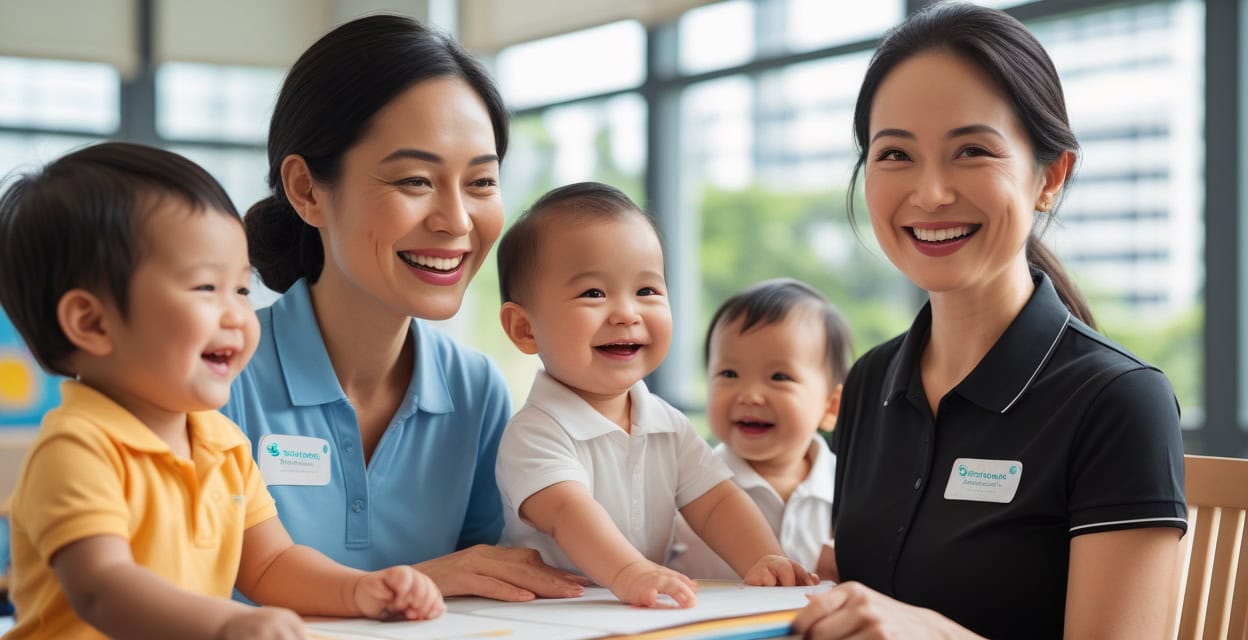
How EduNanny makes infant care and childminding work in Singapore’s everyday life
Across the island, EduNanny champions care that is close to home and near workplaces, with a standard of excellence that remains consistent wherever families live, work, or move. We design services to mirror the realities of modern Singaporean life.
- Care close to home and work: Flexible access points in communities, neighbourhood centres, and familiar streets to minimise travel time and stress for parents.
- Work‑like hours, family‑friendly rhythms: Monday to Friday, 7am to 7pm, with options that accommodate shifting work patterns and eldercare needs.
- Excellent 1:3 infant ratio: Three seats to every one caregiver, enabling individualized attention, language-rich exchanges, and secure attachment.
- Transparent design for safeguarding: Modern layouts with clear sightlines, unobstructed supervision, and CCTV in shared spaces to support accountability—while safeguarding privacy and dignity.
- Quality made affordable: Fees supported by CDA/Baby Bonus guidelines with options from as low as $33/day, so a safe, dignified start is accessible to more families.
Four Topics that Matter Now
1) Pedagogy at eye level: the Co‑Discovery Method
The first years are not about forcing lessons but about revealing learning. Our Co‑Discovery Method blends the best of Montessori with evidence from Vygotsky, Pikler, and Bowlby, all translated for Singaporean families and spaces.
- Co‑regulate first: Meet a baby’s state before a goal. Breathe with them, soften tone, and create a calm room; regulated adults help regulate infants.
- Attend and respond: Serve‑and‑return interactions—name what the baby sees, hears, or feels—to build neural pathways for language and social understanding.
- Movement as curriculum: A safe floor is a classroom—rolling, reaching, pulling up, cruising. Avoid rushing to containment; enable exploration with intentional supervision.
- Materials that invite thinking: Textured objects, varied weights, gentle sound-making items; floor‑level mirrors; open‑ended play where the child leads the moment.
- Observation as planning: Micro‑notes, short videos (with consent), and quick debriefs translating daily observations into tomorrow’s individualized plan.
Actionable tip: design a simple Co‑Discovery corner at home or in a space at the centre. Include a low shelf with 6–8 open-ended toys, a mirror, a small basket of natural textures, and a quiet reading mat. Use short, daily reflective notes to capture a child’s next steps in language, fine motor, or social engagement.
2) Safety without shadows: 360° safeguarding by design
True safety is proactive, visible, and kind. We align international best practices with Singapore’s standards so that every caregiver knows what “safe” looks like, minute by minute.
- Spaces and sightlines: Layouts designed for floor‑to‑cot visibility; gated zones; slip‑resistant surfaces; appropriately sized toys; dedicated prep areas for milk and food to reduce cross‑contact risks.
- Rest and safe sleep: Firm, flat sleep surfaces; back‑lying positioning; removal of loose items; individualized nap profiles and regular checks during sleep.
- Feeding and allergy readiness: Sterile handling for expressed milk; paced bottle feeding; choking hazard awareness; readiness screening for solids; clear allergy protocols and incident logs.
- Health and hygiene: Hand‑hygiene rituals, routine cleaning cycles, proper ventilation and lighting, outdoor time with sun safety where appropriate.
- People and process: 1:3 ratio maintained, active supervision, incident drills, clear escalation steps, transparent family communication for peace of mind.
Practical safeguard tip: implement a simple daily safety checklist for carers—e.g., sleep surface checks, bottle‑handling steps, toy inspection for choking hazards, and a weekly housekeeping routine to reduce dust and allergens.
3) Development that honours rhythm: the Three Daily Rhythms
Growth is steadier when the day follows predictable pulses. Protecting three rhythms reduces stress and boosts early learning outcomes.
- The Comfort Rhythm: Feed, cuddle, sleep. Predictable sequences lower cortisol and prime the brain for nurture and learning.
- The Curiosity Rhythm: Look, reach, repeat. Tiny investigations with safe, cause‑and‑effect toys; treasure baskets; safe outdoor noticing—these spark problem‑solving.
- The Connection Rhythm: Name, mirror, smile. Warm, contingent interactions build vocabulary and social confidence. Favor short, frequent readings and sign language opportunities; celebrate attempts, not perfection.
Practical plan: map a 7‑hour window into the three rhythms, rotating activities every 25–40 minutes, and using short, daily notes to chart progress toward movement, language, and self‑regulation milestones.
4) Happiness and belonging: the Joy Protocol
Infant happiness stems from safety felt in the body and wonder invited into the room. The Joy Protocol weaves emotional literacy, culture, and meaningful play into daily care.
- A gentle start: Unhurried handovers, familiar transitional objects, and a greeter who knows family routines to ease the first moments of each day.
- Emotional literacy from day one: Simple language to name feelings, consistent gestures, and model calm recovery after upset moments.
- Culture in the cradle: Songs, stories, and words from home languages; family photos at infant eye level; care routines that reflect household values.
Practical idea: create a small “belonging album” in each infant’s space—photos of family members, a favourite toy, a transitional object, and a note about a family routine. Caregivers can reference this during handovers to reinforce consistency and belonging.
5) The purpose of childminding: a civic craft, not a stop‑gap
Childminding is a frontline profession that protects infants, strengthens families, and builds communities. In Singapore, it serves three simultaneous purposes:
- Protects infants during work hours: Converts working time into secure, nurturing time for a child.
- Strengthens families: Coaching, consistent notes, and confident handovers reduce home life stress and increase connectedness.
- Builds communities: Local caregiver jobs, trust between neighbours, and a shared ethic that the smallest among us deserve care and opportunity.
The facts parents ask for
- Service modes: Centre‑Based, Home‑Based, and Distance (virtual coaching and routines support).
- Hours and access: Monday–Friday, 7am–7pm, islandwide in community and home premises.
- Ratio: Excellent 1:3 infant‑to‑caregiver standard.
- Safety and design: Innovative CCTV in shared spaces; modern layouts with clear sightlines and hygiene standards; safe sleep and feeding protocols.
- Value and funding: Affordable options from $33/day; fees payable by CDA/Baby Bonus where applicable; ECDA Childminding Pilot support; EduNanny by BUTLER.
- Convenience: Near‑home availability, easy onboarding, and simple communication tools.
- Quality: Evidence‑informed pedagogy, consistent caregiver training, and ongoing family partnership.
- Learn more and register: EduNanny.com and Childminding.EduNanny.com
A day in the life, in brief
A typical day aims to balance predictable routines with responsive care, anchored in each child’s cues and needs.
- 7:00–8:30: Warm handovers, unhurried arrivals, and first nap windows tracked by individual sleep cues.
- 8:30–10:00: Co‑Discovery cycle—floor exploration, sensory play, micro‑reading bursts; outdoor noticing when weather permits.
- 10:00–12:00: Feeds, calm time, and nap with safe‑sleep checks at fixed intervals.
- 12:00–2:00: Movement invitations (tummy time, cruising supports), language play (songs, gestures, simple sign), and individual cuddle time.
- 2:00–4:00: Feeds, nap, and caregiver‑led observation notes to guide tomorrow’s plan.
- 4:00–6:30: Gentle play, outdoor light or corridor strolls, and debriefs with families to align next steps.
- 6:30–7:00: Predictable handovers; planning for tomorrow shared in under five minutes.
Why this matters—who, what, when, where, and how childminding shapes Singapore
- Who: Infants and families who deserve dignity, safety, and joy; caregivers whose skill is nation‑building work.
- What: Professional childminding that blends pedagogy, safeguarding, and practical help into a single daily promise.
- When: Weekdays, 7am–7pm, aligned with the moments when families need support the most.
- Where: Near home, in community spaces and home premises, across Singapore’s diverse neighbourhoods.
- How: 1:3 ratio, transparent design, individualized care plans, ongoing family partnership, and affordability that opens doors rather than closes them.
Our philosophy and purpose
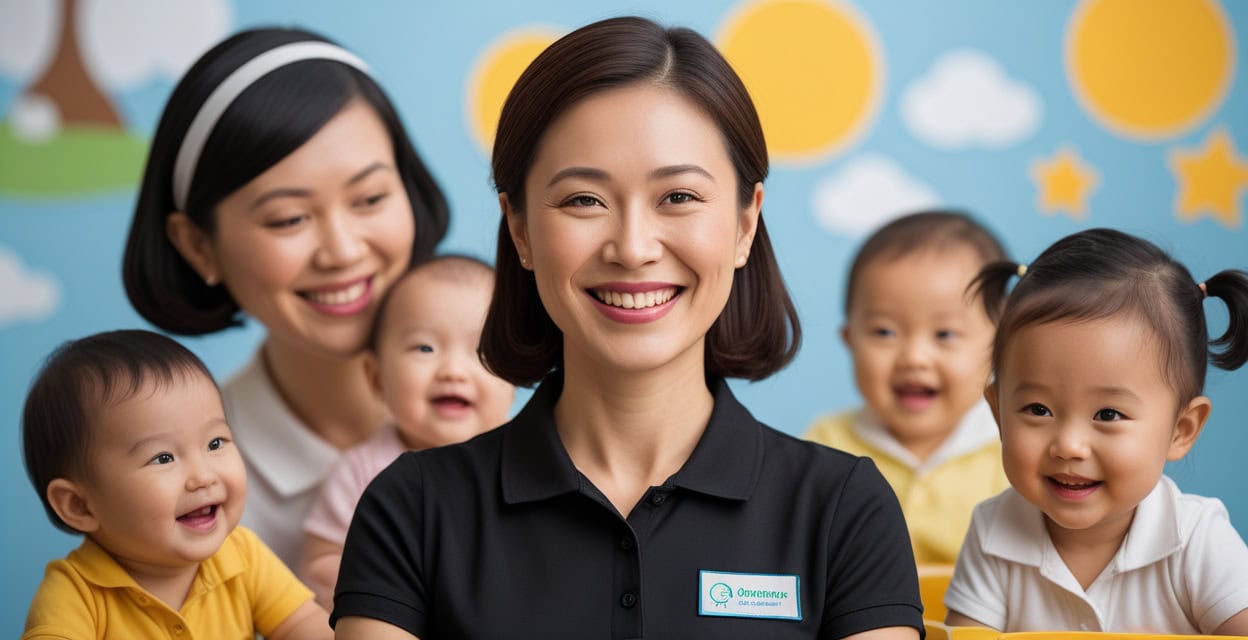
EduNanny exists to transform minutes into milestones. We kneel to meet the child’s gaze, we slow the day so learning can be heard, and we lift families by making care reliable, transparent, and close to home. Excellence is our habit, quality our baseline, presence our pedagogy. We serve so that parents can work with confidence, infants can discover in safety, and Singapore can continue to grow sturdily—one secure attachment at a time.
To every parent choosing care for the first time: you are not handing your child over; you are expanding your circle. To every caregiver considering this vocation: your calm hands and attentive eyes are part of the nation’s quiet infrastructure. And to every partner in this room: thank you for insisting that the earliest days be worthy of the futures they contain.
On behalf of EduNanny by BUTLER, thank you for your trust. We invite you to visit EduNanny.com and Childminding.EduNanny.com, speak with our team, tour a space, or request home‑based care. Let us build a safe, joyful start—together, near home, from today at 7am until the light says it’s time to rest.
Because the smallest rooms, well‑kept, can hold the biggest beginnings.
Conclusion
EduNanny’s approach to infant care blends science, culture, and civic purpose into a practical, near‑home solution for Singapore’s families. By prioritizing eye‑level pedagogy, proactive safeguarding, rhythmic daily structures, and a Joy Protocol grounded in belonging, we create spaces where infants feel seen, secure, and sparked to explore. For parents, this means calmer mornings, clearer communication, and confidence that care supports a child’s growth from their earliest days. For caregivers, it is a professional path with purpose, mentorship, and a vital role in nation‑building. For communities, it is a commitment to a safer, more connected next generation.
Ready to learn more or take the next step? Visit EduNanny.com and Childminding.EduNanny.com to schedule a tour, chat with our team, or explore home‑based care options. Join us in making the earliest days worthy of the futures they contain.
[#keyword1, #keyword2, #keyword3, #keyword4, #keyword5]Ready to Experience Excellence?
Transform Your Family’s Journey
Discover Singapore’s leading infant care and childminding services. Expert guidance for your little one’s first thousand days.