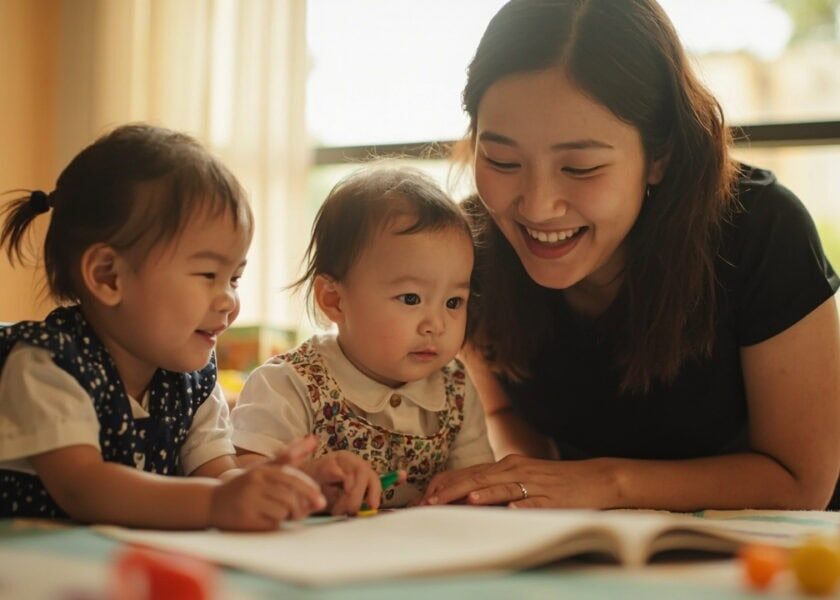
Care as Civic Infrastructure EduNanny and the Near Home Revolution for Singapore Early Years
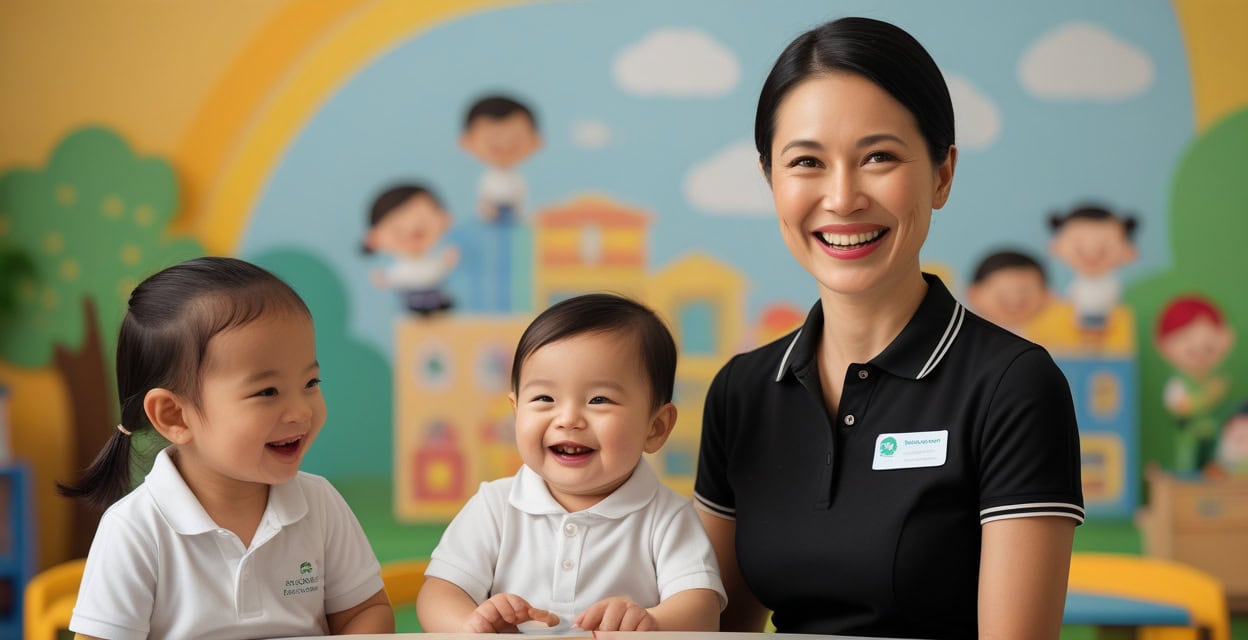
EduNanny by BUTLER: A Civic Project in Singapore’s Early Years Care
Good evening, neighbours, partners in care, and families: EduNanny by BUTLER stands as Singapore’s near‑home childminding movement that blends evidence and empathy, craft and community. We operate Monday to Friday, 7am to 7pm, islandwide, across centre‑based and home‑based sites, so calm, consistent care lives close to where families actually are. This article expands on our vision, pedagogy, and practical steps you can take as parents, carers, and community members to ensure early years care is not merely available, but worthy of a child’s astonishing potential.

The close-range pedagogy: The close-range curriculum
EduNanny’s approach to learning begins with the belief that infants learn with their whole bodies and their whole relationships. Our practical classroom is anchored in a synthesis of child development theories and real, everyday interactions. Here is how this translates into your child’s day—and how you can reinforce it at home.
What you’ll find at EduNanny
- Eye-level engagement: Carers meet babies at eye level, narrate care moments, and name cues before they become cries. This steady narration helps infants feel seen and understood.
- Minimalistic, rich environments: A few beautiful, purposeful objects rotate to invite exploration without cluttered distraction.
- Invitations to explore: A thoughtfully designed space invites grip, reach, roll, crawl, cruise, clap, babble, and bounce—each step is a deliberate invitation to progress.
- Routine as a classroom: Feeding, diapering, bathing, and sleeping are not interruptions to learning; they are the most reliable classroom moments for building routines, language, and self‑regulation.
- Micro‑interactions that matter: Dozens of one‑minute serve‑and‑return exchanges each day build attention, language, and social understanding.
Practical steps for parents and carers
- Create a simple home rhythm: Establish predictable mealtimes, diapering routines, and bedtime cues. Consistency at home supports what carers do in the pod.
- Narrate every moment: Describe ongoing actions to your child during routine times—“We’re washing hands now, one scoop of soap, two quick rubs,” and so on.
- Offer limited, meaningful choices: Let infants choose between two safe options (e.g., “Do you want the red cup or the blue cup?”) to foster autonomy.
- Engage in micro‑play goals: Plan small play moments that target a skill (grasping, eye‑hand coordination, turn‑taking) and celebrate the tiny milestones.
- Partner with carers through observation logs: Review daily notes with your childminder, noting progress and questions for the next day.

Safety you can see and safety you can feel
Safety is not a checklist to complete; it is a design to inhabit. EduNanny creates environments where calm, visibility, and well‑structured routines foster secure, confident exploration.
Key safety design and practices
- Visibility and calm: Rooms are arranged to allow sightlines so carers can monitor multiple infants without crowding.
- Age‑appropriate sleep safety: Firm, flat sleep spaces; back‑sleep positioning; continuous awake supervision during tummy time.
- Hygiene and infection control: Hand hygiene, sanitization of high‑touch surfaces, and clean diapering practices mirror professional lab standards.
- Emergency readiness: Carers trained in infant first aid and CPR, anaphylaxis response, choking protocols, and evacuation procedures.
- Secure handover: Verified identity and secure pickup procedures to protect children during transition times.
- 1:3 ratio as safety net: This ratio ensures a second set of eyes and a spare pair of hands near every child throughout the day.
- Transparent partnerships: Parents may opt for a secure CCTV feed to observe day‑to‑day care, reinforcing trust without compromising the natural rhythm of the day.
Safety checklists for families
- Ask about the room layout and sightlines; observe whether caregivers can monitor all children without being overwhelmed.
- Inquire about sleep policies and how tummy time is structured for different ages.
- Review hygiene routines: how often toys are rotated, how high‑touch surfaces are cleaned, and how handover calls are conducted.
- Discuss data and privacy: what information is logged, how it is stored, and who has access.
- Request a shadow day or a trial visit to observe the 1:3 interactions in action.
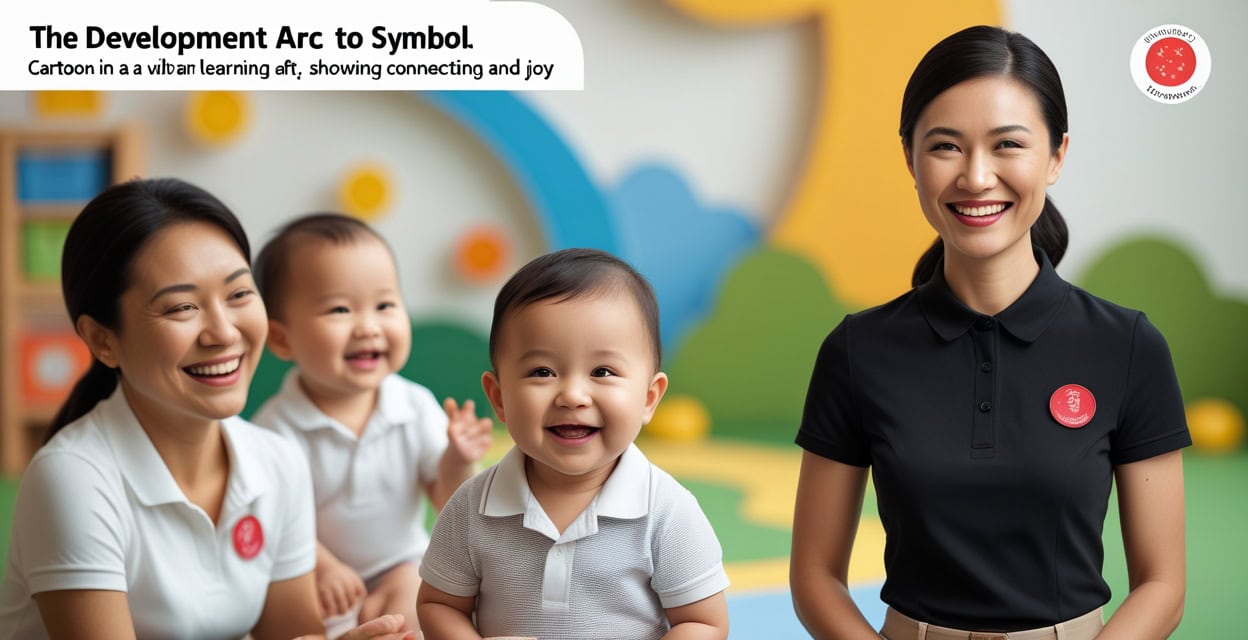
The development arc: from sensation to symbol
The first three years lay the foundation for lifelong learning. EduNanny’s approach scaffolds this journey in a structured, respectful, and joyful way.
Sensorimotor mastery
- What it looks like: purposeful reach, coordinated grasp, safe exploration of space, and early gross motor movements.
- Home ideas: set up small, stable surfaces for reaching tasks; use mirrors to encourage tummy time; provide safe, natural materials for grasping and exploration.
Language blossoming
- What it looks like: face‑to‑face talk, bilingual exposure, gestures, shared reading, and turn‑taking in conversations.
- Home ideas: narrate daily activities, sing simple rhymes in multiple languages, read aloud with hand motions, and encourage baby‑led vocal turns.
Social‑emotional foundations
- What it looks like: predictable routines, warm greetings/goodbyes, naming feelings, small‑group turn‑taking.
- Home ideas: practice brief separations with secure transitions, label emotions, and provide comforting, consistent responses to distress.
Early cognition
- What it looks like: object permanence, cause‑and‑effect exploration, and natural materials for sensory sorting.
- Home ideas: simple treasure baskets with safe natural items, water play with supervision, and gentle problem‑solving toys that reward persistence.
Collaborative growth: parents and carers
EduNanny emphasizes collaboration: we align sleep windows, feeding preferences, and developmental goals with families, celebrate small victories, and coordinate tummy‑time minutes and transitions to support a shared pathway for growth.

Joy and belonging as a birthright
Joy is not the absence of stress; it is secure connection. In EduNanny spaces, joy emerges through rhythm, quiet attention, and culturally resonant care practices.
Building belonging in daily life
- Rhythmic days: arrival song, balanced active and restful periods, unhurried mealtimes with eye contact and encouragement.
- Cultural responsiveness: familiar lullabies, textures, and foods that honor family preferences and nutrition guidance.
- Family inclusion: fathers, grandparents, and extended family welcome at drop‑off; caregivers share stories and crafts; photos and notes illustrate meaning, not just events.
Practical tips for home‑pod alignment
- Create a daily “story window” where you and your child can reflect on what went well (e.g., “What was your favorite moment today?”).
- Involve family members in small caregiving roles to build a sense of belonging and shared responsibility.
- Use simple rituals to mark transitions, such as a farewell song or a cuddle before you hand your child to a caregiver.

The profession and purpose of childminding
Care for infants is civic imagination in action. EduNanny’s approach includes a deliberate focus on building a dignified early‑years workforce and a consistent experience for families across settings.
Professional ladder and ongoing learning
- Reflective supervision and ongoing training in infant mental health basics, inclusive practices, sensory integration, safe sleep, nutrition, and responsive caregiving.
- Career development tied to practical outcomes: stable attachments, child wellbeing, family satisfaction, and developmental progress.
- A unified standard across centre‑based, home‑based, and distance services to remove fragmentation for families.
Why attention is the infrastructure
- Attention—careful, thoughtful engagement with each child—is the most precious resource in early years care. When cared for with consistent, sensitive attention, children’s brains build robust networks for attention, language, and self‑regulation.
- Caregiver wellbeing matters: breaks, planning time, recognition, and supportive supervision feed into the quality of attention children receive.

How EduNanny comes alive in daily life
Imagine a typical Monday morning in a Singaporean pod that reflects EduNanny’s values. A Hougang home‑based setting greets three infants at 7:10–7:45am: shoes off, hands washed, names sung. One child seeks extra cuddle; another gravitates to a treasure basket; the youngest glances toward a sunbeam. The caregiver kneels, narrates, waits a beat, and offers a gentle invitation to explore. By 9:30am, some drift to sleep on firm cots, while others enjoy tummy time with a mirror. Noon brings the aroma of meals, tiny spoons, and warm eye contact. After naps, water play, finger painting with edible yogurt, and a video hello to a travelling parent—“Look, Amma, I can bang and splash!” The day closes with calm notes and clear handovers. The skill here is in the practice, the attention, and the patience that grows a life.

Why families choose EduNanny
- Near‑home options: Centre‑based and home‑based sites in community and home premises, bringing care close to family life.
- Consistent hours: Monday–Friday, 7am–7pm coverage, islandwide.
- 1:3 infant ratio: Real, responsive attention and timely support for each child.
- Modern, transparent design: Open sightlines and secure CCTV for partnership with families.
- Affordability: Pathways from $33 per day, with fees payable by CDA/Baby Bonus.
- National alignment: Participation in the ECDA childminding pilot and a broader national social initiative with a maximum employment mandate.
- Continuity across settings: A unified EduNanny standard—home‑base, centre‑based, or distance support—so families experience consistency rather than confusion.

Who, what, when, where, how, and why: the brief that makes childminding matter
Who
Infants and their families; parents who deserve partners, not placeholders; childminders, whose craft turns moments into milestones; neighbourhoods that become kinder when babies are welcomed close to home.
What
Dignified, science‑led, relationship‑rich care that treats feeding, sleeping, play, and comfort as the core curriculum of the early years.
When
The tender window from birth to three, when brains grow rapidly, habits of attention form, and stress responses can set patterns for a lifetime.
Where
Across Singapore, in carefully designed centres and licensed home settings, with distance coaching that keeps home and care in harmony.
How
An excellent 1:3 ratio, trained carers, transparent operations, secure CCTV, modern layouts, clear routines, and a family partnership that respects culture, language, and choice.
Why
Because a nation that keeps faith with its youngest makes a promise to itself. EduNanny is not merely minding children; we are minding the conditions for courage, curiosity, and compassion to emerge.

Putting it into practice: a practical guide for families
To translate EduNanny’s philosophy into daily life, here are concrete actions you can take as a parent, caregiver, or community member.
- Visit and observe: Tour pods and centres; ask to observe a typical day to see the 1:3 ratio in action and the flow of micro‑interactions.
- Ask the right questions: Inquire about safety design, sleep policies, caregiver training, and how parental input is integrated into daily care plans.
- Engage in the home‑care partnership: Share routines, preferences, and milestones with carers; receive and reflect on daily notes together.
- Participate in family days: Attend drop‑off or story sessions; bring familiar songs or foods that honor family culture and language.
- Support caregiver wellbeing: Advocate for scheduling practices that allow carers time to plan, reflect, and rest—recognizing that attention is a finite resource.

Conclusion
EduNanny by BUTLER envisions a Singapore where attention to our youngest citizens is a public good, a shared responsibility, and a daily practice. We emphasise near‑home care, a transparent safety framework, a close‑range pedagogy, and a dignified workforce to support families and communities. If this vision resonates with you, take the next step: visit a pod, tour a centre, or book a conversation. Explore EduNanny.com or Childminding.EduNanny.com to learn more, ask tough questions, and see the quiet, powerful work that supports courage, curiosity, and compassion in every child.
Call to action: Reach out to arrange a visit or conversation, and join us in building a future where early care shapes resilient, creative, and caring Singaporean communities.
[#EduNannySingapore, #EarlyChildhoodCare, #InfantCareSingapore, #SingaporeChildcare, #FamilyPartnership]Ready to Experience Excellence?
Transform Your Family’s Journey
Discover Singapore’s leading infant care and childminding services. Expert guidance for your little one’s first thousand days.