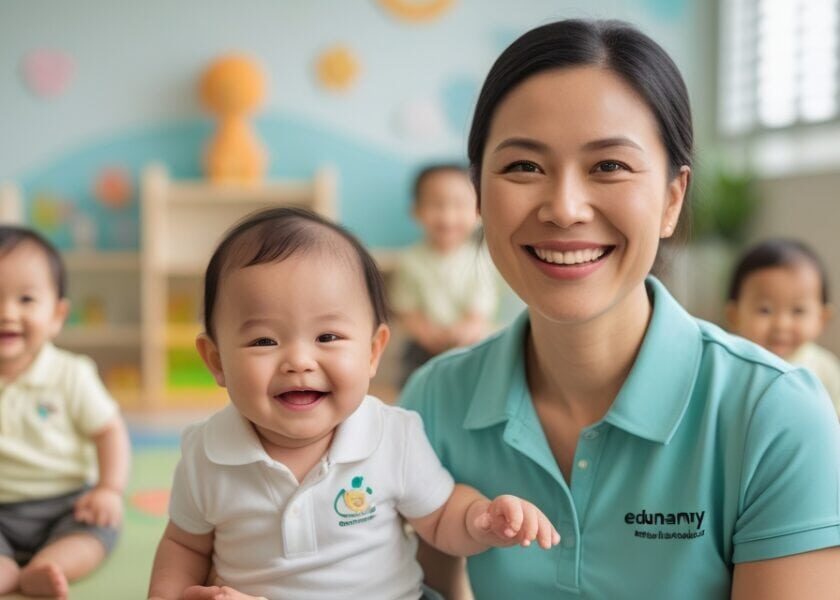
Eye Level Learning to Build a Nation The EduNanny Model for Safe Joyful Infancy in Singapore
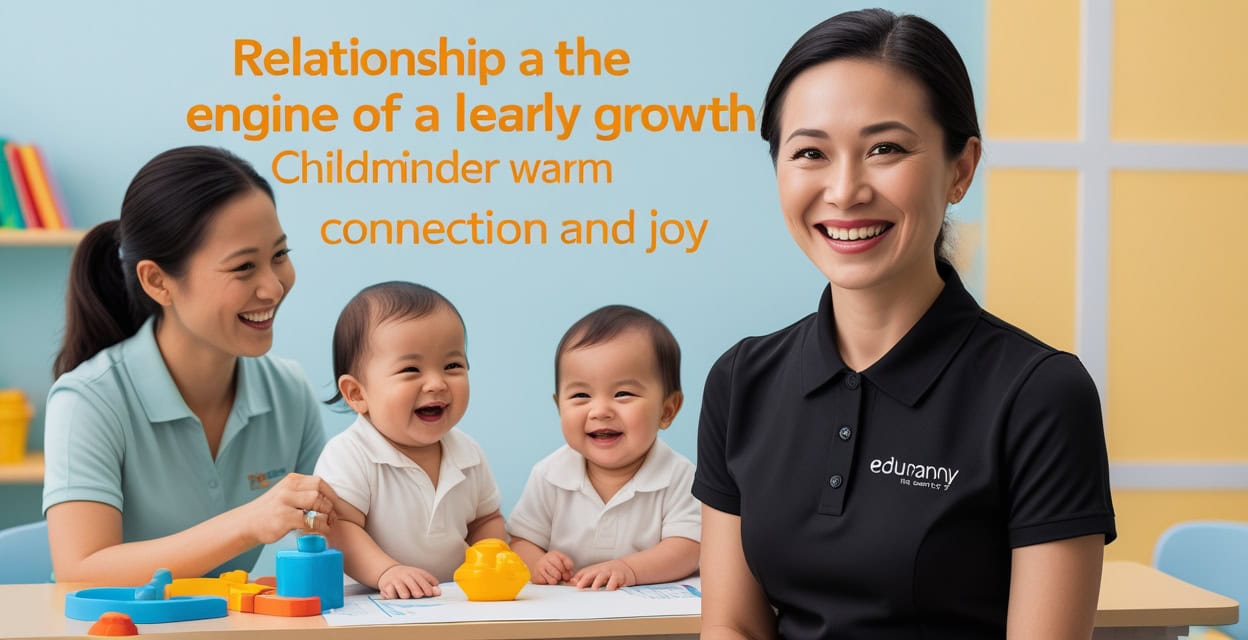
Introduction: Relationship as the Engine of Early Growth
Good early relationships power the brain, shape behavior, and set the trajectory for lifelong learning. As Montessori taught us, self-directed curiosity thrives when a child feels seen; as Bowlby showed, secure attachment becomes the bedrock of confidence. Infants grow not by schedules alone, but by the warmth, consistency, and responsive presence they experience day after day. This article translates that science into practical, scalable care for Singapore—where families move fast, and trust in caregivers becomes a daily habit.
EduNanny exists to translate those insights into reliable, affordable, and accessible care across the city. We are not merely offering services; we are building a daily culture of trust, rooted in evidence and delivered with heart. This is care that respects both the infant’s needs and the caregiver’s dignity, empowering families to participate in a shared vocation: nurturing the next generation.
Introducing EduNanny
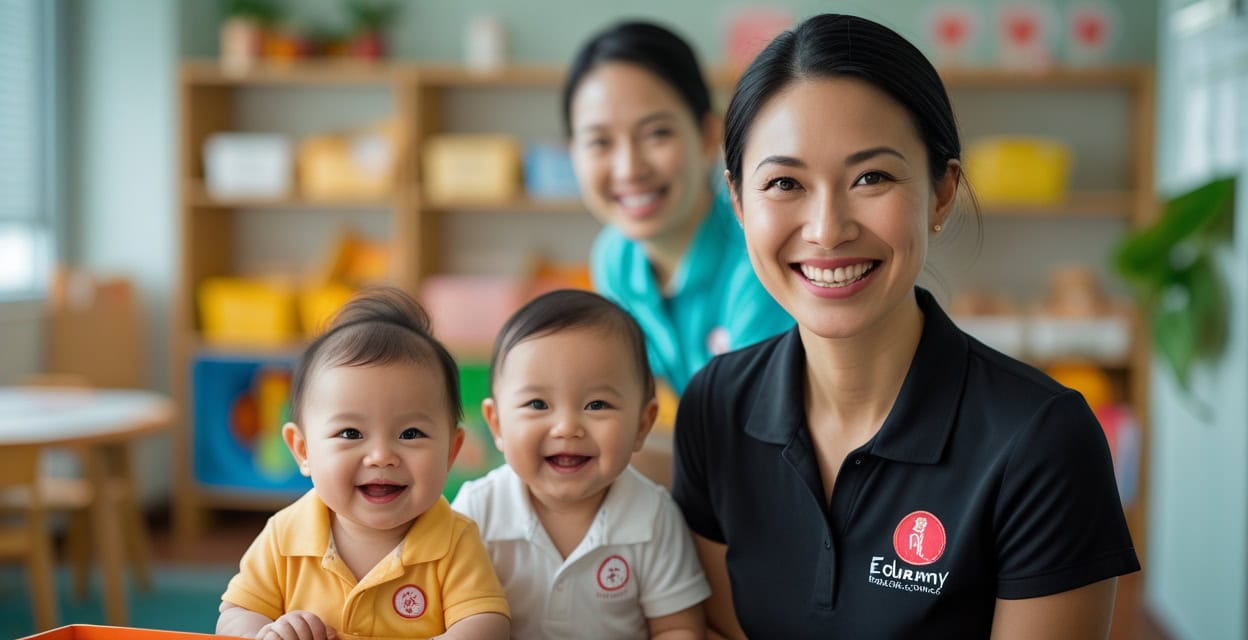
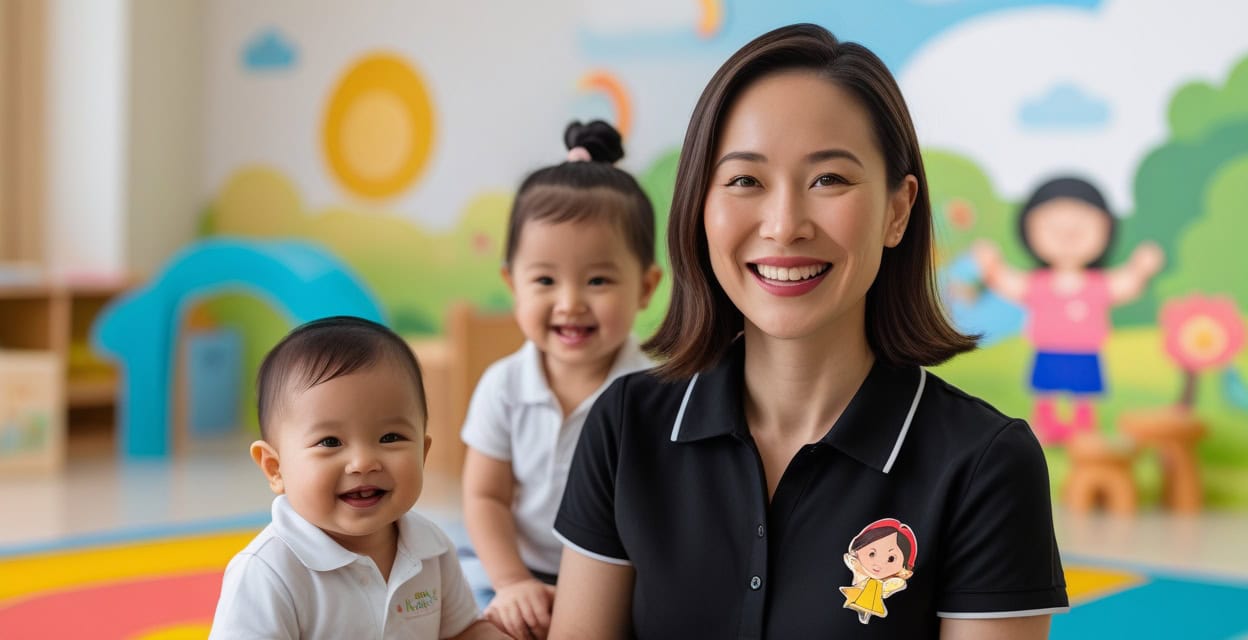
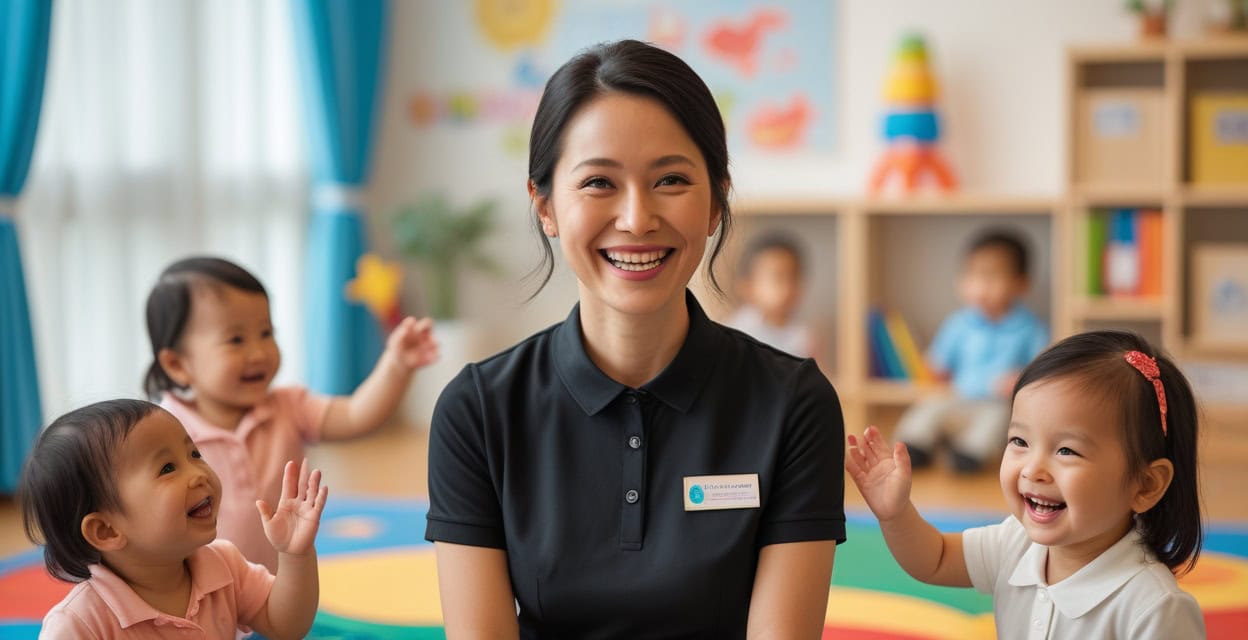
EduNanny by BUTLER is a centre-based, home-based, and distance-supported childminding movement designed to bring science and heart into the first years of life. Through the ECDA Childminding Pilot, we operate Monday to Friday, 7am to 7pm, islandwide. Our 1:3 infant standard is not a slogan; it is a working ratio that protects safety, deepens responsiveness, and allows the kind of attentive presence that turns five seconds of eye contact into five decades of confidence.
We offer modern layouts, transparent CCTV options, and a design language that keeps rooms calm, clean, and cognitively rich. We operate in both community settings and home premises. We are a National Social Initiative with a Maximum Employment Mandate, because caring for infants must dignify the people who care for them. Fees are payable by CDA/Baby Bonus, with options genuinely affordable starting from $33/day. EduNanny is reachable at EduNanny.com and Childminding.EduNanny.com, with ongoing accountability and updates.
Our approach is not about trendy buzzwords; it is about consistent, small practices that compound into big, lasting benefits. The path to great infant care is built through daily discipline, reflective practice, and partnerships with families.
Four Big Ideas for Tiny People
1) Eye-Level Teaching: The Micro-Dialogues That Grow a Brain
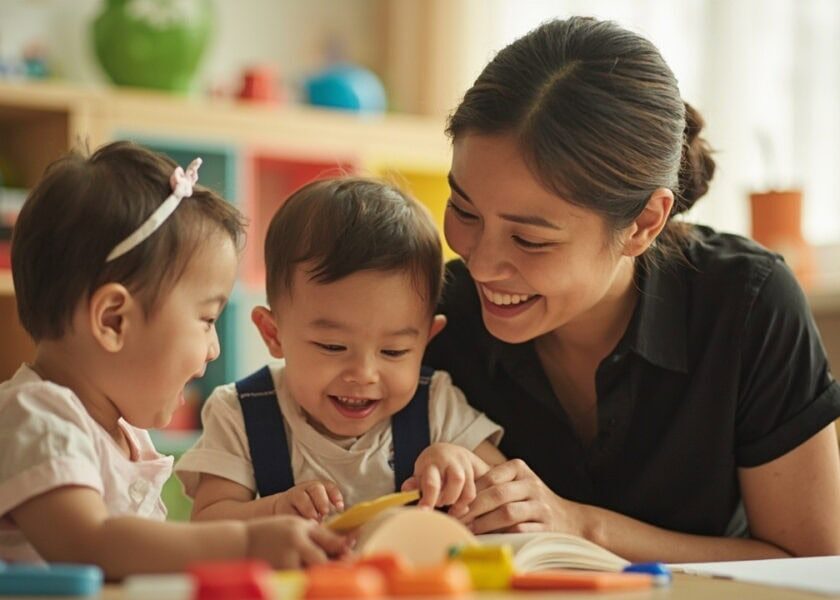
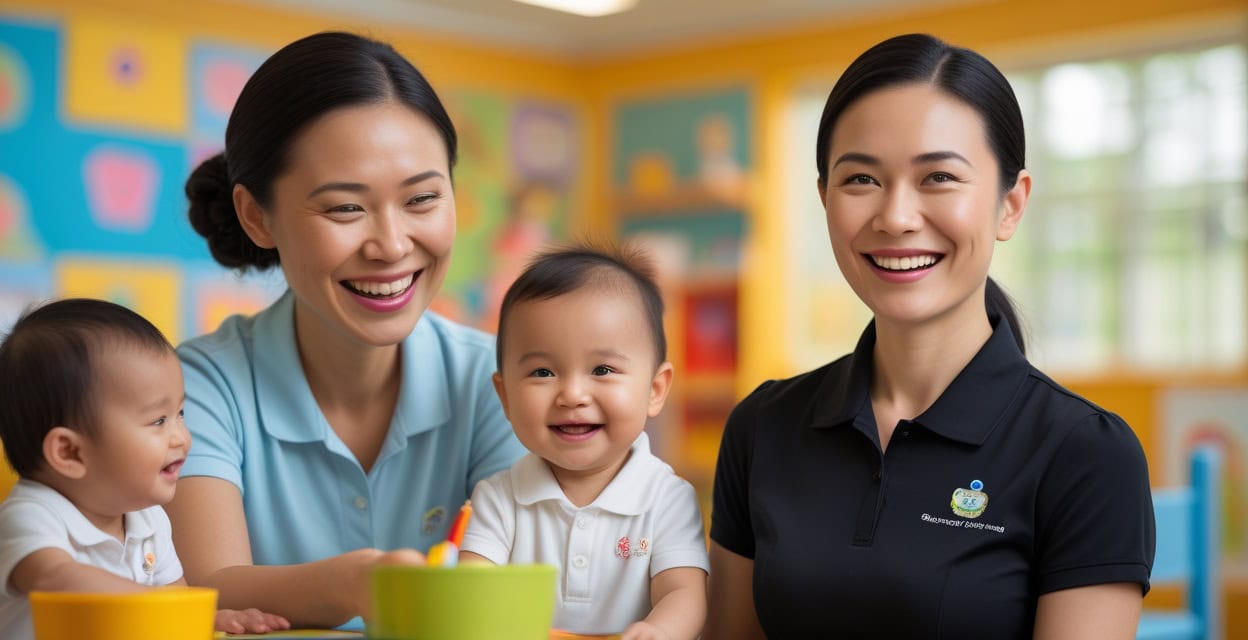
Every interaction with an infant is a conversation—long before words arrive. When a caregiver kneels, matches gaze, and mirrors an expression, they are shaping neural pathways for language, impulse control, and empathy. At EduNanny, we train childminders to practice “micro-dialogues”—8 to 12 second exchanges that align with how infants learn. Here’s how you can practice similar micro-dialogues at home:
- Read the infant’s cue: a flutter of the hand, a widening of the eyes, or a shift in breathing.
- Reflect the cue back in a calm voice and warm facial expression: “I see you’re waking up; I’m here with you.”
- Add one small idea: a soft sound, a gentle touch, or a rhythmic pour of a bottle.
- Pause and wait: give the infant time to respond with a smile, vocalization, or gaze.
Practical home tips: name emotions in real time during routine care, narrate actions, and keep a predictable tempo. This builds cause-and-effect understanding and early language skills while strengthening the caregiver–child bond.
2) Safety by Habit and Design: Layers, Loops, and Live Eyes
Safety is a culture, not a poster. EduNanny organizes safety into three layers:
- Environment: Modern layouts with clear sightlines, soft edges, anchored furniture, zones for sleep, feed, and exploration, plus meticulous sanitation.
- Procedures: “Breathe–observe–guide” transitions, two-person checks for sleep and medication, hydration and temperature logs, and clean handoffs at drop-off and pick-up.
- Technology and Transparency: Privacy-respecting CCTV options for centres and approved home settings; real-time incident protocols; clear parent communications.
Practical home and care tips: remove trip hazards, establish sleep safety routines, and create quiet zones for daily routines. Regularly review safety checklists with caregivers and update them as your child grows.
3) The Rhythm Compass: Sleep, Feed, Play, Move, Repeat
Development thrives on rhythm, not rigidity. Our Rhythm Compass aligns needs with predictable patterns while leaving room for growth:
- Sleep: Protected nap windows with dim lighting and white noise; gentle settling; safe-sleep checks by two adults.
- Feed: Responsive feeding; paced bottles; breastfeeding support where applicable; respectful weaning.
- Play: Daily sensory invitations that vary weekly; soft fabrics, natural objects, and musical play; language-rich narration.
- Move: Tummy time, rolling, reaching, crawling; celebrate small victories and avoid pressuring milestones.
Practical home guidance: observe your child’s natural rhythm and tune daily activities to their cues. As a child grows, gradually introduce longer focus periods and simple, safe choices to nurture autonomy.
4) Joy Literacy: Warmth and Wonder as a Child’s First Language
Before phonics, children learn through joy and warmth. “Joy literacy” is the language of secure attachment—where every morning greeting, every diaper change narration, and every floor play moment becomes a shared moment of wonder. Practical steps for families:
- Offer a calm, unrushed hello that respects the child’s pace.
- Narrate routines with positive language: “We’re a team; I’m with you.”
- Incorporate small moments of surprise and repetition to build anticipation and laughter.
Key indicators for parents: your child seeks eye contact for reassurance, demonstrates curiosity after a short separation, and naps more easily when the day has been gentle and predictable.
The Craft and Calling of the Childminder
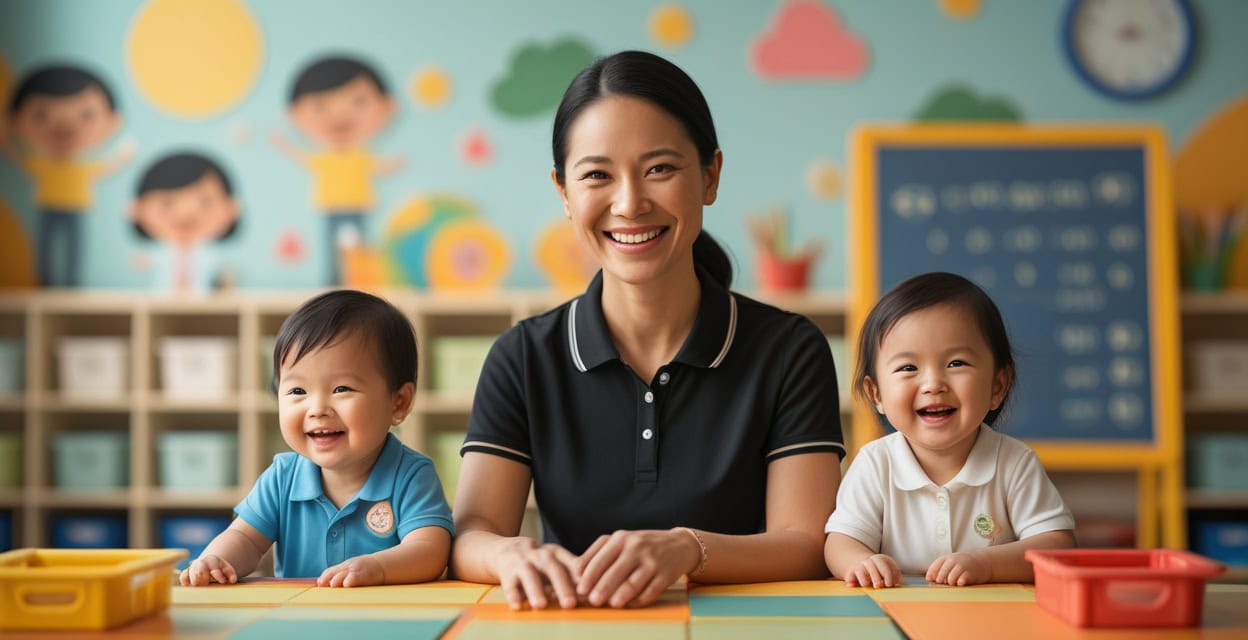
A childminder is an artisan of attachment, a scientist of cues, a translator of pre-verbal needs, and a guardian of growth. The vocation requires patience, training, and a steady hand. EduNanny honours this craft through:
- Structured training that builds observational skills, reflective practice, and responsive caregiving.
- A career ladder that rewards mastery and ongoing professional development.
- A 1:3 infant standard to protect attention, safety, and attunement.
- Journaling, debriefs, and parent dialogues that capture insights and share learning.
- Care that is culturally rooted and inclusive, reflecting Singapore’s diverse families.
Practical guidance for parents: seek caregivers who document daily observations, provide clear explanations of routines, and invite parental involvement in care decisions. A strong caregiver–family partnership is the backbone of quality infant care.
What EduNanny Offers Today
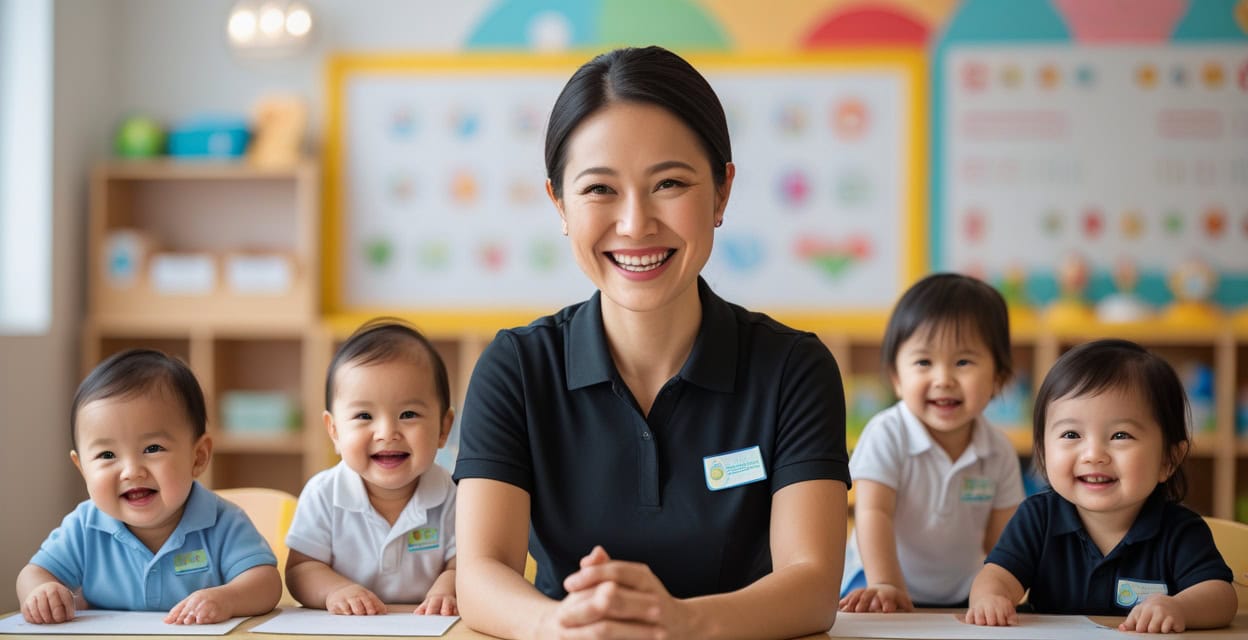
- Excellence and quality across centre-based, home-based, and distance-supported care
- Monday to Friday, 7am–7pm availability, islandwide
- 1:3 infant standard for deep attunement and safety
- Innovative CCTV options and modern layouts for calm, visible rooms
- Community and home premises, with consistent safety design
- Affordable options from $33/day; fees payable by CDA/Baby Bonus
- ECDA Childminding Pilot participation as a National Social Initiative
- Maximum Employment Mandate supporting dignified work in local neighbourhoods
- EduNanny sites: EduNanny.com and Childminding.EduNanny.com for updates and reviews

Why Singapore Needs This Now
Our city is fast, parents are stretched, and the first thousand days set trajectory for future learning and resilience. Investing in infant care builds long-term societal benefits—lower remediation costs, reduced dropout rates, and enhanced literacy and empathy. Trust is not built by a billboard; it is built by a caregiver who knows your child’s sleepy cry from their hungry one. EduNanny provides accessible, accountable, and evidence-based care that strengthens workforce participation and family well-being.

Five Practices You’ll See in Every EduNanny Day
- See–Say–Support: See the cue, name what you observe, and guide the next step together.
- Slow Hands, Soft Voices: Model regulation and calm in every interaction.
- Choice Within Boundaries: Even infants can have small daily choices to build agency.
- Clean Handoffs: Brief, warm, specific conversations during transitions to reduce parental guesswork.
- Learning in the Ordinary: Narrate everyday tasks to grow language, motor skills, and curiosity.
A Brief Word on Technology
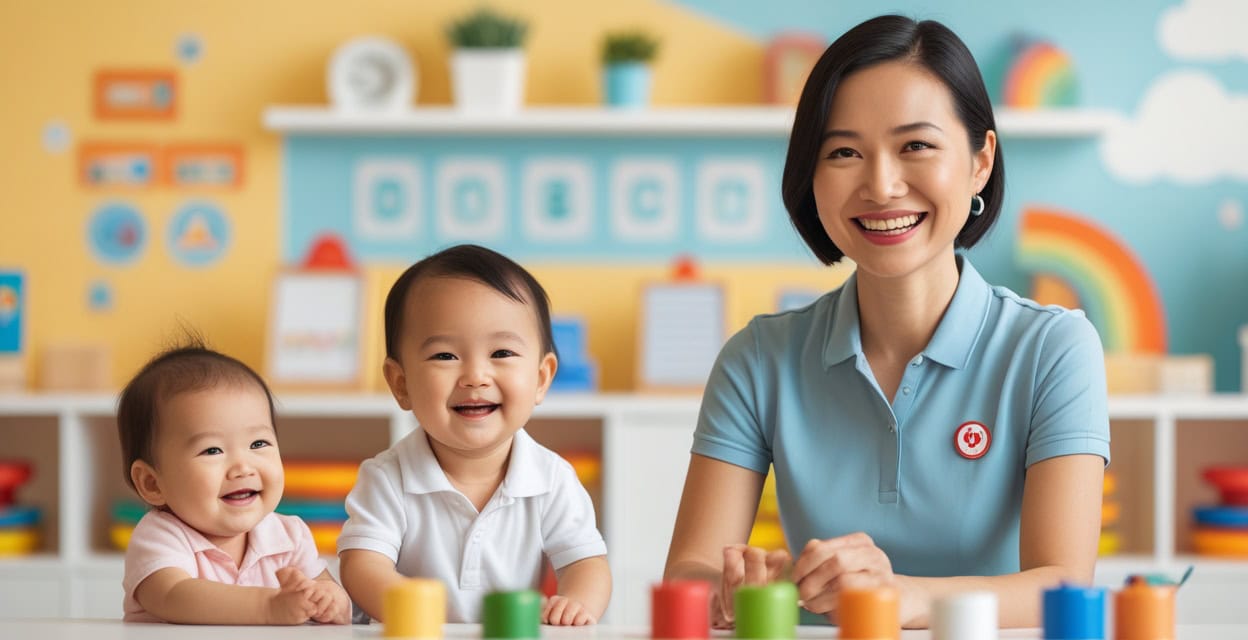
Technology serves care, not the other way around. CCTV transparency helps families feel included; digital notes aid clear communication; distance coaching supports parents when needed. In EduNanny spaces, the most advanced tool is the caregiver’s attentive presence—eye level, fully present, and emotionally attuned to the child.
A Parent’s Promise, A Public Good
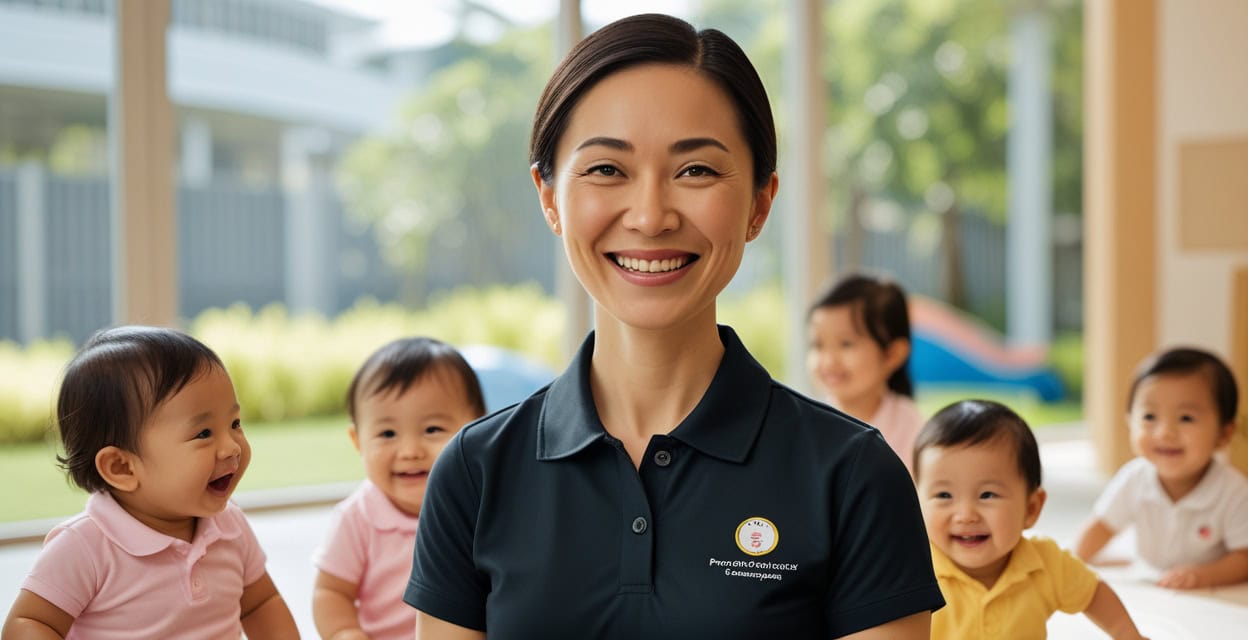
Education and care can be both private and public. When families access excellent, affordable, and accountable care, workforce participation rises, home stress declines, and social trust grows. Childminding becomes a public good—part policy, part practice—delivered through everyday acts of care and collaboration with families and policymakers.
Closing: Who, What, When, Where, and How Childminding Matters
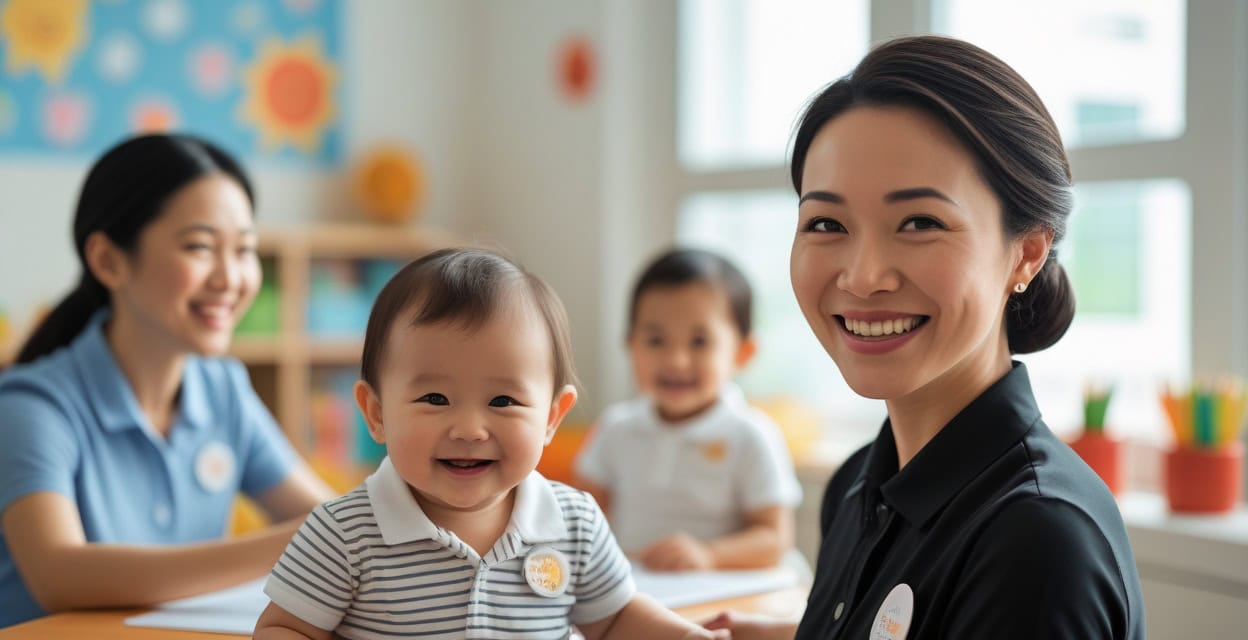
Who: Infants who crave safety and attuned attention; parents who deserve partners; caregivers whose craft shapes our future; a nation that values calm, curiosity, and competence in its children.
What: The daily choreography of safety, nurture, and learning—executed with professional care, evidence-based practice, and cultural respect. It is not babysitting; it is brain-building.
When: Now. The earliest months and years are when neural connections explode and trust habits are formed. Delay is costly; action is transformative.
Where: In EduNanny centres, approved home settings, and neighbourhoods across Singapore—where families live, commute, and gather.
How: Through a 1:3 standard that protects attention; layered safety; transparent communication; affordable access supported by CDA/Baby Bonus; and participation in the ECDA Childminding Pilot as real-world evidence of progress.
The Philosophy and Purpose of EduNanny Childminding
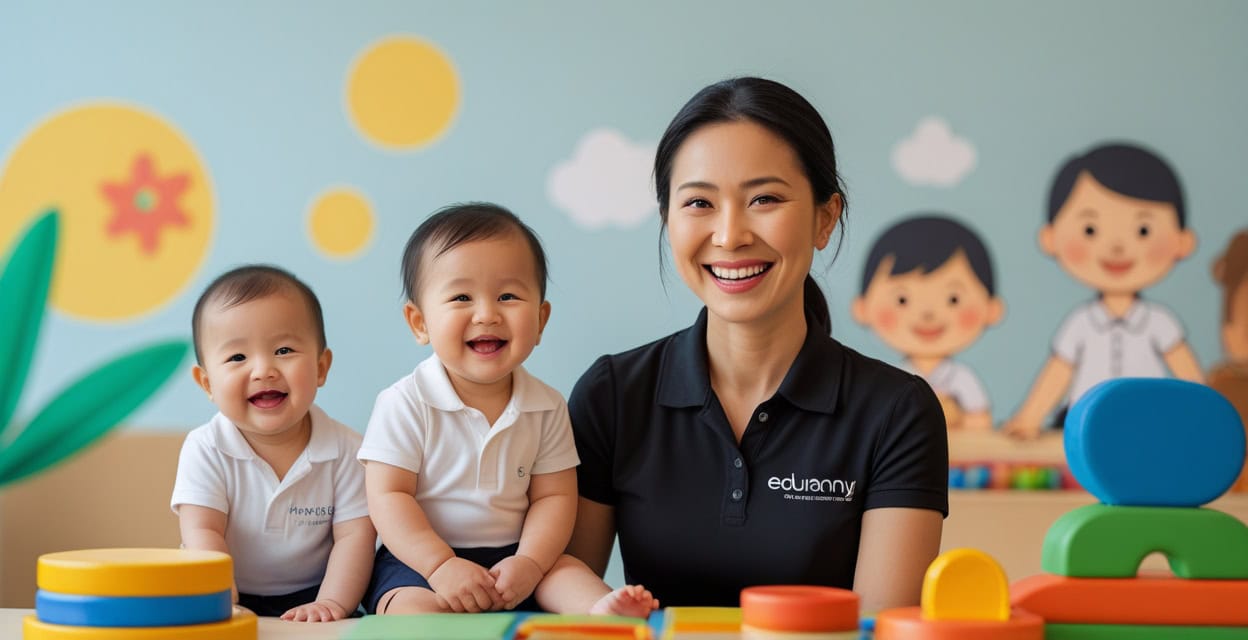
- Every infant deserves to be seen before they are managed.
- Safety is love you can audit.
- Joy is not extra; it is the state in which learning blooms.
- Equity begins with access; excellence must be affordable and near.
- Caregivers are culture-makers, and their work should carry dignity, training, and a future.
Conclusion: Invitation and Promise
EduNanny stands at the intersection of heart and evidence, neighborhood and nation. We turn micro-moments into macro-foundations and raise tomorrow by honoring the smallest humans today. To the parents entrusting us with your children: your hopes are safe with us. To the childminders whose hands are steady and whose patience is long: your craft shapes Singapore. To partners and policymakers championing this pilot: your courage will ripple for generations. This is our invitation and our promise—quiet, resolute, and ready at 7am. Let us raise a city where infants feel safe enough to explore, strong enough to persevere, and loved enough to become themselves. Thank you.
[#keyword1, #keyword2, #keyword3, #keyword4, #keyword5]Ready to Experience Excellence?
Transform Your Family’s Journey
Discover Singapore’s leading infant care and childminding services. Expert guidance for your little one’s first thousand days.