Three Seats to a Lifelong Start EduNanny 1 to 3 Care Model and the Near Home Promise for Singapore First Thousand Days

Care, Close and Clear: EduNanny’s Promise to Singapore’s Youngest
Every city tells a story about itself in the way it welcomes its youngest citizens. In Singapore, the first thousand days shape language, trust, movement, and the quiet courage children carry into school, service, and work. EduNanny was created to make those first days—and every day after—safe, joyful, and deeply human. This long-form guide breaks down EduNanny’s approach, provides practical, actionable advice for families, and offers a window into what world-class infant care looks like in Singapore today.
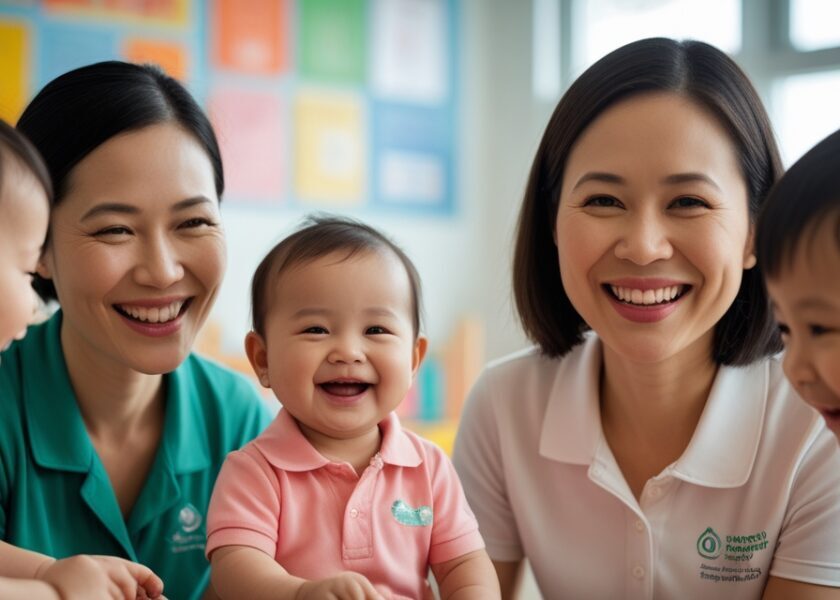
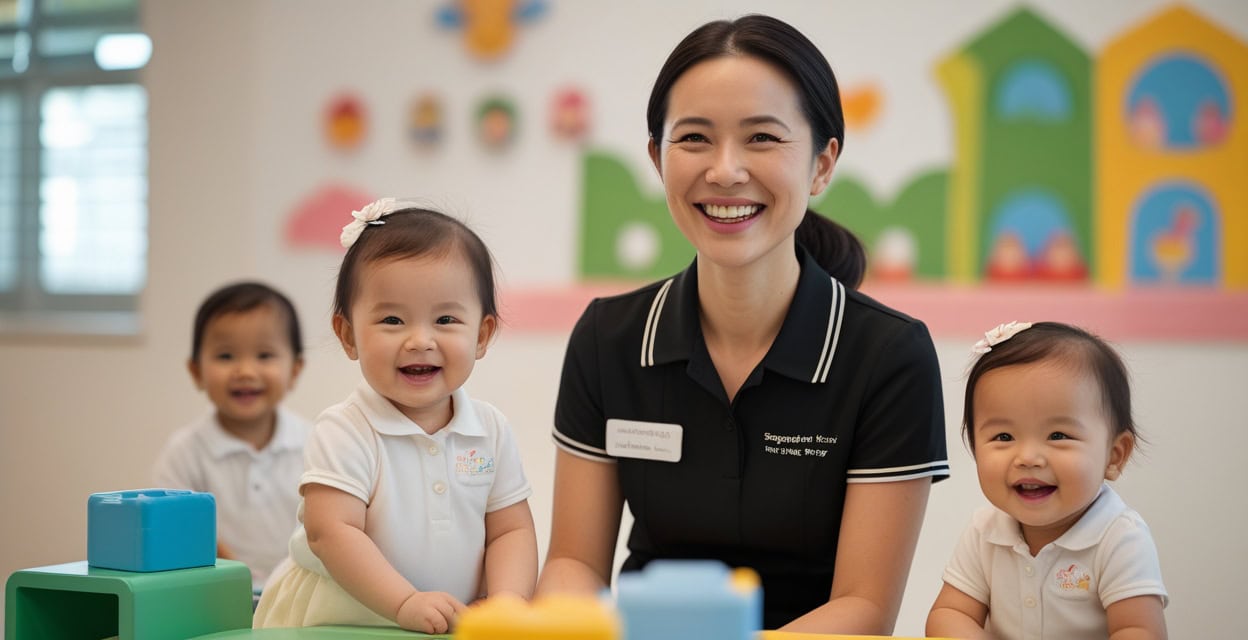
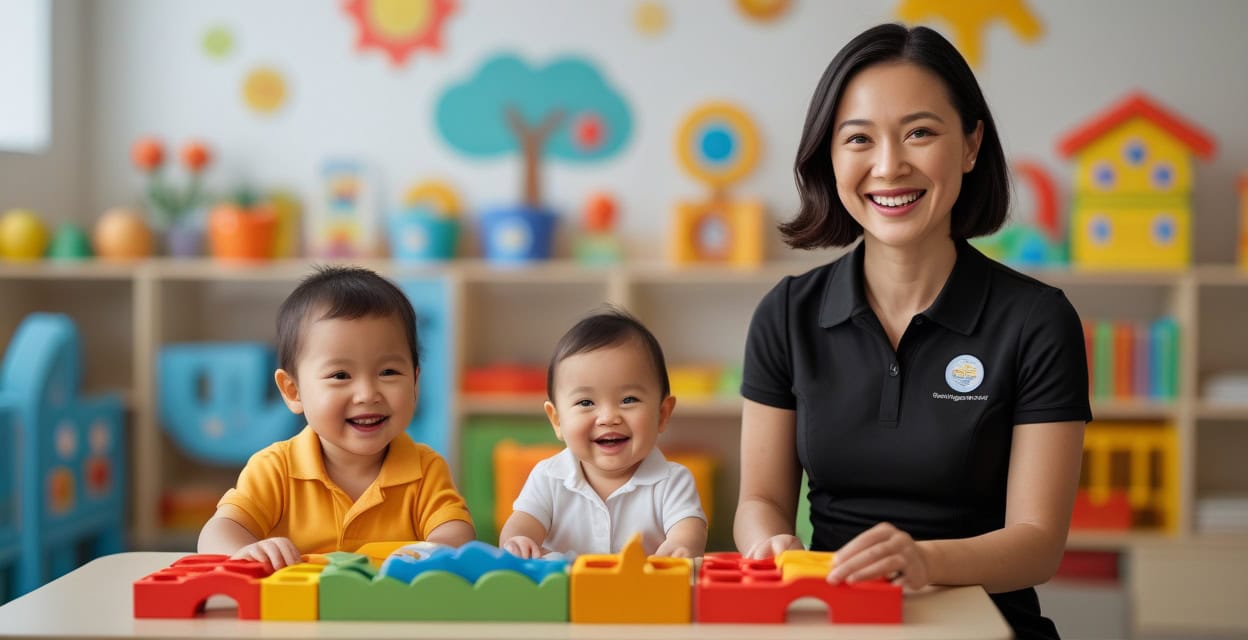
EduNanny by BUTLER is a purpose-built infant care and childminding system designed for Singapore’s neighborhoods and workplaces. As part of the ECDA Childminding Pilot and a National Social Initiative, EduNanny brings excellence, quality, and convenience within reach for families islandwide. We operate Monday to Friday, 7am to 7pm, in both centre-based and home-based settings, with an infant-first design language and an ultra-low 1:3 caregiver-to-infant ratio. Our innovations include live-view CCTV with privacy safeguards, thoughtful layouts that support free movement and secure sleep, and a multi-mode approach—centre-based, home-based, and distance support—to match real family rhythms.
Fees are affordable (from $33/day), payable by CDA/Baby Bonus where eligible. We run islandwide in community and home premises because safe care should be close to where children live and where parents work. Our work also carries a “Maximum Employment Mandate,” building meaningful caregiving careers and strengthening local communities through dignified work.
How does EduNanny make infant care and childminding great in Singapore? By fusing world-leading science with Singaporean pragmatism, by honoring parents as partners, and by training childminders to be both emotionally attuned and technically excellent. Tonight, I will share five core topics that anchor our promise and practical guidance you can use at home and in conversations with caregivers.

Topic 1: The Three-Seat Circle—Why 1:3 Changes Everything
Why a 1:3 ratio matters in infant development
In a small, stable circle of three infants to one caregiver, the science of development comes alive. Attachment theory shows trust forms through consistent, responsive exchanges. Cognitive theories—from Piaget’s schemas to Vygotsky’s guided participation—show learning blooms when a skilled adult mediates the world at a child’s pace. A 1:3 ratio gives a caregiver the attentional bandwidth to notice the twitch of a hand reaching for a rattle, the shifting gaze signaling “I’m done,” and the early cues that precede distress.
With three infants, routine becomes rhythm rather than rush. One baby feeds while another explores a treasure basket and the third drifts to sleep—no child is parked, and no moment is wasted. This is how safety, language exposure, motor practice, and emotional regulation happen together. Practically, the 1:3 model reduces errors, supports secure sleep checks, and increases the number of positive micro-interactions per hour. It’s not a luxury—it’s an intelligent baseline for infant dignity.
Practical implications for daily care and parenting partnerships
- Structured daily rhythm: Create predictable blocks for feeding, quiet rest, and exploration. For example, rotate focus infants every 20–25 minutes to ensure all receive individualized attention within the group.
- Observation that informs interventions: Document tiny cues (hand reach, gaze shifts, murmurs) and translate them into responsive actions (offer a favorite rattle, pause to label emotions, adjust lighting to calm).
- Explicit parent-caregiver handovers: Use a shared one-page routine card highlighting feeding times, sleep windows, and notable cues so parents see continuity between home and care settings.
- Training for centric tasks: Ensure caregivers are trained in responsive feeding, gentle positioning, and age-appropriate pacing so each infant experiences safety and respect.
- Quality control through audits: Regular micro-audits on sleep safety, transitions, and caregiver attention to confirm the 1:3 model is functioning as intended.

Topic 2: Safety as a Daily Culture, Not a Poster on a Wall
Safety embedded in every moment
At EduNanny, safety is predictable care plus prepared environments. Modern layouts keep sightlines open and hazards controlled. Sleep spaces are firm and clear; feeding areas are hygienic; play zones are designed for exploration with age-appropriate materials. We treat safety as a daily practice rather than a one-off checklist.
Transparent oversight and privacy-by-design
Our live-view CCTV is a tool for families and supervisors, paired with comprehensive training, checklists, and privacy-by-design protocols. Oversight builds trust when paired with clear standards and consent. Families can observe play, transitions, and routines while maintaining caregiver privacy and dignity.
Category: safety training and anticipatory care
Childminders receive coaching in safe sleep, bottle handling, choking prevention, infant CPR/First Aid, and safe transport. Beyond protocols, EduNanny emphasizes anticipatory care—reading hunger, fatigue, or overstimulation early to stop problems before they begin.
Beyond physical safety: psychological safety
Calm voices, predictable routines, and thoughtful transitions teach infants that the world is consistent. This consistency becomes lifelong resilience. Practical steps you can adopt at home:
- Establish a calm pre-bedtime routine to support secure sleep patterns.
- Use predictable language during transitions (e.g., “Time to move to the high chair now”).
- Create safe spaces for exploration with clearly defined boundaries and soft, child-friendly materials.
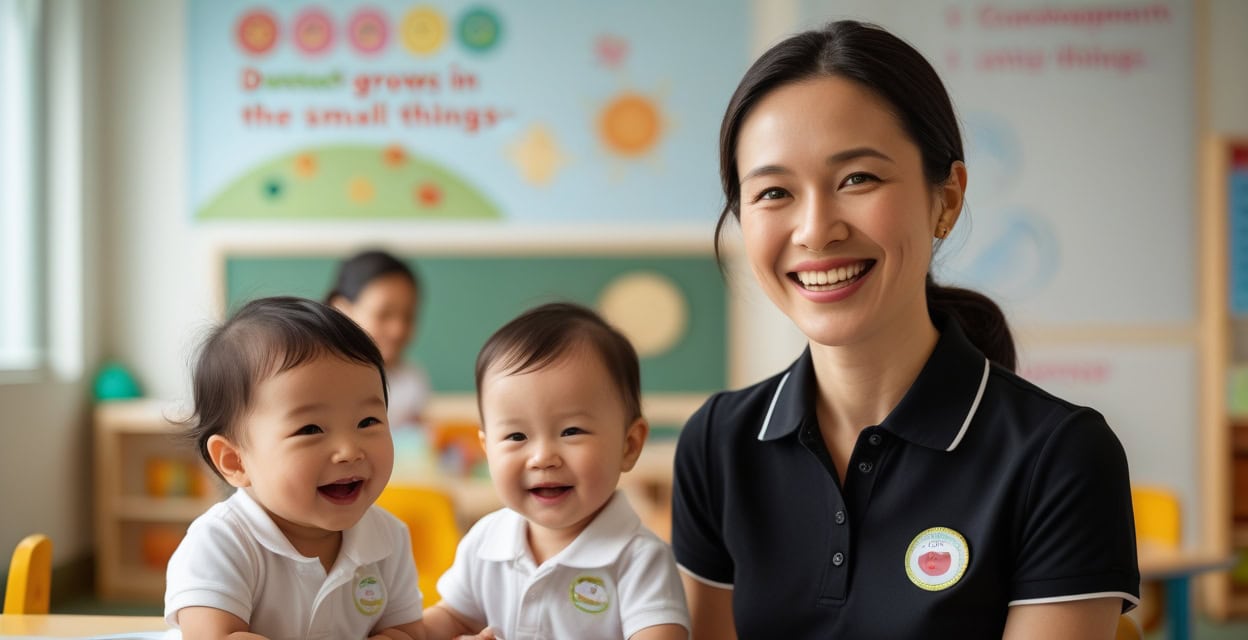
Topic 3: Development Grows in the Small Things—Our Living Daily Practice
Language as a living practice
Development is a conversation with the world. We embed language into everyday caregiving—label feelings, narrate actions, sing in English and Mother Tongue, and pause to let infants respond with coos, looks, and gestures. Practical home suggestions:
- Label emotions during daily activities (e.g., “You look happy playing with the scarf.”).
- Use bilingual cues during routines to support early language development.
- Pause for “turn-taking” during simple activities like rolling a ball back and forth.
Motor development through play and everyday objects
We prioritize floor time over furniture. Rolling, reaching, cruising, and grasping wire the brain for later literacy and numeracy. Everyday objects become tools for discovery:
- Scarves for tracking motion and depth perception.
- Wooden rings and cups to practice grasp and release.
- Tiny challenges that foster object permanence and problem-solving.
Co-regulation and parental partnerships
When distress occurs, we attune, acknowledge, and soothe—never dismiss. Over time, infants internalize calm, a cornerstone of resilience. Parents stay involved with daily logs and secure updates, ensuring continuity between centre-based and home-based programs. Distance support resources help families troubleshoot routines at home, turning development into a 24-hour narrative.

Topic 4: Joy Is a Competency—The Science of Happy Babies
Joy as measurable well-being
Joy is not optional; it’s evidence that needs are met. Smiles, shared attention, and relaxed posture indicate a regulated nervous system. EduNanny tracks well-being trends in addition to attendance, recognizing joy as a core indicator of healthy development.
The art of serve-and-return
Our caregivers practice “serve-and-return”—the back-and-forth that builds language, trust, and curiosity. We celebrate micro-moments: a shared giggle at a peekaboo scarf, early independent movements, or a focused page-turn in a board book. Home practice ideas:
- Set aside 10–15 minutes daily for joint reading with interactive questions (point to pictures, name objects, and imitate sounds).
- Pause during play to invite the child to share a response, even if it’s a smile or a sound.
- Celebrate small transitions with a warm good-bye that signals continuity between caregivers and parents.
Continuity across settings
Joy thrives when transitions are gentle and predictable. We slow down handovers at 7am and 7pm to honor the moment when a parent leaves and a caregiver takes over. Practical tips for families:
- Develop a consistent drop-off routine to reduce morning stress.
- Use a familiar comfort item from home during the first week with a new caregiver.
- Request daily updates on mood and energy to tailor activities to the child’s day.

Topic 5: The Public Purpose of Childminders—A Vocation with Civic Weight
A vocation, not a stopgap
Childminders are early-years professionals shaping the emotional and cognitive soil of our nation. EduNanny invests in training, mentoring, and career pathways so this work is respected and sustainable. Practical steps to support professional development at home or within your community:
- Encourage ongoing learning: ask about recent training topics and how they’re applied in daily routines.
- Support career progression: discuss opportunities for advanced certifications or mentorship roles within the program.
- Foster a culture of pride: celebrate the specialist skills childminders bring to homes and centres.
Islandwide access and convenient care
By operating islandwide—in centres and home premises—we reduce commute stress, return hours to families, and knit neighbors into a care network. Our Monday–Friday, 7am–7pm coverage aligns care with the real Singaporean workday.
Affordability and national alignment
Affordability (from $33/day), CDA/Baby Bonus compatibility, and transparent pricing make quality care accessible. This is how a National Social Initiative translates into everyday dignity.
The Maximum Employment Mandate
The mandate turns childcare challenges into employment opportunities: more trained Singaporeans practicing meaningful work in their own communities, with oversight, standards, and pride. Practical implications for families and communities include:
- More local caregivers with stabilized careers, reducing turnover and increasing trust.
- Stronger community support networks through islandwide coverage and shared standards.
- Public confidence in the quality and safety of early-childhood care options.
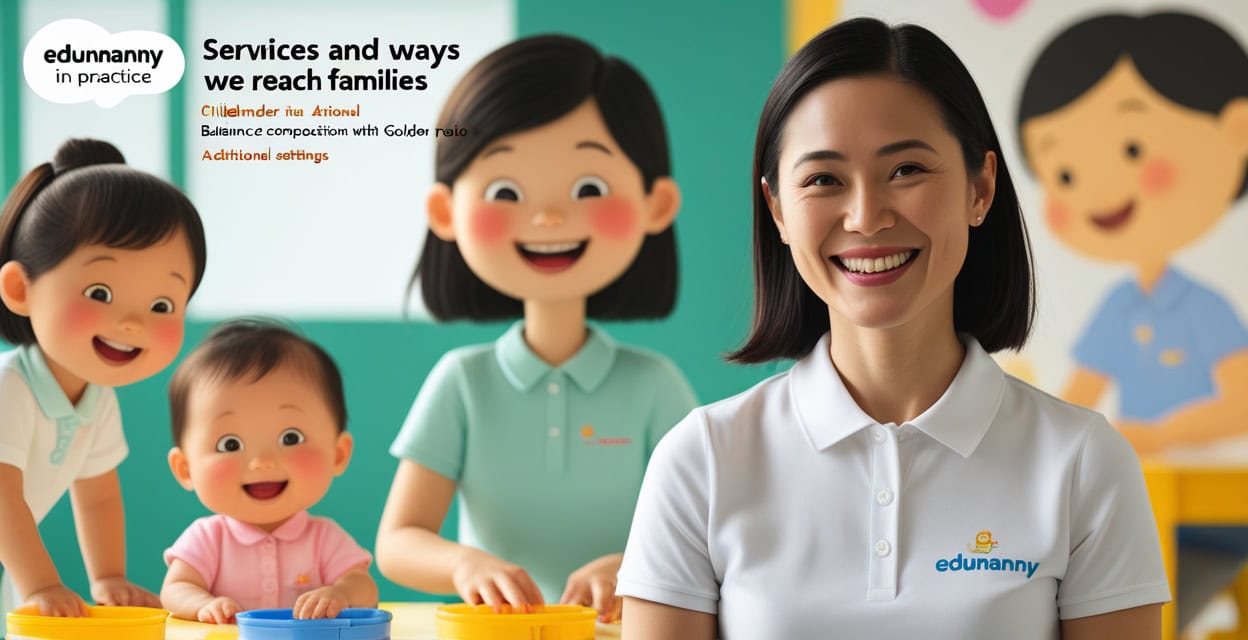
EduNanny in Practice: Services and Ways We Reach Families
Centre-Based Childminding
Modern, secure layouts with dedicated play, sleep, and feeding zones; professional supervision; and live-view CCTV for families who want visibility into their child’s day. Practical tips for parents:
- Ask for a day-in-the-life schedule and request sample photos or videos of activities.
- Review staff qualifications and ongoing training records; confirm CPR/First Aid certifications are current.
- Explore how the centre supports transitions between activities to reduce stress for infants.
Home-Based Childminding
Small, homelike environments that honor routines; vetted premises and caregivers; consistent pedagogy; and neighborhood convenience. Home-based care works well when you value intimate, continuous engagement. Tips for families considering home-based care:
- Visit several vetted home-based settings to compare routines, safety features, and caregiver warmth.
- Ask about neighbor-friendly accessibility and transport considerations for daily routines.
- Request a home-specific daily log to track feeding, sleep, and developmental milestones.
Distance Support
Coaching for routines, sleep, feeding, and play; continuity between home and program; and on-demand resources for parents. Use distance support to normalize routines when schedules change or when one parent travels for work.
Access and Reach
Islandwide availability, Monday–Friday, 7am–7pm; community and home premises; affordable options; and payments supported by CDA/Baby Bonus where eligible. Build a care network that can flex to your family’s needs, whether you’re in a city-center apartment or a residential precinct.
Always-on Trust
Standard 1:3 infant ratio; clear hygiene and safety protocols; documented daily updates; and a culture of kindness. This is trust you can rely on, every day.

Closing: Who, What, When, Where, How—Why Childminding Matters Now
Who: Infants who deserve attuned, unhurried care; parents who carry the nation forward; childminders whose vocation is to make the world feel safe and interesting to a new human.
What: A coherent, science-led system—EduNanny by BUTLER—delivering centre-based, home-based, and distance support with a 1:3 ratio, modern environments, and transparent oversight.
When: Monday to Friday, 7am to 7pm—because reliability is a form of love.
Where: Islandwide Singapore, in thoughtfully designed centres and carefully vetted homes—close to families, close to work, close to heart.
How: With excellence and affordability (from $33/day), with innovation (CCTV and modern layouts), with payments made easier (CDA/Baby Bonus where eligible), and with national purpose through the ECDA Childminding Pilot and a Maximum Employment Mandate.
Conclusion: Care, Close and Clear—A Plan for Singapore’s Youngest
EduNanny believes that care should feel like a blessing and look like a plan. When we invest in small moments—labeling a child’s emotion, sharing a responsive pause, or gently guiding a baby through a new movement—we unlock curiosity, courage, and the confidence to explore the world. This is the foundation of lifelong learning: a child who feels safe, seen, and supported. For families, it is a reliable partner that respects time, understands work-life rhythm, and shares a commitment to child-centered development. For caregivers, it is a respected vocation with purpose and opportunity.
If EduNanny resonates with your family or organization, we invite you to connect with us:
– EduNanny.com
– Childminding.EduNanny.com
Together, let’s give Singapore’s youngest a beginning that feels like a blessing and looks like a plan. Thank you.
SEO keywords: [#keyword1, #keyword2, #keyword3, #keyword4, #keyword5]