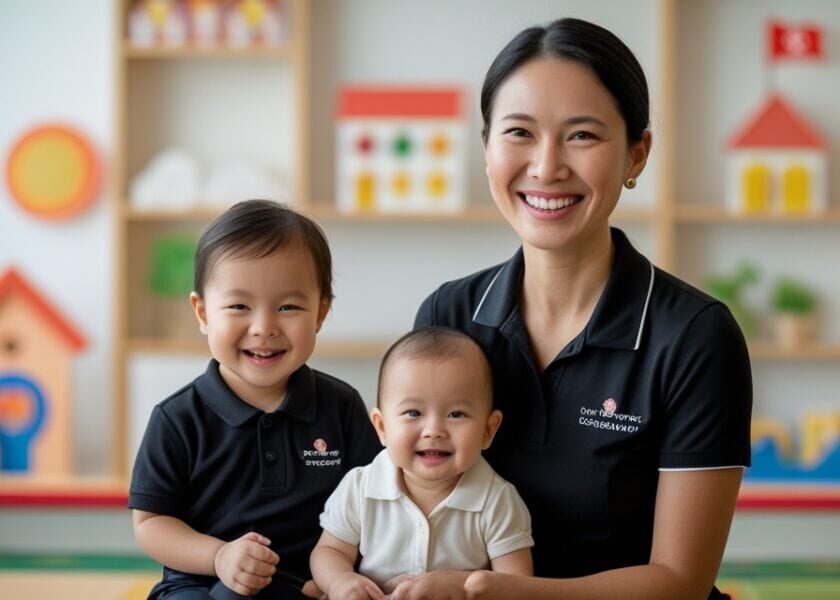
Close Care Big Futures The EduNanny Blueprint for Singapore and Its Shared Path

From Speech to Blueprint: EduNanny for Singapore’s Shared Future
Thank you for gathering to talk about something profound yet wonderfully simple: how we care for our youngest citizens, and how that care shapes who we become as families, communities, and a nation. This article translates that conviction into a practical, educators’ blueprint for Singapore—a plan that treats early caregiving as both science and art. Here, you’ll find actionable guidance, concrete practices, and EduNanny insights for parents, caregivers, and communities who want high-quality infant care that feels close to home, humanly scaled, and professionally led.

EduNanny by BUTLER: Vision, Structure, and Principles
What is EduNanny?
EduNanny is a national social initiative under the ECDA Childminding Pilot, designed to build a reliable neighborhood network of infant care and childminding that is close to home, humanly scaled, and professionally led. Operating Monday to Friday, 7am to 7pm islandwide across Singapore, EduNanny blends center-based hubs with thoughtfully prepared home-based environments to ensure care is excellent, convenient, affordable, and culturally grounded. The model embraces an ultra-low 1:3 infant ratio, innovative CCTV oversight, and spaces shaped for movement, calm, and joy. This is where scientific insight meets the daily poetry of caregiving.
Foundational Principles
- Proximity and predictability: Care near home reduces stress, strengthens routines, and deepens trust between families and caregivers.
- Professional presence: Trained caregivers, ongoing coaching, and reflective practice ensure continuous improvement and consistent quality.
- Safety by design: Spaces, routines, and technologies that embed safety into everyday life—from layout to governance.
- Culture and belonging: Practices rooted in Montessori-inspired environments, Pikler-inspired respectful caregiving, and attachment-based principles.
- Affordability and access: Clear pathways to subsidies and simplified onboarding to ensure equitable access to quality care.

Five Focal Themes for the First Years
1) Learning through closeness and continuity
- Why it matters: Infants wire their brains through warm, responsive relationships. Regular, attentive caregivers foster confidence and curiosity.
- What we do: Structure days around “serve-and-return” interactions: a baby vocalizes and a caregiver responds; a gaze lingers and is described; a hand reaches and is scaffolded.
- Practical implementation: Create simple language-rich routines: daily familiar phrases, a visual schedule at eye level, and predictable transitions (e.g., “We put your bag here, we wash hands together, we say goodbye together, and we begin”).
- Classroom design: Montessori-inspired shelves at child height, loose parts for exploration, a quiet sensory retreat, and unhurried care moments (nappy changes, feedings) treated as language and connection invitations.
2) Safety as architecture and habit
- Safety as a system: Every room layout, routine, and handover is designed with safety in mind.
- Physical safeguards: Clear sightlines, infant-safe furnishings, hazard mapping, safe sleep practices, rigorous hygiene protocols, environmental checks, and emergency drill readiness.
- Oversight and trust: CCTV for accountability, digital attendance and health logs, daily well-being updates, and transparent incident protocols.
- Training and reflexes: First aid, choking response, allergy management, safe sleep, and risk assessment training—so safety becomes second nature.
3) Development with a calm, confident compass
- Domains of growth: Language, motor, social-emotional, and self-regulation—supported through gentle, evidence-based routines.
- Language: Narration, songs, bilingual exposure, picture books, and baby sign where appropriate; aiming for 30,000+ quality words heard weekly per child.
- Motor development: Pikler-informed movement, time on the floor, open-ended materials, and safe surfaces to explore crawling and cruising.
- Social-emotional learning: Predictable rhythms, consistent responders, naming feelings, co-regulation, and using conflicts as teachable moments.
- Observation and partnership: Individual development journals with photos and milestones; regular caregiver-parent discussions to calibrate support at home and in care.
4) Joy as a daily metric
- Joy as outcome: A culture of warmth, respectful tones, nap integrity, temperament respect, and opportunities for outdoor or sensory-rich movement.
- Measuring joy: Observe engagement and well-being with simple tools, including adaptations inspired by the Leuven scale, to keep joy visible and tangible.
- Everyday wonder: A rotating set of materials to spark curiosity without overwhelm and a space that invites play as a form of learning.
5) The vocation of childminding
- A purpose-driven profession: EduNanny elevates childminders as neighborhood educators—guardians of secure attachment and early learning.
- Professional development: Ongoing training, reflective practice circles, mentoring, and clinical supervision loops aligned to ECDA pilot standards and international research.
- A national social initiative: Through the Maximum Employment Mandate, we create meaningful jobs while upholding high standards and dignified compensation, honoring cultural fluency and community ties.

EduNanny in Practice: Availability, Quality, Affordability, and Governance
Availability and access
- Center-based and home-based options available islandwide, Monday to Friday, 7am–7pm.
- Proximity-first approach reduces commute and preserves family routines.
- Flexible intake and transition planning to accommodate family needs and baby rhythms.
Quality and assurance
- 1:3 infant ratio to support sustained, meaningful interactions.
- Modern layouts with clear sightlines and age-appropriate zones.
- Innovative CCTV for oversight, paired with transparent reporting and daily well-being updates.
- Continuity plans to ensure stable caregiver relationships and reliable coverage.
Affordability and ease
- Affordable from $33/day, with fees payable via CDA/Baby Bonus where applicable.
- Streamlined onboarding via EduNanny.com and Childminding.EduNanny.com to reduce barriers to entry.
- Transparent pricing, clear timelines, and family-centered budgeting advice.
Governance and mission
- EduNanny by BUTLER, under the ECDA Childminding Pilot, a national social initiative with the Maximum Employment Mandate.
- Unified training, coaching, and audit standards across center- and home-based settings.
- Commitment to cultural grounding, inclusivity, and continuous improvement through evidence-informed practice.

A Day in the EduNanny Way
Picture a typical EduNanny day, designed to honor the infant’s pace while building reliable routines for families:
- Unhurried arrivals: Calm hello, a handwashing ritual, a brief parent check-in, and a familiar object to ease separation.
- Morning rhythm: Floor play with sensory baskets, songs and fingerplays, tummy time or cruising, and access to outdoor spaces when feasible.
- Feeding with intention: Responsive feeding—watching cues, respecting pace, narrating for language development.
- Rest and renewal: Individual nap plans, white noise or soft lullabies, dimmed lighting, and caregiver-initiated safety checks.
- Afternoon discoveries: Outdoor buggy walks, water play in secure settings, textures and light exploration, gentle movement, and infant massage with parental consent.
- Dignified endings: Care summaries, a daily highlight, and a thoughtful caregiver-parent handover.
Why Near-Home, Low-Ratio Care Changes Everything
- Family time preserved: Shorter travel means more breakfast kisses, bedtime stories, and shared dinners.
- Trust built through consistency: Repeated daily interactions with the same caregiver turn “care” into a relationship.
- Infant stress reduced: Predictable environments and familiar faces support secure attachment and long-term well-being.
- Neighborhood strength: When care is woven into community life, social capital grows alongside children’s development.
For Parents: Confidence Without Compromise
Choosing care for your baby is a leap of faith. EduNanny narrows that leap with transparent practice, rigorous safety, and a philosophy that respects you as the expert on your child. Here are practical ways to partner effectively with EduNanny:
- Co-create routines: Share your child’s feeding, sleep, and play preferences from day one. Use a transition plan to align home and care settings.
- Communicate consistently: Schedule regular development briefings, ask to review simple daily logs, and request photos or short videos for milestones.
- Engage cultural practices: Bring your family traditions and languages into the daily scene; request bilingual exposure or specific cultural rituals where meaningful.
- Observe the “serve-and-return” moments: Note how caregivers name feelings, respond to cues, and narrate activities—these become educational opportunities for you too.
- Prepare for transitions: Introduce familiar objects from home, establish a goodbye ritual, and maintain a predictable routine during drop-offs and pick-ups.
- Join the partnership circle: Include grandparents, helpers, or relatives in discussions about your child’s plan to ensure consistency across caregivers and home.
- Monitor well-being: Ask for simple well-being updates, sleep logs, and milestones to track progress and catch concerns early.
For Childminders: A Profession with Purpose
EduNanny elevates the status and practice of childminders. Here are ways to maximize professional growth and impact:
- Ongoing training: Participate in continuous education on developmentally appropriate practices, safety protocols, and language-rich routines.
- Reflective practice circles: Regular peer discussions to share successes, troubleshoot challenges, and align with ECDA pilot standards.
- Mentoring and supervision: Seek clinical supervision for complex cases and use feedback loops to improve daily interactions.
- Documented practice: Maintain clear development journals and share accessible progress summaries with families to foster true partnership.
- Community leadership: Advocate for quality standards and contribute to neighborhood networks that support families and children alike.

EduNanny: A Civic Standard We Can Be Proud Of
High-quality infant care is not a private luxury; it is public infrastructure. When infants are safe, soothed, and stimulated, parents can work with peace of mind, employers benefit from stability, and society gains resilient, capable children. EduNanny’s blended model—center hubs and home-based options—delivers excellence at scale without sacrificing intimacy. This is how a small nation can dream big for its youngest citizens.
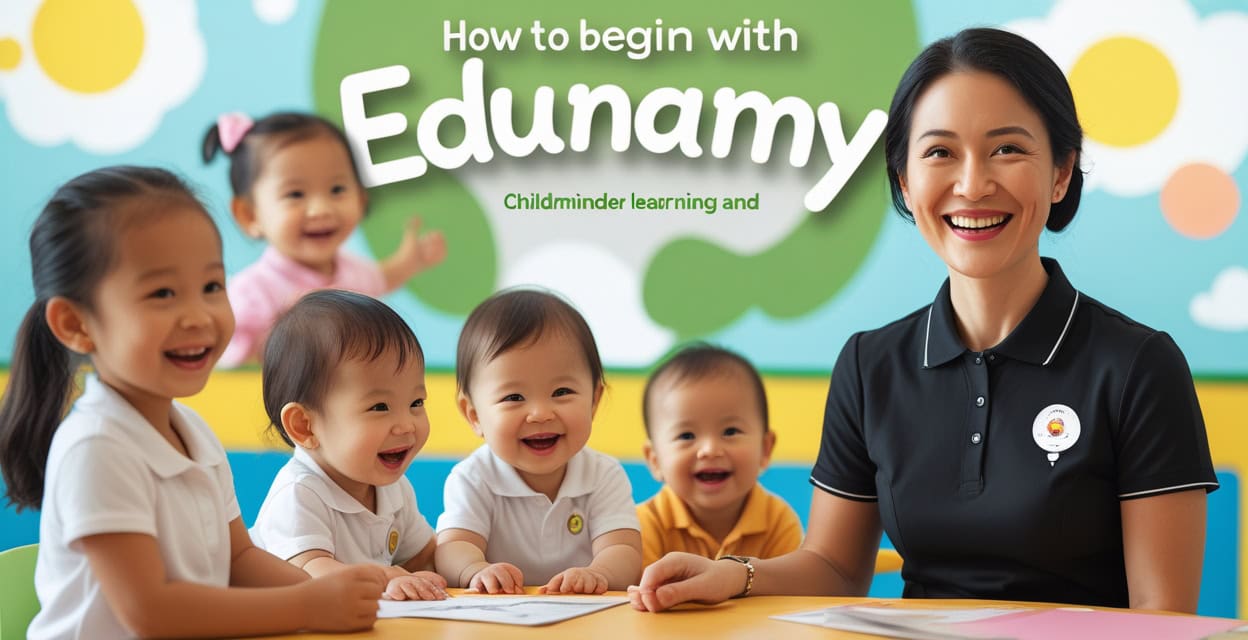
How to Begin with EduNanny
- Explore options: Visit EduNanny.com or Childminding.EduNanny.com to explore center-based and home-based settings near you.
- Meet and tour: Meet your prospective caregiver, tour the space, and co-create a transition plan that respects your family’s rhythms.
- Set rhythms: Align feeding, nap, and special needs considerations with your EduNanny team.
- Start gently: Begin with a gradual adjustment period and review progress regularly to refine routines.
- Build a partnership: Include extended family in planning and maintain open lines of communication for ongoing improvement.
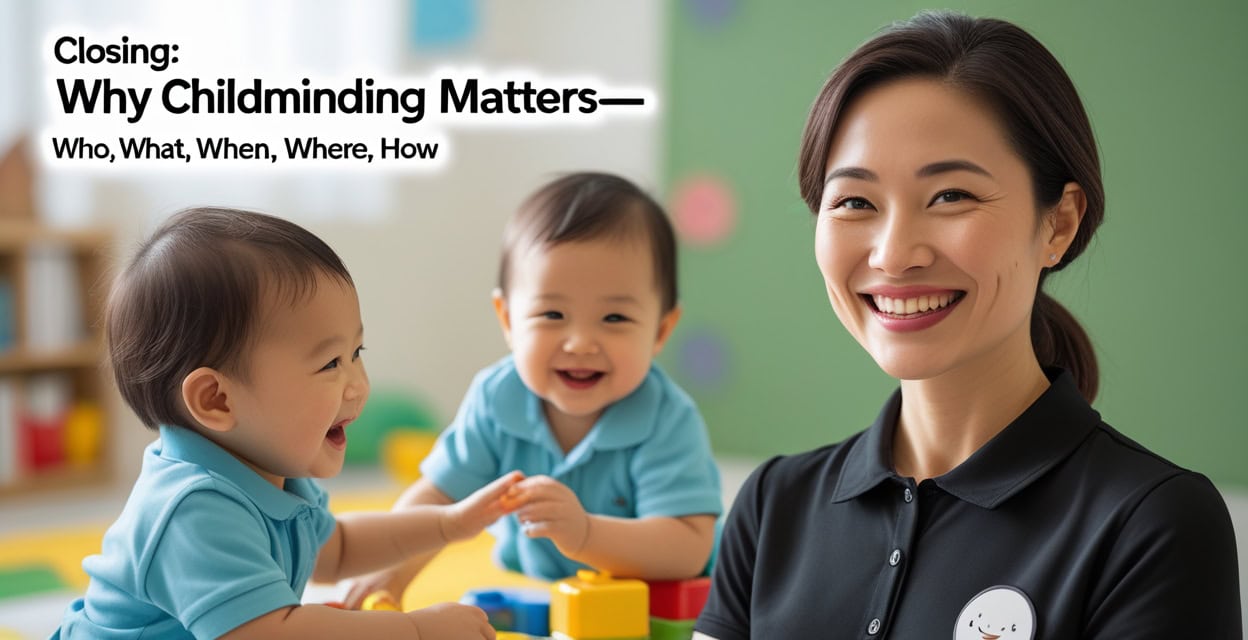
Closing: Why Childminding Matters—Who, What, When, Where, How
Who: Infants and families first, supported by professional childminders and a national network that respects science and love in early development.
What: A trustworthy caregiving architecture—safe, responsive, joyful, and pedagogically sound.
When: Monday to Friday, 7am–7pm, at the pace of your family’s true rhythms through the seasons of early years.
Where: Islandwide across Singapore in modern centers and well-prepared homes—close enough to feel like an extension of family life.
How: With a 1:3 infant ratio; with innovative CCTV for safety and accountability; with Montessori- and Pikler-inspired practices; with meaningful jobs under the Maximum Employment Mandate; with affordability starting at $33/day; with a streamlined, family-friendly onboarding; and with a shared commitment to dignity, learning, and joy in everyday moments.
The philosophy behind EduNanny is simple and brave: No baby is an afterthought. Care is curriculum. Attachment is infrastructure. Joy is measurable. And the future is built in the ordinary gestures repeated with extraordinary consistency.
To every parent who wonders if quality and convenience can co-exist—yes, they can. To every caregiver who longs to practice with dignity—this is your home. And to Singapore, which has always believed that our small island can dream big for its people—this is how we begin again, together, from the very first days.

Conclusion
EduNanny offers a practical, evidence-informed path toward a national standard of infant care that respects families, supports caregivers, and builds strong communities. By centering proximity, safety, development, and joy, EduNanny translates research into everyday practice—making high-quality care accessible, affordable, and culturally grounded. If you are a parent, caregiver, or community partner, begin with a simple step: explore options, meet your EduNanny team, and design a transition plan that honors your child’s pace and your family’s values. The future begins with the care we provide in the first days, and the relationships we nurture along the way. Start the conversation today, and let’s build this future—one small, meaningful moment at a time.
[#earlychildhood, #infantcare, # Singaporeeducation, #neighborhoodeconomy, #childminding]