Care Crafted in Singapore EduNanny and the 1 to 3 Promise for Safe Joyful Infancy Across Neighborhoods and Near Home Pods

Overview: Care, Crafted — EduNanny’s Singapore Promise
In a world where early moments carve lifelong trajectories, EduNanny by BUTLER offers a deliberate, research-informed approach to infant care that is both personal and world-class. Grounded in the wisdom of foundational developmental theories and translated into daily practice, our Singapore model is designed to fit real family life: islandwide access, near-work rhythms, and a durable promise of safety, dignity, and joy. This article expands on the core principles from the Care, Crafted speech and translates them into practical guidance for families, caregivers, and communities who aim to elevate early childhood care as a public good.
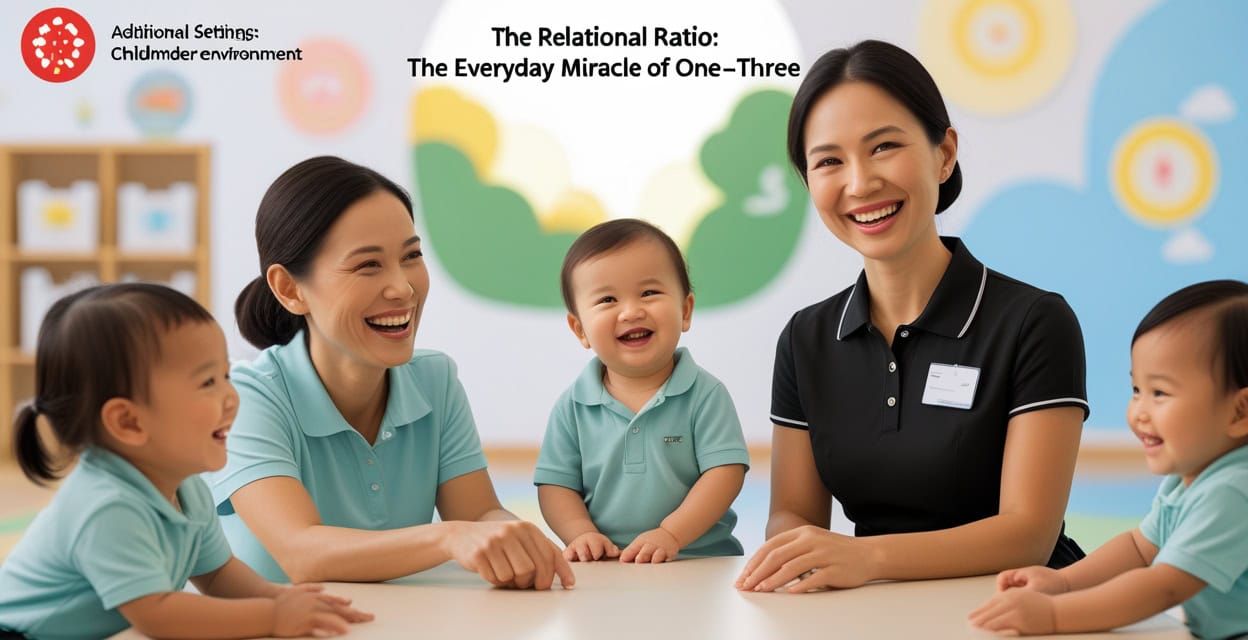
The Relational Ratio: The Everyday Miracle of One-to-Three
The 1:3 infant-to-educator ratio is more than a staffing metric; it is a deliberate stance toward presence, tempo, and relational depth. This section translates that philosophy into actionable steps you can apply at home, during screenings, and in conversations with potential caregivers.
For Infants: Safety, Exploration, and Trust in Real Time
- Create a “readiness moment” routine: a caregiver places a hand near the child’s chest before any lift or change of position, establishing a calm, predictable micro-ritual that signals safety.
- Encourage safe exploration: provide age-appropriate, real-world materials (soft blocks, wooden rattles, textured fabrics) and allow time for self-discovery with responsive cues from a nearby caregiver.
- Notice early cues: yawns, eye widening, or a new vocal sound; respond with warmth and timing—these micro-moments become the foundation of trust.
For Caregivers: Craftsmanship under a Clear Microscope
- Practice reflective observation: each infant’s cues are data points—document what you notice, test interpretations, and adjust strategies daily.
- Balance challenge with rest: introduce small, safe refinements that stretch a child’s abilities without overwhelming them.
- Document continuity: maintain consistent routines and handovers so families experience a seamless care narrative from morning to evening.
For Parents: A Durable Promise You Can Rely On
- Ask concrete questions during tours: How is a day structured? How are transitions handled? How is your child’s emotional state tracked and communicated?
- Request micro-update routines: brief notes on notable moments (first social smile in the setting, a new sound, or a preferred comfort object) to reinforce trust at home.
- Partner in learning: co-create a tempo for daily activities, and align on cues you want observed, named, and celebrated.
Safety as a System: From Rooms to Routines to Relationships
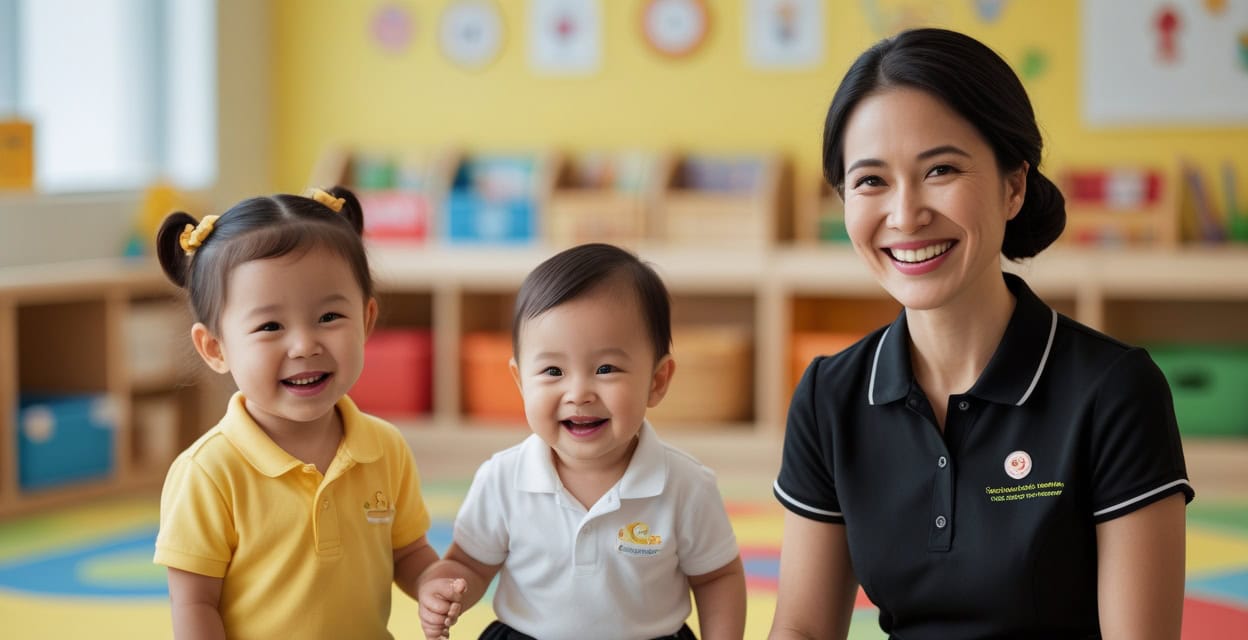
Safety is more than a checklist; it is a living system woven into environment, routines, and culture. Below are practical steps families can look for and implement, plus tips for evaluating any care setting.
Environment: Design for Clear Sightlines and Safe play
- Layout: modern studios and home-based spaces should have distinct quiet sleep zones and active discovery zones with clear sightlines and low-slung shelving.
- Materials: choose natural textures and non-toxic finishes; ensure cribs are firm, properly spaced, and infants are placed on their backs for sleep.
- Maintenance: look for explicit cleaning schedules, sanitization logs, and immediate reporting channels for any spillages, injuries, or hazards.
Routine: Calm, Consistent, Culturally Sensitive Practices
- Milk handling, diapering, diaper disposal, and sleep checks should follow written protocols with double-checks and handovers that minimize disruption and maximize calmness.
- Emergency drills: regular, age-appropriate fire and evacuation practice with clear roles for staff; families should be shown the drill plan and privacy-compliant CCTV usage policies.
- Parent-visible transparency: secure CCTV is used as a coaching and quality tool with protected access—families should understand what is recorded and how it informs care quality.
Culture: Safety as Relational Trust
- Positive touch and respectful communication are core safety practices; caregivers should be trained to respond to distress with calm, compassionate language and non-threatening touch.
- Privacy and dignity: privacy considerations during intimate care should be explained and respected in every family’s cultural context.
- Credentialing and supervision: ongoing professional development and supervisory feedback loops ensure that safety is not just a policy, but a lived practice.
Learning Before Language: The Sensory-Motor Studio
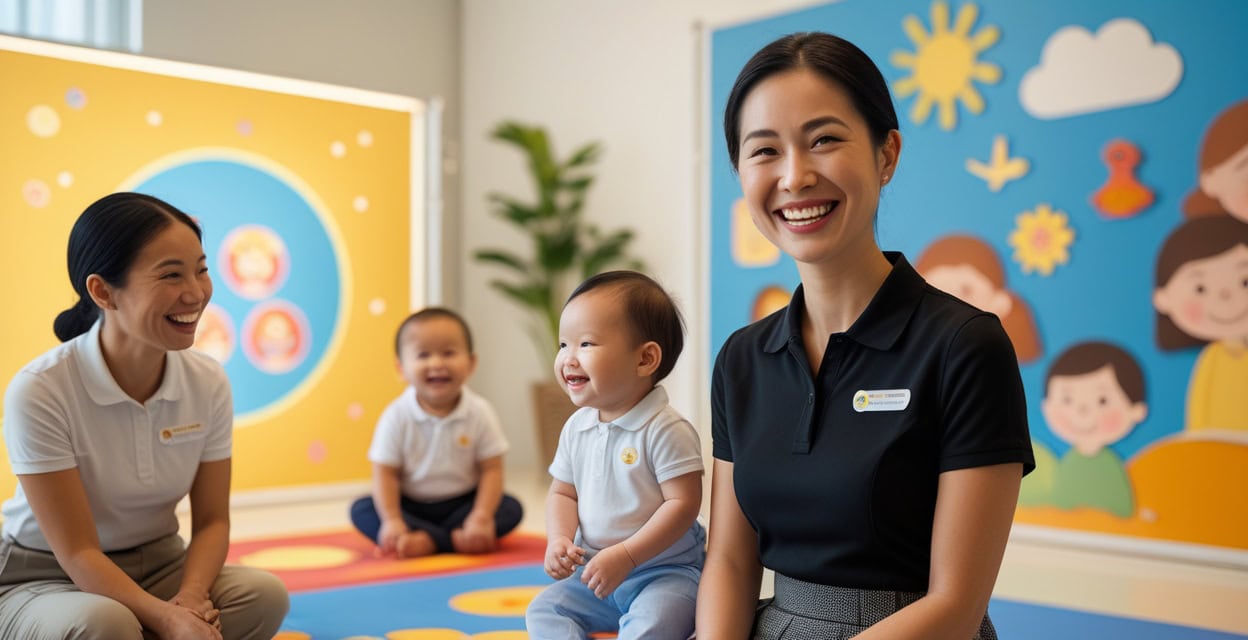
Early learning begins with sensation, movement, and social engagement. EduNanny designs days as conversations between a child and the world, not worksheets. Here’s how to translate this pedagogy into at-home activities and caregiver practices.
Movement: Floor Time and Safe Progressions
- Floor time as a daily staple: provide ample space for rolling, pivoting, crawling, and cruising on safe surfaces; gradually increase complexity with age-appropriate challenges.
- Sequence with intention: avoid rushing milestones; celebrate each micro-achievement (reaching, flipping, balancing) with a small, meaningful gesture.
Hands and Senses: Real Materials over Flashing Plastics
- Offer a sensory cabinet: bowls with water, sand, fabric swatches, wooden blocks, and textured balls that invite exploration and language-building moments.
- Observe texture and weight: vary materials by texture and weight to support grip development and proprioception, narrating what the child experiences.
Emotion and Attention: Short, Focused Episodes
- Activity length matters: keep individual play episodes brief and switch to soothing transitions to maintain calm attention.
- Narrate emotion: label feelings during play to build emotional literacy (e.g., “You look curious about that rattling cup.”).
Language: Narrative Cues and Early Vocabulary
- Model language in context: describe ongoing actions and objects, and match tone to meaning to support comprehension and social interaction.
- Connect gesture, gaze, and sound: pair words with actions, glances, and routines to strengthen understanding and anticipation.

Joy and Meaning: Rituals That Build Happiness
Joy is a powerful catalyst for learning. Routine and ritual create predictable safety, which in turn unlocks curiosity. Here are ways to cultivate happiness through daily practice.
Predictable Rhythms: A Gentle Arc for Everyday Life
- Establish a predictable sequence: feeding, play, outdoor time, and rest, so infants anticipate each phase and feel secure moving through the day.
- Balance energy and calm: intersperse active play with quiet moments to prevent overstimulation and support regulatory systems.
Micro-Rituals: Small Moments with Big Meaning
- Goodbye ritual: a consistent wave or a familiar song at pick-up helps transition and maintains attachment beyond the care setting.
- Post-meal care: a warm cloth and gentle interaction after meals fosters trust and comfort during daily routines.
Attuned Touch and Voice: Individual Sensory Signatures
- Learn each child’s preferences: some respond to firmer touch, others to soft holding—document and adapt to ensure comfort and connection.
- Voice modulation: match pitch and tempo to the child’s cues to support calm and engagement during activities.
Outdoor Moments: Nature as a Regular Partner
- Daily outdoor time: natural light, fresh air, and ambient sounds contribute to regulation and curiosity—target a minimum daily outdoor window.
- Nature-led learning: use simple experiences (a leaf, a bird, a breeze) to spark questions and language development.
The Childminder’s Purpose: Craft, Ethics, and Civic Contribution
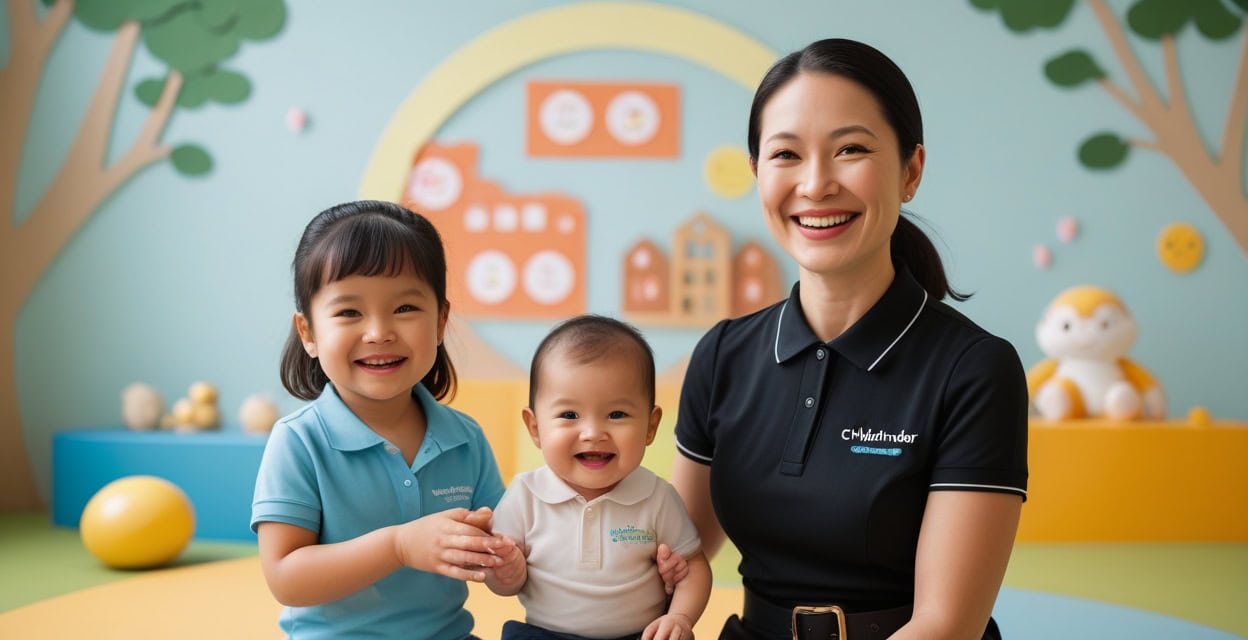
A childminder operates at the intersection of care, education, and social responsibility. Our framework positions this role as a skilled, dignified profession that contributes to both individual futures and national development.
To the Child: Safe, Stimulating, Trust-Building Environments
- Provide a “secure base” for exploration: respond promptly to distress, name emotions, and celebrate effort rather than just outcomes.
- Foster consistency: maintain continuity across activities and staff so the child feels secure in a reliable environment.
To the Family: Transparent Partnerships
- Open communication routines: daily journals, intuitive summaries, and transparent progress notes help families stay connected to their child’s day.
- Continuity and advocacy: support families in navigating transitions between home and care, and advocate for a child’s needs with respect and tact.
To Society: Standards, Mentorship, and Mobility
- Mentor new colleagues: experienced educators should guide less experienced staff with constructive feedback and shared best practices.
- View care as social mobility: demonstrate how high-quality caregiving models can elevate job satisfaction, professional standing, and community well-being.
EduNanny’s participation in the ECDA Childminding Pilot and the National Social Initiative, along with the Maximum Employment Mandate, reflects a national commitment to raising the quality of care while creating meaningful employment for Singaporeans.

How It Works for Families—Simple, Reliable, Near Your Life
Our model is designed to be straightforward and dependable, with options that respect diverse family needs while maintaining rigorous standards.
- Choice of setting: Centre-based studios or home-based care in community premises—both designed with the same safety protocols and professional standards.
- Hours that match work: Monday to Friday, 7am to 7pm, islandwide—because reliability is a form of love.
- Distance-enabled partnership: Secure CCTV for transparency; digital daily journals; check-ins that offer meaningful updates without demanding constant screen time.
- Affordability and access: Fees payable by CDA/Baby Bonus; rates from $33/day for eligible options; clear pricing with no hidden surprises.
- Standards you can feel: A true 1:3 infant ratio, trained professionals, and supervision that supports excellence without creating pressure-cooker environments.
- One team, many doors: EduNanny coordinates scheduling, quality, and care plans across locations to ensure a consistent child experience, even with shifting work patterns.
Practical Guidance for Parents During a Tour or Interview
- Prepare a short list of routines you value at home and observe how the setting mirrors or adapts them.
- Ask about staff continuity: turnover rates, onboarding timelines, and how supervision translates into daily practice.
- Request a sample day plan: what does a typical 2–3 hour block look like for infants in play, rest, and interaction?
- Discuss privacy and data: how CCTV footage is used, who can view it, and how families can access it securely.
- Observe caregiver interactions: note tone, pace, and responsiveness during a brief, unforced moment of care (diapering, feeding, soothing).

Why This Matters—For Your Baby, For Your Family, For Singapore
When infant care is designed right, it strengthens three pillars that support a thriving society:
- Human capital: Early calmness, curiosity, and regulation lay the groundwork for executive function, attention, and self-management as children grow.
- Family stability: Parents who trust their child’s care can focus at work with less anxiety, contributing to healthier work-life integration and job satisfaction.
- Social cohesion: High-quality care that’s accessible and dignified helps reduce disparities from day one, enabling broader social mobility and inclusive growth.
Who, What, When, Where, and How—Childminding That Matters
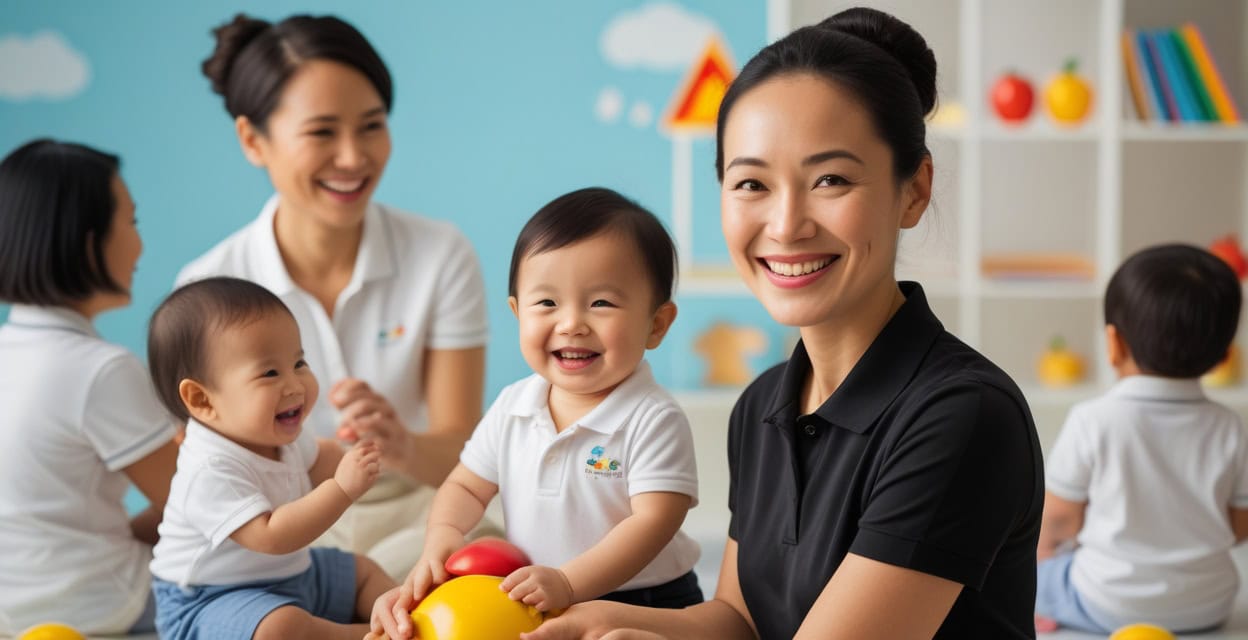
- Who: Educators trained to observe deeply, respond kindly, and scaffold wisely; families seeking warmth with evidence; infants who deserve reverence and thoughtful care.
- What: Professional childminding engineered for safety, development, and happiness—center-based, home-based, and distance-enabled, with transparent practices and reliable hours.
- When: Start now—open weekdays 7am–7pm to fit real-life work schedules and family rhythms.
- Where: Across Singapore, in neighbourhood settings and centres that connect families to work, play, and transit.
- How: A system that blends rigorous standards with human grace—1:3 ratios, modern layouts, secure CCTV, careful routines, and a pedagogy that honors each child’s pace.
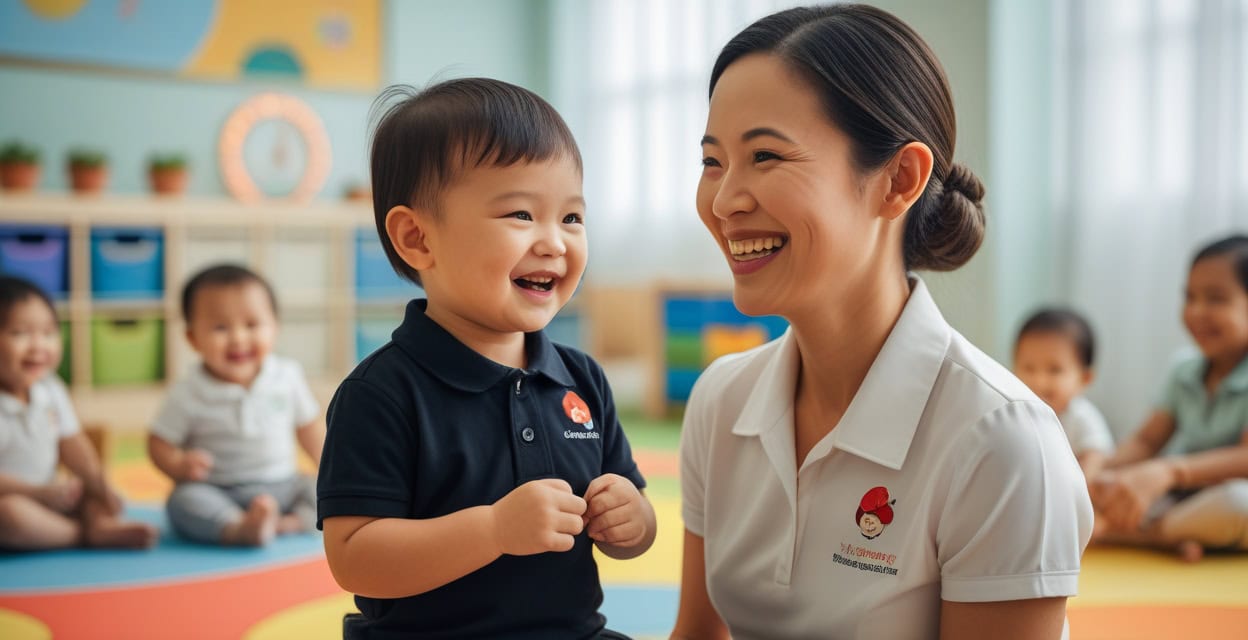
Our Philosophy, Your Child’s Daily Reality
Philosophy matters when it transforms daily experience. In an EduNanny day, philosophy becomes practice—visible in the smallest acts of care and the quiet confidence of parents and caregivers alike.
- A caregiver kneels to the child’s level and waits for eye contact before lifting, signaling respect and connection.
- A nap is protected by darkness, quiet, and steady breathing nearby to regulate the nervous system.
- A new food is introduced with patience and curiosity, never pressure or haste.
- A milestone is encouraged, not hurried, with celebration that focuses on the child’s sense of accomplishment.
- A parent receives brief, meaningful updates that name small triumphs—grasping, babbling, tracking, soothing, smiling—creating a shared narrative of progress.
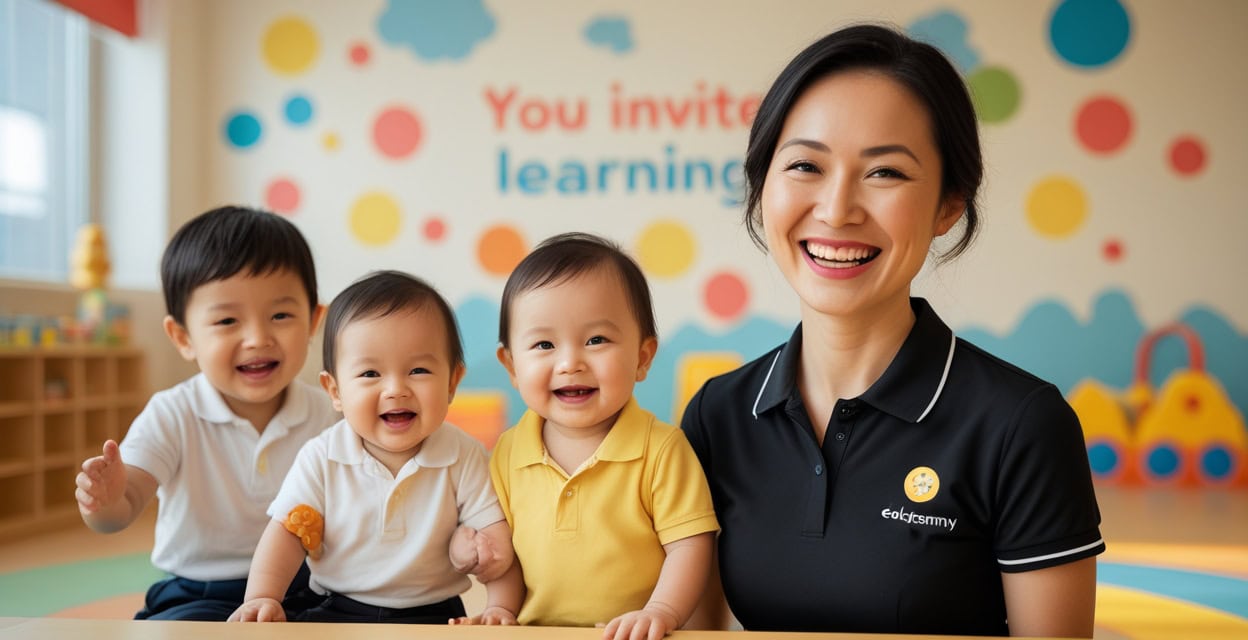
An Invitation
If this vision resonates with you, we invite you to connect with EduNanny and explore settings near you. Visit a space, hold the materials, meet the caregivers, and ask the hard questions that matter to your family.
- Learn more: EduNanny.com and Childminding.EduNanny.com
- Program anchors: EduNanny by BUTLER; ECDA Childminding Pilot participant; National Social Initiative; Maximum Employment Mandate
- Service highlights: Centre-based and home-based options; islandwide availability; Monday–Friday, 7am–7pm; ultra-low 1:3 infant ratio; secure CCTV innovation;
- Affordability: Fees payable by CDA/Baby Bonus; affordable from $33/day for eligible options; clear pricing with no hidden surprises.

Conclusion
At EduNanny, excellence is found not in grand gestures but in the everyday moments that calm, teach, and delight a child. When a baby experiences safety, warmth, and timely responsiveness, trust grows; when a parent notices that trust in their chest, work and family life gain a renewed ease; and when a nation sees children who begin life with dignity and joy, the fabric of society strengthens. This is the promise of Care, Crafted—to nurture infants with the craft of skilled caregiving while binding families to a community that values care as a public good. If you share this vision, take the next step: explore spaces near you, meet the teams, and begin a partnership that will shape Singapore’s future—one good day at a time.
[#EduNanny, #InfantCare, #SingaporeChildcare, #EarlyChildhoodDevelopment, #1to3Ratio]