
Presence and Attunement for Safe Joyful Infancy The Near Home Approach EduNanny Singapore First Thousand Days
Introduction: What EduNanny Is—and Why It Matters Now
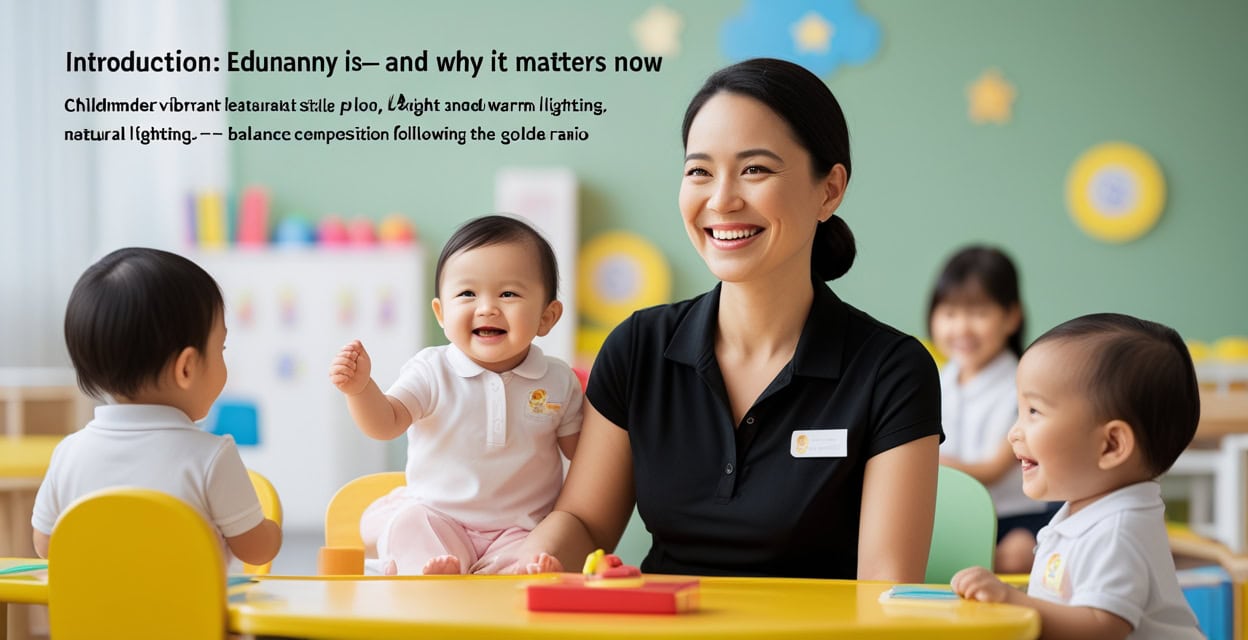
EduNanny by BUTLER represents a Singapore-born commitment to safe, joyful, and developmentally rich infant care delivered where families live and work. Our model operates Monday to Friday, 7am to 7pm, islandwide, across center-based and home-based environments, with distance support for families who prefer guidance in their own homes. Our design principles are simple, rigorous, and actionable: a 1:3 infant presence ratio; modern, visible spaces; transparent safety practices; a living curriculum rooted in attunement and secure attachment; convenient and affordable options from $33/day; and alignment with national efforts under the ECDA Childminding Pilot to professionalize childminding and uplift both caregivers and families.
In this article, you’ll find practical, research-informed guidance for parents and caregivers. We translate theory into daily routines that support early development—academically sound, emotionally wise, culturally grounded, and practically accessible. EduNanny’s approach is not abstract theory; it’s a concrete, repeatable set of habits that families can adopt at home and caregivers can implement in any EduNanny setting.

Topic 1: The Science of Attuned Micro‑Care—From Cues to Confidence
Infants learn in micro-moments. Each glance, coo, and touch is a potential bridge to trust and self-regulation. EduNanny builds practice on three high-impact habits that translate science into everyday care.
Fast Eyes, Calm Hands
- What it means: Caregivers train to notice cues within seconds and respond with gentle, predictable actions. It is a concrete expression of Pikler’s care ethos—respectful, unhurried, and precise in movement.
- How to apply at home: When your infant shifts gaze or reaches for a toy, pause and mirror the intention with a calm voice and a soft touch. If hunger cues appear (lip-smacking, rooting, mouth movements), offer a small, timely feeding option or hold the baby close and speak softly to reduce distress.
- EduNanny daily practice: Use a “Notice-and-Respond” log. The caregiver records cue types, response timing, and outcome. Families receive a brief daily note with cues observed and how they were addressed, reinforcing consistency across home and center environments.
The 90‑Second Rule
- What it means: Aiming to respond to infant bids within 90 seconds supports a calmer nervous system, lowers stress chemistry, and reinforces neural pathways for trust and learning.
- How to apply at home: If your baby signals hunger or discomfort—rooting, fussing, or turning toward the chest—start the feeding or soothing sequence within 1.5 minutes. Use a short, soothing phrase to acknowledge the cue, then proceed with a consistent routine (e.g., diaper change, feed, burp, cuddle).
- EduNanny practice: The 90-second rule is embedded in daily routines, with supervisors coaching staff on maintaining speedy, compassionate responses even during busy periods. Families are invited to adopt a similar quick-response mindset at home to strengthen continuity of care.
Serve-and-Return Conversations
- What it means: Back-and-forth exchanges—signaled by eye contact, facial expression, vocal turn-taking—build language, self-regulation, and secure attachment.
- How to apply at home: Narrate daily experiences, label feelings, and invite participation. For example, during diaper changes, you can say, “You look curious about that towel. Let’s wipe your hands together.”
- EduNanny practice: Caregivers initiate and extend dialogue in short, meaningful bursts, turning ordinary moments into language-rich experiences. Families receive tips on home narration and naming emotions to support language development.

Topic 2: Safety as a System—Not a Slogan
Safety is a living system—a choreography you can feel in the room, not a poster on the wall. EduNanny blends human factors, environment design, and transparent practice to create environments where safety is visible, measurable, and teachable.
Spaces That Think
- What it means: Environments designed for visibility, movement, and safety, with continuous sightlines, low shelving, rounded edges, and separate quiet safe-sleep zones.
- Home-based application: Organize a dedicated infant area at home with clear sightlines to the caregiver, easy access to familiar objects, and a corner for safe sleep that follows the same principles as the center (Back to sleep, firm surface, no loose items).
- Center-based practice: Floor plans that allow caregivers to monitor multiple infants without losing proximity, with age-appropriate furniture and rotation of toys to reduce overstimulation.
Safe Sleep as Ritual
- What it means: Sleep is a sacred routine—consistent, predictable, and safety-first. Practices such as back-lying, a firm sleep surface, temperature control, and minimal soft items become a daily ritual.
- Home-based guidance: Create a consistent pre-sleep routine (diaper change, gentle rocking, lullaby, and a dim light) that helps the baby associate routine with rest.
- Center-based practice: Each sleep entry is logged and double-checked. Temperature, swaddling or sleep sack use, and room conditions are audited every shift, with near-miss reviews used to refine protocols.
Ratios That Protect
- What it means: A 1:3 infant ratio means caregivers can anticipate needs and respond quickly, turning potential stress moments into opportunities for growth and connection.
- Practical tips for families: When multiple needs arise (feeding, soothing, diaper changes), prioritize non-disruptive transitions (e.g., holding the baby close during a feeding change) to minimize distress.
- EduNanny coaching: Staff receive ongoing coaching in time-management and task sequencing to maximize presence with each infant, ensuring no child is left waiting during critical moments.
Clean by Calendar and Cue
- What it means: A strict hygiene routine, backed by evidence-based protocols, keeps contamination risks low and confidence high.
- Home-based practices: Design a rotating toy system that prioritizes high-touch items; wash hands before feeding; sanitize bottles and pump parts according to manufacturer guidance.”
- Center-based practices: Regular sanitation checklists, daily turnover protocols, and clear labeling reduce cross-contamination. Families can review sanitation logs and see what was cleaned and when.
Transparent Practice: CCTV Innovation
- What it means: Consent-based cameras provide safety assurance, guide coaching, and offer transparency while balancing privacy and protection.
- Home-use guidance: Consider respectful visibility of cameras and ensure families understand what footage is used for, who can view it, and how it is protected.
- Center-use guidance: Share daily safety highlights with families, including sleep logs, feeding records, and notable interactions, to build trust and partnership.
Drills and Continuous Learning
- First aid and infant CPR: Certifications are maintained, practiced, and refreshed at regular intervals; drills turn near-misses into safer tomorrow actions.
- Incident reviews: Every near-miss or incident is analyzed to identify root causes and improved safety protocols, with families briefed on changes when appropriate.
- Family briefings: Daily or near-daily updates ensure families are part of the safety playbook, reinforcing shared expectations and practices.
Topic 3: A Living Curriculum for the First Thousand Days—Play with Purpose
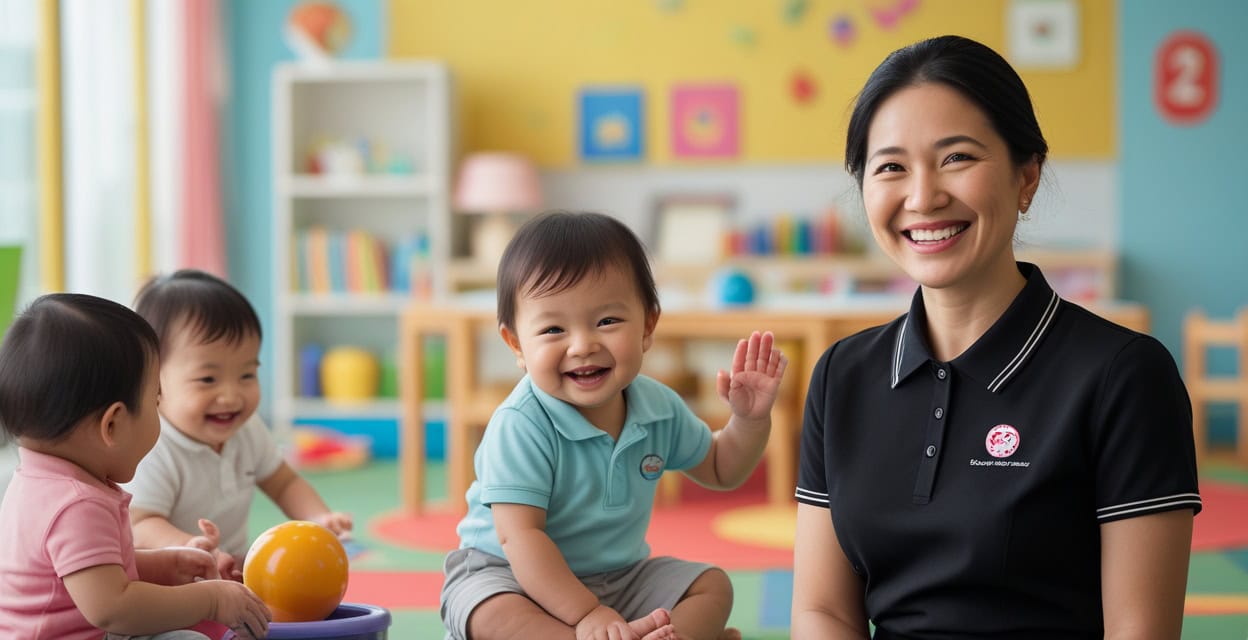
Infants are scientists, and EduNanny builds a daily rhythm that nurtures curiosity without overwhelming the nervous system. Our living curriculum spans five “windows” of development, integrating Froebel, Montessori, Vygotsky, and contemporary neuroscience.
Language and Connection
- Practical strategies: Use exaggerated prosody, face-to-face interaction, and name recognition to prime language pathways. Sing simple rhymes, recite finger-plays, and narrate daily actions to scaffold vocabulary.
- At-home activities: Create a daily “narration routine”—talk through routine steps (eating, dressing, playtime) and invite the infant to participate with simple cues (hand-over-hand assistance, reaching toward a toy).
- EduNanny insight: Staff training emphasizes interactive reading, dialogic speech, and social referencing to build early literacy and social understanding.
Motor Freedom
- Practical strategies: Provide safe, unstructured floor time for free movement; use age-appropriate obstacles and soft materials to explore balance and coordination without risk.
- At home: Create a safe play space free of clutter with accessible exploration toys (soft blocks, textured fabrics, simple objects to reach and grasp).
- EduNanny approach: A Pikler-inspired floor-time framework supports gross motor development, while caregiver-scaffolding fosters autonomy and problem-solving.
Sensory Regulation
- Practical strategies: Predictable transitions, soothing textures, and gentle sensory play help babies notice just-right levels of stimulation and recover from novelty.
- Home ideas: Offer a calm-down corner with a sensory blanket, soft lighting, and a quiet mobile for transitional periods (e.g., after meals or when transitioning from play to sleep).
- Center-based: Sensory play is structured into daily routines with safe materials (water play with supervision, soft fabrics, varied textures) and clear boundaries to prevent overstimulation.
Foundations of Thinking
- Practical activities: Object permanence games, simple cause-effect play, and early categorization exercises lay the groundwork for cognitive growth.
- Home examples: Peekaboo with familiar objects; safe cause-and-effect actions (pressing a button to produce a sound); sorting games using safe, everyday items.
- EduNanny practice: The curriculum emphasizes guided discovery, waiting for the infant’s lead, and providing age-appropriate challenges that push learning gently forward.
Early Social Grace
- Practical activities: Tiny turn-taking, infant-led greetings, and space-sharing routines promote empathy and self-awareness from the start.
- Home ideas: Model “my space/your space” boundaries during play, encourage sharing of simple toys, and celebrate small social successes with positive reinforcement.
- EduNanny approach: Scaffolding is adjusted to the infant’s zone of proximal development, ensuring tasks are challenging yet achievable with caregiver support.
We Borrow and We Weave
- Educational influences: We weave Froebel’s “gifts” of simple, beautiful materials; Montessori’s prepared environment; Vygotsky’s social learning via caregiver scaffolding; and a calm, unhurried pace that supports mastery over time.
- Practical takeaway for families: Use simple, beautiful objects at home that invite exploration—soft blocks, wooden spoons, fabric swatches—then guide, not push, the child’s exploration.

Topic 4: The Architecture of Happiness—Designing Joyful Days
Happiness is not entertainment; it is a steady rhythm where bodies feel safe, minds stay curious, and caregivers feel present. EduNanny designs joy into daily life through predictable routines, engagement rituals, and caregiver well-being.
Predictable Anchors
- Key routines: Warm arrival rituals, unhurried feeds, unpressured naps, and outdoor time when possible.
- Home implementation: Establish a morning routine that signals a secure start (gentle wake, cuddle, breakfast, and a short activity sequence) to set a calm tone for the day.
Music and Movement
- Practical strategies: Daily singing, gentle drumming, fingerplays, and movement games synchronize breathing and mood, supporting social bonding and self-regulation.
- Home ideas: Create a weekly “music hour” with simple instruments and familiar songs. Use rhythm to mark transitions (e.g., a short song before diaper changes).
Nourish and Notice
- Approach: Feeding is attachment work—eye contact, responsive pacing, and affirming language transform meals into moments of connection.
- At home: During feeds, maintain eye contact, narrate the evolving experience (e.g., “You’re taking a big bite now—nice and slow.”), and respond to hunger cues with patience.
Rest as Learning
- Principle: Sleep consolidates learning and supports emotional regulation. Protect sleep with quiet voices, dim lighting, and a predictable schedule.
- Home tips: Create a nap ritual that signals wind-down time—soft music, dim lights, and a familiar blanket or comfort object.
Caregiver Delight
- Observations: Babies “absorb” the emotional weather around them. Calm, confident adults in the room are the best curriculum in any day.
- Home practice: Prioritize caregiver well-being with realistic expectations, rest, and supportive routines to sustain presence and warmth for children.

Topic 5: The Social Purpose of Childminding—A Civic Promise Near Home
Childminding is more than coverage; it is culture-making. EduNanny’s approach links near-home care with national social goals, elevating families, workers, and communities alike.
Access Near Home
- Rationale: Islandwide center-based and home-based options reduce commuting time, increase family proximity, and support community bonds.
- Home-based examples: A caregiver lives in a neighborhood block, creating a familiar, trusted point of contact for families nearby and reducing travel stress for working parents.
Dignified Work, Professional Standards
- Policy context: The Maximum Employment Mandate supports meaningful jobs with robust training, mentorship, and clear progression paths—so childminders feel valued and connected to a professional community.
- Practical guidance for families: Seek providers with documented training, regular coaching, and transparent performance metrics; inquire about safety drills, caregiver-to-child ratios, and daily communication practices.
Accessible Hours and Affordability
- Schedule: Monday–Friday, 7am–7pm, offering reliable support for modern families balancing work and caregiving.
- Affordability model: Options start from $33/day, with CDA/Baby Bonus payable for eligible families. Evaluate value against the cost of in-home care or gaps in school-based services.
Transparency and Partnership
- Practice: Clear daily updates, open-door communication, and consent-based CCTV for safety and coaching. Families participate as partners, not bystanders.
- Home-to-center alignment: Use shared communication tools (secure apps, daily logs) to maintain consistency, enabling parents to reinforce routines in the home environment.
Distance Support
- Offer: When families prefer to care for their child at home, EduNanny provides coaching, routines, and safety planning to ensure best practices are followed in the home setting.
- Action for families: Schedule regular virtual or in-person coaching sessions to review routines, safety checks, and development goals, ensuring continuity of care regardless of setting.

How EduNanny Makes Infant Care and Childminding Exceptional in Singapore
- Excellence and Quality: A research-backed pedagogy paired with rigorous safety systems and continuous coaching ensures high-quality care that adapts to each child.
- Centre-Based and Home-Based: Two pathways share one high standard, offering families options that fit their contexts without compromising care quality.
- Distance and Convenience: Remote guidance sustains best practices at home, with digital resources and check-ins that keep families connected to the care process.
- Affordability and Transparency: Starting from $33/day with CDA/Baby Bonus support, and itemized clarity on fees and services.
- Childminding Pilot & Civic Impact: Participation in the ECDA Childminding Pilot contributes to national aims of professionalizing care while strengthening families and professional communities.
- 1:3 Infant Ratio: The heart of the model—presence and responsiveness fuel development and emotional security.
- Innovation and Environment: CCTV-enabled transparency and modern layouts demonstrate commitment to safety, movement, and calm in every space.

Concluding Speech: Childminding Matters—Who, What, When, Where, How
Who: Infants and families across Singapore, supported by trained, attuned childminders who regard caregiving as expert work and moral duty.
What: Safe, joyful, developmentally rich care that honors the first thousand days—a living curriculum of attachment, exploration, and rest.
When: Monday–Friday, 7am–7pm—predictable support that helps families thrive and caregivers succeed.
Where: Islandwide—within community and home premises, offering center-based, home-based, and distance support that respects each family’s context.
How: Through an excellent 1:3 ratio, modern layouts, transparency through CCTV, rigorous safety practice, and a coherent pedagogy—made accessible from $33/day, with CDA/Baby Bonus for eligible families.

The EduNanny Philosophy and Purpose—for Parents and Infants
- We believe every infant deserves attentive eyes, gentle hands, and a daily rhythm that says, “You matter here.”
- We believe parents deserve partners—professionals who share evidence, hold confidence, and keep promises.
- We believe in civic care—quality near home, respectful jobs, and a common standard that raises the floor and the ceiling at once.
- We believe happiness is learned in tiny moments of trust—and that these moments, multiplied, become character, resilience, and joy.
Singapore is building tomorrow in the quiet of today’s care. If we want confident children, we must build confident beginnings. If we want kind leaders, we must seed kind routines. If we want a resilient nation, we must make infancy safe, joyful, and beautifully ordinary.
That is the EduNanny promise: presence you can feel, safety you can trust, learning you can see, and joy you can hear in the soft hum of a well-held day.
To begin, visit EduNanny.com or Childminding.EduNanny.com. Join us in giving Singapore’s youngest the simplest, strongest gift: a first thousand days that feel like home.
Call to Action: Learn more, enroll, and connect with EduNanny today to partner in building confident beginnings for your child and family.
[#keyword1, #keyword2, #keyword3, #keyword4, #keyword5]