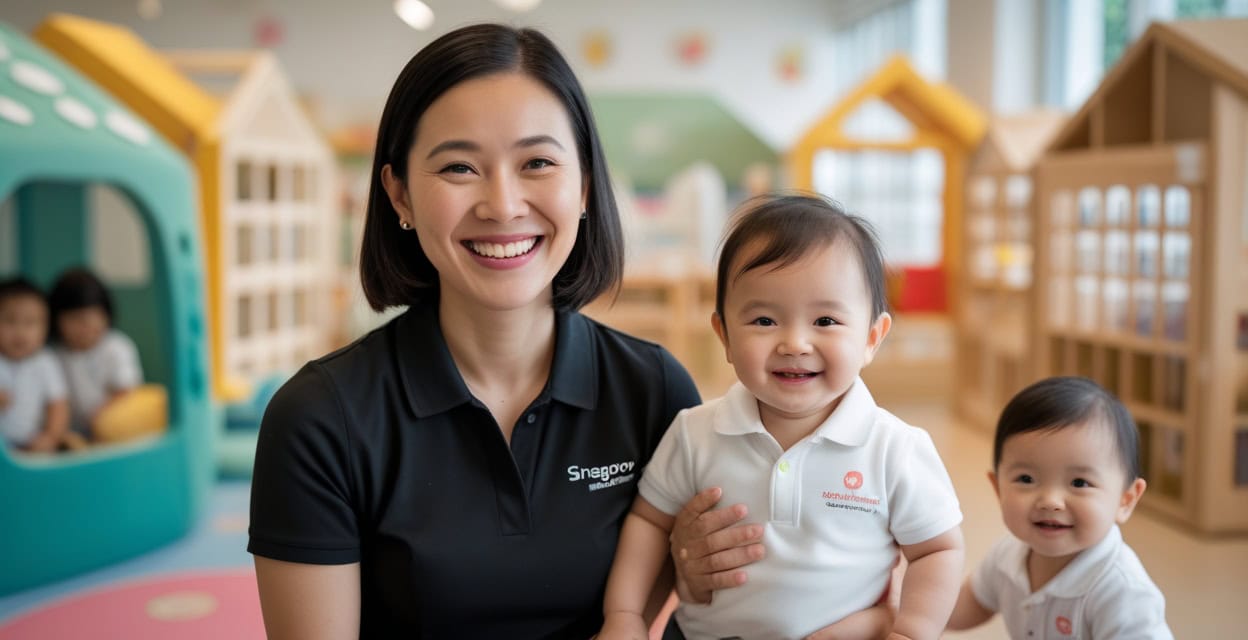
Near Home Infant Pods and the 1 to 3 Ratio Redefining Safe Joyful Beginnings in Singapore

EduNanny: A New Model for Infant Care in Singapore
Good beginnings shape confident futures. EduNanny Singapore invites families to reimagine infant care as a partnership rooted in safety, joy, and close-to-home belonging. This long-form overview expands the vision shared in the pilot, offering practical guidance for parents, grandparents, caregivers, and communities who will nurture the youngest citizens as they grow, learn, and thrive.
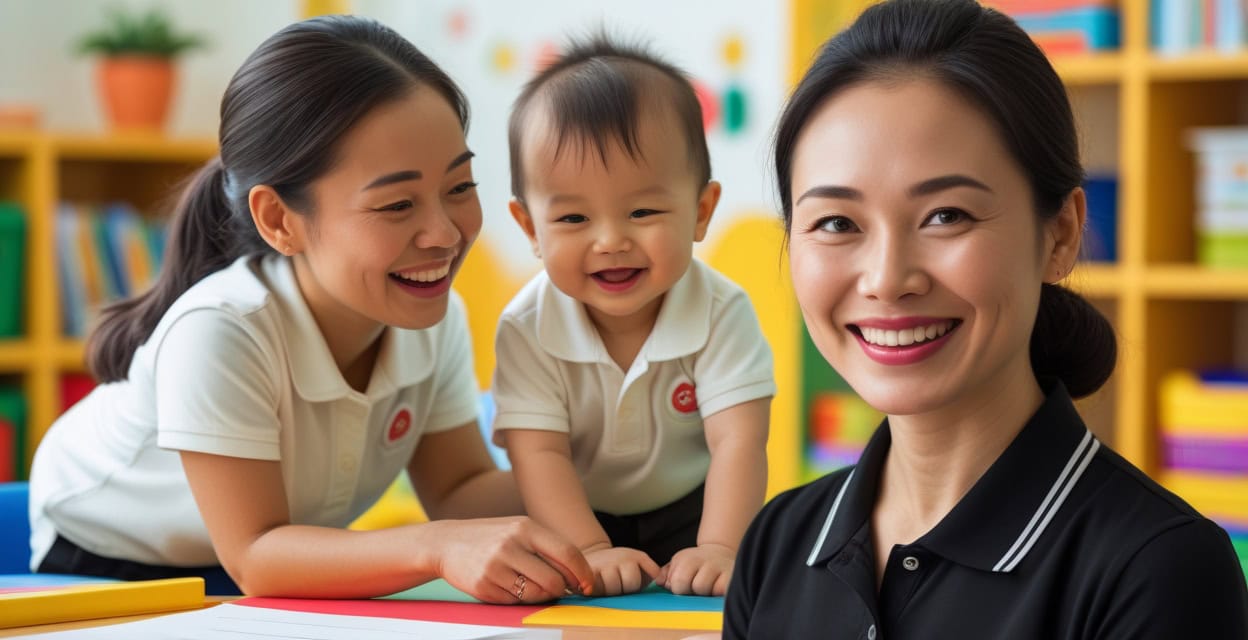
What is EduNanny Childminding?
EduNanny by BUTLER is one of the appointed operators in the ECDA Childminding Pilot (1 December 2024 to 31 December 2027). We provide small, near‑home care in community premises or the childminder’s home, maintaining a consistently low infant-to-caregiver ratio of 1:3. Envision a tiny circle of trust—intentionally intimate, professionally guided, and crafted for the everyday dignity of infants and the peace of mind of parents.

Why This Matters in Singapore
- Accessible: islandwide coverage, Monday to Friday, 7am–7pm (excluding public holidays).
- Affordable: full-day (10 hours) at $33 before GST; half-day (5 hours) at $16.50 before GST, with CDA/Baby Bonus payable during subsidised hours.
- Safeguarded: ECDA background checks, mandatory training (infant first aid and basic care), guidelines for child-safe practices, and ongoing operator oversight.
- Human-scale: ultra‑low density, ultra‑low ratio, predictable routines, and consistent relationships.

The Four Pillars That Guide EduNanny Practice
1) Attachment-informed pedagogy: love made practical
- With a 1:3 ratio, childminders notice subtle cues: averted gaze, slower sucking, or the stretch before sleep—and respond with timely, sensitive care that builds trust in tiny increments.
- Care is unhurried and participatory: diaper changes and feeding are narrated with eye contact, inviting the infant to be an active partner in daily routines.
- The environment is prepared, not crowded: open floor space for rolling and crawling; low, sturdy materials to grasp; songs and stories to nurture language rhythms.
- Daily planning follows the infant’s cues: wake windows, feeding rhythms, and sensory play adapt to each child’s pace and temperament.
2) Safety by design, not by chance
- People: EduNanny childminders are certified and background checked; ECDA extends checks to household members with regular access in home settings. Staff maintain infant first aid and food safety readiness.
- Place: Community spaces and homes are assessed to remove choking hazards, secure furniture, create clean sleep zones, and maintain hygienic feeding stations. Ultra-low density means more room to move and fewer risks to manage.
- Practice: A No Sick Child Policy protects the pod. Infants with fever or contagious conditions recuperate at home; doctors’ clearances and chronic-care discussions are encouraged.
- Proof: CCTV is installed in community spaces. Opt‑in cameras in home caregiving areas during care hours balance transparency with privacy. Regular audits and incident protocols maintain high standards and clear responses.
3) Development as a daily rhythm, not a race
- Physical: ample floor time for tummy-to-side-to-back transitions, grasping, reaching, cruising, and early steps with safe supervision and cushioned surfaces.
- Language: daily talk, singing, and reading; parallel talk during routines; songs drawn from Singapore’s multicultural tapestry to build rhythm, memory, and joy.
- Social-emotional: predictable routines and gentle transitions foster a familiar, comforting presence—foundations for later independence and problem-solving.
- Cognitive: simple cause‑and‑effect play, peekaboo, object respect, and nest-building activities geared to readiness, not rigidity.
- Documentation and dialogue: caregivers keep concise notes about sleep, feeding, mood, and milestones. Parents receive practical updates—clear, jargon-free communications for collaborative planning.
4) Joy as an essential variable
- Joy is a clinical asset: tiny rituals—morning hellos, goodbye songs, and soft lighting before naps—help infants anticipate safety and comfort.
- Warm, face-to-face interactions take precedence over screens; screens, if used, support safety management, not infant engagement.
- Joyful moments are measurable: smiles, curiosity, settled routines—these outcomes guide daily practice and long-term development.

Why Childminders Matter—and What We Ask of Them
Childminders are the quiet heroes of early childhood. EduNanny invests in their skills, community, and vocation:
- Mandatory training and continuous coaching aligned to industry standards.
- A national social initiative that dignifies care work and advances meaningful employment across neighbourhoods.
- Clear pathways for growth, reflective practice, and peer learning.
- Tools for success: modern layouts, safe materials, and, with parental agreement, innovation-driven CCTV for caregiving areas.
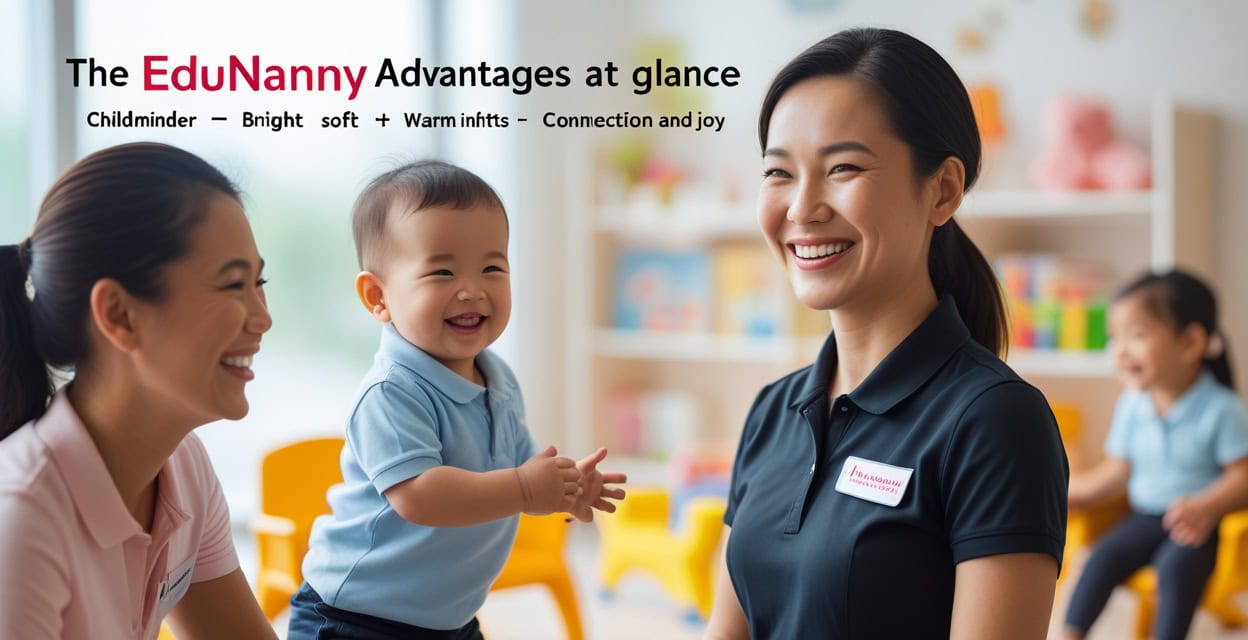
The EduNanny Advantages at a Glance
- Ultra‑low ratio: 1 caregiver to 3 infants
- Ultra‑low density spaces with modern, infant-friendly layouts
- CCTV provided in community sites; opt‑in cameras available in home caregiving areas
- Certified, background-checked EduNanny childminders under ECDA’s Pilot
- No Sick Child Policy to protect the pod’s health
- National initiative with Excellence and Quality standards
- Centre-based and home-based options, near your community
- Islandwide convenience, Monday–Friday, 7am–7pm
- Affordable from $33/day (10 hours, before GST); $16.50/half-day (5 hours)
- Fees payable by CDA/Baby Bonus for subsidised hours
- EduNanny.com and Childminding.EduNanny.com for details and locations
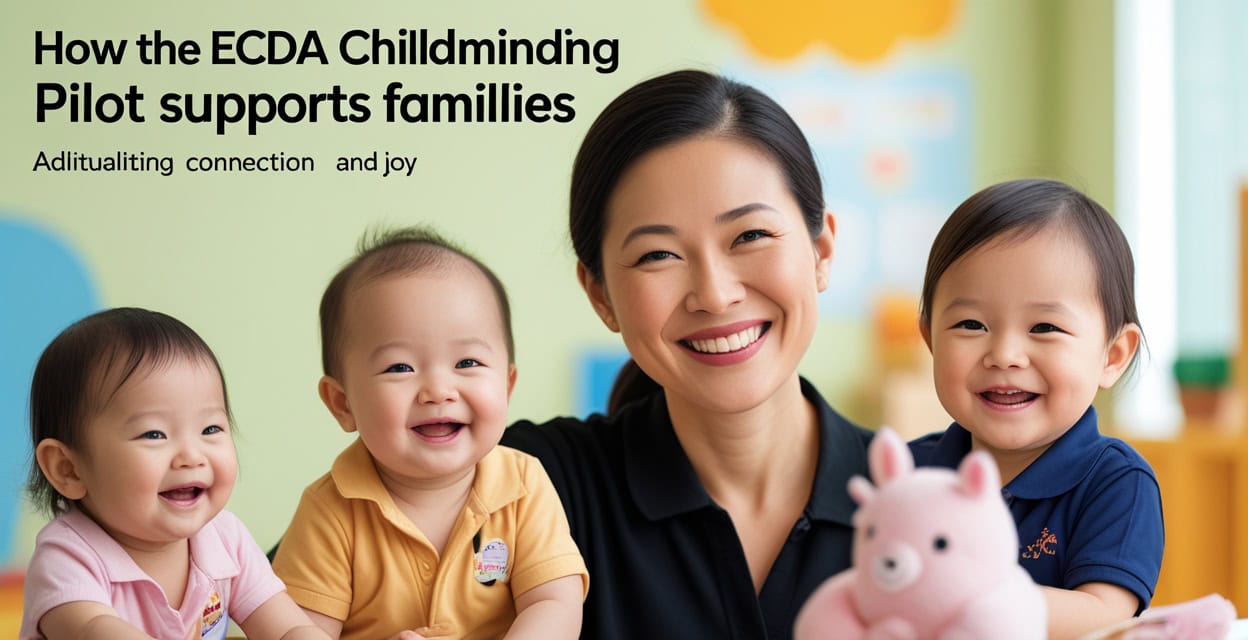
How the ECDA Childminding Pilot Supports Families
- Who: Singapore Citizen infants 2–18 months not concurrently enrolled in ECDA-licensed infant care centres
- When: Weekdays, 7am–7pm in 5-hour or 10-hour subsidised blocks
- Where: Community premises or childminders’ homes, islandwide
- How much: $16.50 (half-day, 5 hours) or $33.00 (full-day, 10 hours) before GST; CDA usable during subsidised hours
- How safe: Background checks, mandatory training, on-site safety requirements, and operator oversight; CCTV in community premises and encouraged in caregiving zones at home settings
- Beyond subsidised hours: Parents may discuss extended care directly with EduNanny at regular rates
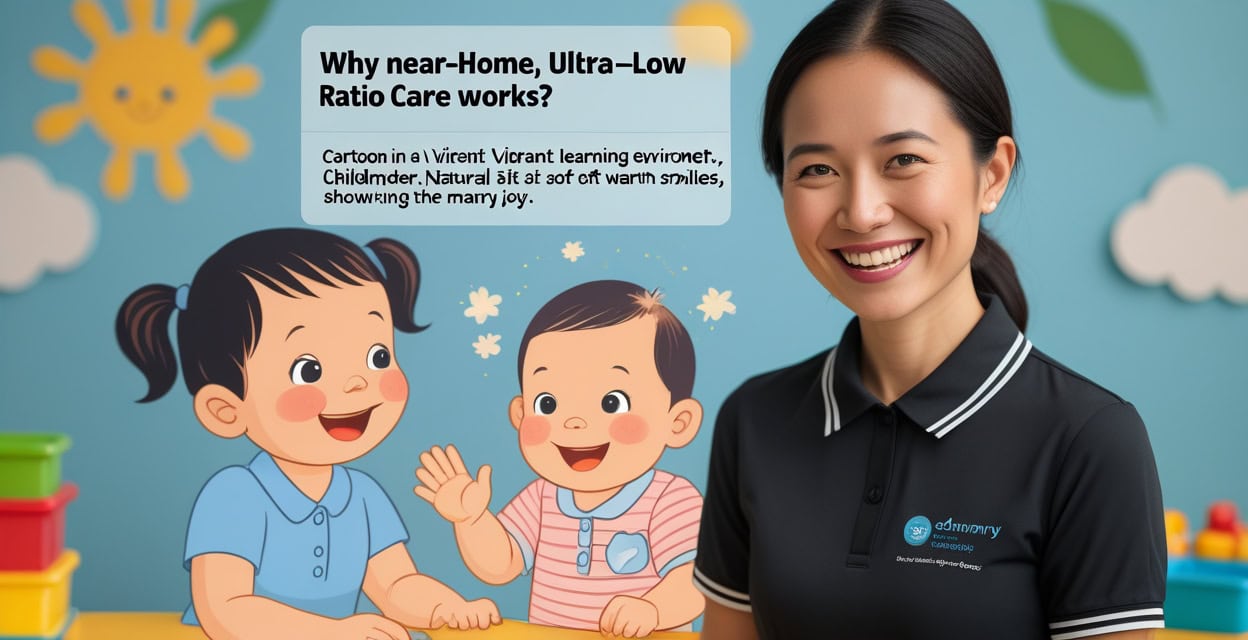
A Brief Explainer: Why Near‑Home, Ultra‑Low Ratio Care Works
- Shorter travel for families and infants reduces daily stress and supports better sleep.
- Tiny groups reduce overstimulation and illness spread, while increasing responsive caregiving.
- Familiar neighbourhoods make handovers predictable and community-anchored.
- The model achieves affordability through high, safe standards managed by trained professionals.

The Daily Flow: Why It Matters
A consistent daily rhythm anchors infant security and healthy development. Here is a representative flow your EduNanny team may follow, adaptable to each child’s cues:
- Greeting and settle: a familiar ritual, check-in on sleep, feeding cues, and mood.
- Unhurried care routines: feeding, diapering, and rest with narration and eye contact.
- Movement windows: floor play, reaching, grasping, safe cruising, and outdoor time when appropriate.
- Language moments: songs, fingerplays, and picture books; caregiver talk that supports vocabulary and social engagement.
- Transition to home: clear, calm handover and practical notes for parents to continue routines.

How to Sign Up
- Visit https://edunanny.com/edunanny-ecda-childminding-service/ and complete the enquiry form, or message via WhatsApp through the website.
- EduNanny Concierge Team will respond promptly to understand your needs and eligibility under the Pilot.
- Book a site visit—either a community premise or a childminder’s approved home—to see the space and meet the caregiver.
- Confirm your schedule (half-day or full-day blocks, number of days per week), finalise enrolment, and begin the journey.
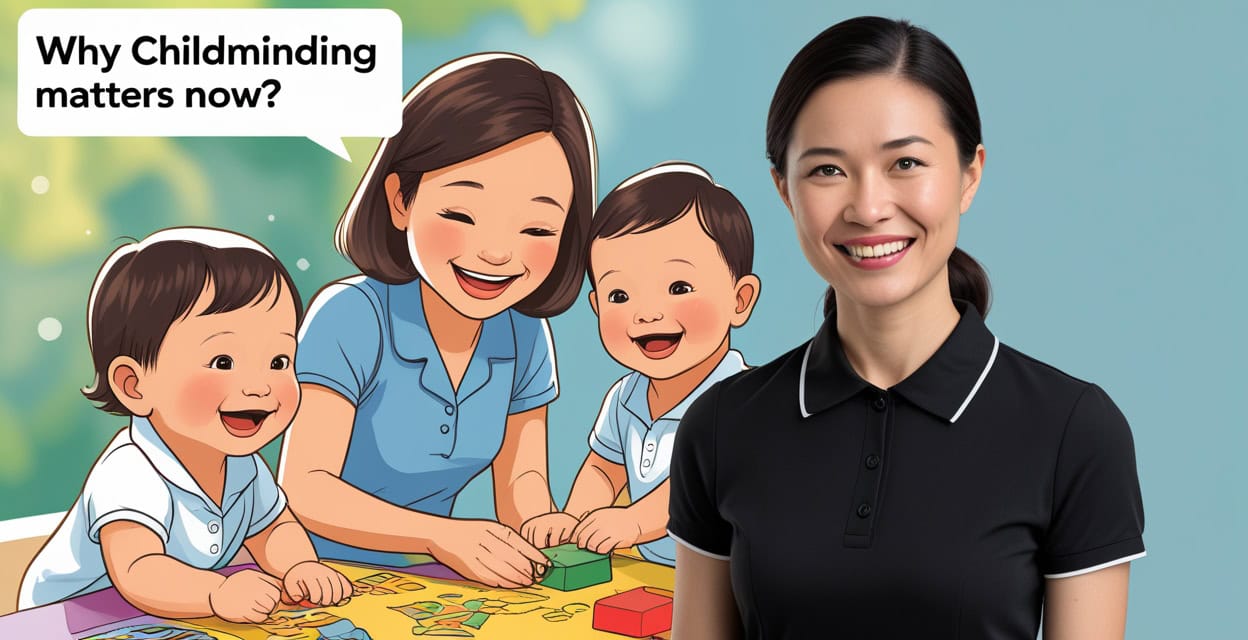
A Concluding Note: Why Childminding Matters Now
Infants deserve safety, steadiness, and affectionate attention; parents deserve transparency, affordability, and trust; childminders deserve training, dignity, and a community of practice. EduNanny aims to deliver secure attachments, calm routines, joyful exploration, and measurable safety through ultra‑low ratios and professional standards. This is more than childcare—it is nation‑building at nap time, one steady handover at a time.

Conclusion
EduNanny invites families to join a care model that places the infant at the center of a supportive ecosystem: caregivers who are trained and supported, spaces that feel like a natural extension of home, and daily routines that cultivate attachment, language, play, and positive social-emotional development. If you are seeking a near‑home option that respects tempo, fosters trust, and scales with family needs, explore EduNanny as a thoughtful, high‑quality choice for Singapore’s youngest learners.
To learn more, visit EduNanny.com or Childminding.EduNanny.com for locations, FAQs, and enrollment details. Our Concierge team is ready to help you discover the right fit for your child and family.
[#EduNanny, #InfantCareSingapore, #ECDAChildminding, #NearHomeCare, #1to3Ratio]