
EduNanny Singapore Ultra Low Ratio Infant Pods Pilot December 2024 to December 2027 A Near Home Revolution

EduNanny Singapore: Introducing Ultra Low‑Ratio Infant Care Across Singapore
Ladies and gentlemen, parents and grandparents, caregivers, clinicians, and community leaders—good evening. This is a carefully crafted, editor‑level overview of EduNanny Infant Childminding Service, its philosophy, practice, and practical guidance for families navigating the earliest years of care. Built for Singapore’s youngest citizens and the families who love them, EduNanny by BUTLER operates within the ECDA Childminding Pilot (Dec 2024–Dec 2027) to bring near‑home, intimate care that is safe, affordable, and developmentally attuned.

What is EduNanny?
EduNanny is intentionally small on purpose—a model of care where one childminder attends to one, two, or at most three infants at any time. This ultra low density and ultra low ratio care unfolds in home‑based settings or thoughtfully designed community spaces. It is designed to be:
- Intimate enough for attuned relationships,
- Structured enough for safety and planning,
- Flexible enough to fit real family life.
Care is available Monday to Friday, 7am to 7pm, islandwide. Subsidies apply during typical working hours and blocks begin from $16.50 for a half‑day (5 hours) and $33.00 for a full‑day (10 hours), before GST. CDA/Baby Bonus is accepted. Eligibility targets Singapore Citizen infants aged 2 to 18 months who are not concurrently enrolled in ECDA‑licensed infant care.

Five guiding ideas that frame EduNanny
1) The Home‑Within‑Home: Micro‑communities of care
Infants flourish when they are known by name, voice, scent, and rhythm. In EduNanny’s micro‑pods, each child has a primary childminder who becomes the infant’s secure base. Continuity is not a bureaucratic preference—it is a developmental necessity. The familiar hands that greet at 7:30am also soothe, narrate, and celebrate language milestones all day long.
Environment matters. Our spaces feel like a home‑within‑a‑home—calm, uncluttered, and modern. Low shelves, soft lighting, and open floor space invite rolling, reaching, and safe sensory exploration. Floor time is not a peripheral activity; it is the stage on which the brain writes its first stories. Group sizes stay tiny because infants need faces and relationships more than schedules.
2) Safety by Design: A see‑through architecture of trust
Safety is never an add‑on; it is an ecosystem.
- Certified and background‑checked: ECDA vetting, infant first aid, basic infant care, and food safety training before commencement.
- Ultra low ratio: 1:3 maximum infant ratio as a daily safeguard—faster cue recognition, safer feeding, calmer transitions.
- Environment checks: Regular hazard assessments, cleanliness audits, emergency readiness drills, and safety procedures.
- Health protection: No Sick Child Policy; options and return protocols discussed with the Concierge Team if a child is unwell.
- Transparent oversight: CCTV in community spaces; availability by arrangement in home‑based care areas, balancing privacy and peace of mind.
3) Joy as Curriculum: Turning everyday moments into learning
Joy is a developmental signal, not entertainment. A shared smile, a coo, a giggle—these micro‑moments signal the brain’s readiness to learn.
- Language woven in: Narration at infant pace—“I’m lifting you now,” “Your hands are warm,” “Let’s taste the banana together.”
- Movement respected: Self‑initiated movement in a safe space; safe, open play environments that support motor exploration.
- Sensory invitations: Natural materials, high‑contrast visuals, textured toys, and tummy‑time as meaningful dialogue.
- Culture and song: Multilingual lullabies, rhymes, and stories offered responsively, celebrating Singapore’s rich linguistic tapestry.
4) Development without rush: The art of attunement
Infants are partners in development, not empty vessels to fill. We apply Piaget and Vygotsky through just‑right challenges—scaffolding that supports growth without steering away from the infant’s pace.
- Individual care plans: A living care profile created at enrolment; feeding rhythms, sleep cues, sensory preferences, family languages, and caregiving values revisited regularly as the child grows.
- Rest as nourishment: Sleep guided by the infant’s cues within family preferences; protected sleep hygiene in safe sleep environments.
- Daily documentation: Simple updates on feeding, nappies, naps, and a “moment that mattered” to share meaningful day highlights.
5) The civic heart of childminding: Care that strengthens families and work
Childminding is social infrastructure for the 21st century.
- Near‑home convenience: Both home‑based and centre‑based options reduce commutes and friction.
- Accessibility and affordability: Government support through ECDA, flexible half‑day and full‑day blocks, and CDA/Baby Bonus acceptance.
- Dignified jobs, strong standards: A Maximum Employment Mandate ensures high‑quality roles across neighbourhoods with robust training and supervision.

What makes EduNanny different
- Ultra low density and ultra low ratio: A maximum of three infants per childminder, consistently.
- Certified EduNanny Childminders: Trained in infant first aid, basic care, hygiene, and responsive pedagogy.
- Safety you can trust: CCTV in community spaces; strict incident protocols; sign‑in/out procedures; food safety and medication protocols with written instructions.
- Clean, modern environments: Thoughtful layouts prioritising floor time, visibility, and calm.
- Flexible, near‑home choices: Centre‑based and home‑based care islandwide.
- Fair, transparent pricing: Subsidised blocks, Monday–Friday, 7am–7pm, with CDA/Baby Bonus support.
- National initiative, local warmth: Part of ECDA’s Childminding Pilot delivered by EduNanny by BUTLER with community‑level care.
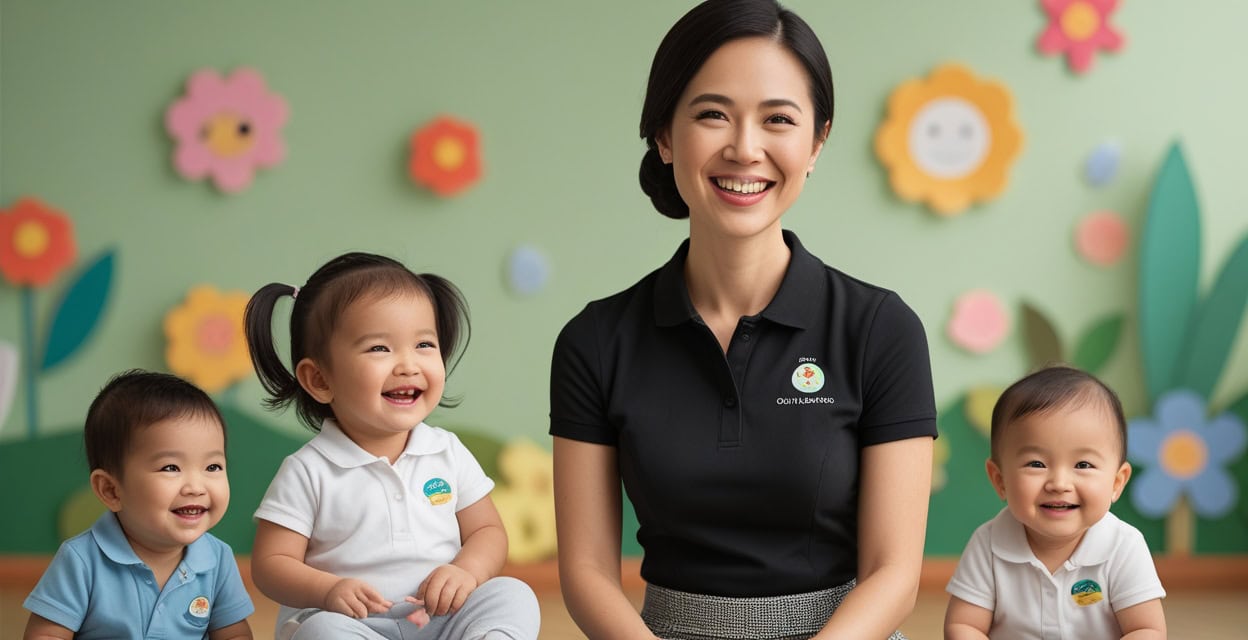
Who can join, and how scheduling works
- Who: Singapore Citizen infants aged 2 to 18 months, not concurrently enrolled in ECDA‑licensed infant care.
- When: Monday–Friday, 7am–7pm, excluding public holidays. Choose half‑day (5 hours) or full‑day (10 hours) blocks; select number of days per week.
- Where: Home‑based childminders’ premises or community spaces near you, islandwide.
- How much: $16.50 (half‑day) or $33.00 (full‑day) before GST during subsidised hours; CDA/Baby Bonus accepted.

How to enrol in three simple steps
-
Step 1: Visit https://edunanny.com/edunanny-ecda-childminding-service/ or reach us via WhatsApp to submit an enquiry.
-
Step 2: EduNanny Concierge Team responds, understands your needs, and arranges a site visit with a suitable home‑based or centre‑based pod.
-
Step 3: Confirm your appointment, meet the childminder, review the care plan, and enrol.

Why childminding matters now
- Who: Families balancing work and love; infants needing continuity of relationship; childminders entering a meaningful profession of care.
- What: Small‑group, near‑home, ultra low‑ratio infant care that blends safety, joy, and early learning.
- When: The everyday moments—feeding, sleeping, soothing, playing—that build the first bonds, Monday to Friday, 7am–7pm.
- Where: In community spaces with modern layouts and in home‑based premises that feel like a second living room.
- How: Through certified, background‑checked childminders, clear standards, CCTV in community spaces, no sick child policy, and a pedagogy of attunement that treats care as the first curriculum.
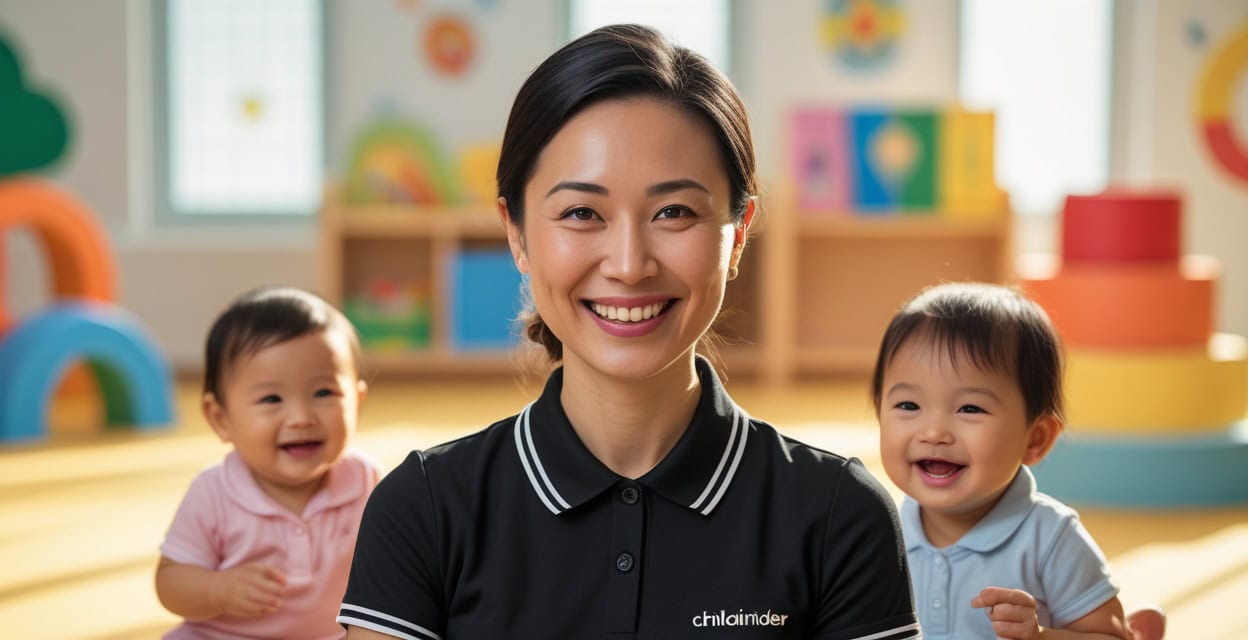
Our philosophy and purpose
EduNanny exists to protect the dignity of infancy and the sanity of family life. We believe safety is love made visible; joy is a developmental right; learning starts with trust; and care close to home strengthens the social fabric of Singapore. We are proud to be part of a National Social Initiative under ECDA’s Childminding Pilot, and we remain committed to excellence, quality, and accountability at every step.
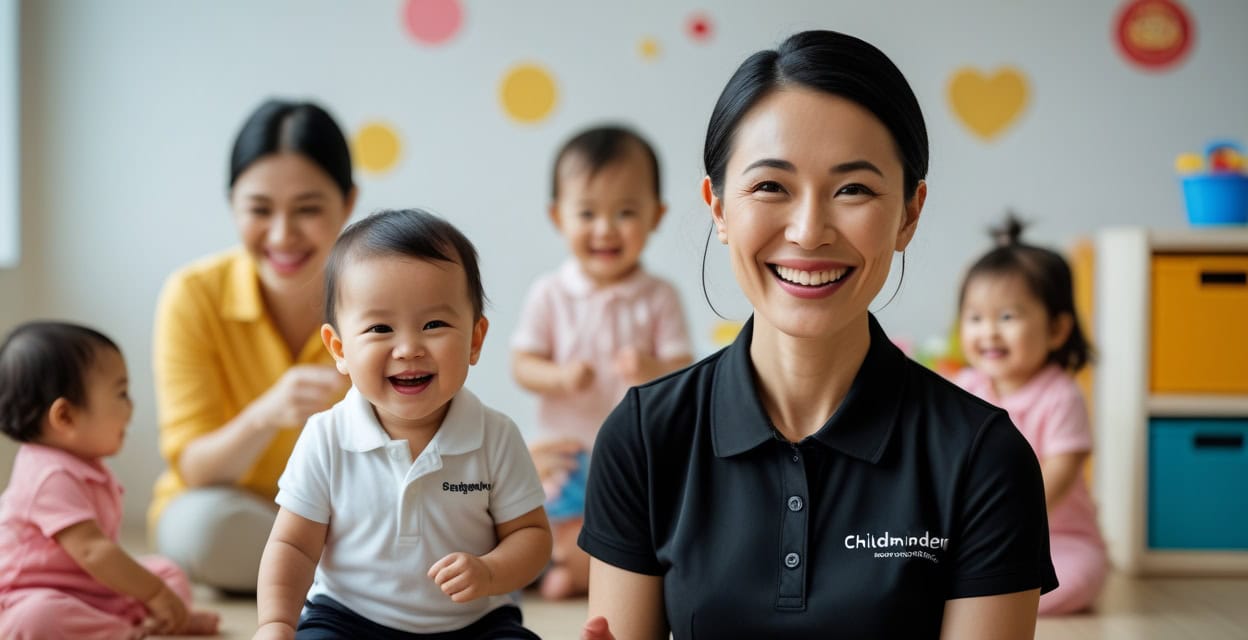
Practical guidance for parents: building a care plan
Below are actionable steps and practical examples to help families craft a robust care plan with EduNanny.
- Create a living care profile: Upon enrolment, document feeding rhythms, sleep cues, preferred containers or bottles, comfort items, languages spoken at home, and a few family values that shape daily routines.
Provide a preferred nap window, bedtime cues, and safe sleep practices (firm mattress, light blanket rules, back sleeping). Share your infant’s current sleep cues and soothing strategies. Establish a home language strategy that supports bilingual or multilingual development. Encourage caregivers to narrate daily activities in both languages to support vocabulary growth. Outline roughly when meals, naps, play, and diaper changes occur, but remain responsive to the infant’s cues. This balance reduces stress for both child and caregiver. Request simple daily notes and a weekly highlight to stay connected with your child’s progress and triumphs. Prepare for a smooth handover during the first few weeks—brief the childminder on your family’s routines, comfort items, and emergency contacts. Review the No Sick Child Policy, fever thresholds, and return-to‑care criteria with the Concierge Team; ensure vaccination records and emergency contacts are up to date.
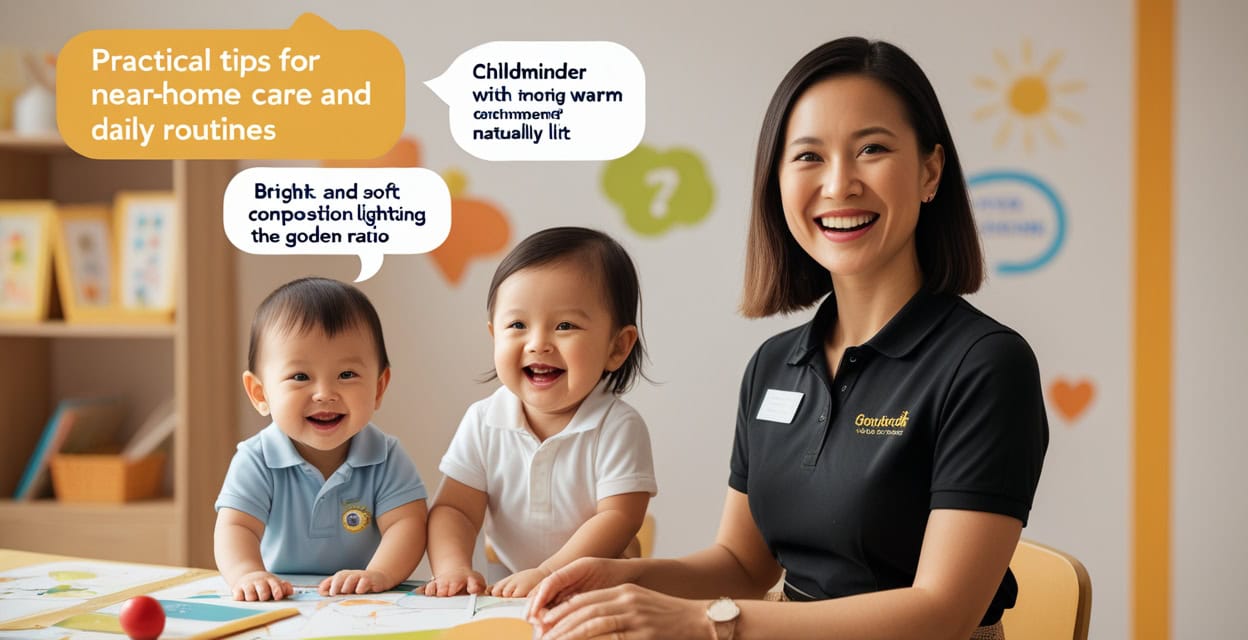
Practical tips for near‑home care and daily routines
Dim lights, quiet spaces, and consistent sleep surfaces support better rest for infants. Regular face-to-face interactions, gentle contagion of smiles, and responsive soothing strengthen trust and security. Rotate age‑appropriate toys and materials that invite reaching, grasping, and sensory exploration without overwhelm. Integrate songs and stories across languages to reflect Singapore’s multilingual landscape and to support cognitive flexibility. Short, predictable transitions between activities help infants feel secure as the day progresses.
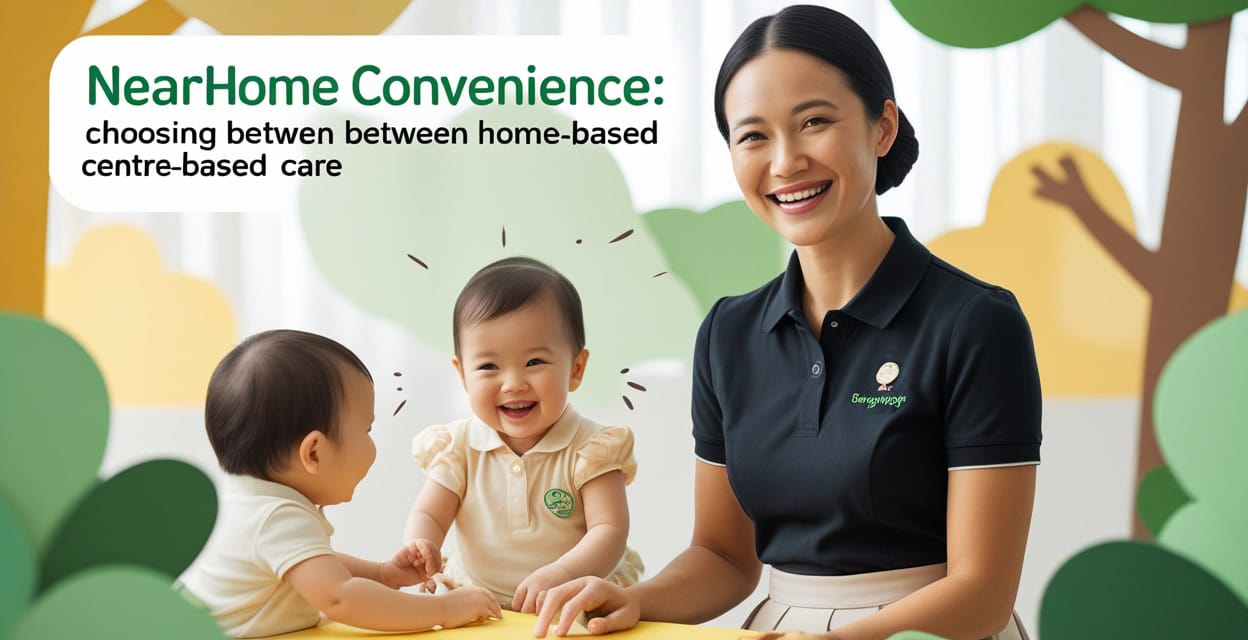
Near‑home convenience: choosing between home‑based and centre‑based care
EduNanny offers two flexible formats to suit family preferences:
- Home‑based pods: Care in a childminder’s residence with a familiar, intimate setting that mirrors a household routine.
- Centre‑based pods: Care in thoughtfully designed community spaces with professional supervision, enhanced safety features, and convenient access to shared resources.
Both formats maintain ultra low ratio and continuity of care, ensuring that infants receive consistent caregivers, predictable routines, and developmentally appropriate activities in close‑to‑home environments.
Enrolment steps and next steps
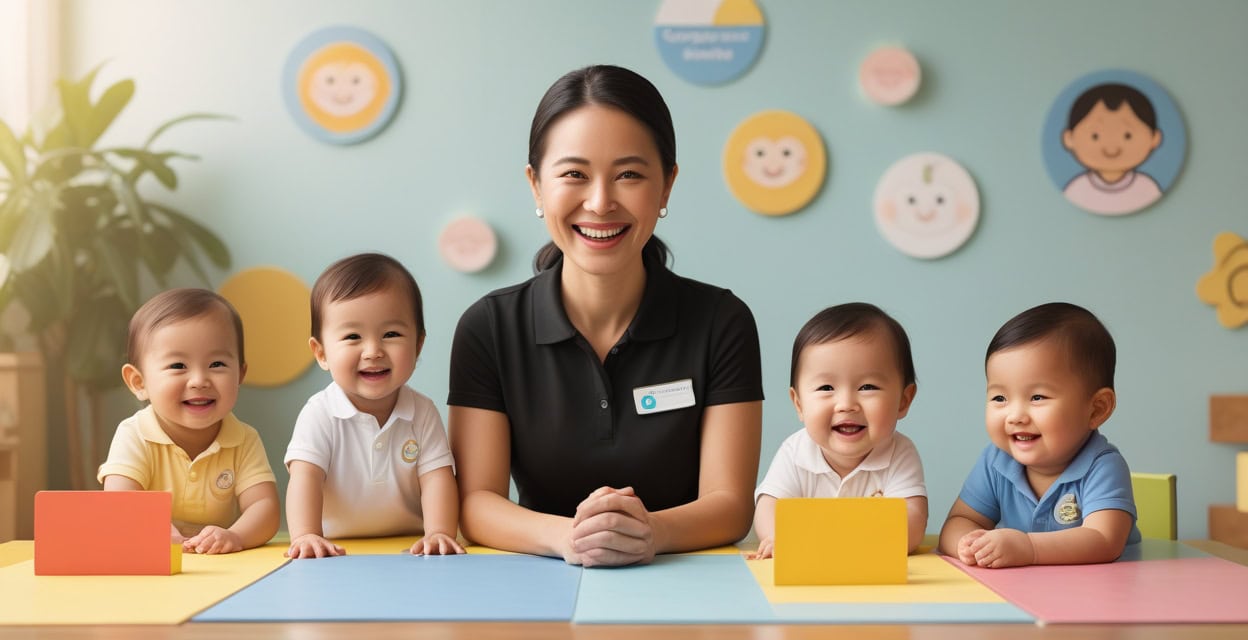
To embark on EduNanny care, families should start with an enquiry, then schedule site visits, and finally enrol with a tailored care plan that aligns with family needs and ECDA guidelines.

Conclusion
EduNanny is more than a care service—it is a carefully designed approach to infant development that blends safety, intimacy, and learning with the realities of modern family life. By prioritising ultra low density, continuous caregiving, and developmentally informed practice, EduNanny aims to strengthen families, support working parents, and mind the future by minding the earliest years with love, skill, and accountability.
Ready to explore EduNanny? Look to EduNanny.com or Childminding.EduNanny.com for more information, scheduling, and enrolment details. Enquire, visit, and feel the difference of a space designed for three small hearts and one fully present professional.
Because when we care well for the earliest years, we do more than mind children—we mind the future. Thank you.
SEO keywords: [#EduNannySingapore, #InfantCareSingapore, #ECDAChildmindingPilot, #UltraLowRatio, #NearHomeCare]