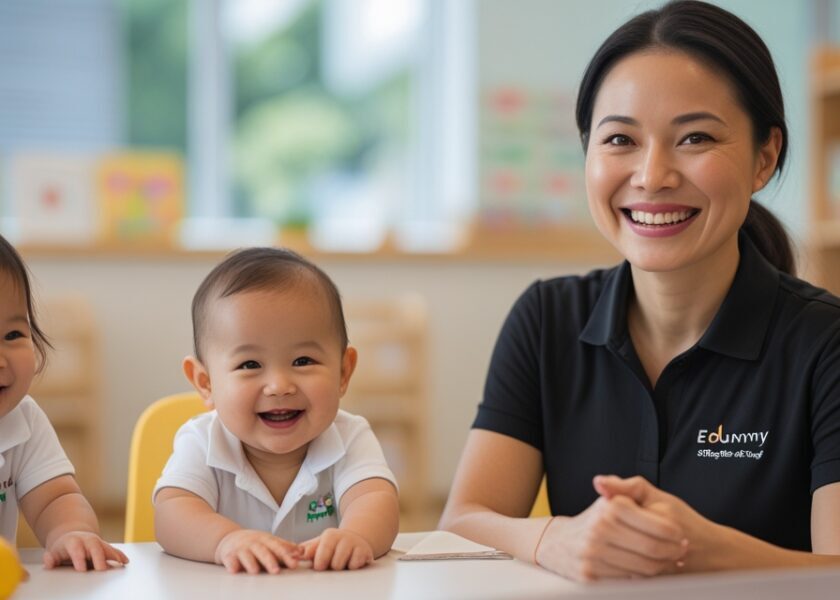
Cradling the Future of Singapore Through EduNanny Ultra Low Density One to Three Infant Care Pilot December 2024 to December 2027

Introduction: EduNanny and Singapore’s Shared Future for Infants
Good evening to families, caregivers, and partners in Singapore’s shared future. I stand before you not only as an EduNanny infant-care advisor but as a believer that a nation’s long horizon is drawn in the first thousand days of life. Every coo, every cuddle, every safe nap is not a small thing—it is infrastructure for tomorrow. EduNanny Infant Childminding Service exists to make that infrastructure tangible, trustworthy, and close to home. This long-form piece offers practical guidance, insights from EduNanny practice, and actionable steps for parents and guardians navigating early childhood care in Singapore today.
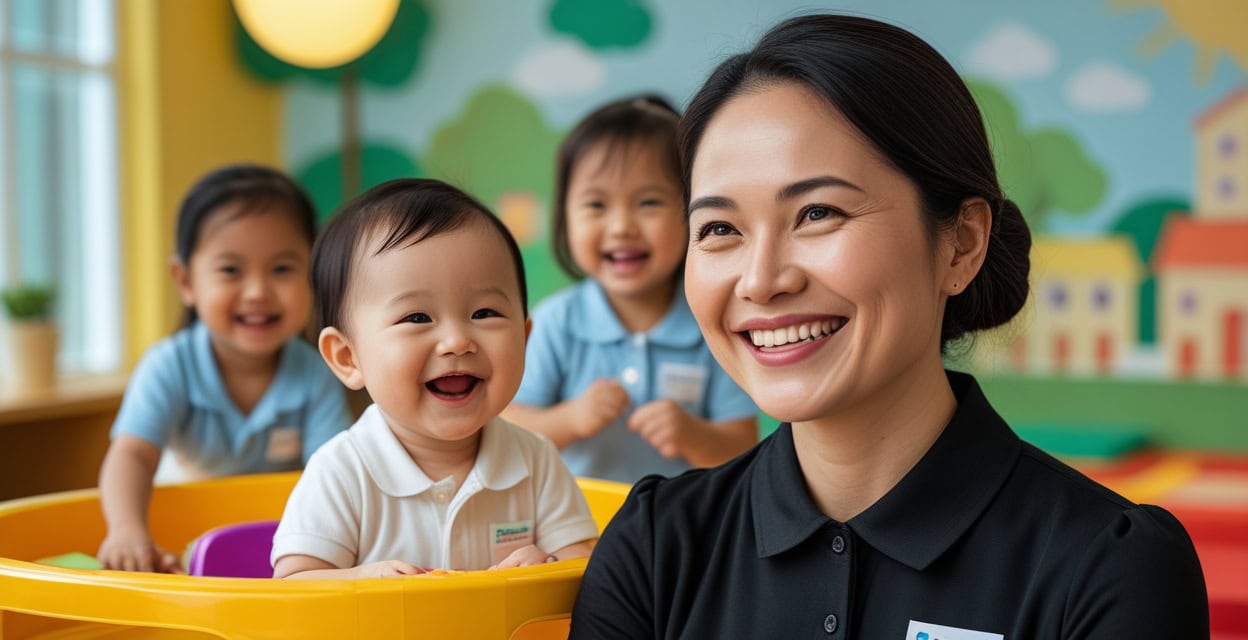
EduNanny Infant Childminding Service: A National Pilot
EduNanny by BUTLER is appointed under ECDA’s Childminding Pilot (1 December 2024 to 31 December 2027) to offer near-home, ultra low-density infant care across Singapore. Our aim is to give parents an affordable, safe, and reliable option for infants aged 2 to 18 months, Monday to Friday, 7am to 7pm. Here’s what that means in practice:
Ultra low ratio: One childminder for up to three infants
- 1:3 model prioritises attachment, safety, and calm; infants experience consistent, responsive care even in a shared setting.
- Primary caregiver continuity within a pod helps infants form secure bonds and reduces stress during transitions.
Near-home convenience
- Care occurs in childminders’ homes or thoughtfully designed community spaces across the island, reducing long commutes for busy families.
- Community pods are designed for easy access from housing estates and workplaces, supporting smoother daily rhythms.
Affordability with transparency
- Half-day (5 hours) subsidised at $16.50 and full-day (10 hours) at $33.00 before GST. Parents can tap their Child Development Account (CDA) during subsidised hours.
- Flexible scheduling by day and by block to suit family routines and varying work patterns.
Professionalism and safety
- Every EduNanny childminder is trained, background-checked, and supported with ongoing coaching.
- ECDA conducts background checks on childminders and, where relevant, household members with regular access to the home.
Visibility and trust
- Closed-circuit television (CCTV) is provided in community spaces as required.
- In-home CCTV is available upon mutual agreement for caregiving zones and hours of care, balancing transparency with household privacy.

Four Themes That Define Our Practice
1) Attachment-first pedagogy: The quiet science of secure beginnings
Infants learn through relationships. Our 1:3 ratio ensures every baby experiences consistent, responsive “serve-and-return” interactions—eye contact, warm voice, gentle touch, and timely care. This is where the theories of Bowlby, Pikler, Erikson, Vygotsky, and Montessori come alive in daily routines:
- Primary caregiver model: Each pod anchors on one childminder who knows your child’s cues—hunger, tiredness, overstimulation—and responds with precision and warmth.
- Respectful caregiving: Diapering, feeding, bathing, and sleep are moments of connection, language, and trust—not chores.
- Scaffolding early exploration: Safe, unobtrusive guidance invites babies to roll, reach, babble, and master movement at their own pace.
- Individual rhythms: We honour family routines and cultural practices—breastmilk handling, responsive feeding, mother-tongue lullabies—so infants feel continuity between home and care.
2) Safety and dignity by design: Systems that protect, environments that soothe
Safety is a culture, not a checklist. We prioritise environments and practices that preserve dignity and trust:
- Environment and equipment: Hazard mapping, anchored furniture, cord control, gated zones, and safe sleep practices (firm mattress, no loose bedding, back-to-sleep).
- Health protocols: Daily health checks at drop-off; a No Sick Child attendance policy during care hours to protect ultra-low-density pods and vulnerable infants. For medical needs or exceptions, families discuss arrangements with our team following ECDA guidance.
- Training and readiness: Infant first aid, food safety, and basic infant care are prerequisites before deployment; drills and incident protocols are practiced.
- Background checks and assurance: ECDA conducts checks on childminders and, where applicable, household members with access to the premises.
- Right-sized visibility: CCTV in community spaces; optional CCTV in home settings for caregiving areas and hours with informed consent to balance peace of mind and privacy.
- Medication and special care: Clear written instructions for medicines—dosage, timing, method, and potential side effects—are required.
3) Development and happiness: Joy is the pedagogy
A happy infant is an engaged learner. We structure each day around secure rhythm and purposeful play:
- A calm, predictable flow: Careful pacing of feeds, naps, movement, and face-to-face time reduces cortisol and supports brain development.
- Sensory nutrition: Gentle light, natural materials, soft language, and curated textures—enough stimulation to invite curiosity without overwhelm.
- Movement matters: Pikler-informed floor time builds core strength and coordination; babies progress from observation to rolling to crawling with safe, inviting spaces.
- Early language: Songs, stories, and responsive chatter, including mother tongue, nurture communication and social bonding.
- Outdoor moments when possible: Fresh air and neighborhood walks expand horizons and soothe the nervous system.
- Observation and communication: We observe, document, and share meaningful notes—your infant’s cues, new skills, and comfort routines—because parent–caregiver partnership is essential.
4) The purpose and profession of childminding: Elevating a calling
Childminders are not “spare hands.” They are trained co-regulators, culture bearers, and first teachers:
- Certified, coached, and connected: Ongoing professional development, reflective supervision, and a standards-based playbook aligned with ECDA’s industry standards.
- Micro-pod excellence: Ultra-low density and 1:3 ratios ensure composure, focus, and safe supervision—hallmarks of dignified infancy.
- Community uplift: The Pilot supports meaningful employment and professional pathways while expanding caregiving capacity across Singapore’s heartlands.
- Shared purpose with parents: Families are partners, not customers. We listen, adapt, and co-create care plans for secure attachment and continuity.

A Brief Tour of EduNanny’s Advantages
- Ultra Low Density with an excellent 1:3 infant ratio
- Certified EduNanny Childminders trained in infant first aid and basic infant care
- ECDA-conducted background checks; for home-based care, checks extend to household members with regular access
- Clean, child-safe environments in homes and community spaces
- CCTV provided in community premises; optional CCTV in home caregiving areas with consent
- No Sick Child attendance policy to protect pods and infant well-being
- Affordable, Government-subsidised fees: Half-day (5 hours) $16.50; Full-day (10 hours) $33.00 before GST; CDA/Baby Bonus CDA monies accepted during subsidised hours
- Flexible blocks between 7am and 7pm, Monday to Friday (excluding public holidays), near-home islandwide
- Modern layouts and calm spaces designed for infant development
- Centre-like community pods and home-based options for distance and convenience
- A national ECDA Childminding Pilot—purpose-built for excellence, access, and accountability
- EduNanny by BUTLER service assurance; dedicated Concierge for matching and support
- Learn more: EduNanny.com and childminding.edunanny.com
Who, What, When, Where, and How Childminding Matters—and Why EduNanny
- Who: Singapore Citizen infants aged 2–18 months who are not concurrently enrolled in ECDA-licensed infant care centres—and their families, who deserve trust and time back.
- What: A national, three-year ECDA Childminding Pilot delivered by appointed operators, including EduNanny by BUTLER. One childminder, up to three infants, with standards, training, and oversight.
- When: Monday to Friday, 7am–7pm, in half-day or full-day subsidised blocks, from 1 December 2024 to 31 December 2027.
- Where: In childminders’ homes and in community-based caregiving spaces islandwide—near where families live and work.
- How: By marrying an ultra low ratio with rigorous safety, respectful pedagogy, and public accountability—supported by affordable fees and the ability to use CDA during subsidised hours.

Our Philosophy and Purpose
EduNanny is built on a simple covenant:
- Attachment is infrastructure—strong bonds are not soft; they are structural.
- Safety is dignity—no infant should have to compete for attention or comfort.
- Joy is the pedagogy—happiness is fertile soil for development, not a luxury.
- Community is capacity—trusted care, near home, strengthens families and neighbourhoods.
- Accountability is love at scale—training, checks, and standards keep promises and protect infants.
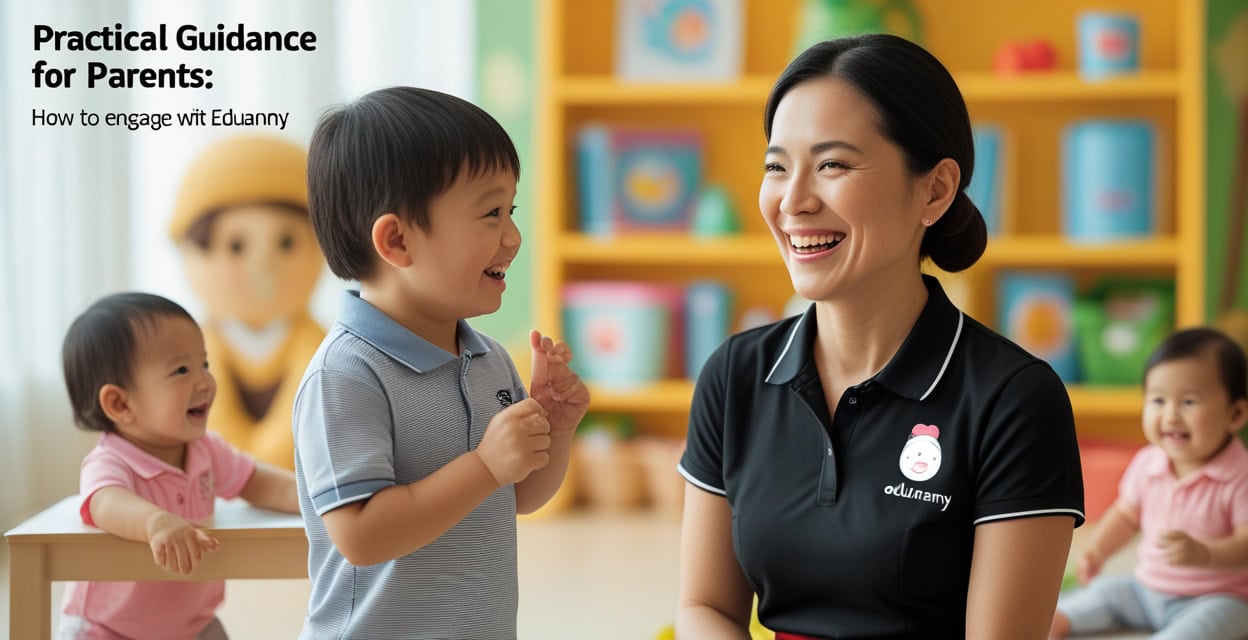
Practical Guidance for Parents: How to Engage with EduNanny
Beyond the policy and pedagogy, here are actionable steps you can take to maximize your EduNanny experience:
: Include your infant’s routine, cues, feeding preferences (especially breastmilk handling), nap times, comfort items, and any cultural practices you want respected. : Work with your Concierge to identify a pod where a single childminder will be the anchor. Create a one-page cue sheet your childminder can reference daily. : For families new to in-home or community pods, plan a gradual onboarding: 30 minutes of initial visitation, then 2–3 hours, then full day with contingency for oversleep or fussiness. : Agree on daily/weekly notes, photo updates, and urgent alerts. Discuss preferred language for captions and notes (including mother tongue considerations). : Review the No Sick Child policy, how to handle fever or contagious symptoms, and what constitutes safe sleep in the pod or home setting. : Share expected development milestones and daily play plans—so caregivers can scaffold tasks consistent with home routines. : Understand how CDA monies are applied during subsidised hours and how to track statements for budgeting and tax purposes. : Ensure consent for CCTV (where applicable) and keep a personal log of routines and notable cues to discuss at weekly check-ins. : Schedule quarterly reviews with the Concierge and pod lead to refine routines, address concerns, and celebrate progress.

How to Sign Up
Embarking on EduNanny is a straightforward process designed to connect families with trusted care quickly and transparently:
- Visit: https://edunanny.com/edunanny-ecda-childminding-service/
- Submit the enquiry form or message via WhatsApp from the page.
- EduNanny Concierge Team responds to understand your needs and recommends nearby home- or community-based pods.
- Book a site visit, meet your prospective childminder, review safety provisions and daily rhythm.
- Confirm your schedule and enrol—then begin the onboarding process with your pod.
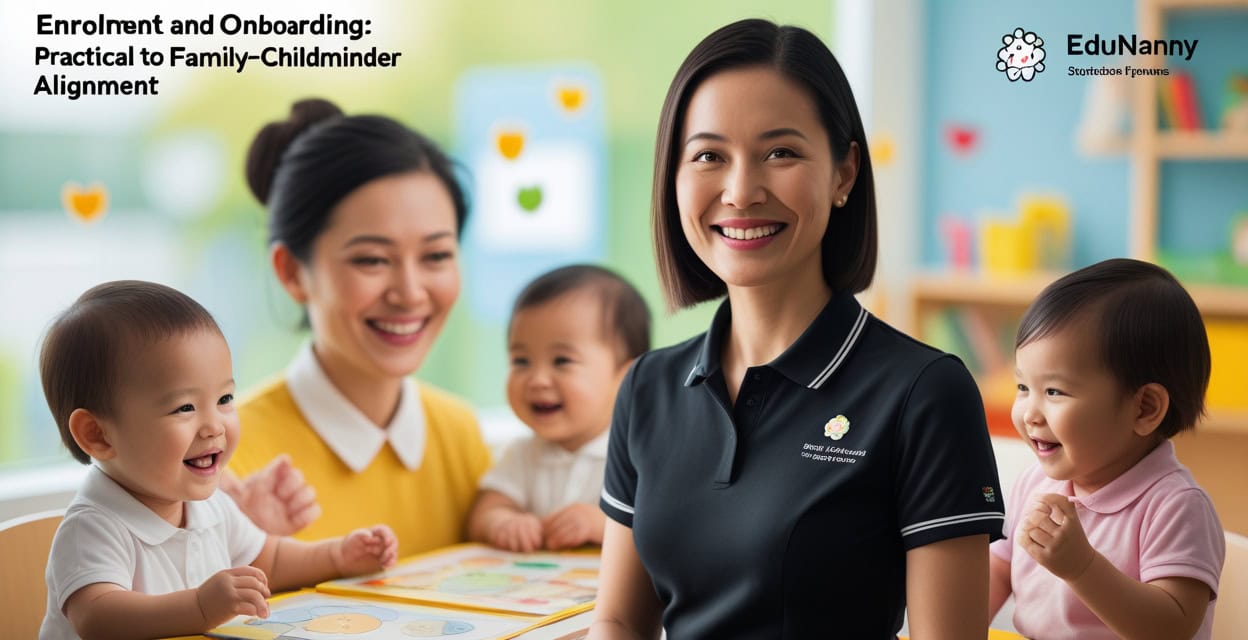
Enrollment and Onboarding: Practical Paths to Family–Childminder Alignment
To ensure a smooth start, consider these onboarding practices:
- Bring a short family routine overview—wake-up times, feeding patterns, nap windows, and preferred soothing strategies.
- Discuss nutrition needs and any allergies or medications with clear dosage and timing instructions.
- Agree on a communication plan: how often updates, who to contact for urgent issues, and preferred channels.
- Set expectations around privacy and CCTV use; review what is recorded and where.
- Plan a trial period with a flexible end date to recalibrate pod composition if needed.

Final Word: Cradling the Future, One Infant at a Time
In the quiet of a well-timed nap, in the sparkle of a first clap, and in the steady cadence of a day that feels just right, EduNanny builds something profound: secure, curious, and joyful beginnings. This is Singapore’s public commitment to families, a national Pilot designed to deliver trusted, near-home care that respects both infant development and parental needs. When parents entrust us with their child, they are not outsourcing love—they are expanding the circle of it. That is childminding at its best: a public good made personal, a personal care made professional.

Conclusion
EduNanny represents a thoughtful integration of attachment science, safety-first design, and professional caregiving within a national framework. By combining ultra-low density pods, transparent governance, and affordable subsidies, we aim to make high-quality infant care accessible to families across Singapore’s heartlands. If you are seeking a near-home care option that respects your infant’s rhythms, honors your family’s cultural practices, and partners with you in growth and learning, EduNanny offers a carefully designed pathway to that future. Explore, inquire, and consider joining a pod that aligns with your values and daily life.
SEO keywords: [#keyword1, #keyword2, #keyword3, #keyword4, #keyword5]